
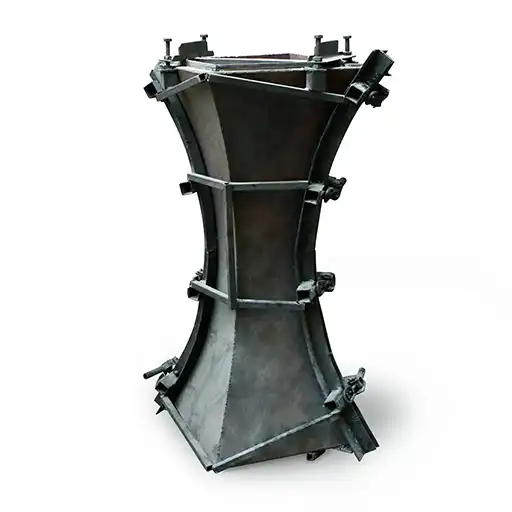
Designed and Manufactured by Davaran Fydar Maham
Introduction to the Plastic Bar Table and Its Applications
Plastic bar tables are highly popular due to their simplicity, elegance, and practical design.
These tables are widely used in:
- Restaurants
- Coffee shops
- Parties and ceremonies
Up to 7 people can stand around the table and enjoy drinks and conversation.
Visual and Functional Features
- Internal LED lighting — transforms the table into a luminous, attractive centerpiece at night
- Waterproof — suitable for outdoor and humid environments
- UV-resistant — does not fade or crack under direct sunlight
- Temperature-resistant — performs reliably in both hot and cold seasons
Material and Benefits of Polyethylene Tables
The tables are made of polyethylene, the primary raw material for rotational molding, making them ideal for mass production.
Advantages of Using Polyethylene
- Domestically produced raw materials — polyethylene is fully produced within Iran, thanks to the country’s oil resources
- No need for raw material imports — significantly reduces production costs
- Cost-effective production and export — gives the product high competitiveness in both domestic and international markets
Mold Design and Manufacturing Process
The production process of the plastic bar table is as follows:
- 3D modeling using SolidWorks software
- Review and correction of design flaws by experienced engineers
- Mold fabrication from ST37 steel sheet with high precision and according to industrial standards
This mold is ready for use in the rotational molding process.
Specialized Service: Turning Ideas into Products
Davaran Fydar Maham, with over 15 years of experience in rotational molding, is ready to assist you in turning your idea into a real product.
Idea-to-Product Process
- Receiving the customer’s initial idea or sketch
- 3D modeling and design
- Performance simulation in software environments (e.g., ANSYS, Abaqus)
- Predicting and resolving defects before physical production
- Design optimization to improve durability and reduce costs
- Mold and final product manufacturing
This process prevents wasted time, expenses, and defective product manufacturing.