Davaran Fydar Maham Company Products
Aluminum rotational molding
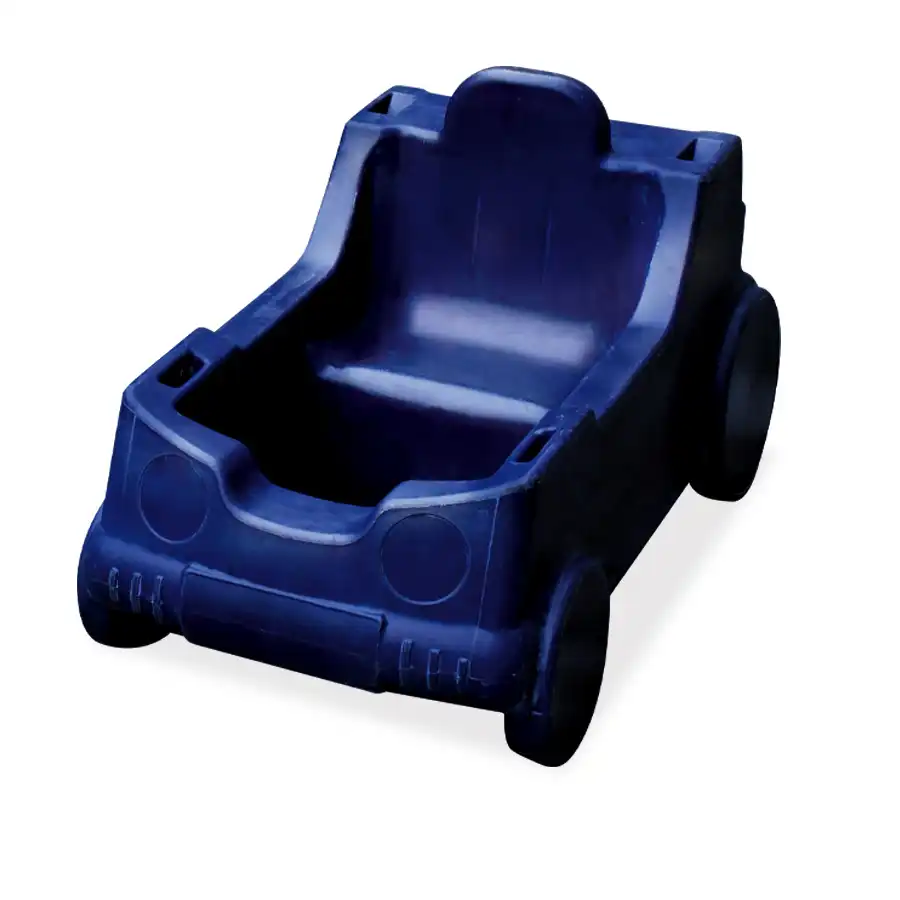
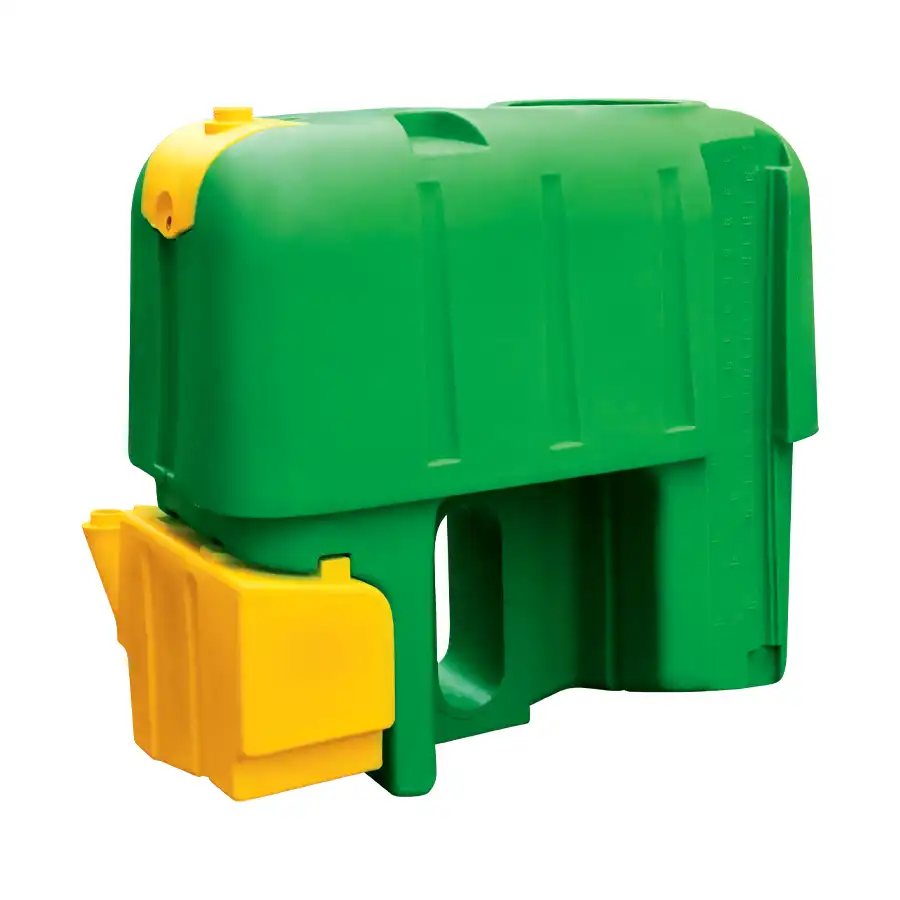
Aluminum rotational molds are usually used to produce parts that are complex and have specific shapes, or where the quality of the final product is important to us; these molds require 3D modeling, aluminum casting, and finally CNC machining.

Be a constructive communication initiator
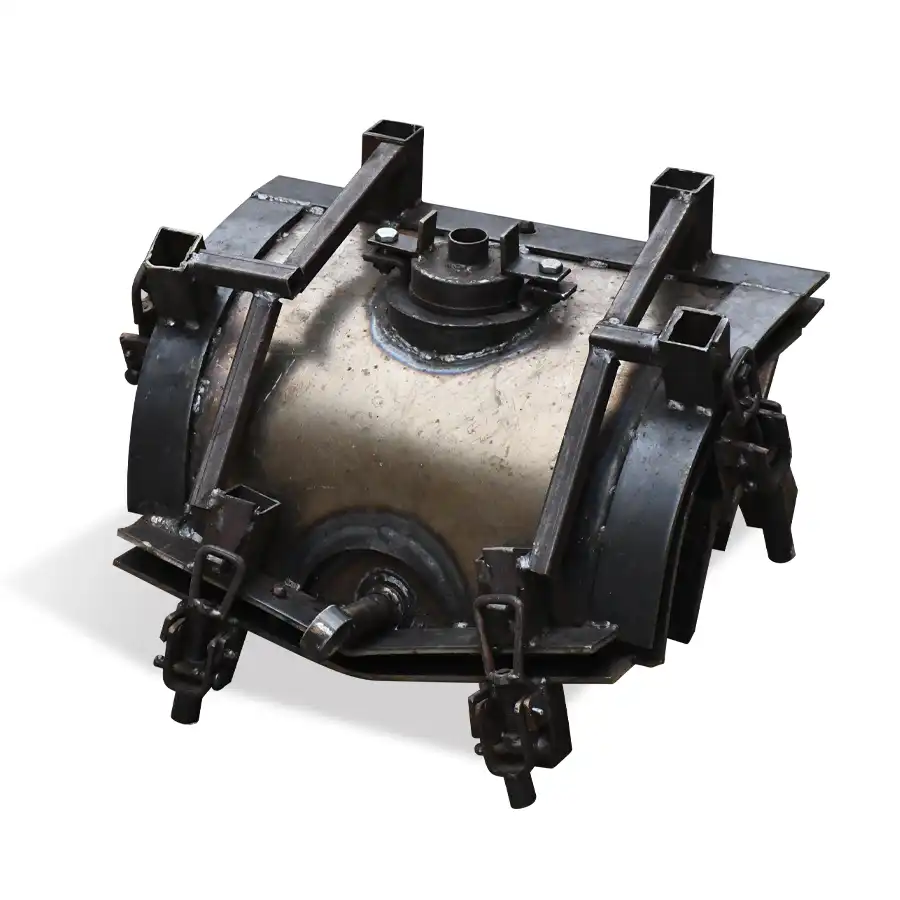
Steel rotational molding
Steel rotational molds are usually used to produce parts that are complex and have specific shapes, or where the quality of the final product is important to us; these molds require 3D modeling, aluminum casting, and finally CNC machining.


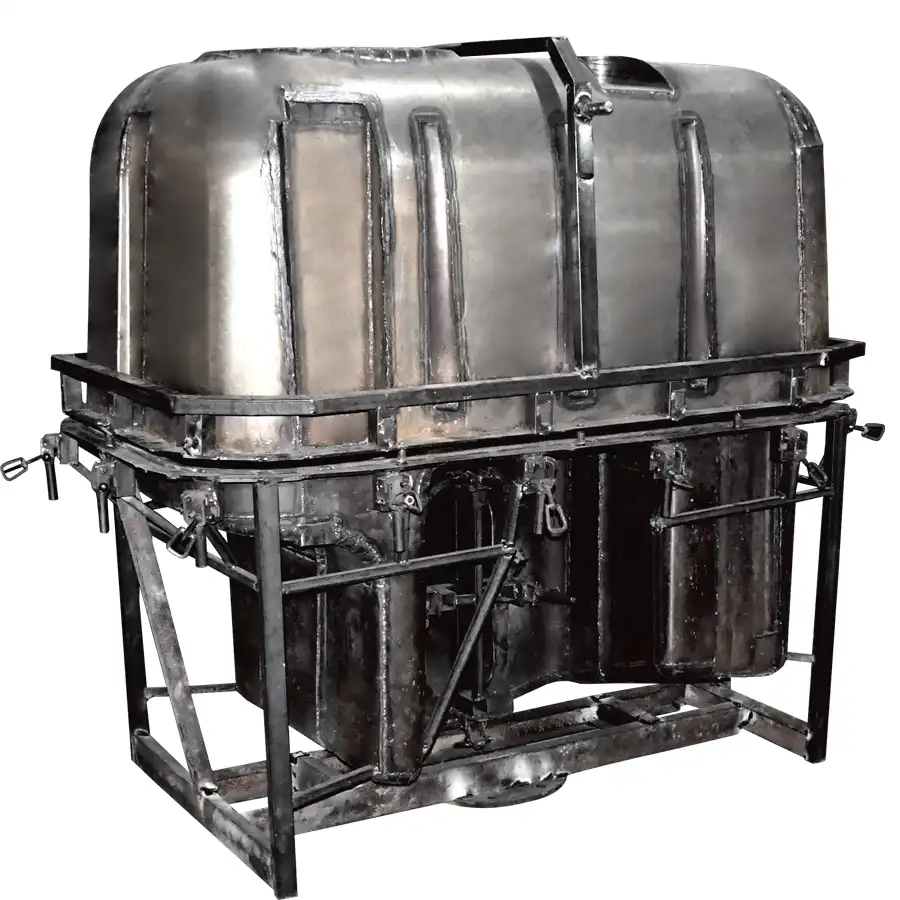
Sheet iron rotational molding
Sheet metal rotational molds are usually used to produce parts that are complex and have specific shapes, or where the quality of the final product is important to us; these molds require 3D modeling, aluminum casting, and ultimately CNC machining.
Rotational Molding Process
Sustainable Production with a Forward-Looking Vision
At Davaran Fydar Maham, we don’t just manufacture products; we create lasting solutions for a sustainable future. Every day, relying on technical expertise, advanced equipment, and a dedicated team, we carry out the rotational molding process with precision and professionalism. From raw material preparation to final assembly, join us as we introduce the 6 key steps of this process.
1. Preparation of Raw Materials
In the first step, polymer materials enter the process as granules. Using crusher and pulverizer, these materials are converted into fine powders, ready for molding. At this stage, colorants or special additives can also be added to enhance the final product’s properties.
2. Loading into the Mold
The polymer powder is accurately weighed and loaded into the mold. If there are components such as metal fittings in the product design, they are placed inside the mold simultaneously.
3. Heating and Rotation (Sintering)
The mold is heated while continuously rotating around two axes. This rotation and heating cause the material to melt and evenly distribute inside the mold, forming a uniform and durable layer.
4. Cooling
In this step, the heated mold is gradually cooled so that the material inside solidifies. Precise cooling ensures the correct shaping and the desired mechanical properties of the final product.
5. Demolding
After confirming the mold has completely cooled, it is opened and the finished part is carefully removed. Any sections like threads or projections are trimmed before this step.
6. Final Finishing and Assembly
In the last stage, the final product is machined using CNC machines or precise tools. Then assembly, quality control, testing, and final packaging are performed to deliver a flawless, ready-to-ship product.
Why Choose Rotational Molding with Davaran Fydar Maham?
Using high-quality materials such as polyethylene, polypropylene, nylon, and engineering foams, along with advanced machinery and precise molds, we have the capability to produce customized and specialized products tailored to each customer’s needs.
At Davaran Fydar Maham, we turn your ideas into reality through our expertise.
Get Started Now!
Contact us for consultation and custom product design.
Davaran Fydar Maham; from idea to execution, we are with you.