
Introduction
Polyethylene is produced by polymerizing ethylene. Depending on the catalyst type, comonomer, and molecular weight, it is divided into several families:
- High-Density Polyethylene (HDPE)
- Low-Density Polyethylene (LDPE)
- Linear Low-Density Polyethylene (LLDPE)
- Medium-Density Polyethylene (MDPE)
- Ultra-High Molecular Weight Polyethylene (UHMWPE)
- Cross-Linked Polyethylene (XLPE)
Among these, HDPE, LDPE, and LLDPE are the most widely used for plastic parts and rotational molding (rotomolding), while MDPE and UHMWPE are chosen for more specialized applications. XLPE, thanks to its cross-links, provides superior thermal and mechanical resistance and is suitable for parts operating under pressure or at elevated temperatures.

The Main PE Grades and Their Properties in Rotomolding
1) Low-Density Polyethylene (LDPE)
Description: LDPE contains random, long side branches that create a less regular structure, lowering crystallinity and density. The result is a softer, more flexible material, extensively used in packaging films, plastic bags, and wire coatings.
- Density: 0.917–0.930 g/cm³
- High flexibility
- Good impact resistance
- Excellent clarity
- Low melting point
2) Linear Low-Density Polyethylene (LLDPE)
Description: With an almost linear backbone and short branches, LLDPE offers higher resistance to stretch and puncture. It is ideal for stretch films, heavy-duty packaging, and protective covers.
- Density: 0.915–0.935 g/cm³
- Strong resistance to tensile stress and puncture
- Good weatherability
- Recyclable
3) Medium-Density Polyethylene (MDPE)
Description: MDPE sits between LDPE and HDPE in properties; it combines reasonable flexibility with good resistance to impact and chemicals. Typical uses include gas pipes and fittings, tough films, and parts that must perform at low temperatures.
- Density: 0.926–0.940 g/cm³
- Good impact and ESCR performance
- Sound chemical resistance
- Reliable low-temperature behavior
4) High-Density Polyethylene (HDPE)
Description: Due to fewer branches, HDPE exhibits stronger intermolecular forces and higher tensile strength. It resists chemicals and environmental stress cracking very well, though it is less flexible than LDPE/LLDPE. Common in bottles, water tanks, fittings, and robust industrial parts.
- Density: 0.941–0.965 g/cm³
- High strength under pressure and impact
- Excellent chemical resistance
- Better heat resistance than LDPE/LLDPE
5) Cross-Linked Polyethylene (XLPE)
Description: Cross-linking creates a stable 3-D network that dramatically increases thermal and mechanical performance. XLPE is suited to heat-resistant pipes, cable insulation, automotive parts, and industrial tanks under pressure.
- Density: not fixed (varies with cross-linking method and degree)
- Excellent high-temperature stability
- High chemical and impact resistance
- Suitable for pressure service
PE Grades Preferred for Tanks and Rotomolded Parts
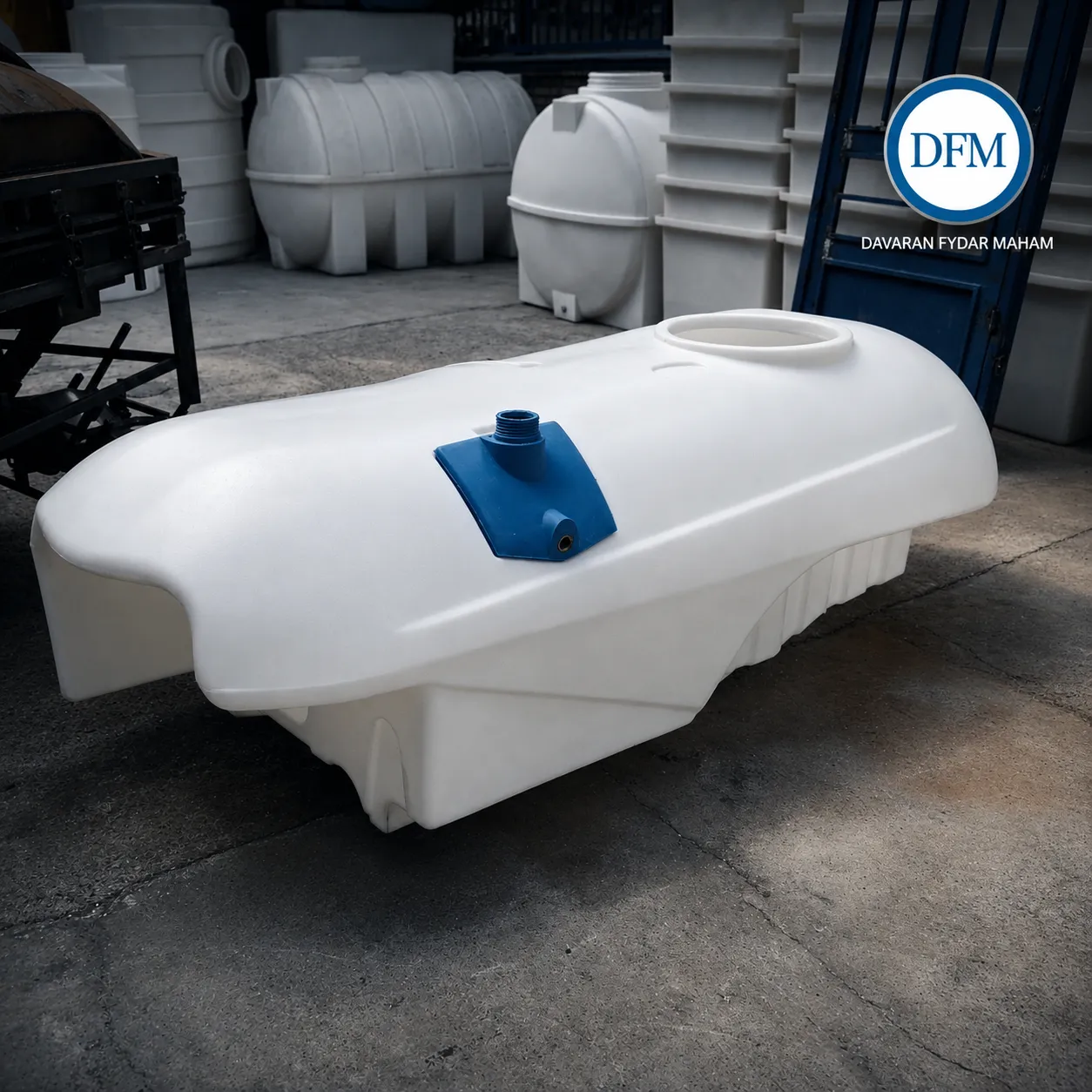
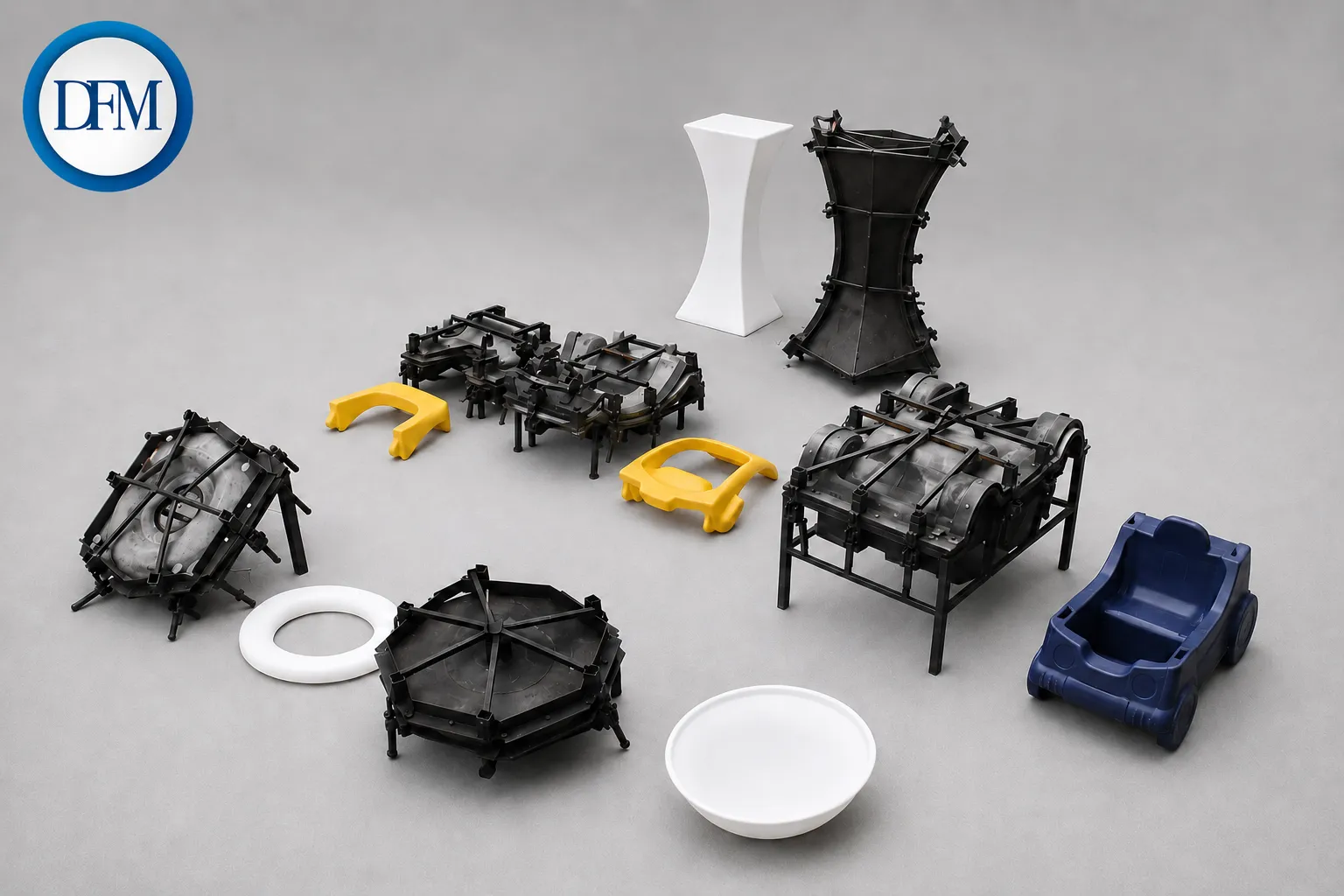
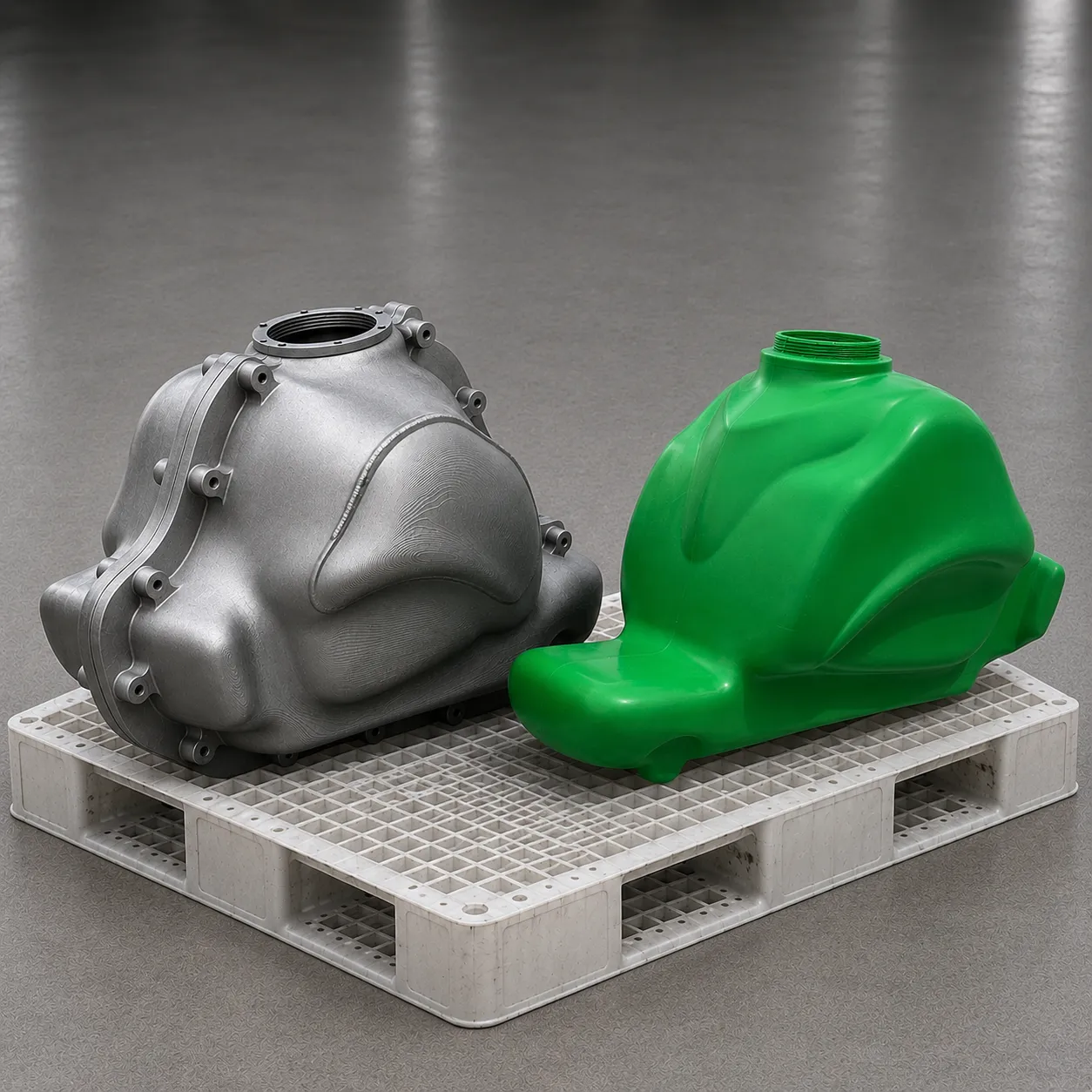
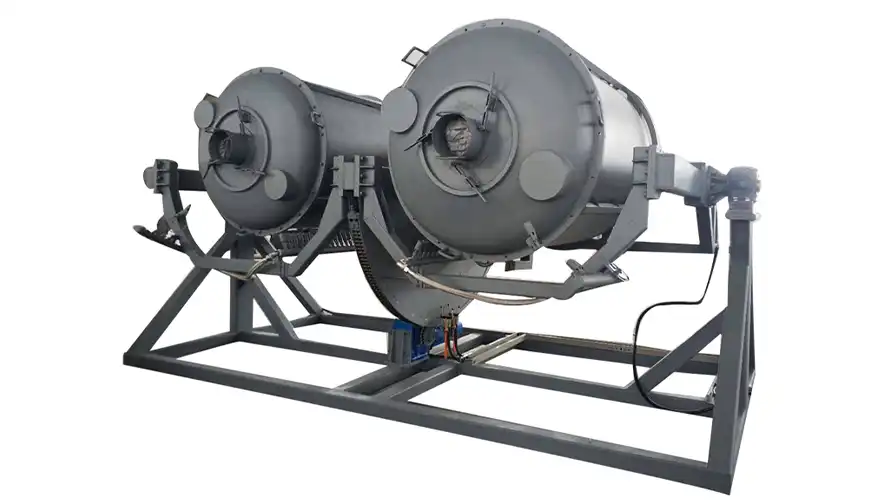
In rotomolding plants such as Davaran Fidar Maham (DFM), selecting the right PE grade is critical to quality, durability, and safety:
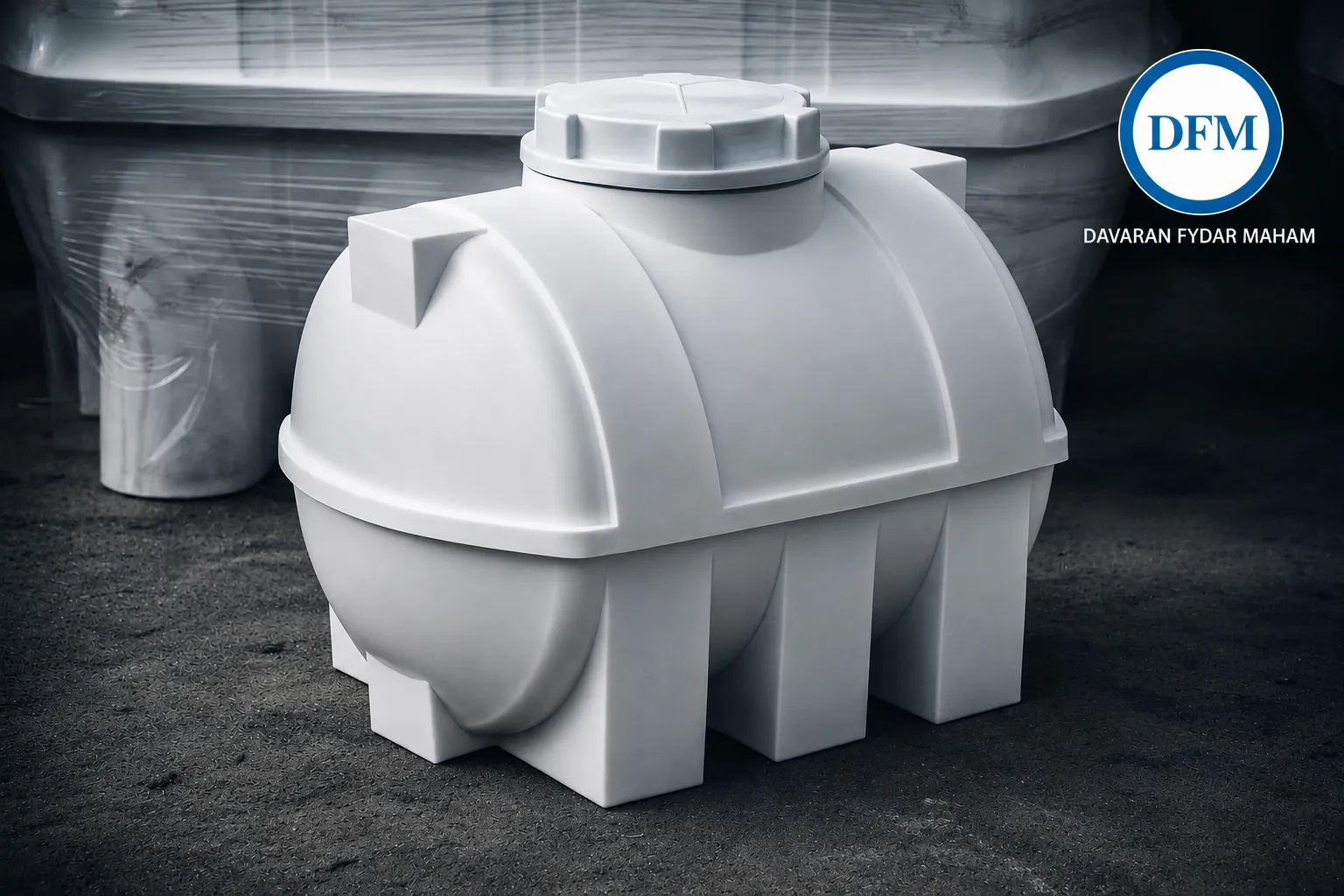
- HDPE: chemically resistant and tough—the primary choice for water tanks and heavy-duty industrial parts.
- LLDPE: outstanding stretch/puncture performance—ideal for flexible parts, liners, and protective applications.
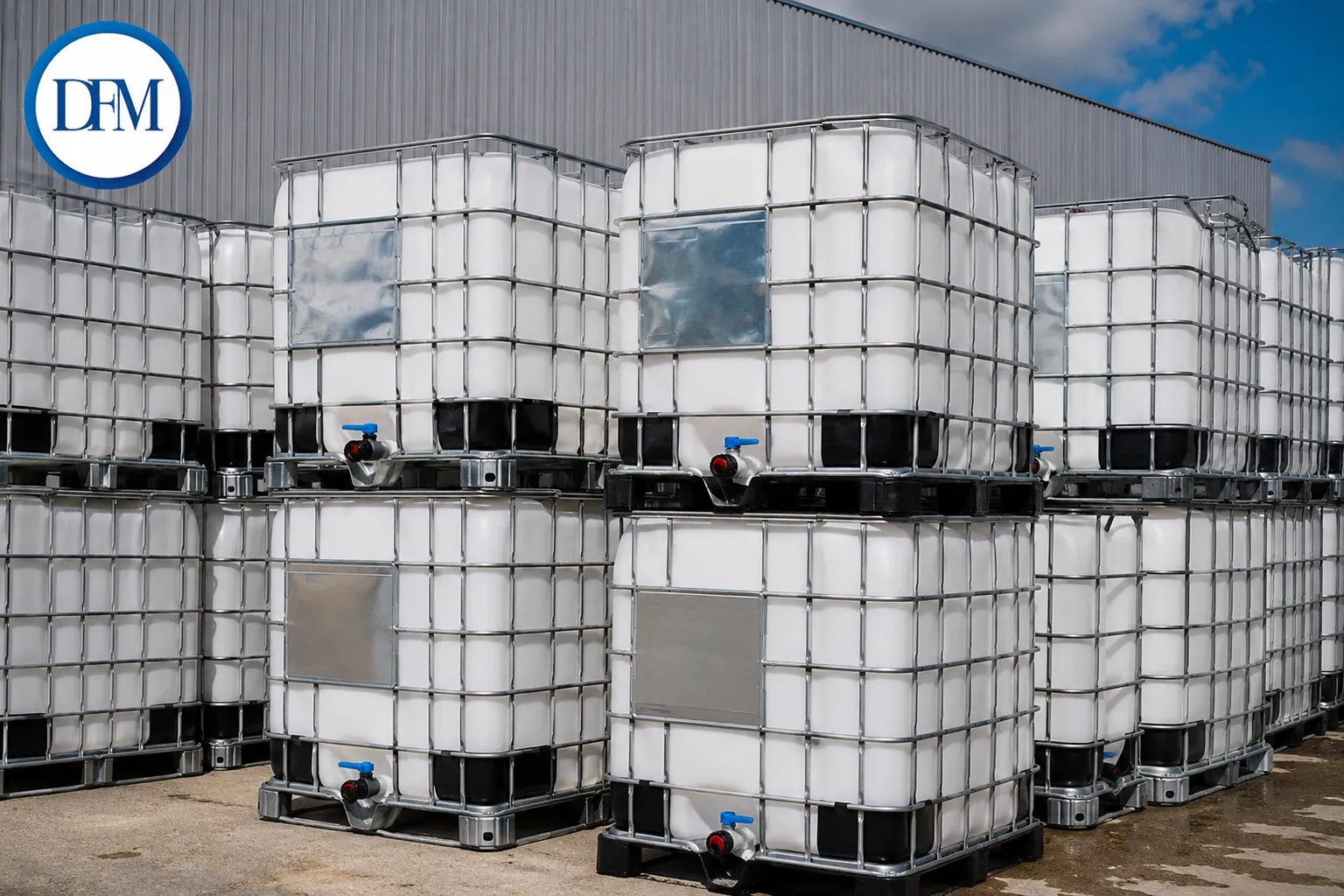
- XLPE: thanks to cross-links, the right option for pressurized tanks and high-temperature service.
On DFM rotomolding tank lines, HDPE and LLDPE are used most often, offering a balanced combination of strength and flexibility for tanks and structural parts.
| Property | LDPE | LLDPE | MDPE | HDPE | XLPE |
|---|---|---|---|---|---|
| Density (g/cm³) | 0.917–0.930 | 0.915–0.935 | 0.926–0.940 | 0.941–0.965 | — |
| Flexibility | High | Medium | Medium | Low | Low |
| Impact Resistance | High | High | Good | Excellent | Excellent |
| Chemical Resistance | Moderate | Good | Moderate | Excellent | Excellent |
| Typical Uses | Packaging, wire coatings | Stretch films, protective covers | Gas pipes, tough films | Bottles, pipes, tanks | Heat-resistant pipes, cables |

PE vs. PP Identification: A Practical Lab & Field Guide
Why it matters: Correctly distinguishing polyethylene (PE) from polypropylene (PP) is crucial for quality control, recycling, and raw-material selection. Although they can look similar, their thermo-physical behavior in standard tests is different. Below are key differences and three practical, safe ways to tell them apart—plus buying tips and price drivers for granules.
Safety Warning: Perform any thermal or flame tests only in a laboratory with proper safety equipment and under expert supervision. Do not attempt these at home or around non-professionals.
PE vs. PP at a Glance
Structure & properties: Both are thermoplastics with good chemical resistance. PP is typically stiffer and has a higher melting point than PE.
Applications: PE (LDPE/HDPE) in films, bottles, tanks; PP in automotive injection parts, appliances, and fibers.
Why differentiate: Wrong sorting leads to process faults (extrusion/injection), poorer mechanical properties, and higher scrap.
Standard Identification Methods
1) Flame Test — Lab Only
Method: Heat a small specimen in a fume hood using a nonflammable holder.
Behavior & odor:
- PE: yellow-blue flame, drips while melting, paraffin/wax-like odor.
- PP: similar flame, often a slightly sharper odor; melt drips more readily.
Note: Odors can be misleading; interpret only alongside other tests.
2) Melting Range Observation
Because of molecular weight distribution, melting occurs over a range:
LDPE: ~105–115 °C
HDPE: ~125–135 °C
PP (homopolymer): ~160–170 °C
Takeaway: PP softens and melts at notably higher temperatures than PE. For precision, use DSC to determine melting point and enthalpy.
3) Density Determination
Definition: ρ = M / V (g/cm³)—the purer the polymer, the closer to reference values.
Typical densities:
- LDPE: ~0.910–0.935 g/cm³
- HDPE: ~0.941–0.965 g/cm³
- PP: ~0.900–0.910 g/cm³
Quick conclusion: PP is usually less dense than LDPE and HDPE. Gradient-column density testing cleanly separates HDPE vs. PP.
Quick Field Checks (Screening Only)
- Float in water: LDPE/HDPE/PP generally float (ρ < 1) → not decisive.
- Relative stiffness/brittleness: PP feels stiffer/more brittle than LDPE; HDPE stiffer than LDPE.
- Film clarity: LDPE clearer; HDPE more opaque; PP can be quite clear in thin films.
- Crisp fold sound: PP films often “crinkle” louder than LDPE.
- Heat appearance: PP maintains shape better around 100–120 °C than LDPE.
Checklist summary: If a sample is stiffer and softens later under controlled heat, it’s likely PP; if softer and denser than PP (especially with higher chemical resistance), suspect PE—notably HDPE.
Buying PE & PP Granules
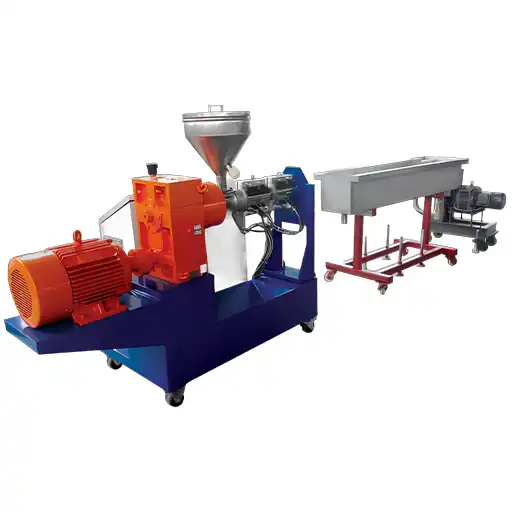
DFM supplies a wide range of PE and PP granules across many grades, with emphasis on quality, supply stability, and competitive pricing. For orders, stock checks, and technical advice, visit the “Daily Granule Prices” section of the website or contact the technical team. They’ll recommend the best grade for your process (film, injection, blow molding, fibers, rotomolding, etc.).
What Drives Granule Price?
- Quality & purity: ash %, moisture, contamination, color uniformity
- Grade (on-grade vs. off-grade): consistency of key metrics
- Melt Flow Index (MFI): match to your process window
- Color/masterbatch: natural, white, black, or custom colors
- Feedstock & supply chain: supply reliability and freight costs
- FX & market conditions: direct impact on the final price
Practical tip: When requesting quotes, always ask for the TDS and, if available, QC results (density, MFI, DSC) to ensure a precise fit with your production line.
Quick Reference: PE vs. PP
| Property | LDPE | HDPE | PP |
|---|---|---|---|
| Density (g/cm³) | 0.910–0.935 | 0.941–0.965 | 0.900–0.910 |
| Approx. Melting Point (°C) | 105–115 | 125–135 | 160–170 |
| Flexibility | High | Medium-to-Low | Medium |
| Film Clarity | Good | Low | Good |
| Signature Use | Films & packaging | Bottles & tanks | Injection parts / fibers |
Conclusion
Selecting the right polyethylene grade for rotomolding depends on application requirements. In general:
- HDPE is preferred for strength and chemical resistance.
- LLDPE shines where stretch and puncture resistance matter.
- LDPE is chosen for higher flexibility.
- For pressure service or high-temperature duty, XLPE has clear advantages.