
Rotational Molding
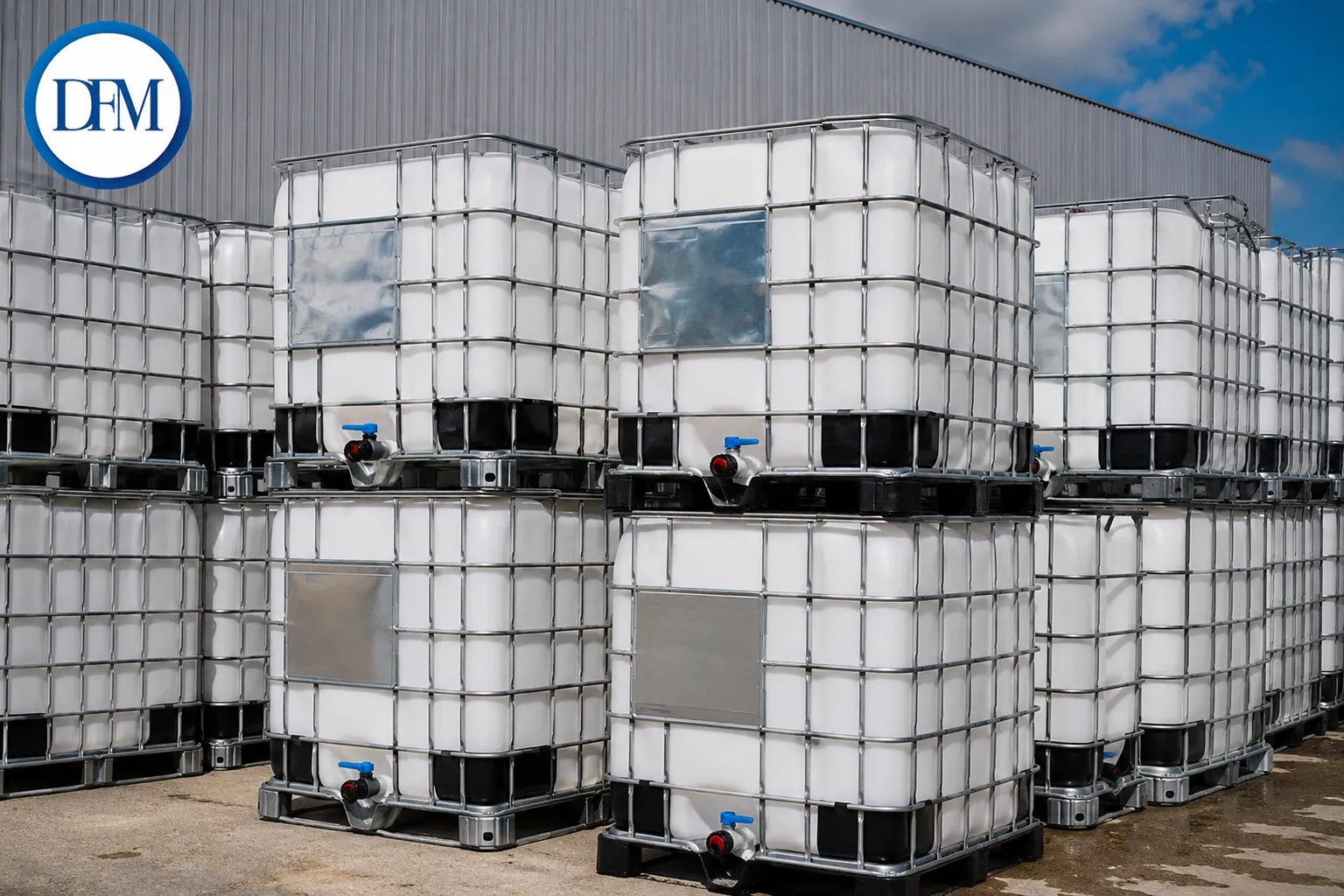
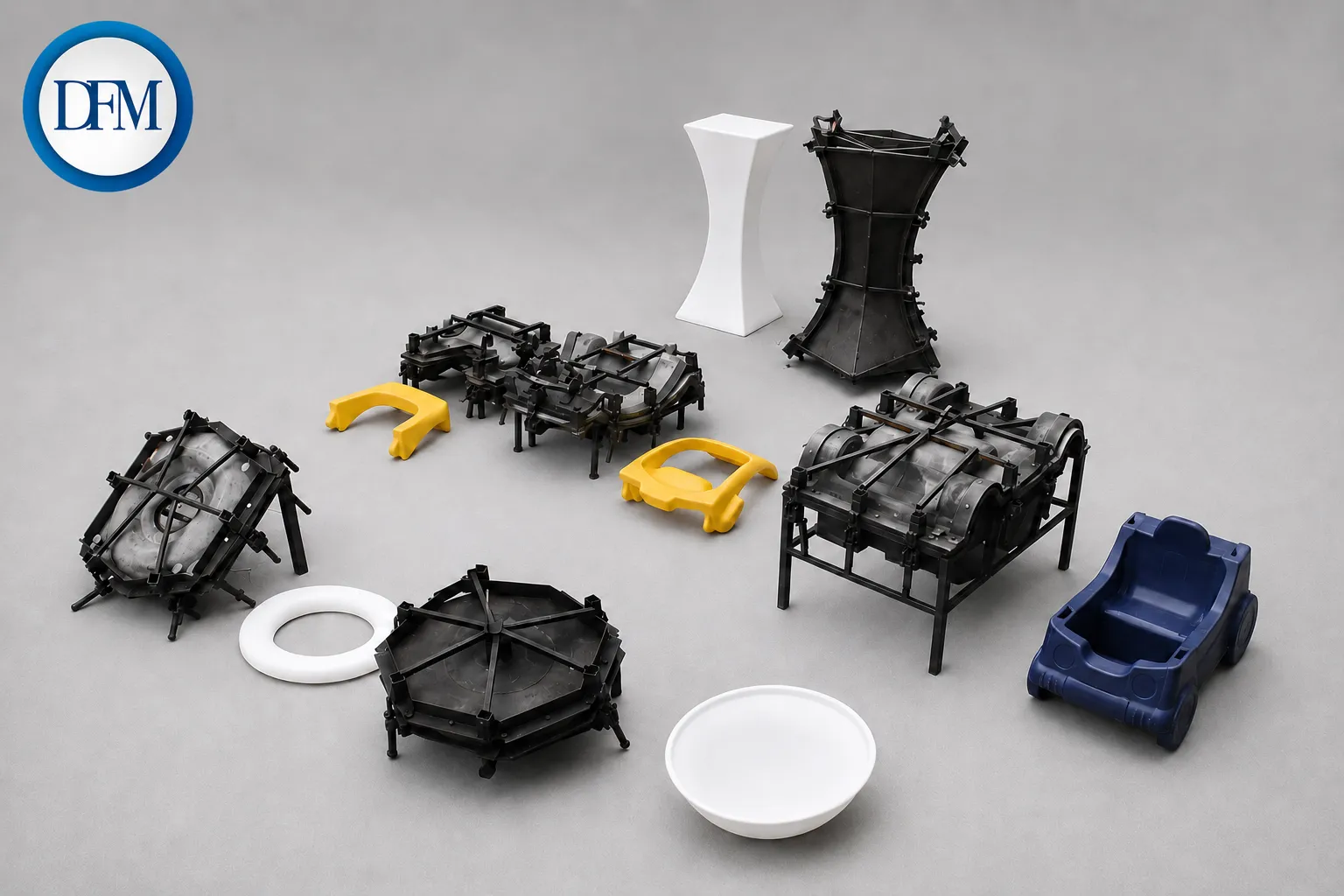
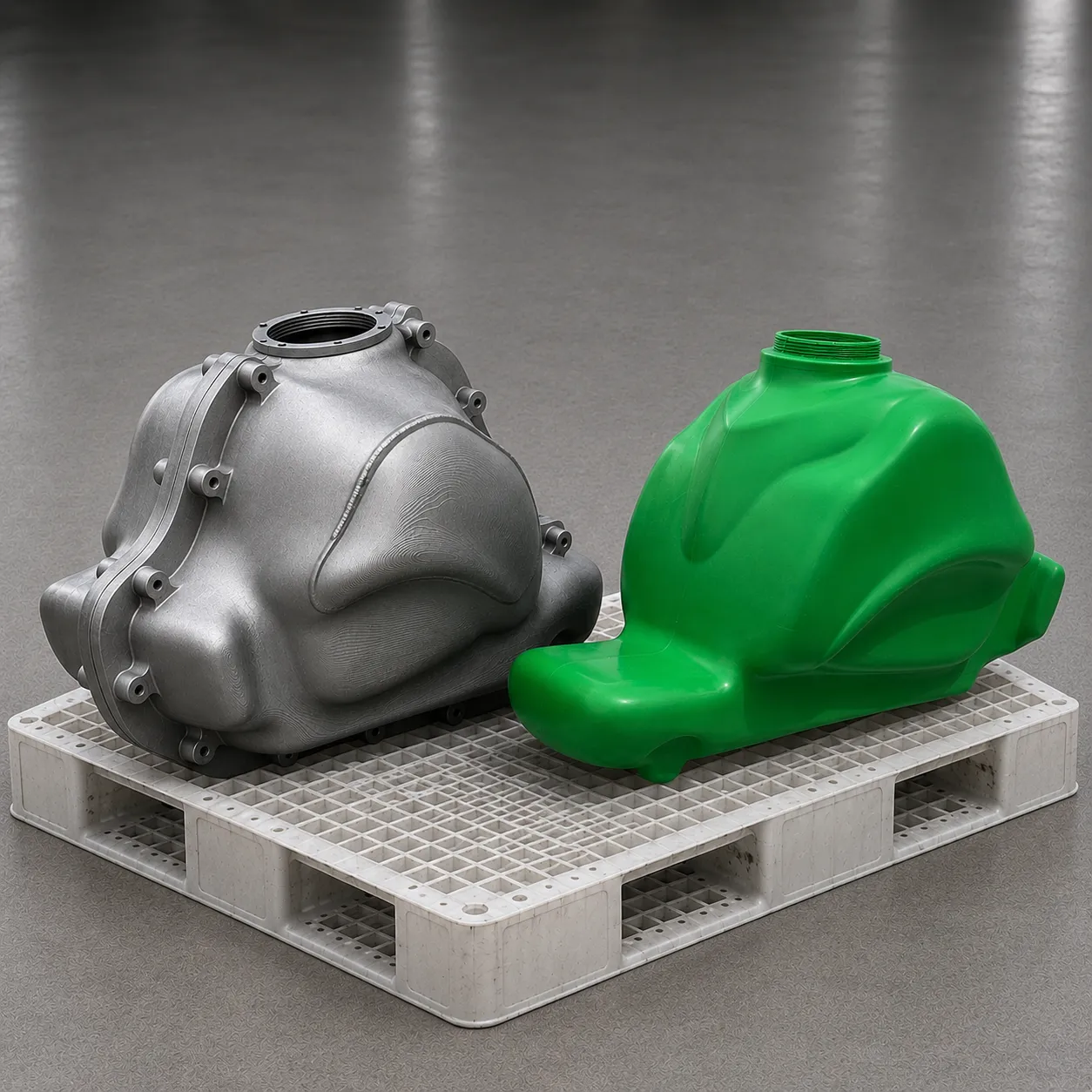
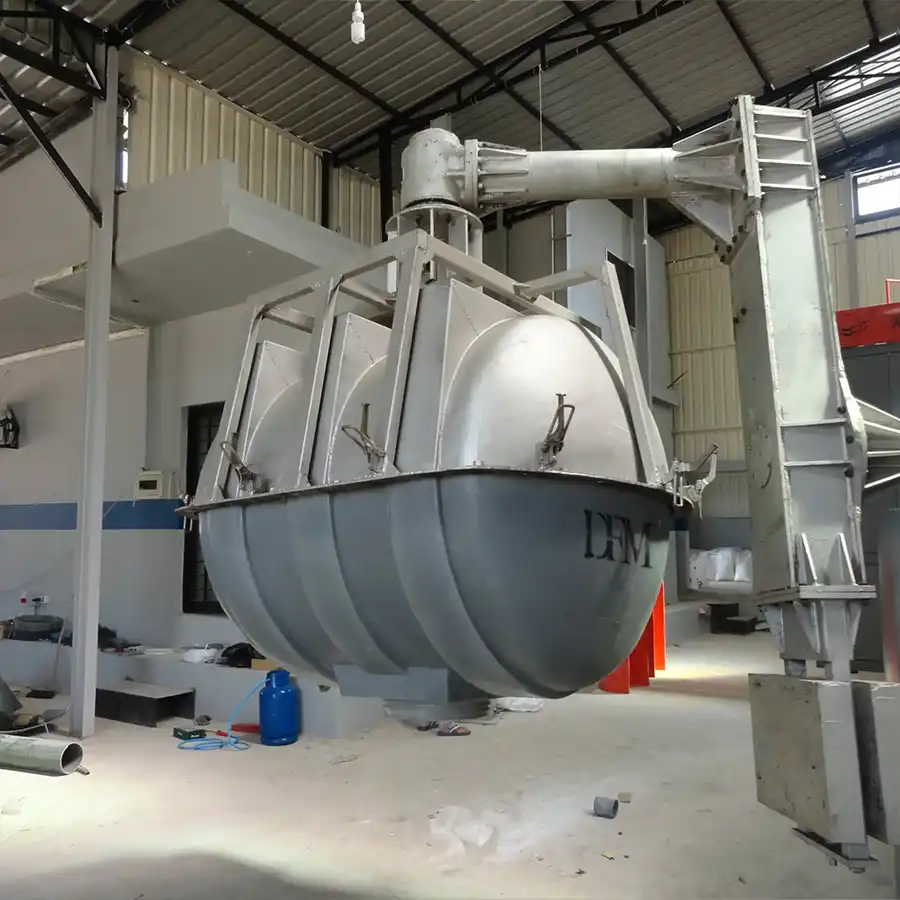
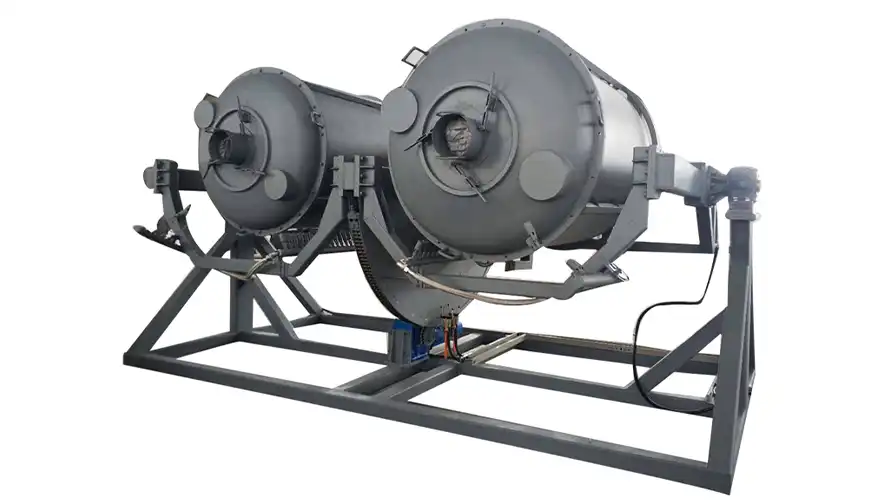
Rotational molding (Rotational Molding) is one of the economical and advanced methods in the polymer industry for producing large, hollow, and seamless parts. Alongside the production process, rotomold mold maintenance is of particular importance, as the optimal performance of this method depends on the health and quality of the molds. In this method, plastic powder (mostly polyethylene) is poured into a metal mold, the mold is mounted on a biaxial arm, and heated to 200 to 270°C. With the mold rotating on two axes, the material melts evenly and sticks to the walls. After curing, the cooled part is removed from the mold and prepared for use.
The Importance of Rotomold Mold Maintenance
Proper maintenance of parts produced by the rotomold method plays an important role in preserving quality and extending their lifespan:
- Sunlight degradation: UV rays can dry out and crack the surface. Using UV-resistant pigments and additives helps reduce this damage.
- Reduced mechanical strength: Heat, light, and moisture over time reduce the part’s strength. Storage in a roofed or shaded area is essential.
- Cracking and stress: Sudden temperature changes or excessive loading can cause cracking. Using high ESCR materials and avoiding impact helps protect the parts.
Guide to Rotomold Mold Maintenance
-
Daily maintenance of molds:
- Cleaning after each shift: Clean the mold surface with a dry, soft cloth to remove any leftover powder or soot.
- Check fasteners and locks: Ensure all screws are tight and seals are intact.
- Lubricate moving parts: Regularly lubricate hinges and sliders to prevent jamming and wear.
-
Periodic maintenance:
- Monthly structural inspection: Check and repair surface cracks, warping, or corrosion as needed.
- Seal testing: Inspect seals and gaskets to avoid leaks during rotation.
- Internal cleaning: Remove burnt or unmelted material residue to maintain part quality.
-
Annual and long-term maintenance:
- Refurbishing worn molds: If production quality drops, repair, flatten, or polish the molds.
- Proper storage conditions: Store molds in a dry environment, with stable temperature and away from direct sunlight.
-
Safety and management tips:
- Equipment must be off during service: Always secure the system before any adjustments or repairs.
- Staff training: Operators must be trained in the correct opening, closing, and servicing methods.
- Maintenance documentation: Record all cleaning, repairs, and issues for better tracking and future planning.
Conclusion
In the rotational molding process, the final product’s quality depends not only on raw materials and machine settings but also on proper mold and part maintenance. Strict adherence to technical guidelines, regular cleaning, scheduled inspections, and proper staff training not only extend the life of molds and products but also prevent unexpected breakdowns, quality loss, and production line stoppages. In the end, investment in maintenance means cost savings and guarantees high efficiency and sustainability in the production system.