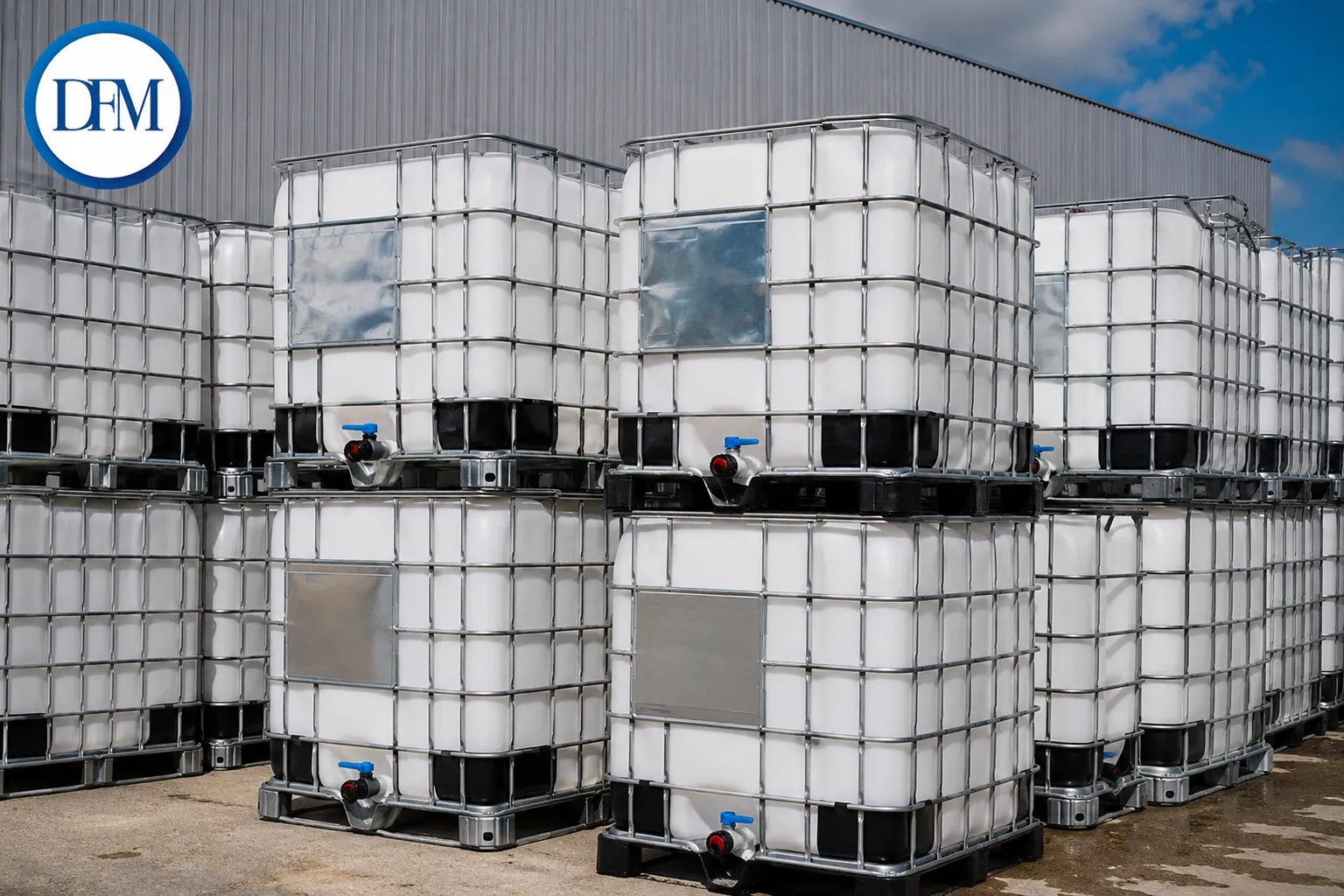
Why Are IBC Tanks Transforming the Future of Industrial Liquid Storage?
In the chemical, food processing, pharmaceutical, agricultural, and petrochemical industries, selecting a safe, cost-effective, and standards-compliant solution for the storage and transportation of liquids is of paramount importance. Among the available options, the Intermediate Bulk Container (IBC) has become one of the most widely used systems for bulk liquid handling.
Thanks to their optimized storage capacity, ease of handling, reduced floor space requirements compared with conventional drums, and reusability, IBC tanks have become the global standard for industrial liquid storage and transportation. Today, manufacturers, chemical logistics companies, and food processing facilities rely extensively on IBC tanks for storing and transporting a wide variety of products.
?However, are all IBC tanks the sameWhat are the differences between blow-molded and rotationally molded (rotomolded) IBC tanks? Which types of liquids can be safely stored in these containers? And how can an IBC .tank manufacturing line be establishedThis article answers all of these questions
What Is an IBC Tank?
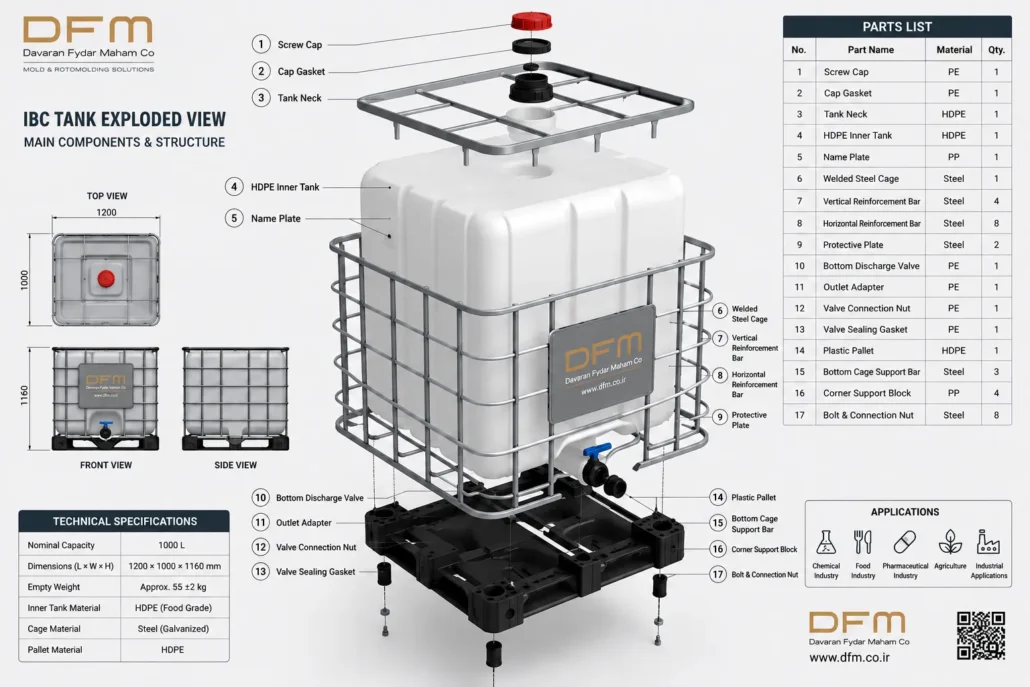
An Intermediate Bulk Container (IBC) is a medium-capacity industrial container typically manufactured in 500 L, 800 L, 1,000 L, and 1,250 L capacities. A standard IBC consists of a plastic inner tank enclosed within a protective galvanized steel cage and mounted on a steel, plastic, or composite pallet.
Its cubic geometry allows significantly more efficient utilization of warehouse space, shipping containers, and transport vehicles compared with conventional cylindrical tanks or industrial drums.
Why Have IBC Tanks Replaced Traditional Drums?
Until approximately two decades ago, most industrial liquids were transported and stored in steel or plastic drums. Although drums continue to serve specific applications, increasing production volumes and growing pressure to reduce logistics costs have led IBC tanks to replace a substantial portion of the traditional drum market.
The primary reason is improved supply chain efficiency. A single 1,000-liter IBC tank can store a large volume of product while occupying considerably less space than an equivalent number of drums. In addition, the cubic design enables optimal utilization of warehouse storage, shipping containers, and truck cargo space.
Furthermore, IBC tanks reduce loading and unloading costs while minimizing product handling operations throughout the logistics process. Consequently, industries such as chemicals, food processing, pharmaceuticals, and agriculture have increasingly adopted IBC tanks as their preferred bulk liquid packaging solution.
Today, IBC tanks are recognized worldwide as the industry standard for transporting and storing liquid and semi-liquid materials. Millions of units are manufactured and deployed globally each year across a broad range of industrial applications.
Applications of IBC Tanks Across Different Industries
The widespread adoption of Intermediate Bulk Containers (IBCs) is primarily driven by their versatility across a broad range of industrial sectors.
Chemical Industry
IBC tanks are extensively used for storing and transporting:
- Acids
- Alkalis
- Solvents
- Resins
- Industrial additives
- Detergent chemicals
Food & Beverage Industry
Typical applications include:
- Edible oils
- Syrups
- Fruit concentrates
- Glucose syrup
- Molasses
- Drinking water
Agriculture
IBC tanks are widely utilized for:
- Liquid fertilizers
- Crop protection chemicals (pesticides)
- Plant nutrient solutions
Pharmaceutical & Cosmetic Industries
Suitable for handling:
- Pharmaceutical raw materials
- Industrial alcohols
- Essential oils and fragrances
- Personal care and hygiene ingredients
Oil, Gas & Petrochemical Industries
Commonly used for storing:
- Lubricants
- Industrial oils
- Fuel additives
- Process chemicals
What Liquids Can Be Stored in an IBC Tank?
One of the greatest advantages of IBC tanks is their compatibility with a wide variety of liquid products.
Depending on the tank design and material specification, they can safely store:
- Water
- Edible oils
- Corrosive chemicals
- Acids and alkalis
- Liquid food products
- Alcohols
- Liquid fertilizers
- Resins
- Paints and coatings
- Industrial solvents
The selection of polymer grade, wall thickness, number of layers, and manufacturing standards should always be based on the chemical properties and service requirements of the stored material.
Main Components of an IBC Tank
A standard IBC tank consists of the following components:
Inner Tank
Typically manufactured from High-Density Polyethylene (HDPE), providing excellent chemical resistance, impact strength, and long service life.
Protective Steel Cage
A galvanized steel cage surrounds the plastic container to protect it against mechanical impacts during transportation and handling.
Pallet Base
The pallet enables safe handling using forklifts and other material handling equipment. Depending on the application, it may be manufactured from steel, plastic, or composite materials.
Bottom Discharge Valve
Designed for controlled and efficient discharge of the stored liquid.
Top Filling Cap
Provides easy filling, inspection, and maintenance access to the inner tank.
Raw Materials Used in IBC Tank Manufacturing
Raw material quality is one of the key factors determining the service life, mechanical performance, and chemical compatibility of an IBC tank.
The inner container is generally manufactured from High-Density Polyethylene (HDPE) due to its:
- Excellent chemical resistance
- High impact strength
- Low weight
- Recyclability
- Long-term durability
For specialized applications, additional materials and additives may be incorporated.
UV Stabilizers
Protect the polymer against ultraviolet degradation during outdoor storage.
Color Masterbatches
Provide light-blocking properties while improving product identification and appearance.
Antistatic Additives
Reduce electrostatic charge accumulation when storing flammable or electrostatically sensitive materials.
Barrier Layers
Multilayer IBC tanks may incorporate specialized barrier resins to significantly reduce the permeation of gases, vapors, or volatile chemicals.
Selecting the appropriate material formulation not only improves product quality but also expands the range of industrial applications.
Blow Molding vs. Rotational Molding for IBC Tank Manufacturing
One of the most important considerations in IBC production is selecting the appropriate manufacturing technology.
Blow-Molded IBC Tanks
In the blow molding process, a molten plastic parison is extruded into a mold and inflated with compressed air until it conforms to the mold cavity.
Advantages
- High production speed
- Ideal for mass production
- Lower product weight
Limitations
- Reduced design flexibility
- Limited capability for certain multilayer structures
- Higher capital investment in production equipment
Rotationally Molded IBC Tanks
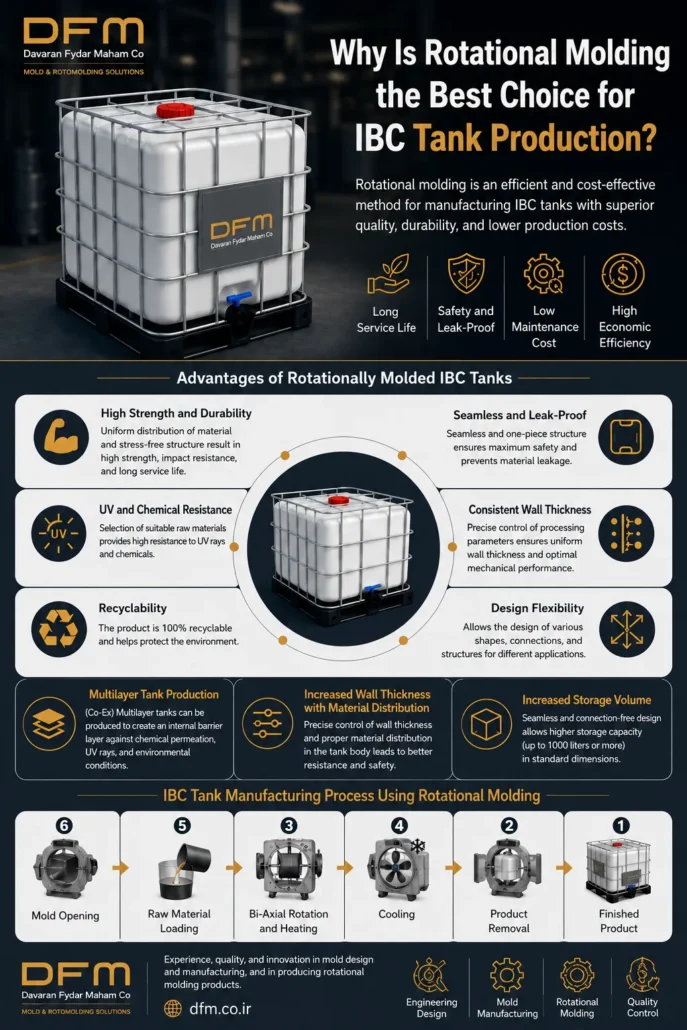
In Rotational Molding (Rotomolding), polyethylene powder is placed inside a hollow mold that rotates simultaneously around two perpendicular axes while being heated. As the polymer melts, it forms a uniform layer along the interior surface of the mold.
Advantages
- Highly uniform wall thickness
- Extremely low residual stresses
- Outstanding impact resistance
- Capability to manufacture large hollow parts
- Exceptional design flexibility
- Easy production of multilayer tanks
These advantages make rotational molding an attractive solution for manufacturing large-capacity industrial storage tanks.
The Major Advantage of Rotational Molding: Multilayer IBC Tanks
One of the most significant benefits of rotational molding is its ability to produce multilayer tanks.
Why Are Multilayer Tanks Important?
Many chemicals, pharmaceuticals, and food products are sensitive to sunlight and ultraviolet radiation. Exposure to UV light may alter their chemical composition, reduce product quality, or shorten shelf life.
To address these challenges, rotational molding enables the production of:
- Two-layer tanks
- Three-layer tanks
- Four-layer tanks
Benefits of Multilayer Construction
- Superior light barrier properties
- Enhanced UV resistance
- Extended service life
- Improved protection of stored materials
- Better overall mechanical performance
These characteristics are especially valuable in the chemical and food processing industries.
Key Standards for IBC Tank Manufacturing
Compliance with international standards is essential for manufacturers serving global markets.
Among the most important standards are:
- UN Certification
- ADR
- IMDG Code
- FDA (for food-contact applications)
- ISO 9001
- ISO 16106
Adherence to these standards ensures product quality, operational safety, and regulatory compliance.
Establishing an IBC Tank Production Line
The growing global demand for IBC tanks has made their production an attractive investment opportunity.
A professional manufacturing line typically includes the following equipment:
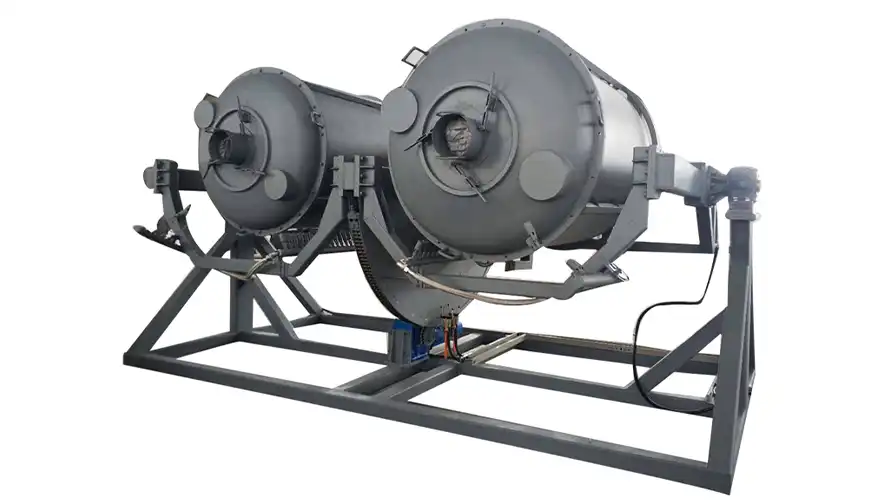
Rotational Molding Machine
The core production system responsible for forming the tank body through the rotomolding process.
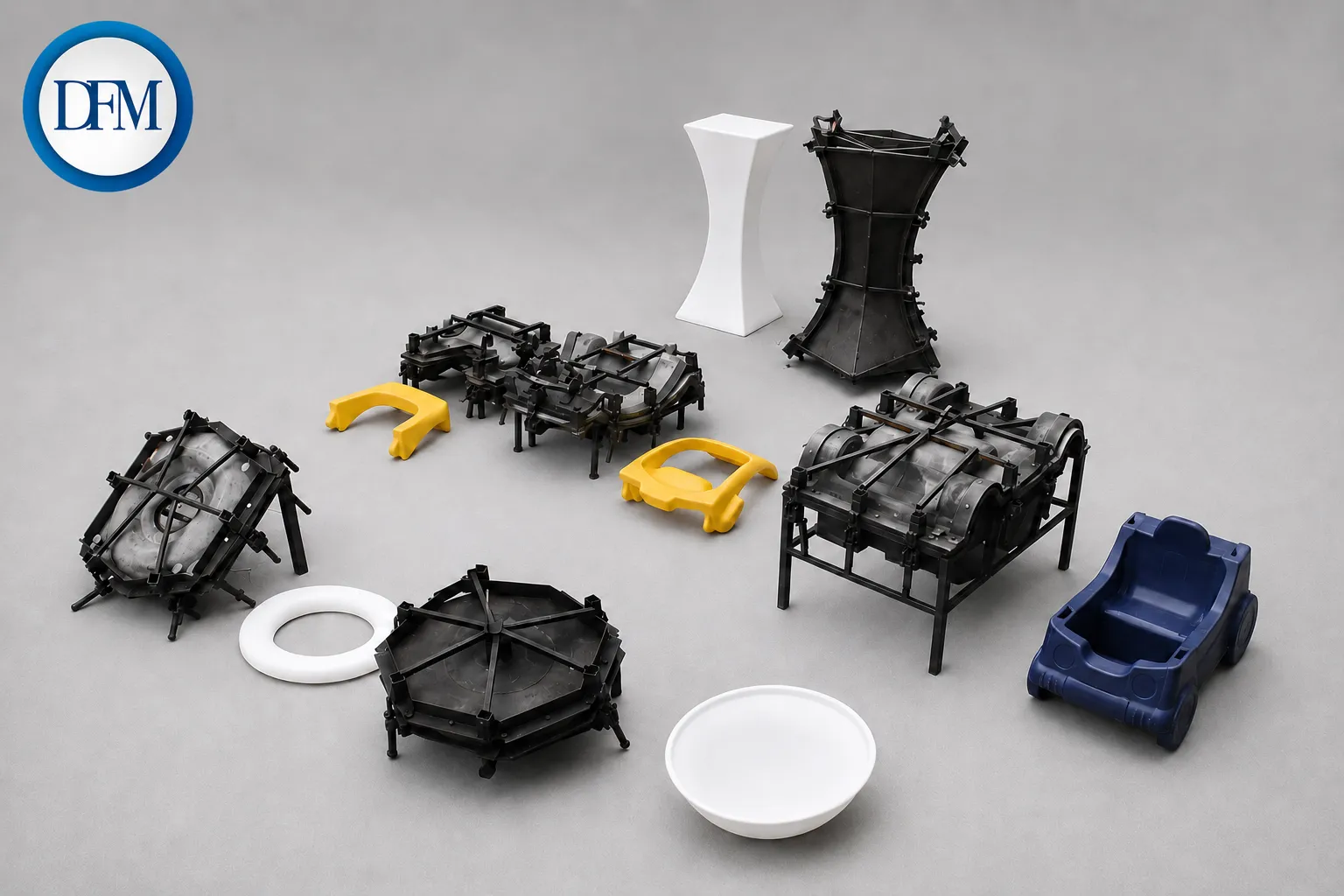
IBC Tank Mold
A precision-engineered mold directly influences wall thickness consistency, dimensional accuracy, and overall product quality.
Polyethylene Pulverizer
Used to convert polyethylene pellets into fine powder suitable for rotational molding.
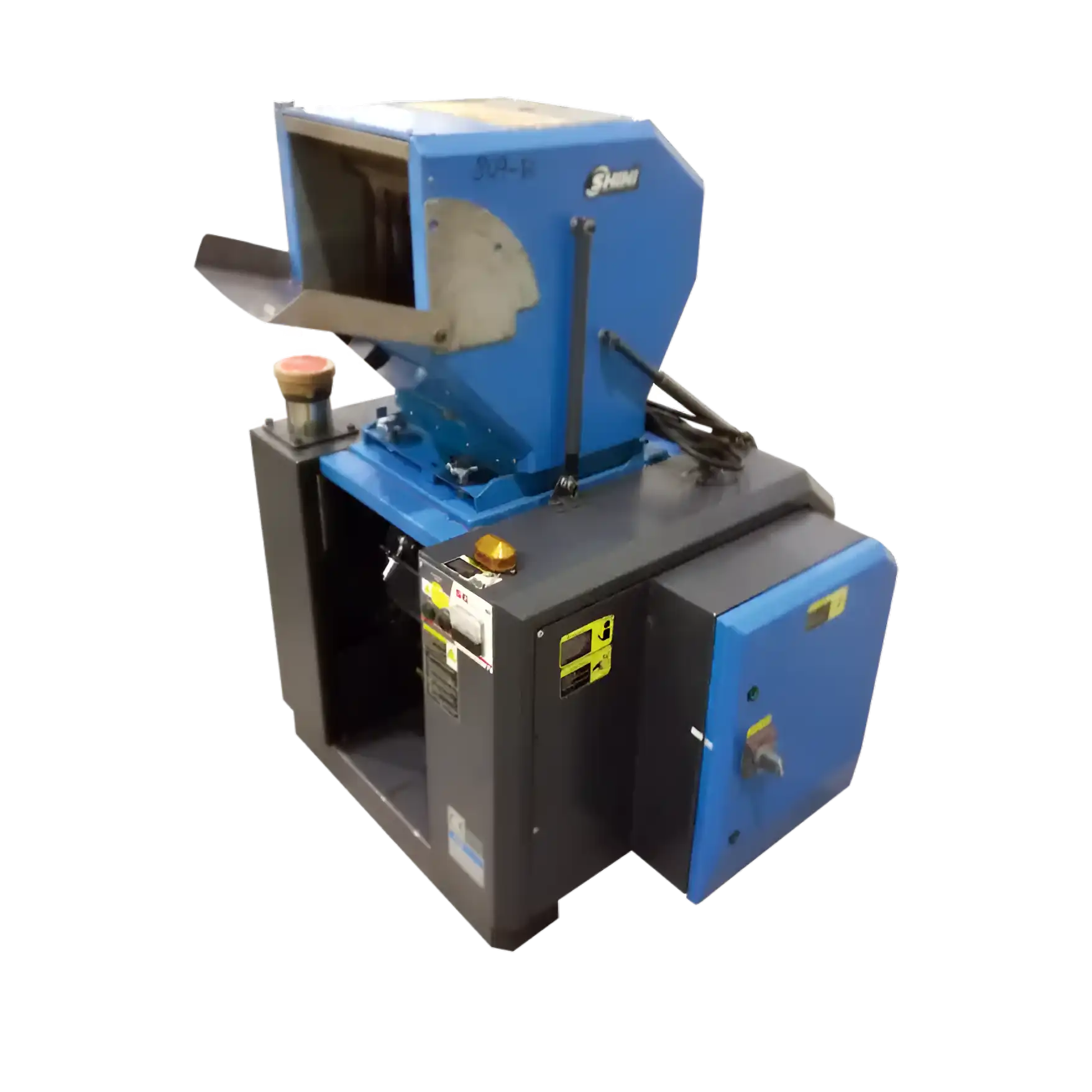
Plastic Shredder
Processes production scrap for recycling and material recovery.
Cooling System
Provides controlled cooling to ensure dimensional stability and consistent product quality.
Quality Control Equipment
Used to inspect wall thickness, impact resistance, leak tightness, dimensional accuracy, and compliance with international standards.
The Importance of IBC Tank Mold Design and Manufacturing
Many manufacturers focus primarily on selecting the molding machine; however, the mold itself has an equally significant impact on the final product quality.
A professionally engineered rotational mold should provide:
- Uniform heat transfer
- Easy demolding
- Consistent wall thickness
- Long operational life
- Full compatibility with multilayer molding processes
For this reason, selecting an experienced mold manufacturer is one of the most critical investment decisions when establishing an IBC tank production facility.
Economic Benefits of Investing in IBC Tank Manufacturing
The continued growth of the chemical, food processing, agricultural, and liquid export industries has significantly increased global demand for Intermediate Bulk Containers (IBCs). As a result, manufacturing IBC tanks has become an attractive investment opportunity in many countries.
One of the industry’s greatest advantages is its broad customer base. Unlike many plastic products that serve a single market segment, IBC tanks are used across numerous industries, providing manufacturers with a diversified market and reducing investment risk.
Furthermore, the ability to produce customized solutions—including multilayer tanks, chemically resistant containers, and application-specific designs—creates additional value and improves profit margins.
Export Opportunities
Neighboring markets such as Iraq, Afghanistan, Central Asian countries, and several Gulf states represent significant consumers of industrial storage containers. Manufacturers capable of producing high-quality IBC tanks that comply with international standards are well positioned to expand into these export markets.
Expanding the Product Portfolio
Manufacturers producing IBC tanks can typically leverage the same production equipment and technical expertise to manufacture a variety of other rotationally molded products, including:
- Water storage tanks
- Septic tanks
- Chemical storage tanks
- Agricultural tanks
- Fuel storage tanks
This production flexibility enables companies to diversify their product portfolio and maximize the return on their manufacturing investment.
For these reasons, many investors in the polymer processing industry consider IBC tank production one of the fastest-growing market segments within the rotational molding industry.
Davaran Fydar Maham’s Solutions for IBC Tank Manufacturing
Leveraging extensive expertise in rotational molding technology, Davaran Fydar Maham provides comprehensive turnkey solutions for establishing industrial tank production facilities.
Our services include:
- Complete IBC tank production line design and implementation
- Manufacturing process engineering
- Custom IBC mold design and fabrication
- Rotational molding machine manufacturing
- Multilayer molding system design
- Raw material selection and technical consultation
- Production line commissioning and operator training
- Technical support and product development services
Our experience in designing rotomolding equipment and precision-engineered molds enables us to deliver customized manufacturing solutions tailored to each customer’s production requirements.
The Future of the IBC Tank Market
As the chemical, food processing, and logistics industries continue to expand worldwide, demand for IBC tanks is expected to grow steadily.
Several key factors are driving this trend, including:
- Increased demand for the safe transportation of liquids
- Lower packaging and logistics costs
- Reusability and sustainability
- Growth in international chemical exports
- Continued expansion of the agricultural and food industries
These advantages have established IBC tanks as one of the world’s most important solutions for industrial liquid storage and transportation.
Conclusion
Today, Intermediate Bulk Containers (IBCs) have become one of the most essential solutions for the storage and transportation of liquids across a wide range of industries. Their ability to safely contain diverse materials, standardized design, efficient logistics, and long service life have secured their position as a global industrial standard.
While blow molding remains a widely used manufacturing process, rotational molding (rotomolding) has emerged as a highly competitive alternative due to its ability to produce multilayer tanks, superior impact resistance, low residual stress, and exceptional design flexibility.
As global demand for high-performance industrial storage solutions continues to increase, investing in IBC tank production lines, advanced rotomolding technologies, and precision-engineered molds represents a valuable opportunity for companies operating in the polymer processing and rotational molding industries.