The Impact of Mold Rotation Speed on the Final Quality of Rotational Molding Products
Introduction
One of the most important factors influencing the final product quality in rotational molding is the mold rotation speed. This factor directly affects surface characteristics, strength, uniformity, and wall thickness. Therefore, controlling and optimizing mold rotation speed plays a vital role in improving the quality of final products such as plastic tanks and other molded items.
This article explores the impact of mold rotation speed on various product properties and how it can be effectively controlled.
The Effect of Mold Rotation Speed on Surface Quality
Mold rotation speed is a key factor in determining surface quality. As the speed increases, molten polymer distributes more quickly, resulting in smoother surfaces. However, excessively high speeds may cause irregularities, particularly in areas far from the mold center where material flow is weaker. Hence, precise control of mold rotation speed is crucial for achieving high-quality surfaces.
The Effect of Mold Rotation Speed on Product Uniformity
Achieving uniform wall thickness is one of the main challenges in rotational molding. Mold rotation speed directly affects how evenly molten material spreads inside the mold. Higher speeds can enhance distribution uniformity, but exceeding the optimal threshold may cause thinner walls or defects in specific regions. Therefore, controlling rotation speed is essential for maintaining desired uniformity.
The Effect of Mold Rotation Speed on Strength and Durability
The strength and durability of the final product also depend on mold rotation speed. Higher speeds can increase wall pressure, thereby improving strength. However, excessively high speeds may lead to improper material distribution, creating weak spots. In general, precise control of mold rotation speed is critical for ensuring product strength and durability.
The Effect of Mold Rotation Speed on Wall Thickness
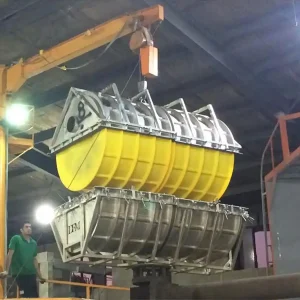
Wall thickness control is a crucial aspect of rotational molding. Mold rotation speed influences how materials distribute and form the walls. At lower speeds, materials may not distribute evenly, leading to thicker walls in some areas. Conversely, excessively high speeds may cause thin walls. Thus, controlling mold rotation speed is essential for achieving proper and uniform wall thickness.
Mold Rotation and Thermal Stress
Mold rotation speed can also affect thermal stress during the process. Very high speeds may lead to uneven heat distribution within the material, causing thermal stress and structural defects in the final product. For this reason, careful control of mold rotation speed is necessary to prevent thermal stresses.
Optimizing Mold Rotation Speed for Final Product Quality
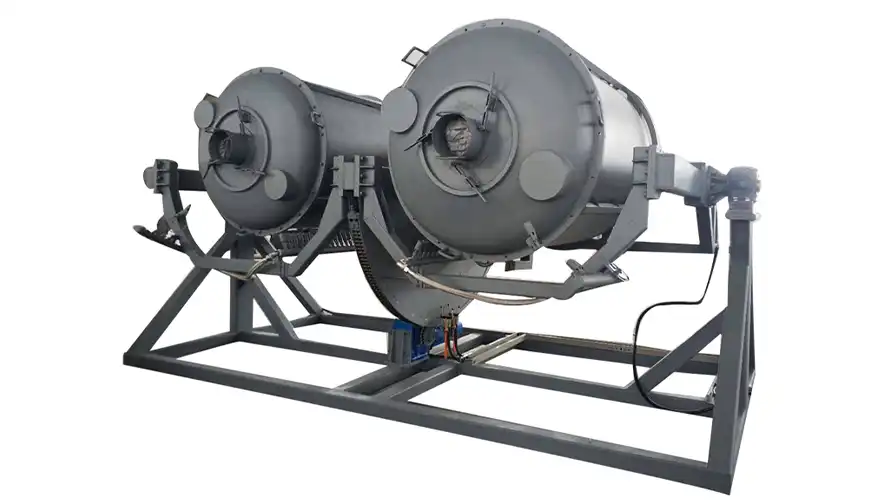
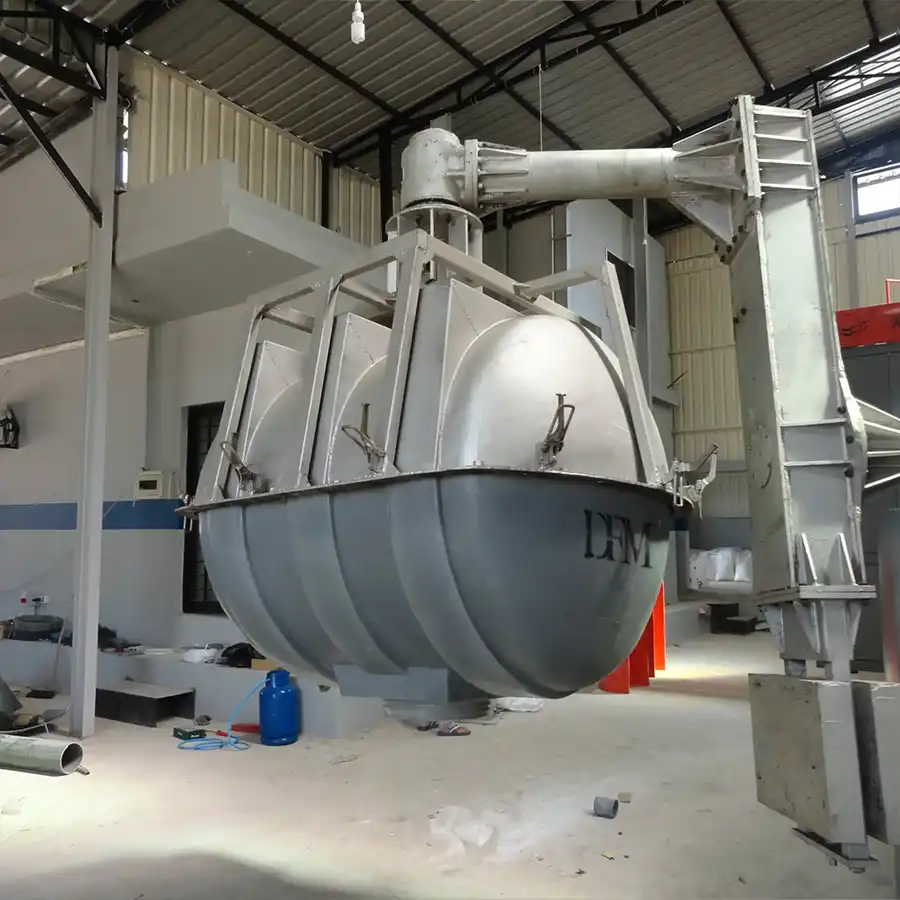
In Davaran Fidar Maham’s shuttle production line, mold rotation speed is precisely controlled using an electrical control panel equipped with an inverter, PLC, and intelligent software that manages arm rotation speed. This optimization ensures appropriate wall thickness and directly improves final product quality. For more details about the shuttle production line and its role in enhancing product quality, you can refer to the dedicated page on Davaran Fidar Maham’s official site.
Conclusion
Mold rotation speed is one of the key factors in the rotational molding process, with a direct impact on the quality and properties of the final product. By carefully controlling and optimizing rotation speed, manufacturers can achieve high-quality outcomes while avoiding issues such as wall thickness irregularities, reduced strength, and increased defects.
Companies such as Davaran Fidar Maham leverage advanced equipment to fine-tune this process, ensuring the best possible results in rotational molding production.