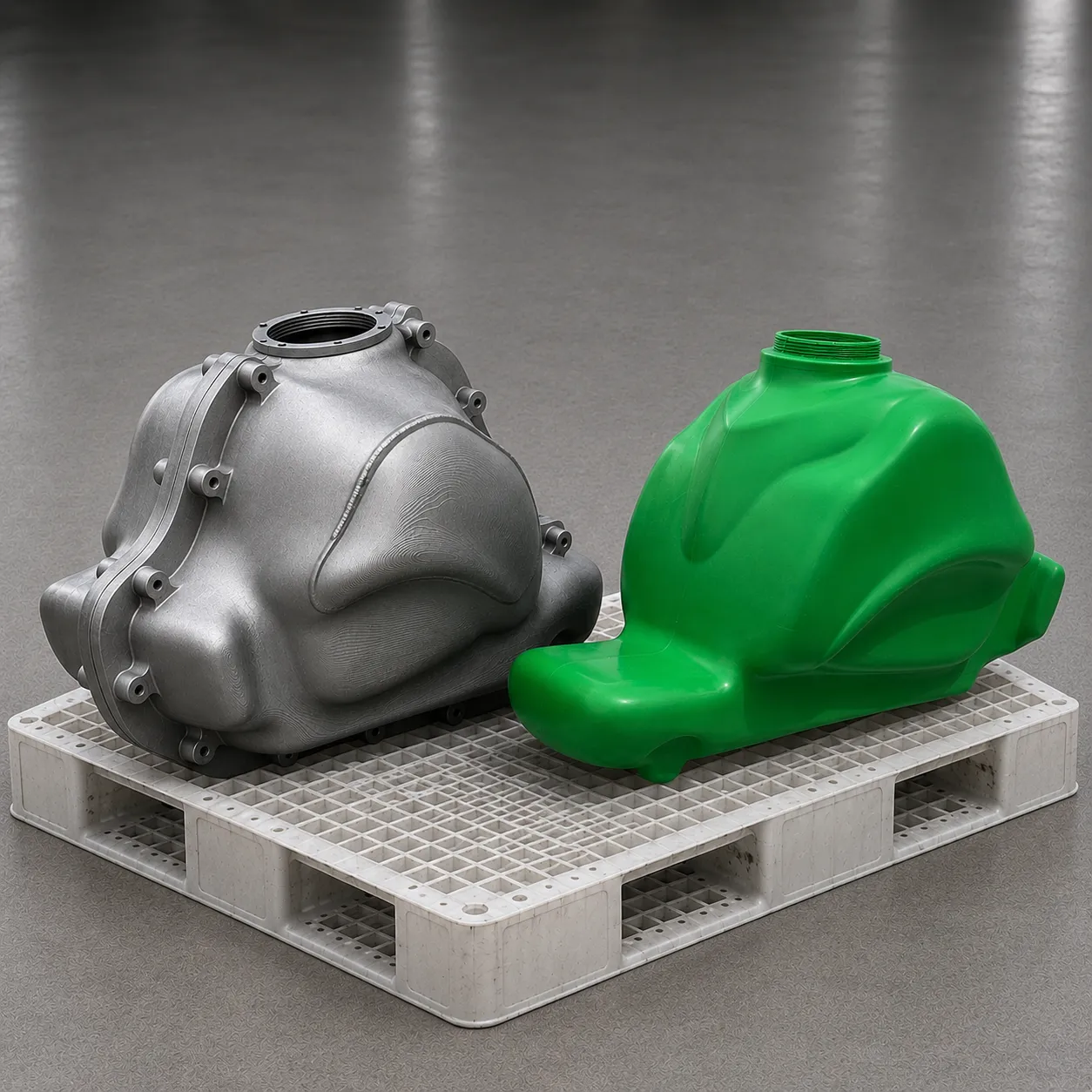
In many industries, the demand for durable, lightweight, and seamless plastic components has become increasingly essential. Achieving the highest quality in manufacturing these products requires a specialized approach to mold design and fabrication. For this reason, custom rotomolding mold manufacturing for industrial components has become one of the most valuable services in modern manufacturing industries.
The rotational molding (rotomolding) process enables the production of large, hollow, and highly durable plastic parts. This manufacturing method is widely used across various sectors, including agriculture, automotive manufacturing, industrial equipment, polyethylene storage tanks, and urban infrastructure products.
In this article, we explore the complete process of designing and manufacturing custom rotomolding molds, examine their advantages, and explain why partnering with an experienced engineering team can significantly enhance the quality and performance of your final product.
?What Is Rotomolding and Why Is It Suitable for Industrial Components
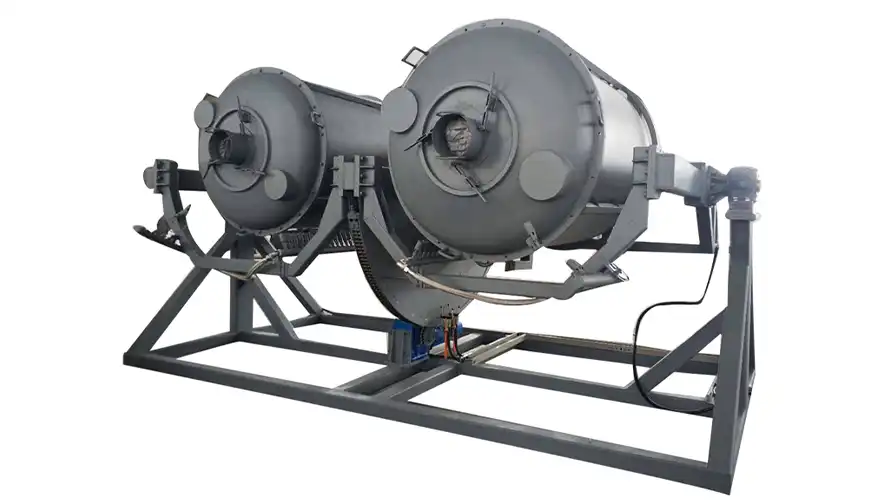
Rotational molding, commonly known as rotomolding, is a manufacturing process in which polymer materials are placed inside a mold that rotates simultaneously around two perpendicular axes while being heated in an oven. This continuous rotation allows the material to be evenly distributed along the inner walls of the mold.
The primary advantage of this process is its ability to produce components with the following characteristics:
Advantages of Rotomolding
- Seamless and one-piece construction
- Uniform wall thickness
- Excellent impact resistance
- Capability to manufacture large-sized components
- Cost-effective production for medium-volume runs
- High flexibility for custom product designs
These benefits make rotomolding an ideal solution for manufacturers seeking custom industrial component production with superior durability and performance.
The Importance of Mold Design in Final Product Quality
One of the most critical factors in the rotomolding process is proper mold design. Even when premium raw materials are used, a poorly designed mold can significantly compromise the quality of the finished product.
A high-quality industrial mold should incorporate the following features:
High Dimensional Accuracy
The mold dimensions must precisely match the engineering drawings to ensure accurate and defect-free production of the final component.
Efficient Heat Transfer
Proper mold design promotes uniform heat distribution throughout the molding cycle, preventing thin spots, excessive thickness variations, and structural inconsistencies.
Easy Part Release
The mold must be engineered to facilitate smooth and efficient removal of the finished component without causing damage or deformation.
Long Service Life and Durability
Industrial molds are required to withstand continuous exposure to high temperatures and repeated production cycles while maintaining dimensional stability and performance.
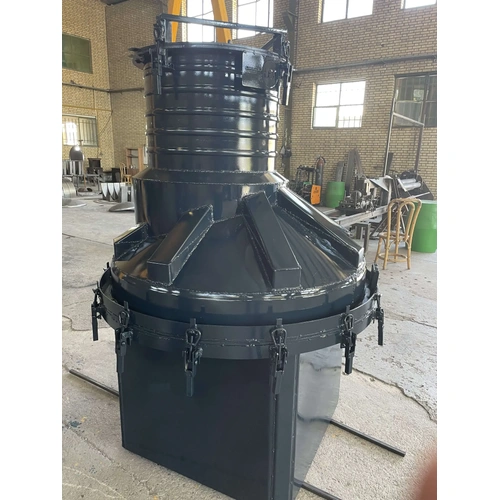
Stages of Custom Rotomolding Mold Manufacturing for Industrial Components
3D Mold Design
The first stage involves creating a detailed 3D design of both the component and the mold. During this phase, engineers utilize advanced CAD software to evaluate every aspect of the product and ensure optimal manufacturability.
Key factors analyzed during the design process include:
- Part wall thickness
- Stress concentration areas
- Connection and assembly points
- Venting system design
- Draft angles for part release
Mold Material Selection
In most industrial applications, aluminum is the preferred material for mold manufacturing due to its numerous advantages:
- Excellent thermal conductivity
- Lower weight compared to steel
- Easier machining and fabrication
However, steel molds may also be selected for specific projects that require enhanced durability or unique manufacturing requirements.
CNC Machining
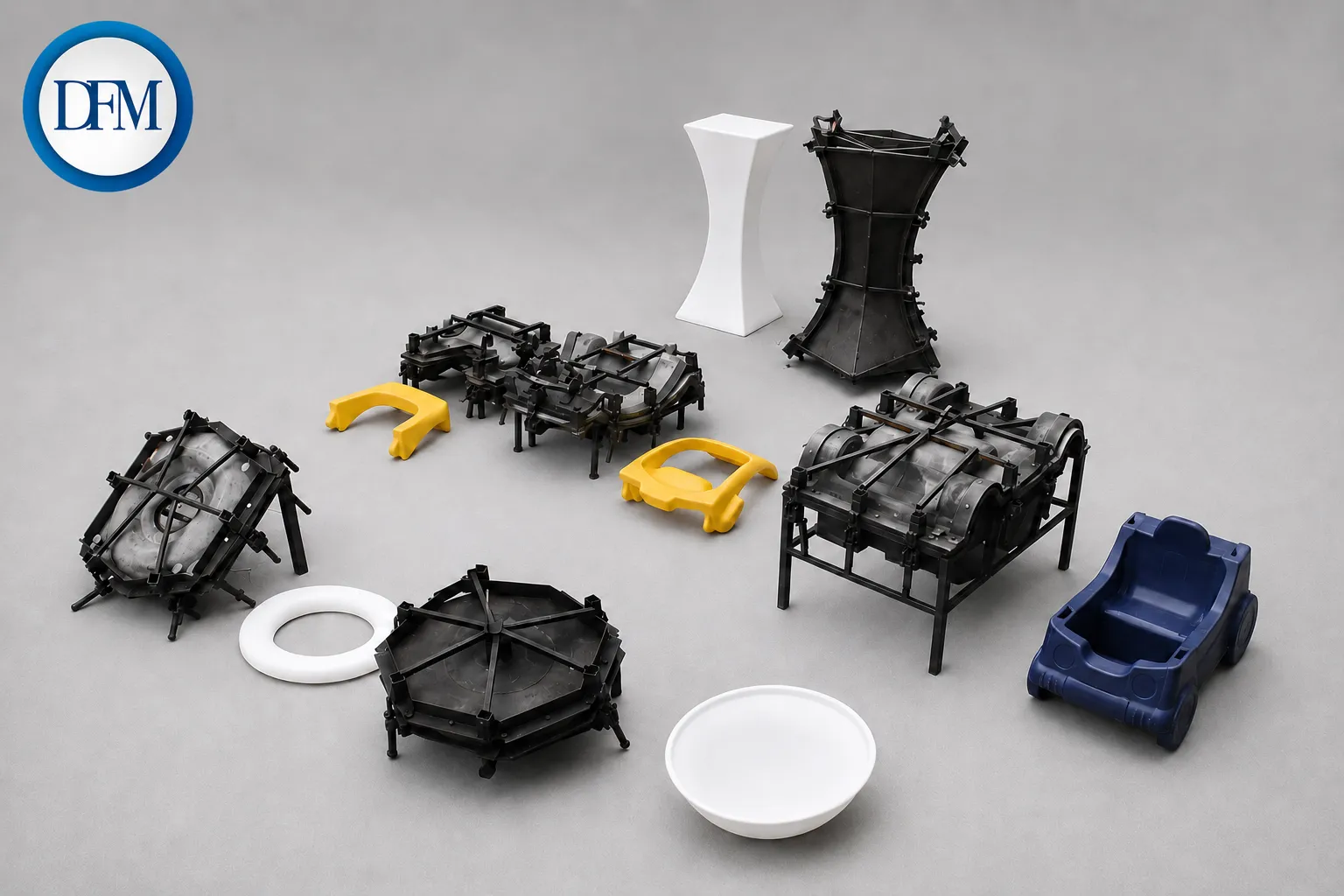
Once the design phase is completed, the mold enters the machining stage. High-precision CNC machines are used to manufacture the mold, ensuring that even the finest details are accurately reproduced.
Machining precision plays a critical role in determining the final surface quality, dimensional accuracy, and overall performance of the molded component.
Mold Assembly and Welding
At this stage, the individual mold sections are assembled into a complete mold system. The quality of welding and sealing is extremely important, as any leakage or structural weakness can negatively affect the quality and consistency of the final product.
Proper assembly ensures reliable performance throughout repeated production cycles.
Mold Testing and Final Adjustments
Before mass production begins, the mold undergoes comprehensive testing to identify and correct any potential issues.
The following factors are carefully evaluated during the testing phase:
- Wall thickness uniformity
- Surface finish quality
- Ease of part release
- Mechanical strength and durability of the molded component
Any necessary modifications are implemented to ensure optimal production performance.
Industrial Components Commonly Manufactured Using Rotomolding
Today, a wide range of industrial products are manufactured using rotational molding due to its flexibility, durability, and cost-effectiveness.
Polyethylene Storage Tanks
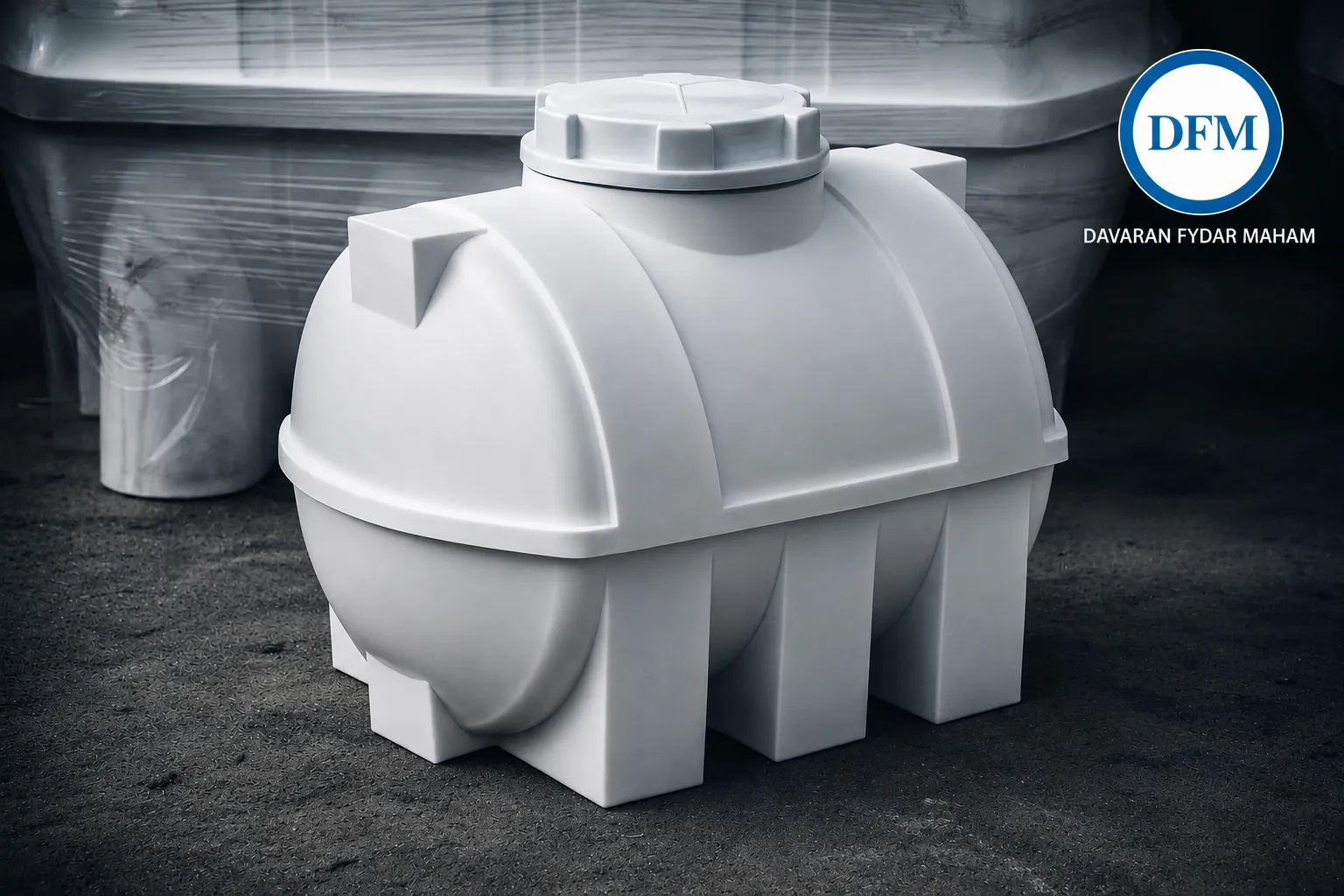
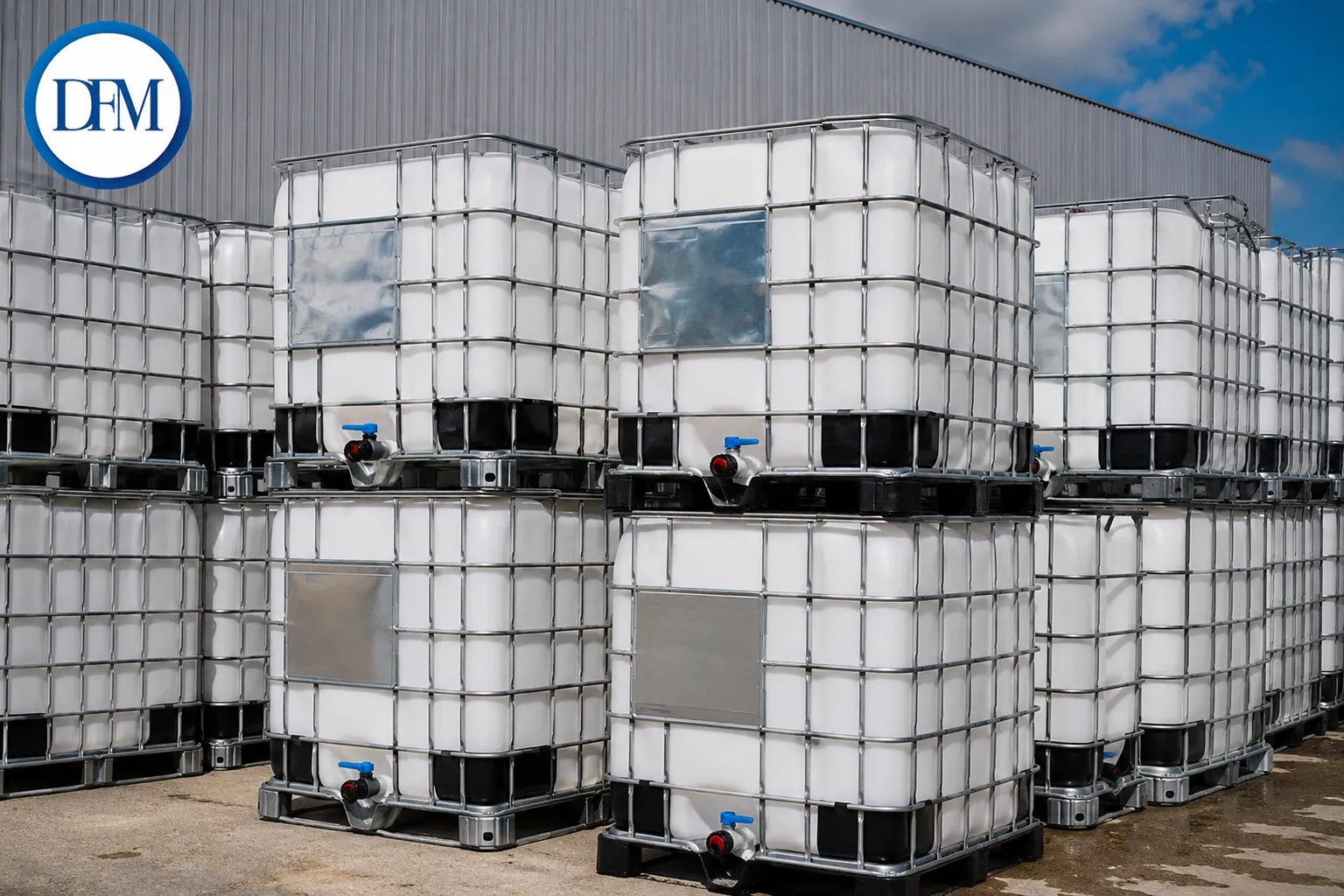
Widely used for storing water, chemicals, fuels, and various industrial liquids.
Agricultural Equipment
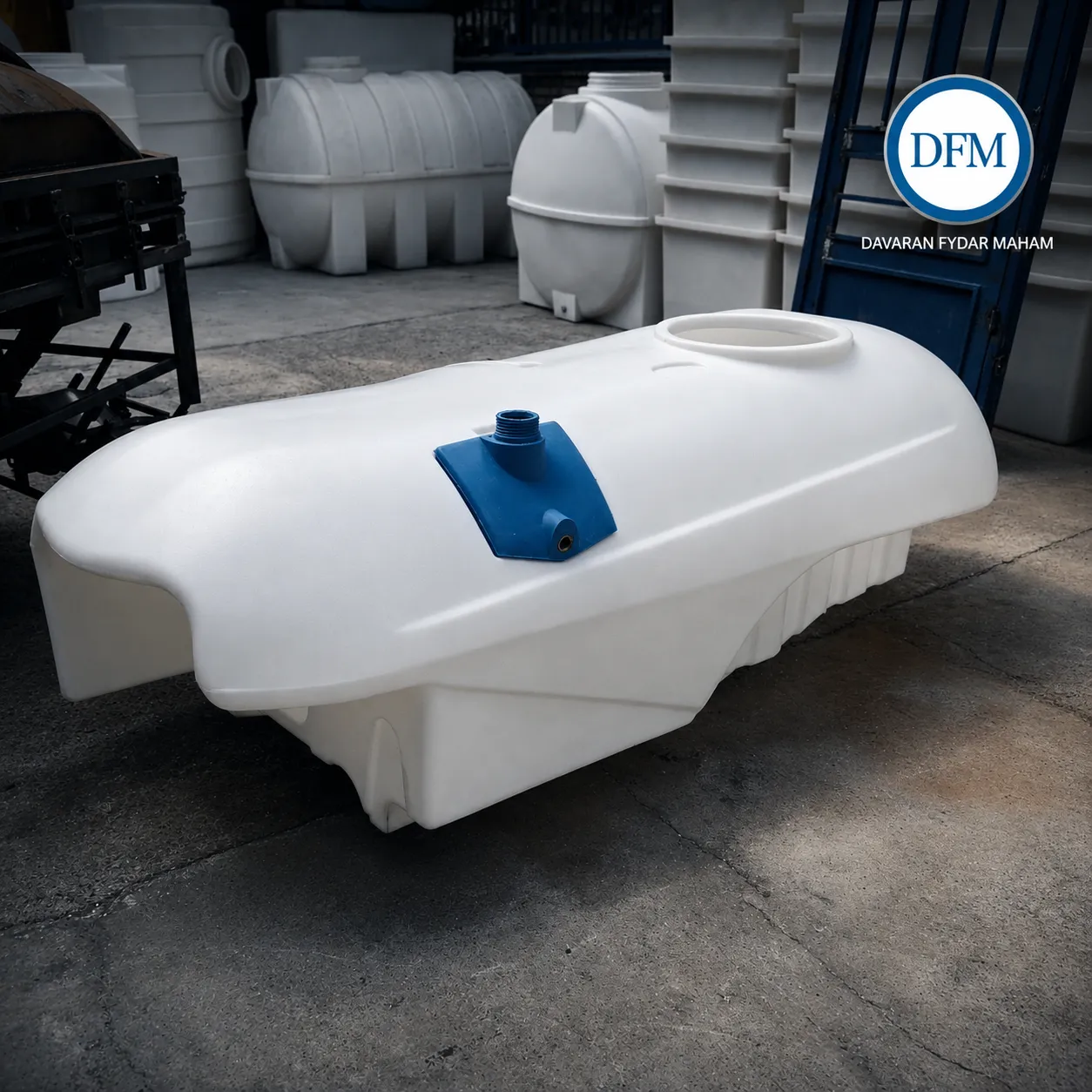
Including sprayer tanks, water transport tanks, and other agricultural storage solutions.
Custom Industrial Components
Such as equipment housings, protective covers, enclosures, containers, and specialized machinery components.
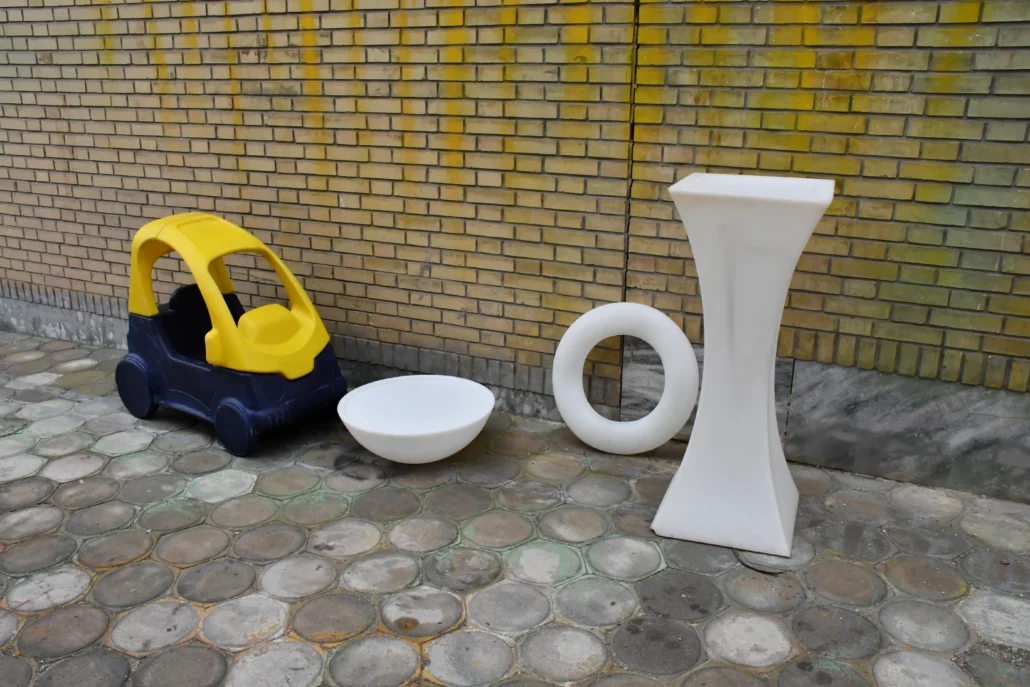
Municipal and Recreational Equipment
Including waste bins, playground equipment, outdoor furniture, and public infrastructure products.
Marine Components
Such as floats, buoys, pontoons, and moisture-resistant equipment designed for harsh marine environments.
Davaran Fydar Maham’s Expertise in Mold Design and Manufacturing
Leveraging advanced engineering knowledge, state-of-the-art CNC equipment, and extensive hands-on experience in the rotomolding industry, Doran Fidar Maham has successfully completed a wide range of industrial mold design and manufacturing projects.
The company’s core strengths include:
- Precision engineering and mold design
- Manufacturing of custom industrial molds
- Production cost optimization
- Enhancement of final product quality
- Professional pre-production consulting services
Through years of practical experience in industrial mold manufacturing, Doran Fidar Maham has refined its production processes to achieve higher levels of accuracy, efficiency, and reliability. This expertise enables customers to move confidently from product development to full-scale production.
Factors Affecting the Cost of Custom Mold Manufacturing
The cost of manufacturing a custom rotomolding mold depends on several key factors.
Part Size
Larger components require larger molds, additional materials, and longer manufacturing times, resulting in higher production costs.
Design Complexity
Complex geometries and intricate features demand more extensive machining operations and engineering effort.
Mold Material
The choice between aluminum and steel molds significantly affects the overall manufacturing cost due to differences in material properties and processing requirements.
Number of Cavities
Multi-cavity molds increase production efficiency but also require more sophisticated design and manufacturing processes, directly impacting the mold cost.
Surface Finish Quality
Higher levels of polishing and surface finishing improve the appearance and quality of the molded component but add to the overall manufacturing expense.
?Why Choosing a Professional Mold Manufacturer Matters
Many production challenges can be traced directly to mold quality. Partnering with an experienced and specialized mold manufacturer offers several important advantages:
- Reduced production waste and material loss
- Improved product quality and consistency
- Shorter production cycles
- Lower maintenance and repair costs
- Increased operational efficiency
For this reason, selecting a qualified company specializing in custom rotomolding mold manufacturing is a critical factor in the long-term success of any industrial production project.
Conclusion
Today, industries across the globe increasingly rely on rotational molding to produce durable, lightweight, and high-quality plastic components. The success of this manufacturing process depends heavily on precise mold design and professional mold fabrication.
For businesses seeking reliable and high-performance industrial products, partnering with an experienced engineering team can significantly improve production efficiency, reduce costs, and enhance product quality.
With extensive expertise in industrial mold design and manufacturing, Davaran Fydar Maham is fully equipped to provide professional consulting, engineering design, and custom rotomolding mold manufacturing services for a wide range of industries and applications.