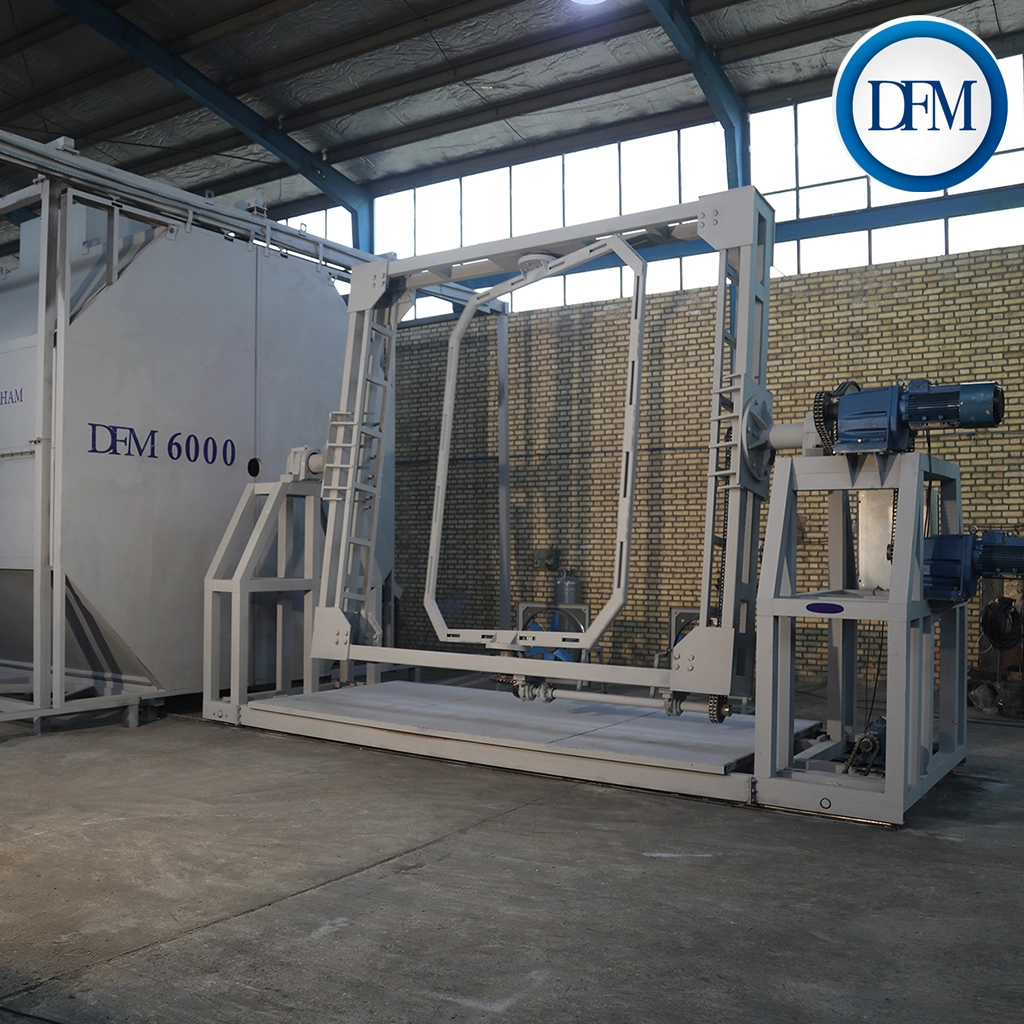
Factory Architecture and Production Line Equipment
Effective factory setup architecture forms the foundation and framework of any project. At this stage, the production process flow—from material input to final product output—must be clearly mapped out, and the placement of sections (such as material storage, workstations, and transfer lines) should be designed based on workflow logic. This foundational design defines the path for structural implementation and equipment installation.
What Is a Production Line?
A production line refers to the sequence of steps and equipment where a product is transformed from raw material into its final form. In this structure, each station has a specific function, and as the product moves forward, the production process continues. For a detailed explanation of factory design concepts, refer to the relevant article on the davaran fydar maham website.
Why Is the Production Line Important in Factory Setup?
Focusing on production line design improves efficiency, reduces waste, and enhances final product quality. When the production flow is simulated and optimized beforehand, execution errors decrease, and the overall production cycle becomes shorter.
Difference Between a Production Line and an Assembly Line
- A production line includes all stages from raw material supply to packaging.
- An assembly line only covers the joining and assembling of pre-made parts.
How Does a Production Line Work?
Initially, the product enters cutting or molding stations. Then it moves through various operations like machining, welding, and quality testing, and is finally packaged. Each station works simultaneously using its own equipment, and the product is transferred to the next station via conveyors or material handling systems.
How Is a Factory Production Line Designed?
The process begins with analyzing product specifications and expected production volume. Then, a machine layout is drafted based on material flow. Industrial simulation tools like FlexSim can identify potential issues before implementation. Following this, support infrastructure such as power supply and compressed air is planned.
How to Source the Technical Equipment for Production Line Setup?
Equipment procurement depends on production capacity and product type. To create a requirements list, it’s essential to negotiate with reputable industrial suppliers and review warranty, installation, and after-sales services. More information is available in the “Factory Production Line Equipment” section.
Planning and Designing Equipment for Production Line Setup
Planning includes scheduling machine installations, reviewing cable and piping routes, and positioning workstations. The plan must aim for minimal operational conflict and maximum productivity.
Individual Workstations
Each workstation must have sufficient space for the operator and tools. The height of tables, handle placements, and access to instruments should follow ergonomic standards.
Material Handling Stations
Conveyor paths or overhead cranes should be designed to avoid blocking operator movement or causing delays in material transfer.
Machine-Operator Interface
The control panel (HMI) should be simple and intuitive, allowing the operator to input commands and receive error reports quickly and clearly.
Key Factors for Designing and Launching a Production Line
- Thorough assessment of foundation strength and structural integrity
- Planning routes for power and network access
- Ensuring maintenance accessibility
- Compliance with safety and environmental standards
Choosing the Right Location for Factory Setup
Selecting the right factory location is vital for long-term productivity and sustainability. The site should be near raw material suppliers and target markets, with easy access to highways, rail lines, or shipping ports to minimize logistics costs. Key infrastructure—such as stable three-phase electricity, industrial water supply, gas, and high-speed internet—must be available to avoid production downtime. Additionally, proximity to technical service providers like repair shops and temporary storage facilities simplifies maintenance and logistics.
Key Features of a Production Line
- Flexibility: Ability to reconfigure layouts for new product lines
- Energy Efficiency: Use of optimized motors and control systems
- Automation: Integration of robots and smart systems to reduce manual labor
- Sustainability: Design focused on minimizing waste and enabling material recycling