Introduction
In today’s competitive market, small and medium-sized production units are seeking an affordable and efficient production line to achieve maximum output and quality with minimal initial investment. This guide covers essential principles of design, equipment selection, material flow optimization, quality management, and maintenance—helping you establish a high-yield, cost-effective system.
What Is an Affordable and Efficient Production Line?
Definition and Importance
A production line refers to a series of stations and equipment that transform raw materials into finished products in a structured sequence. An affordable and efficient production line means:
- Lowest capital expenditure (CapEx)
- Minimal operating costs (OpEx)
- Maximum return on investment (ROI)
- Highest output efficiency
- Product quality meeting standards
Key Principles of Designing a Cost-Effective Production Line
-
Process Simplification
-
Eliminate Non-Value Activities:
Every step should add value to the product. Remove steps that do not.
-
U-Shaped Layout:
Reduce distance between stations and enable operators to manage multiple stations efficiently.
-
Optimizing Material Flow
-
Short Transfer Paths:
Conveyors or carts should directly connect raw material storage to production stations.
-
Kanban & Backlog Systems:
Implement Just-In-Time (JIT) material supply to reduce working capital requirements.
-
Selection of Multi-Purpose Equipment
-
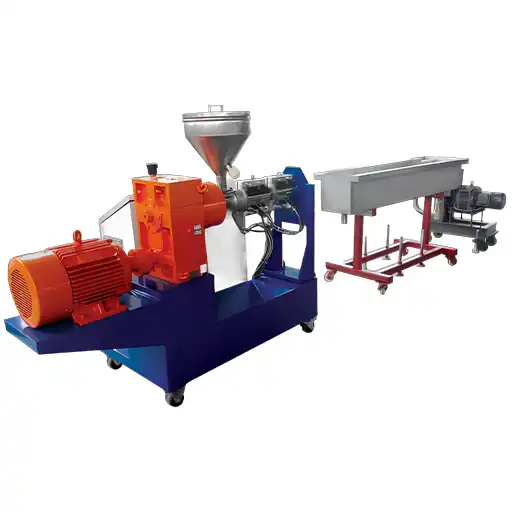
Dual-Function Extruders:
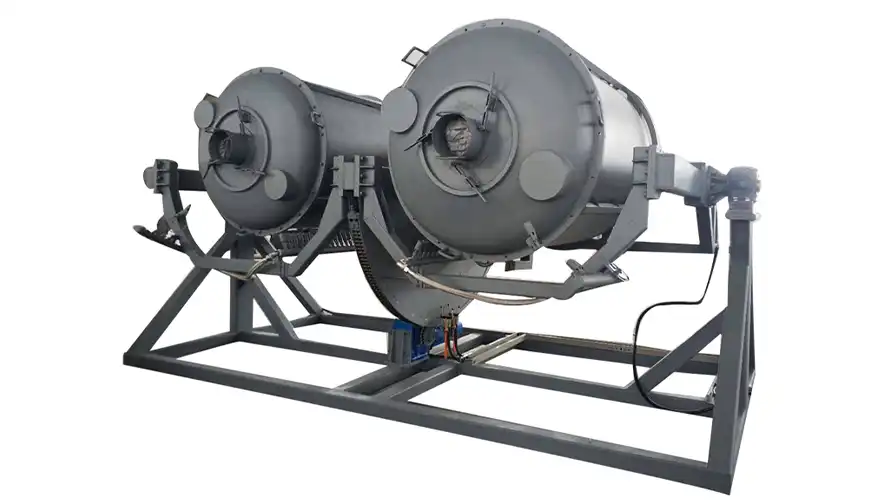
Combine granule production and rotational molding in one machine.
-
Modular Machines:
Allow for adding or removing modules without replacing the entire system.
Essential Equipment for an Affordable and Efficient Line
-
Energy-Efficient Machinery
- IE3/IE4 motors
- Heat recovery systems in ovens and extruders
-
Basic Automation
- Low-cost PLCs for cycle control
- Simple optical and pressure sensors to ensure product presence and size consistency
-
Quality Control and Measurement Tools
- Online thickness gauges
- Camera systems to detect surface defects
Project Implementation Steps
-
Initial Analysis and Requirements Definition
- Estimate production capacity, required space, and budget
- Define key performance indicators (KPIs)
-
Conceptual Design and Planning
- Layout design for material flow
- Ergonomically informed workstation planning
-
Equipment Selection and Procurement
- Evaluate options based on cost and multi-functionality
- Sign contracts with reliable industrial suppliers
-
Installation and Setup
- Implement electrical, mechanical, and conveyor infrastructure
- Initial machine testing
-
Operational Testing and Optimization
- Efficiency testing and bottleneck reduction
- Documenting standard operating procedures (SOPs)
-
Training and Documentation
- Create operator and maintenance manuals
- Conduct hands-on workshops for staff
Ongoing Maintenance and Continuous Improvement
-
Preventive Maintenance
- Scheduled replacement of worn parts
- Periodic checks of lubrication and vibration status
-
5S and Kaizen Approach
- Sort, organize, and standardize workstations
- Encourage continuous improvement and operator participation
-
Predictive Maintenance
- Use of vibration and temperature sensors
- Data analysis to predict potential failures
Practical Example: Application in Polyethylene Tank Production
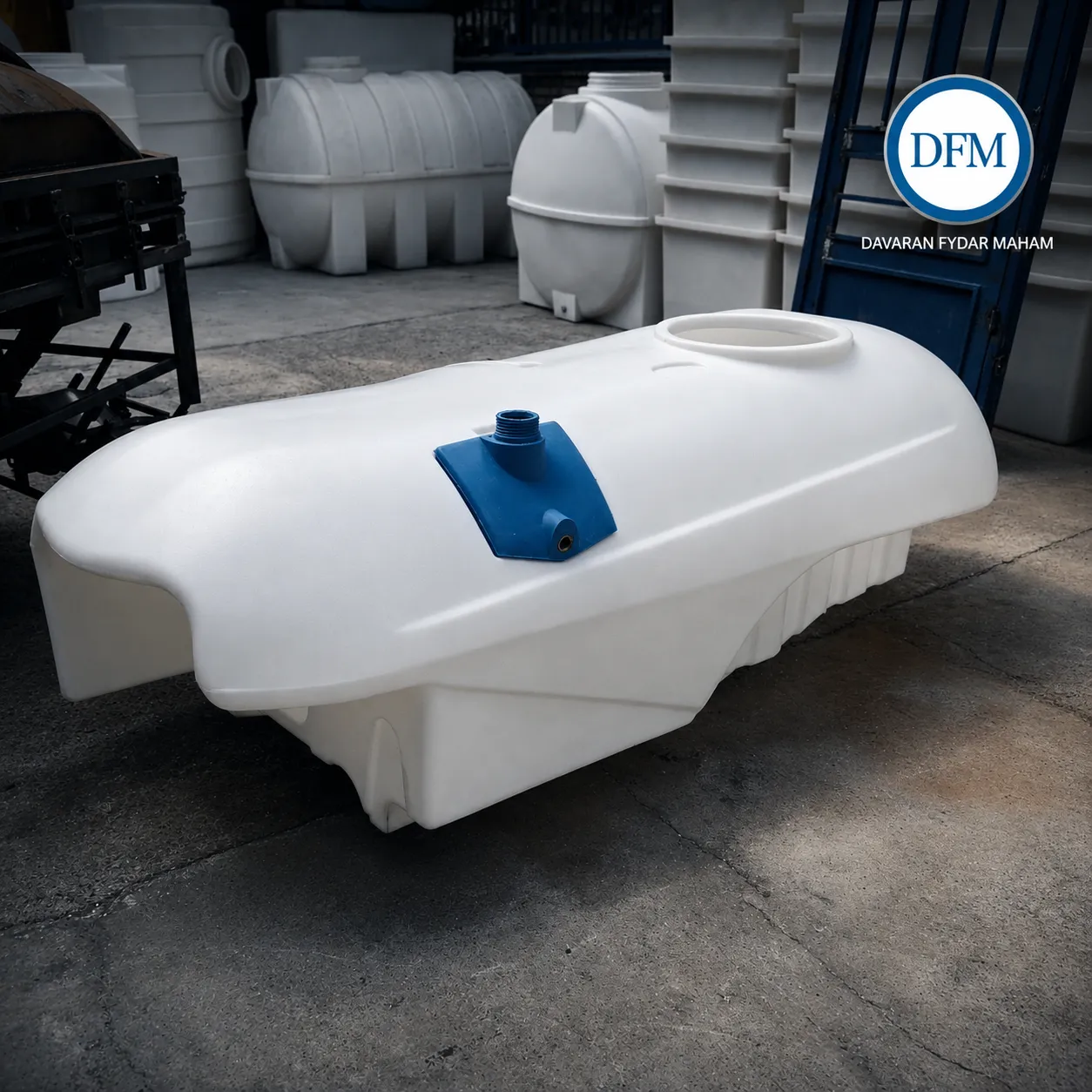
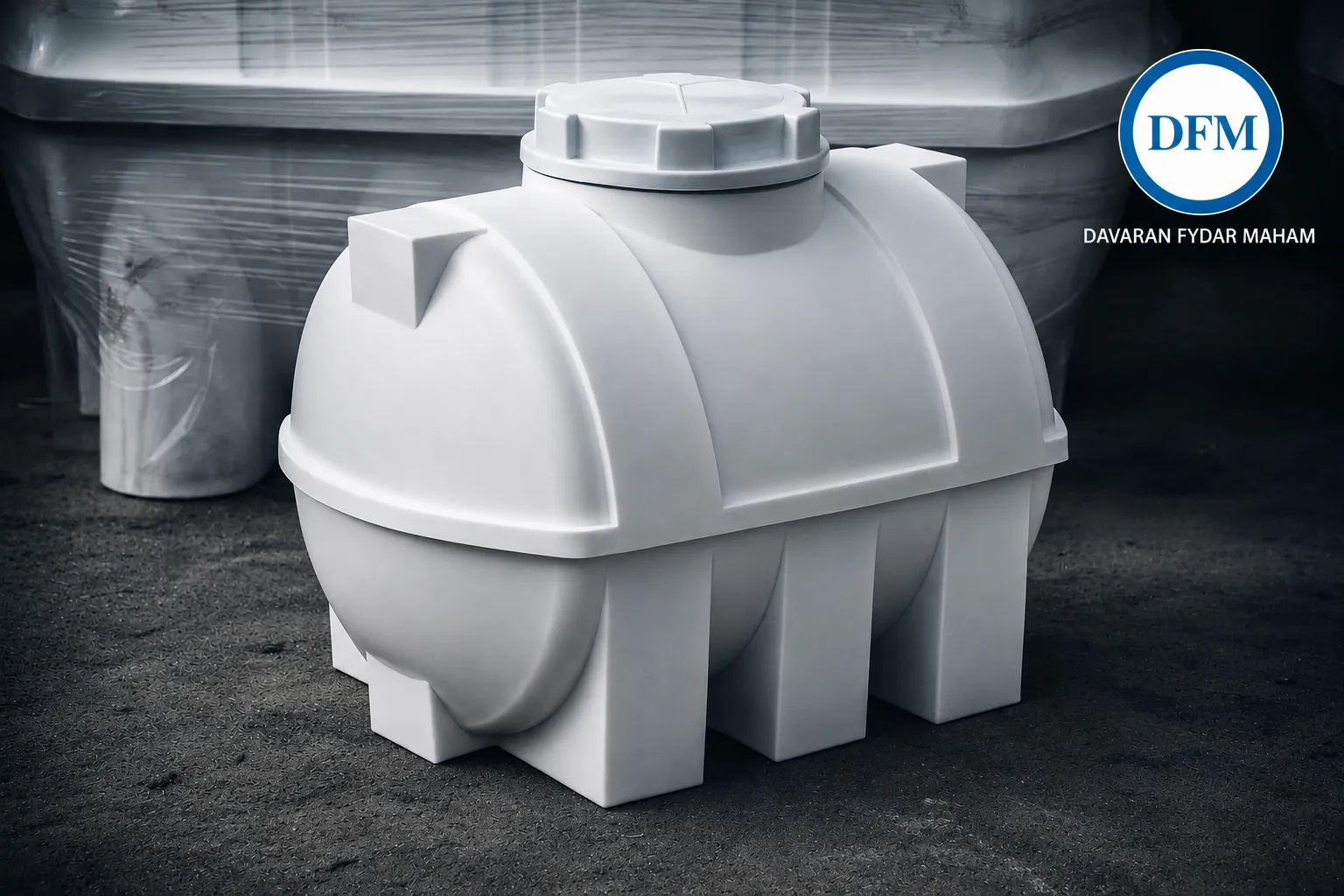
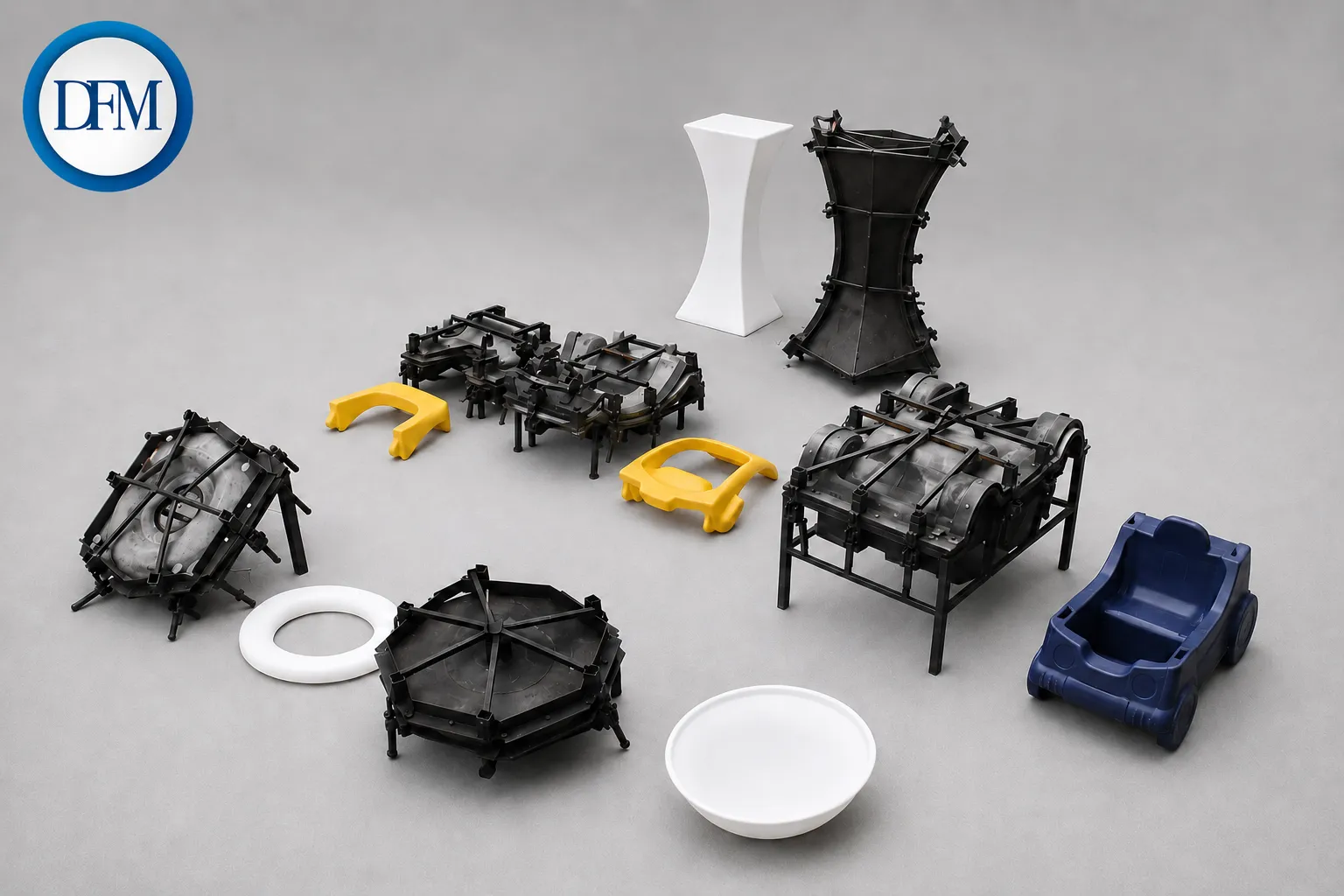
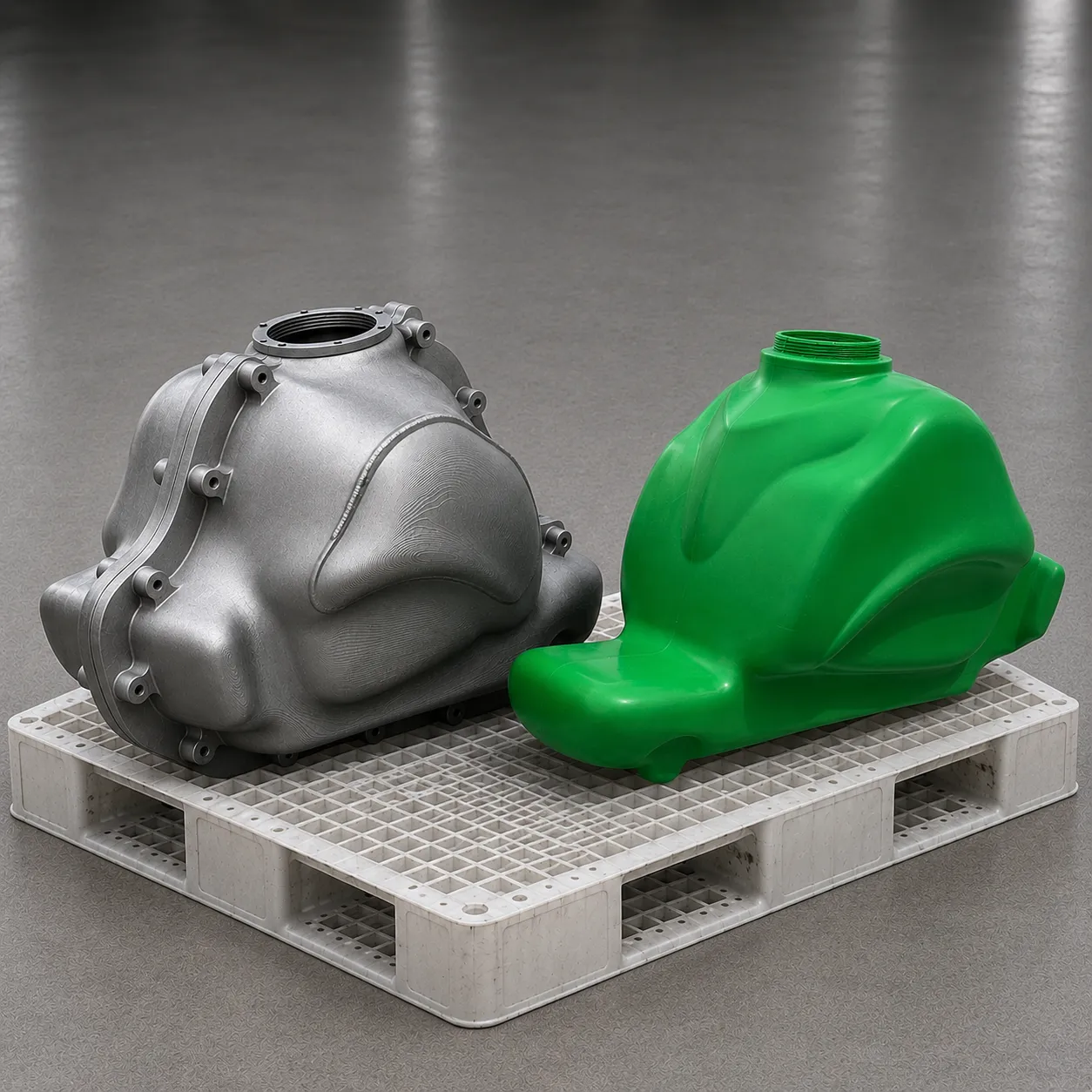
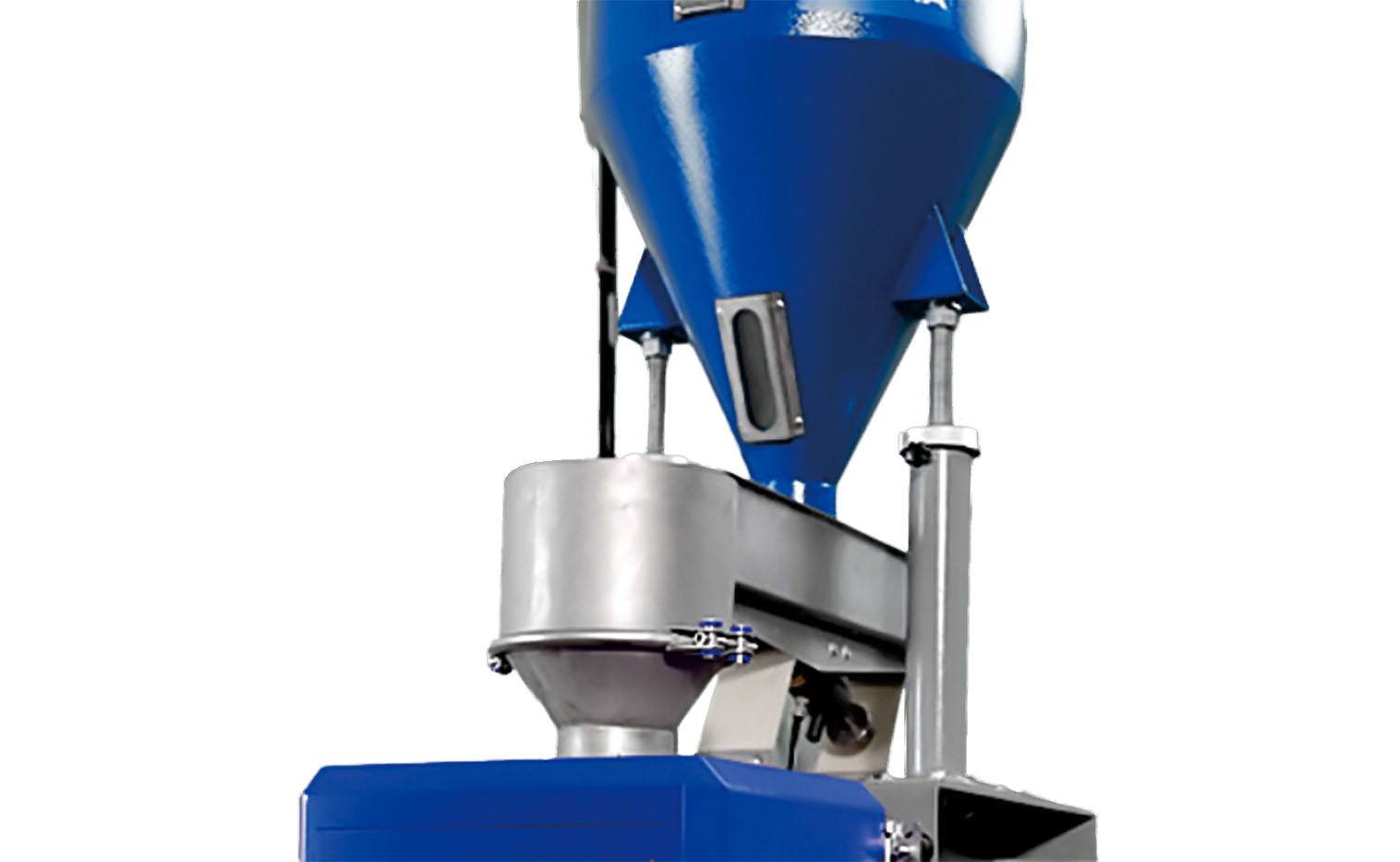
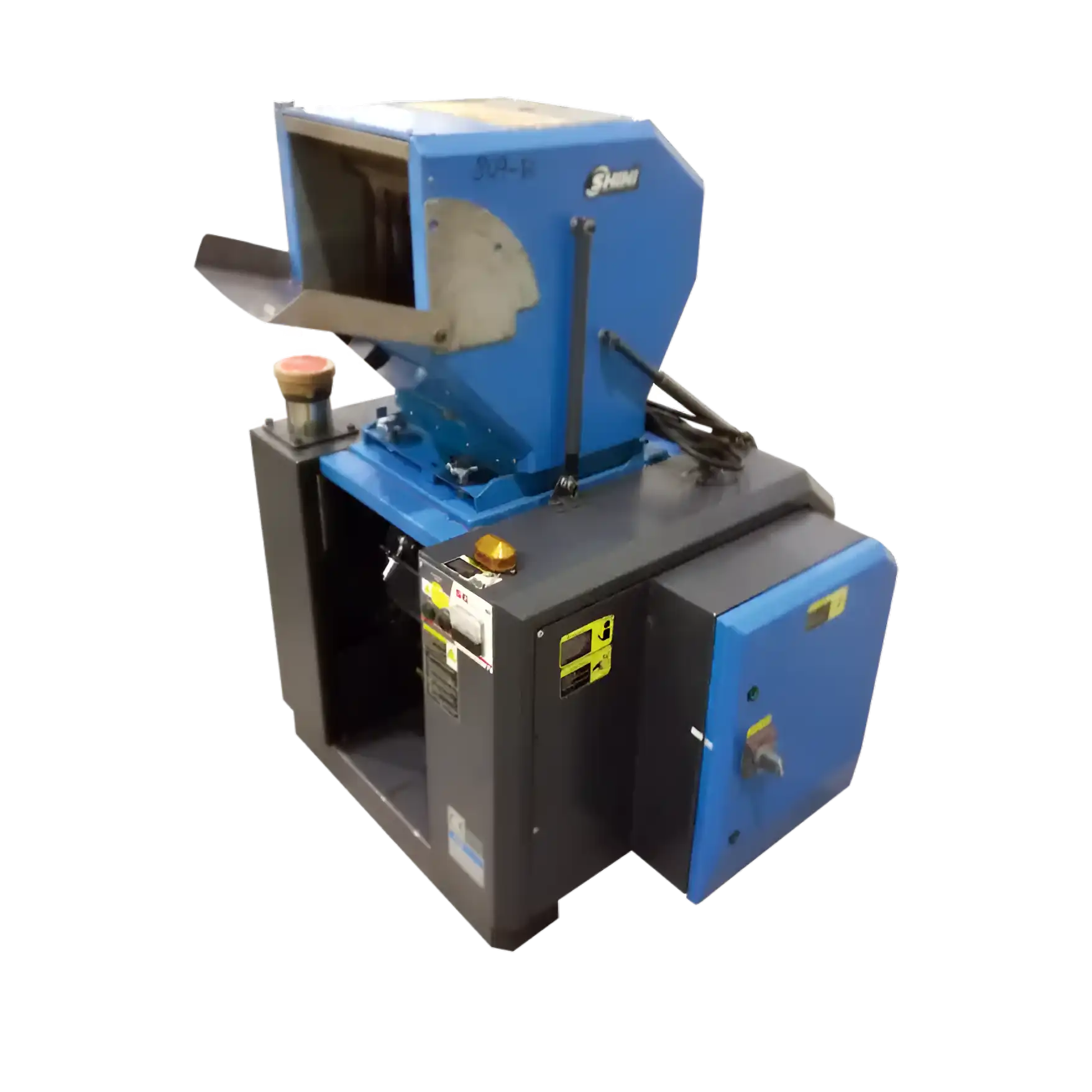
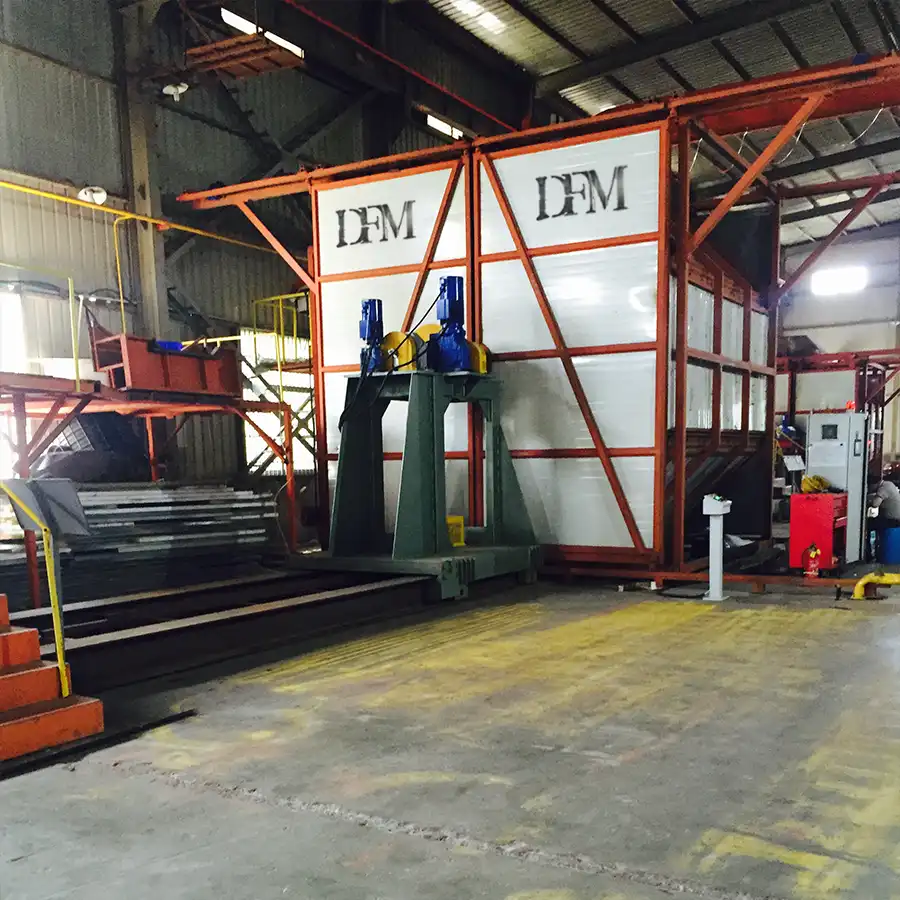
davaran fydar maham has successfully implemented an affordable and efficient polyethylene tank production line by integrating a powder mill, rotational molding unit, and multi-function extruder. With online thickness sensors and a heat recovery system, energy costs were reduced by 20%, and recycled waste was returned to the production cycle. For technical details, refer to the factory production line equipment section.
Success Metrics and Performance Evaluation
- ROI: Payback period under 18 months
- Output Efficiency: Over 10% higher than traditional lines
- Material Waste: Below 5% of raw input
- Cycle Time: Reduced by at least 15%
Conclusion
Establishing an affordable and efficient production line requires intentional design, proper equipment selection, and consistent maintenance. By simplifying processes, optimizing material flow, using cost-effective automation, and applying 5S principles, you can achieve maximum productivity with minimal capital investment—ideal for small and medium-sized production units.