
Plastic Recycling Line: Step-by-Step Guide from Collection to Granule Production
Introduction
Setting up a plastic recycling line in a factory involves several critical steps to convert plastic waste into usable granules. These steps are as follows:
-
Collection and Sorting of Plastic Waste
- Secure a sufficient volume of waste including bottles, bags, scrap pieces, etc.
- Sort based on polymer types (e.g., polyethylene, polypropylene, PET, etc.)
- Separate by color to improve the quality of final granules
- Remove impurities such as metal, wood, paper, or adhesives
- The purer the raw material, the better the efficiency and quality of the output.
-
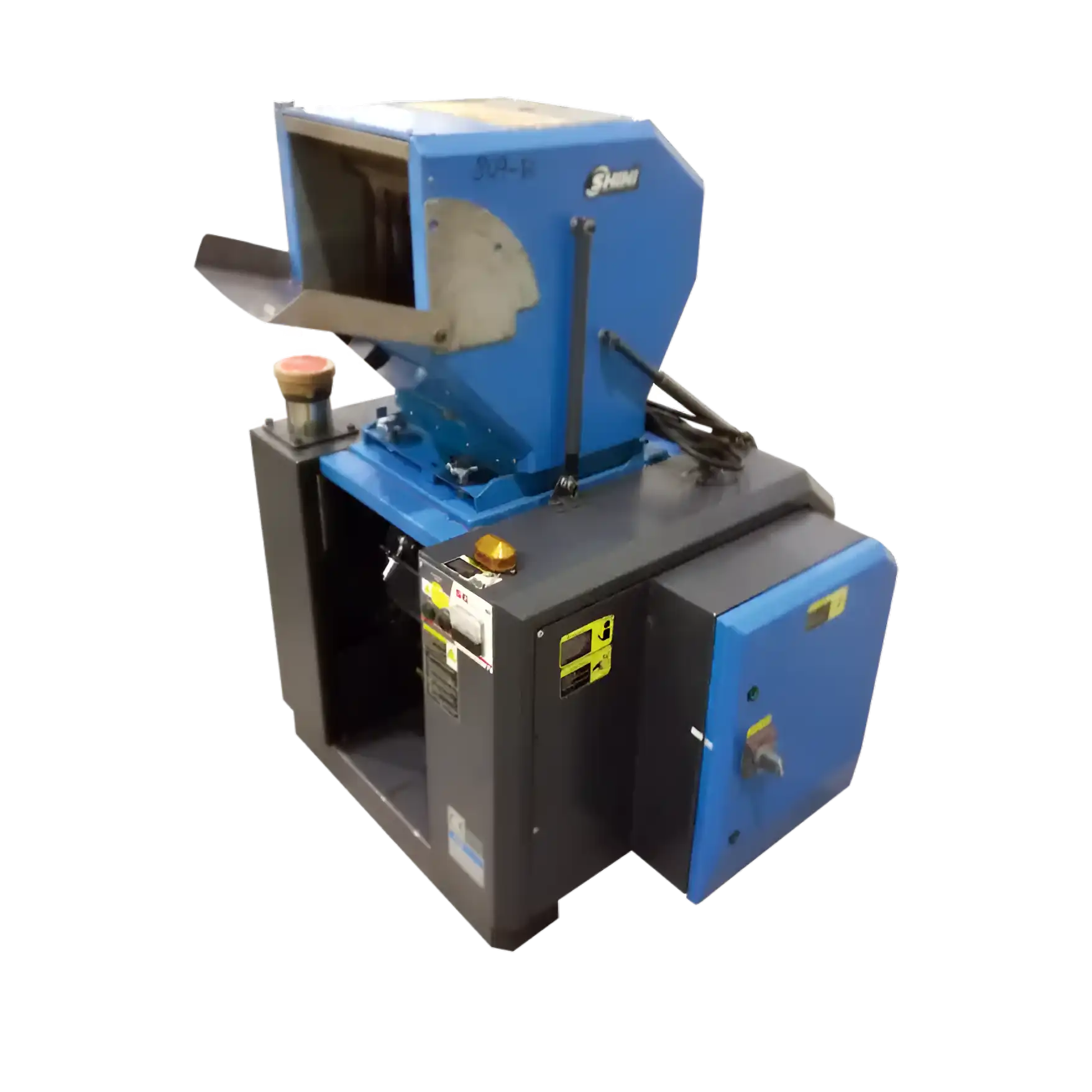
Shredding (Using Shredder Machines)
- Industrial shredders break large pieces into plastic flakes
- Increases bulk density for better downstream processing
- Capable of shredding both rigid and soft plastics
- Output: plastic chips or flakes ready for washing
- Some lines include a secondary mill for powdering
-
Washing and Drying the Flakes
- Removes dirt, glue, oil, and moisture
- Uses washing tanks, detergents, and friction washers
- Floatation method helps separate heavy from light plastics
- Drying is done via centrifuges or press dryers
- Proper drying improves extrusion quality
-
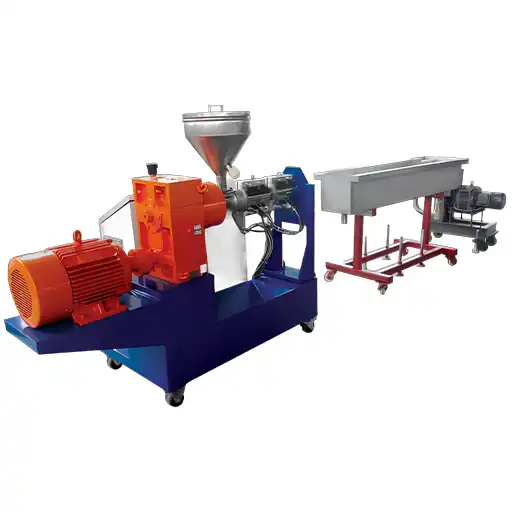
Melting and Granulating (Extrusion)
- Dried materials are fed into the extruder via hopper
- Plastics are melted under heat and pressure
- Molten plastic passes through filters to remove leftover impurities
- Output: hot strands cut into small pieces
- Granules are cooled in water tanks and finally dried before packaging
-
Packaging and Use of Recycled Granules
- Granules are transferred to storage tanks or big bags
- Used to produce new items like film, bags, industrial parts
- Can be used alone or blended with virgin materials
- Recycling returns materials into the production cycle and reduces waste
Key Considerations Before Launching a Plastic Recycling Line
-
Market Research and Raw Material Supply
- Analyze market demand for specific granule types
- Identify sustainable sources for plastic waste
-
Obtaining Legal Permits
- Secure environmental, industrial, and local permits before purchasing machinery
-
Estimating Capital and Costs
- Includes site, machinery, labor, and working capital
- Create a feasibility plan to reduce investment risk
-
Choosing the Right Technology and Equipment
- Machinery quality directly impacts line efficiency
- Buy from reputable brands with after-sales service
-
Optimal Factory Layout and Workforce
- Design efficient material flow and minimize internal transport costs
- Train operators and enforce safety with protective gear
-
Quality Control and Market Development
- Monitor granule uniformity, moisture, strength, and purity
- Add value with complementary lines like masterbatch production
Conclusion
A plastic recycling line is a profitable and eco-friendly business. With the right equipment, precise management, and trained staff, it can become a sustainable and green source of income.