Introduction
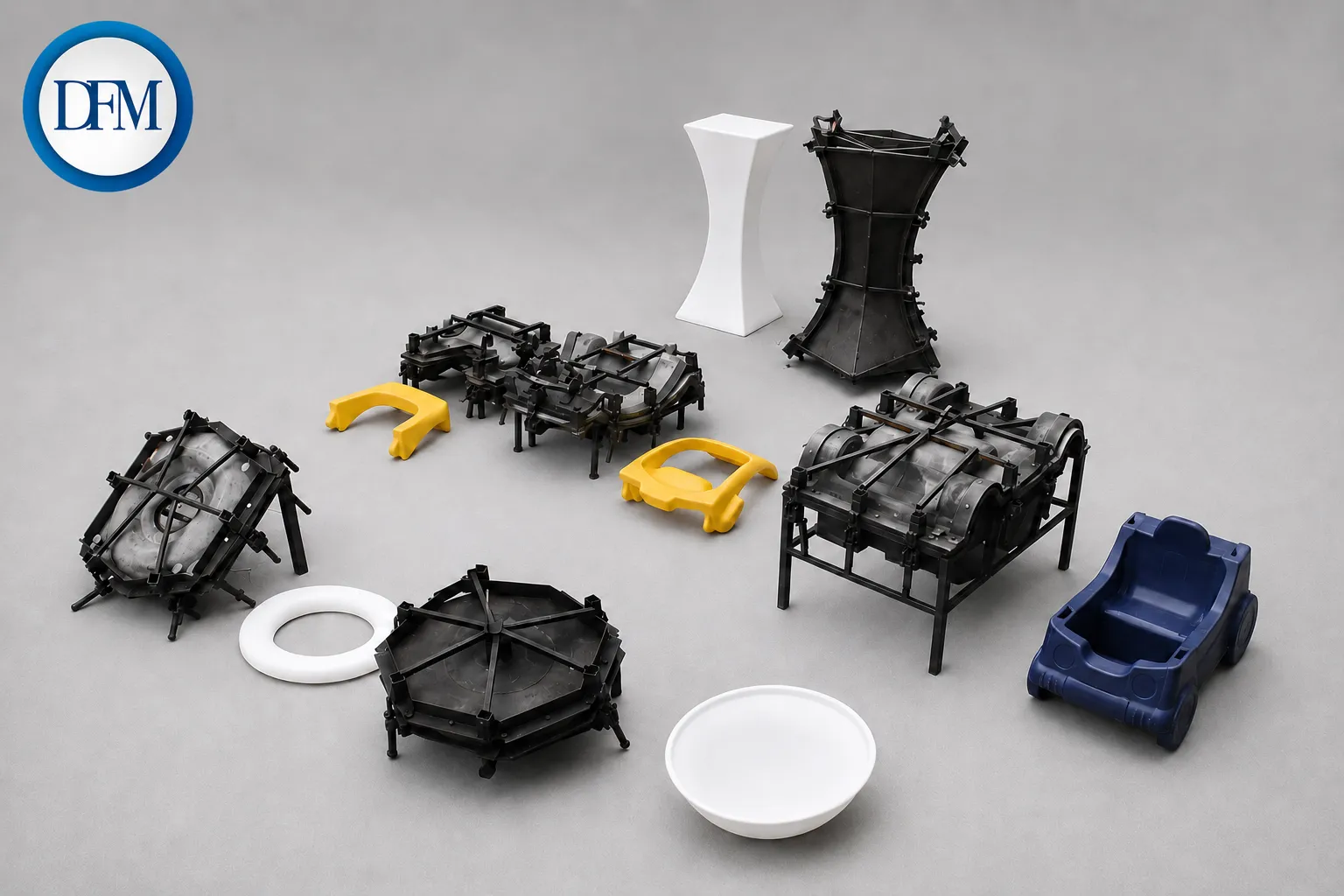
Selecting the right mold for producing polymer parts is a critical stage in the manufacturing process that directly affects the final product quality, production cost, and project execution speed. Considering the diversity of polymer materials and molding methods, understanding the key factors in mold selection is essential. This article explores important criteria and practical solutions for choosing the best mold.
Key Factors in Choosing a Polymer Mold
-
Type of Polymer Material
Each polymer (such as thermoplastics, thermosets, or elastomers) has different thermal and mechanical behaviors. For example:
- Thermoplastics (such as polyethylene or ABS) require injection molds with advanced cooling systems.
- Thermosets (like epoxy resins) usually use compression or transfer molds.
Additional factors like material shrinkage and viscosity also influence mold channel design.
-
Final Part Design
The complexity of the part geometry, wall thickness, and presence of undercuts determine the mold type:
- Parts with fine details may require multi-cavity molds or extrusion systems.
- For smooth surfaces, polished molds made of stainless steel are recommended.
-
Production Volume
The scale of production significantly influences the choice of mold material and manufacturing technology:
| Production Volume | Suggested Mold Type |
| Prototyping (< 100 parts) | Aluminum molds or 3D printed molds |
| Mass production (> 10,000) | Hardened steel molds with durable coatings |
Types of Polymer Molding Technologies
-
Injection Molding
An ideal method for high-volume production of dimensionally accurate parts. Although it involves a higher initial cost, the long-term efficiency justifies the investment.
-
Blow Molding
Used for manufacturing hollow parts like bottles. It employs two-part molds with air-cooling systems.
-
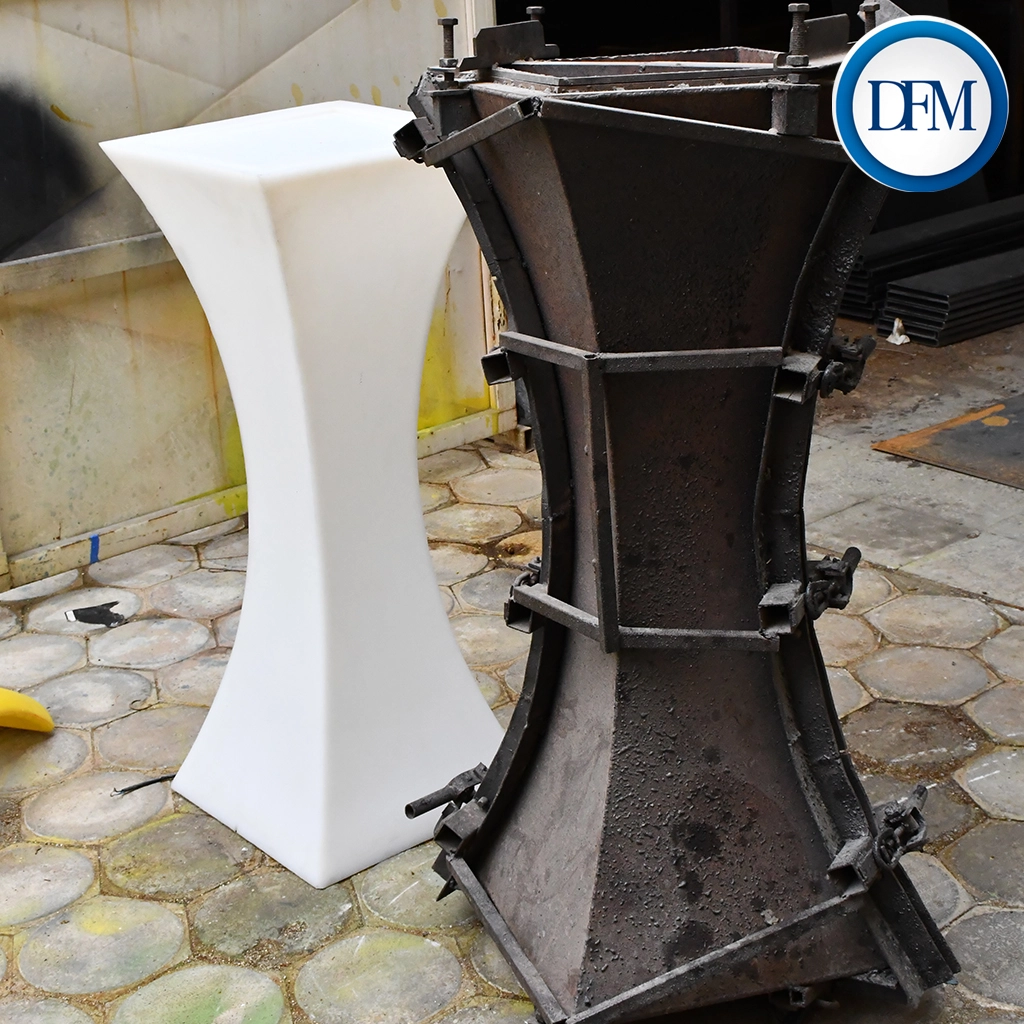
Rotational Molding
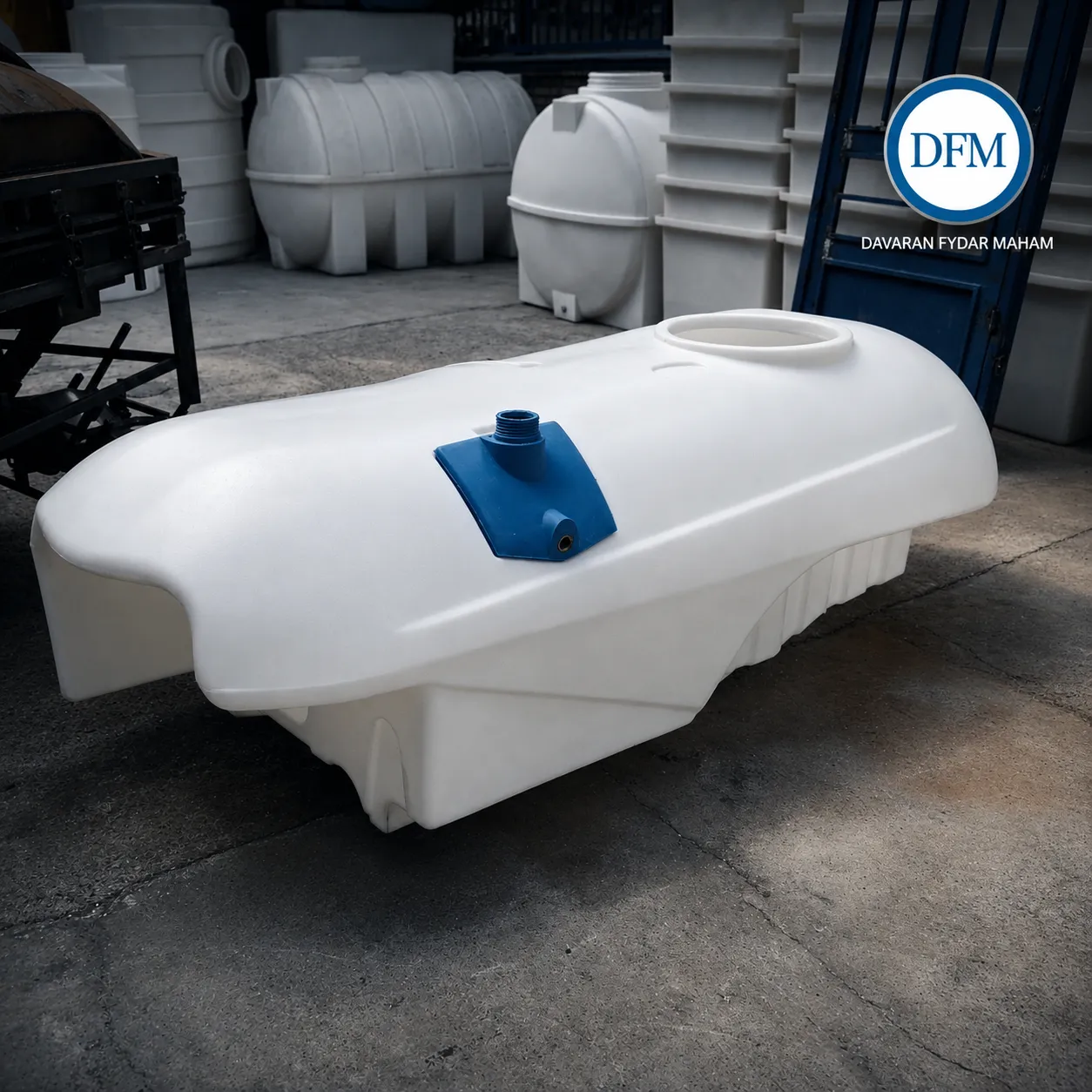
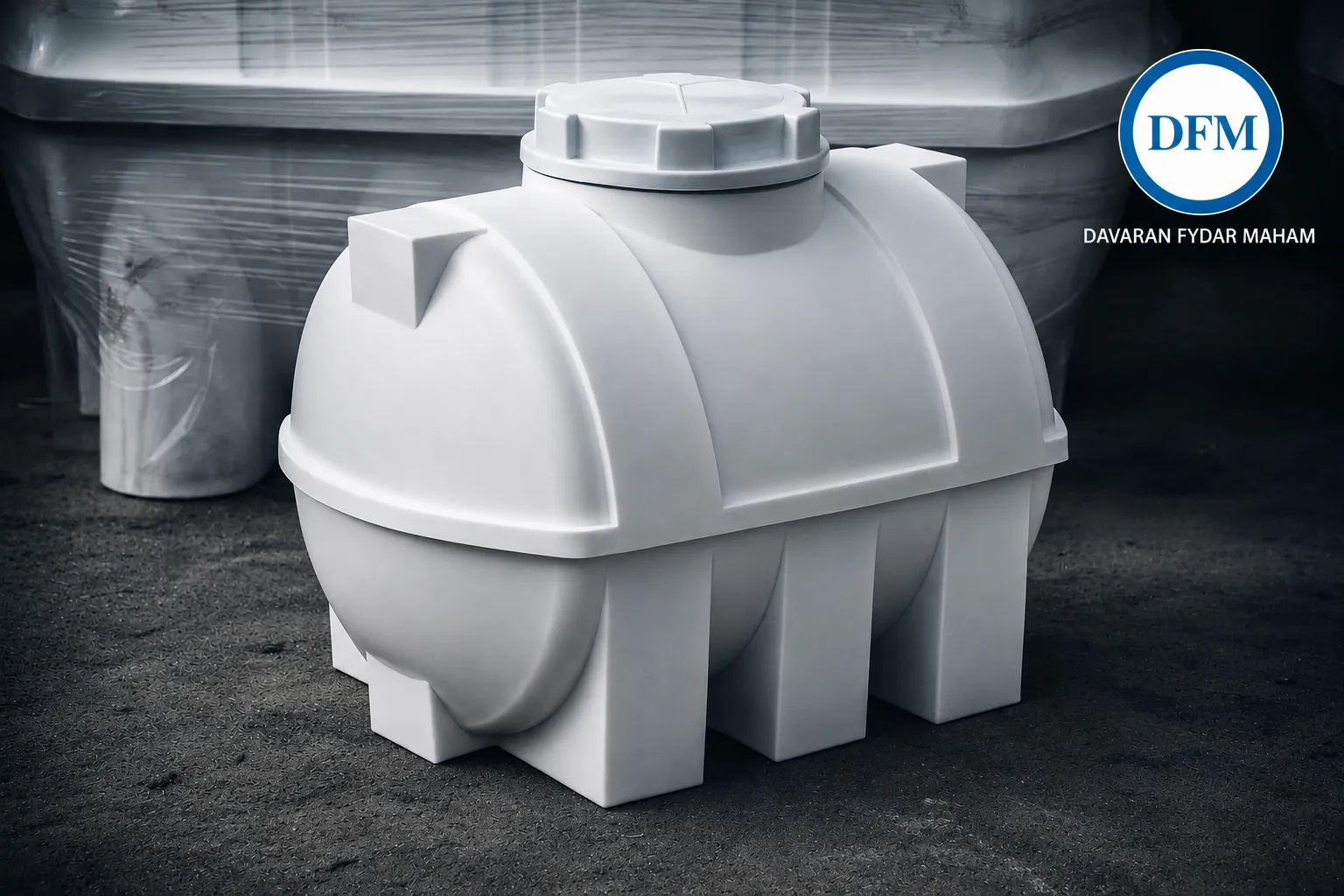
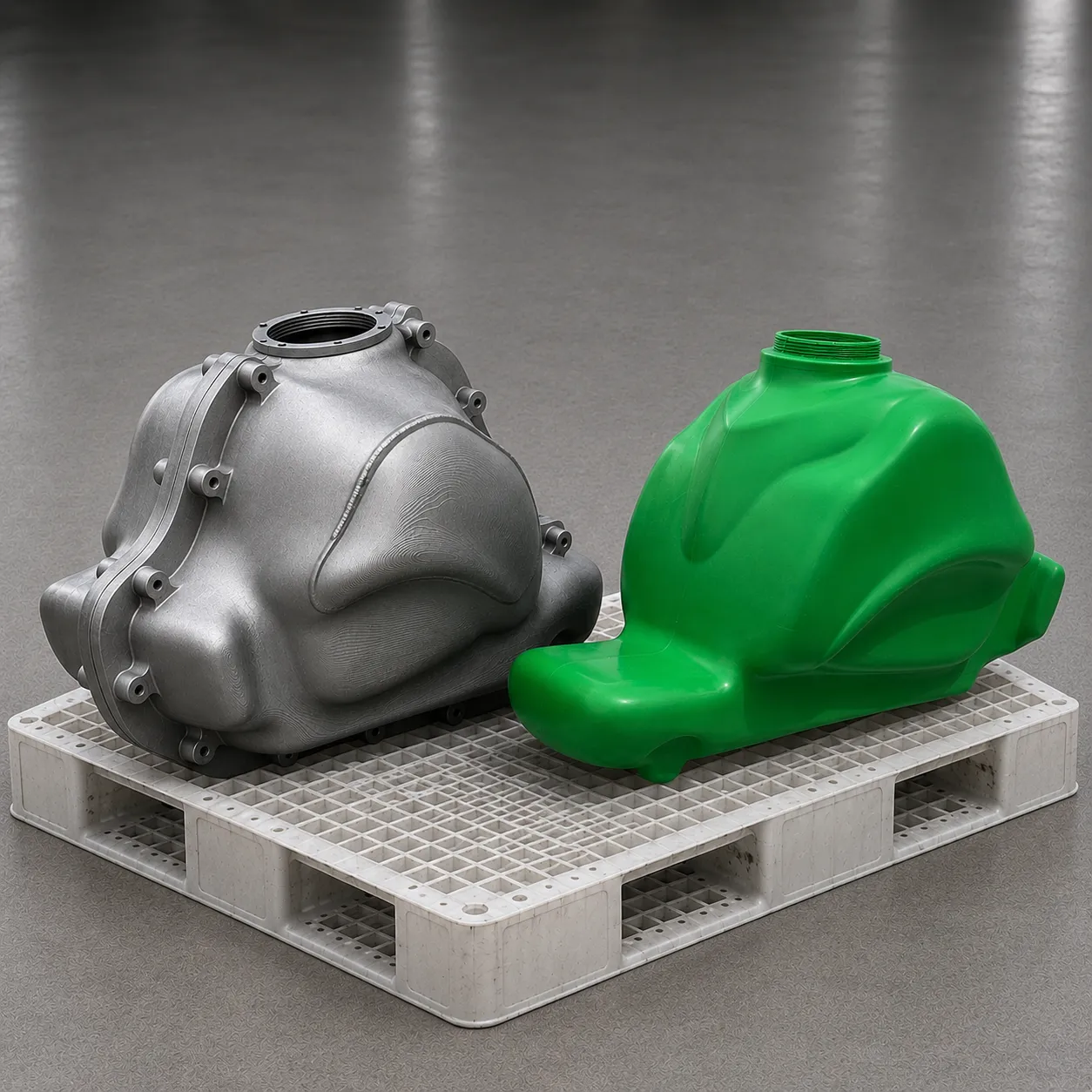
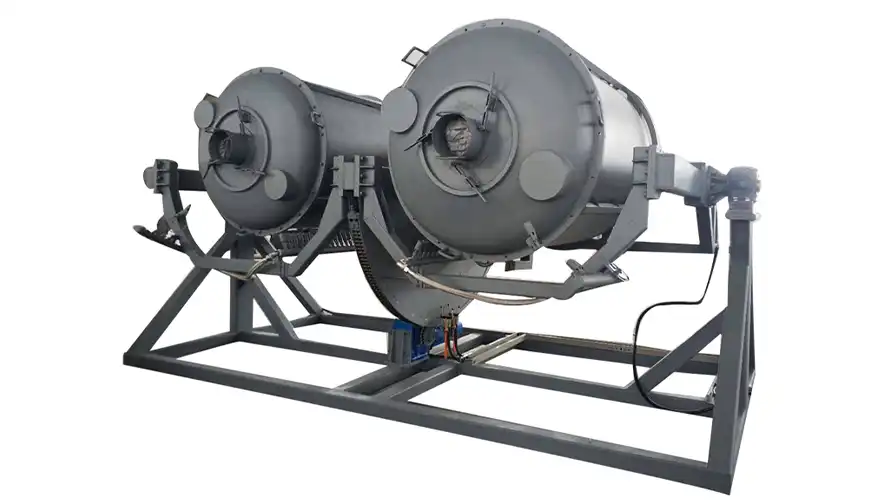
Suitable for large, seamless parts such as storage tanks. Molds in this method are typically made from mild steel or aluminum.
Cost-Reduction Strategies Without Compromising Quality
- Use optimized cooling systems to reduce cycle time
- Employ hybrid molds made from composite materials
- Simulate the molding process using specialized software (e.g., MoldFlow) before mold fabrication
SEO Tips for Polymer Mold Selection
To improve search engine rankings, focus on keywords like “polymer molding,” “plastic part production,” and “best molding methods.” Producing educational content with practical case studies increases content engagement.
Frequently Asked Questions (FAQ)
What is the difference between single-cavity and multi-cavity molds?
Single-cavity molds are suitable for large and complex parts, whereas multi-cavity molds enhance production efficiency for small parts.
Can one mold be used for different polymer materials?
This depends on the thermal and chemical compatibility of the materials. It is essential to consult materials engineers before changing the raw material.