In the rotational molding (rotomolding) industry, the quality of the final product depends on more than just the raw materials. The type of mold and its thermal behavior play a critical role in determining product quality, production efficiency, and overall manufacturing costs. One of the most important factors in mold selection is the heat transfer performance of aluminum, stainless steel, and iron molds in rotomolding.
The rotational molding process relies on the gradual heating of the mold, uniform melting of the polymer powder, and controlled cooling of the finished product. Therefore, any variation in heat transfer characteristics can directly affect surface finish quality, wall thickness consistency, production cycle time, and even mold lifespan.
In this article, we provide a technical comparison of aluminum, stainless steel, and iron molds used in the rotomolding industry and identify the most suitable option for manufacturing industrial components and polyethylene storage tanks.
?Why Is Heat Transfer Important in Rotomolding
Unlike many plastic injection molding processes, rotational molding operates with little to no internal pressure. As a result, successful part formation depends almost entirely on efficient and uniform heat transfer.
The process consists of the following stages:
- The mold is placed inside the oven.
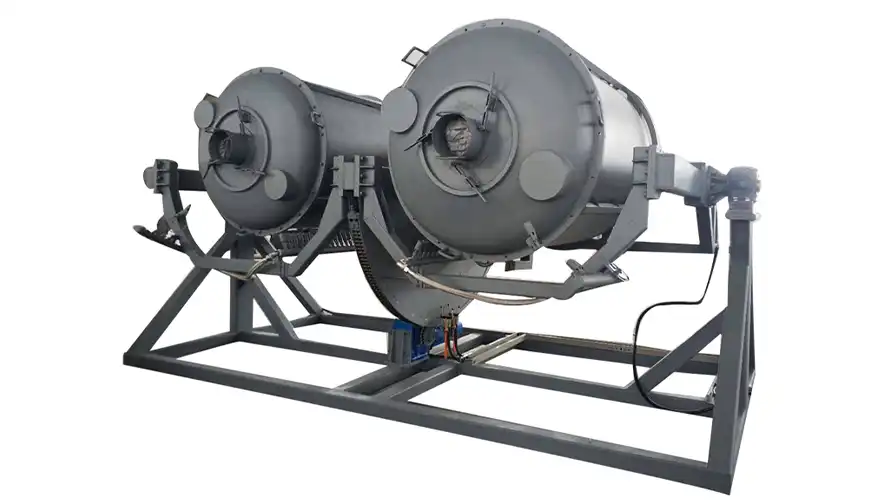
- The mold rotates simultaneously around two perpendicular axes.
- The polymer powder gradually melts.
- The molten material adheres to the inner surface of the mold.
- The molded part is cooled and removed from the mold.
If the mold cannot transfer heat evenly, several production issues may occur:
- Thin sections in specific areas of the part
- Non-uniform wall thickness
- Increased production cycle time
- Product warpage and deformation
- Poor surface finish quality
- Higher energy consumption
For these reasons, mold material selection is one of the most critical decisions in the design of a rotational molding production line.
Thermal Conductivity of Common Mold Materials
The approximate thermal conductivity values of commonly used mold materials are shown below:
| Mold Material | Thermal Conductivity (W/m·K) |
| Aluminum | 150 – 220 |
| Steel (Stainless Steel) | 15 – 50 |
| Iron | 45 – 80 |
These values clearly demonstrate that aluminum transfers heat several times more efficiently than stainless steel.
This superior thermal conductivity is the primary reason why aluminum molds dominate the global rotomolding industry.
1.Aluminum Molds in Rotomolding
Why Is Aluminum the Most Popular Mold Material?
Today, more than 70% of professional rotomolding molds worldwide are manufactured from aluminum.
The primary reason for this widespread adoption is aluminum’s exceptional heat transfer capability.
Advantages of Aluminum Molds
Faster Heating (1
Heat is distributed rapidly and uniformly throughout the entire mold, minimizing temperature variations.
2)Faster Cooling
Improved thermal conductivity significantly reduces cooling time and increases production efficiency.
3)Reduced Production Cycle Time
In many manufacturing facilities, aluminum molds can reduce cycle times by approximately 15% to 30%.
4)Lower Energy Consumption
Since aluminum heats more efficiently, ovens require less time and energy to reach processing temperatures.
5)Superior Surface Finish
CNC-machined aluminum molds provide excellent surface quality, resulting in aesthetically superior finished products.
Improved Wall Thickness Uniformity Uniform heat distribution ensures more consistent polymer flow and wall .thickness throughout the molded part
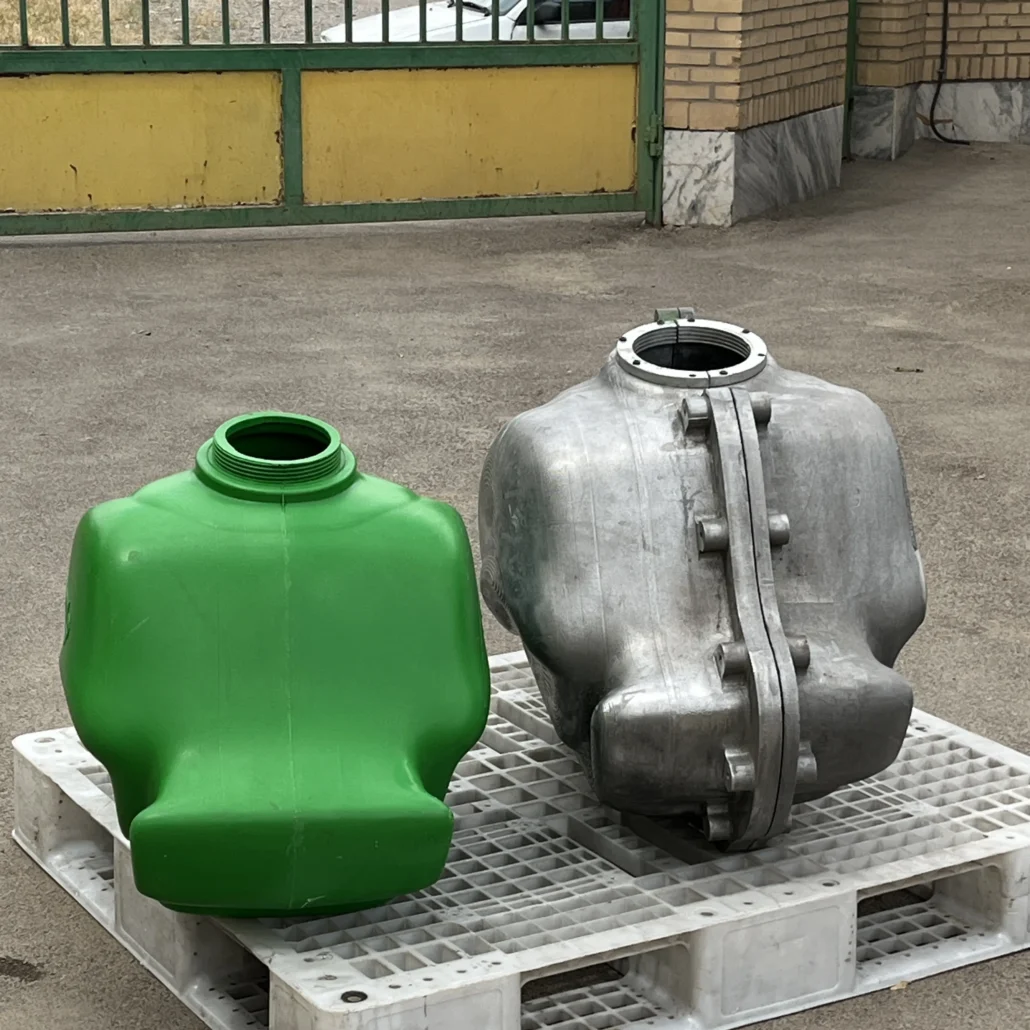
Disadvantages of Aluminum Molds
- Higher initial investment cost
- Greater sensitivity to severe impacts and mechanical damage
- Requires precision CNC machining and advanced manufacturing processes
Despite these limitations, the thermal advantages of aluminum are so significant that it remains the preferred choice for most industrial rotomolding applications.
2.Stainless Steel Molds in Rotomolding
Stainless steel molds are typically selected when exceptional mechanical strength and durability are required.
Advantages of Stainless Steel Molds
1)Outstanding Mechanical Strength
Stainless steel offers excellent resistance to impact, deformation, and mechanical stress, making it suitable for demanding industrial environments.
2)Long Service Life
In heavy-duty applications, stainless steel molds can remain operational for many years with minimal structural degradation.
3)Corrosion Resistance
Particularly in stainless steel grades designed for corrosion resistance, molds can perform reliably in harsh environments and high-humidity conditions.
Disadvantages of Stainless Steel Molds
1)Poor Thermal Conductivity
The most significant drawback of stainless steel in rotational molding is its relatively low heat transfer efficiency.
2)Longer Production Cycles
Both heating and cooling phases require more time compared to aluminum molds.
3)Higher Energy Consumption
Ovens must operate longer to achieve the required processing temperatures, increasing overall energy costs.
4)Increased Manufacturing Costs
Extended cycle times result in lower production efficiency and higher operating expenses.
For these reasons, stainless steel molds are used only in specialized rotomolding applications where mechanical durability outweighs thermal performance considerations.
3.Iron Molds in Rotomolding
Before the widespread adoption of CNC-machined aluminum molds, iron molds were commonly used in the rotational molding industry.
Advantages of Iron Molds
1)Lower Initial Cost
Iron molds are generally less expensive to manufacture than aluminum molds, with fabrication costs often being approximately 1.5 times lower.
2)Good Mechanical Strength
Iron provides adequate resistance to impact and mechanical loads in many industrial applications.
3)Easy Repair and Modification
Iron molds can be welded, repaired, and modified relatively easily, making maintenance straightforward and cost-effective.
Disadvantages of Iron Molds Compared to Aluminum
1)Heavy Weight
The significantly higher weight of iron molds makes handling, installation, and transportation more difficult.
2)Less Efficient Heat Distribution
In complex geometries, uneven heat transfer can result in wall thickness variations and inconsistent product quality.
3)Corrosion Susceptibility
Without proper maintenance and surface protection, iron molds are prone to rust and corrosion.
4)Longer Production Cycles
Compared with aluminum molds, iron molds require longer heating and cooling periods, reducing overall production efficiency. As a result, although iron molds may offer lower upfront costs, they often lead to higher operational expenses and lower productivity over the long term.
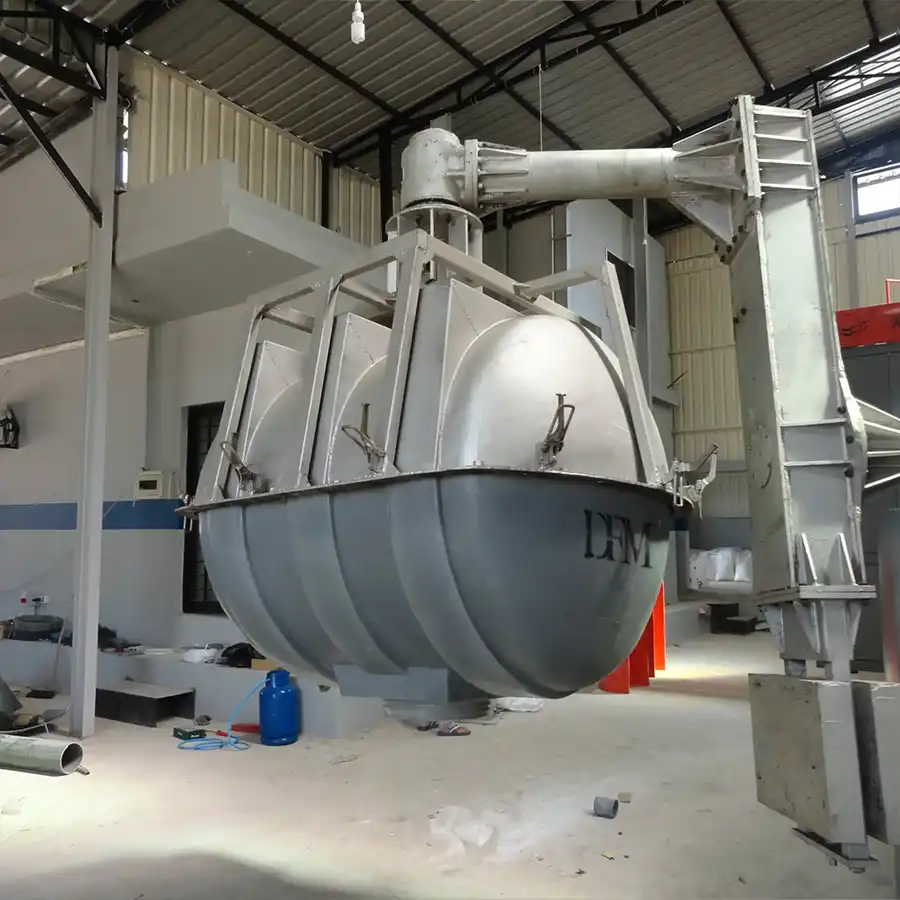
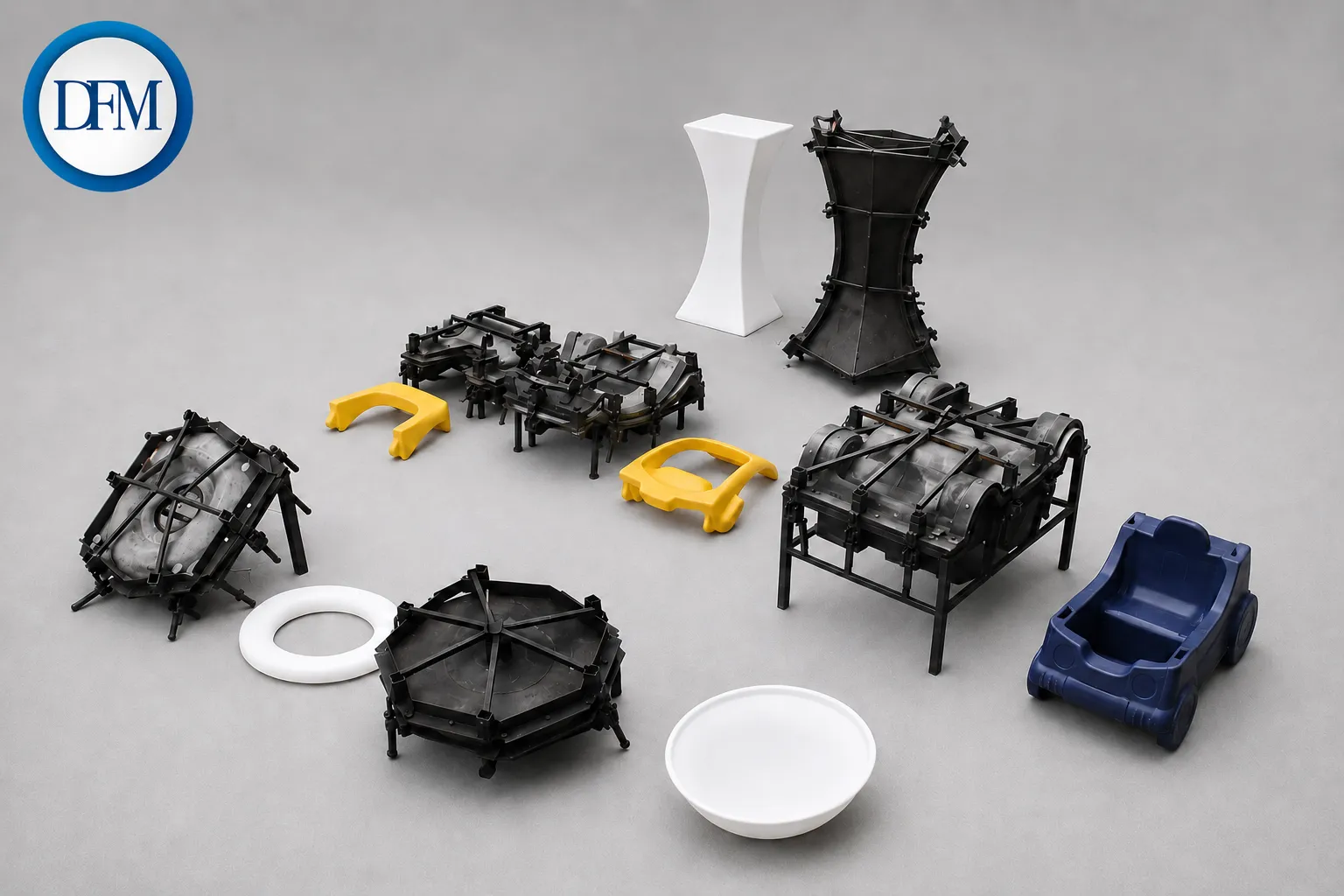
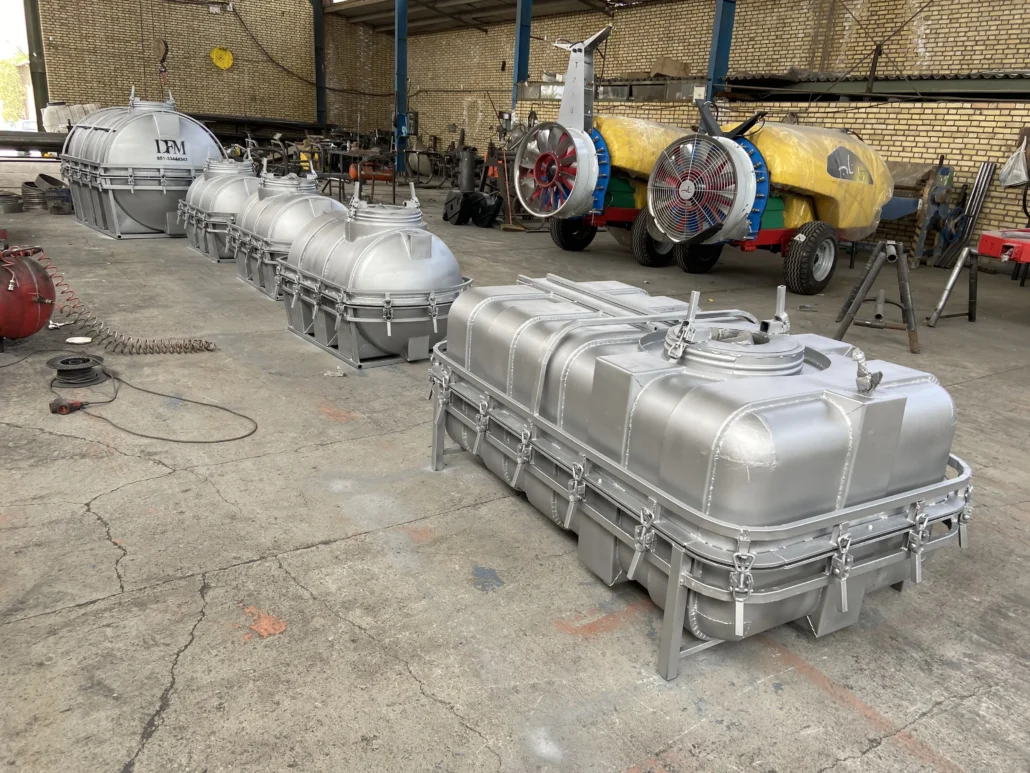
.Iron molds for polyethylene water storage tanks, designed and manufactured by Davaran Fydar Maham
Direct Comparison of Aluminum, Stainless Steel, and Steel Molds
| Feature | Aluminum | Stainless Steel | Carbon Steel |
| Thermal Conductivity | Excellent | Poor | Moderate |
| Production Cycle Time | Short | Long | Moderate |
| Surface Finish Quality | Excellent | Good | Moderate |
| Mold Weight | Lightweight | Heavy | Heavy |
| Energy Consumption | Low | High | Moderate |
| Mechanical Strength | Good | Excellent | Good |
| Initial Manufacturing Cost | High | Medium | Low |
| Popularity in Rotomolding | High | Low | Moderate |
Which Mold Material Is Better for Polyethylene Tank Production?
1. Aluminum Molds
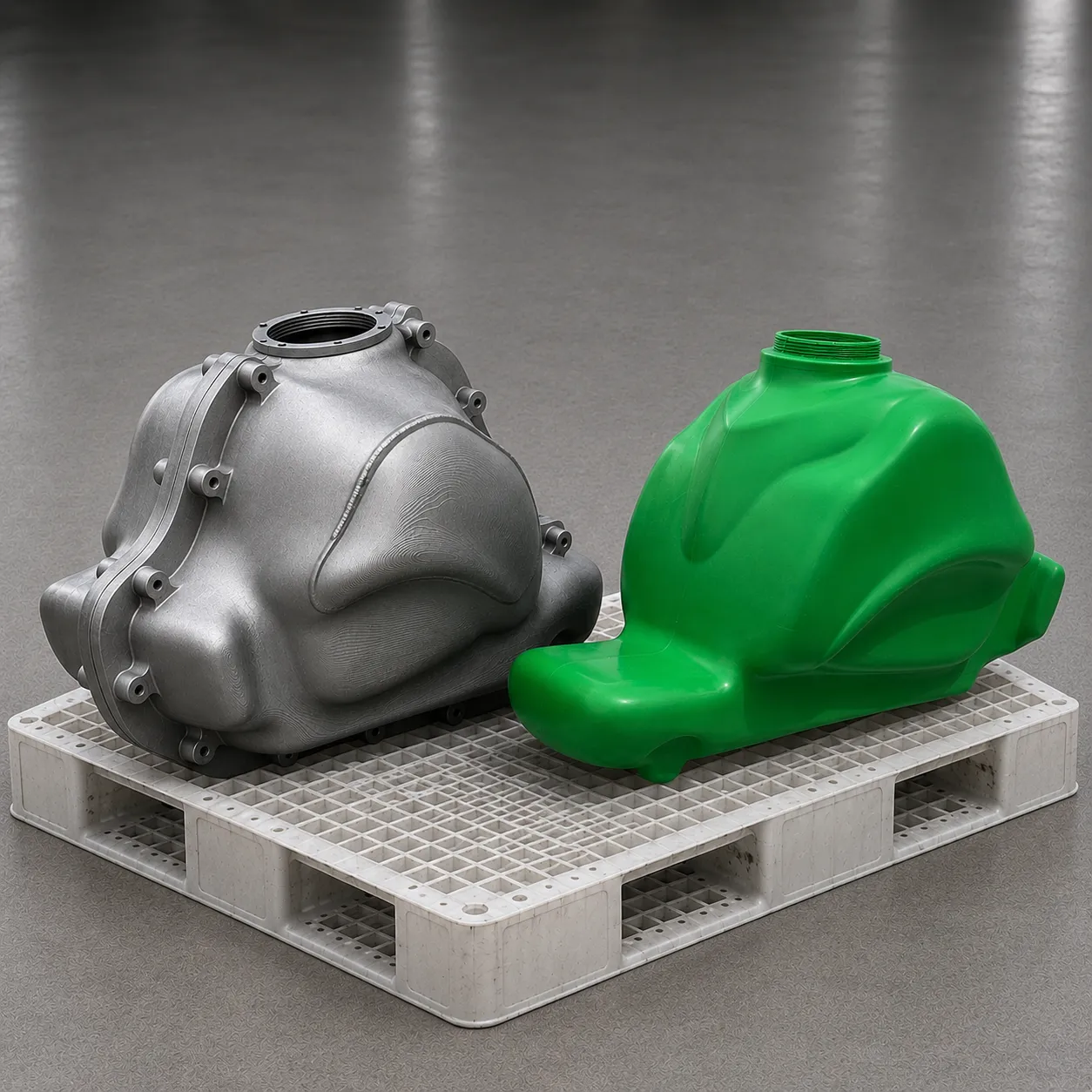
Aluminum molds are ideal for manufacturing complex and specialized components featuring intricate geometries, curves, contours, and detailed designs. They are also the preferred choice for products used in specialized industries where strict dimensional tolerances, precise physical properties, and high-quality standards are required.
Key Advantages:
- Rapid and efficient heat transfer
- Reduced energy consumption
- Superior product quality
- Shorter production cycles
- Excellent wall thickness uniformity
For these reasons, most leading rotomolding manufacturers worldwide utilize aluminum molds for high-performance and precision-engineered products.
2. Steel and Stainless Steel Molds
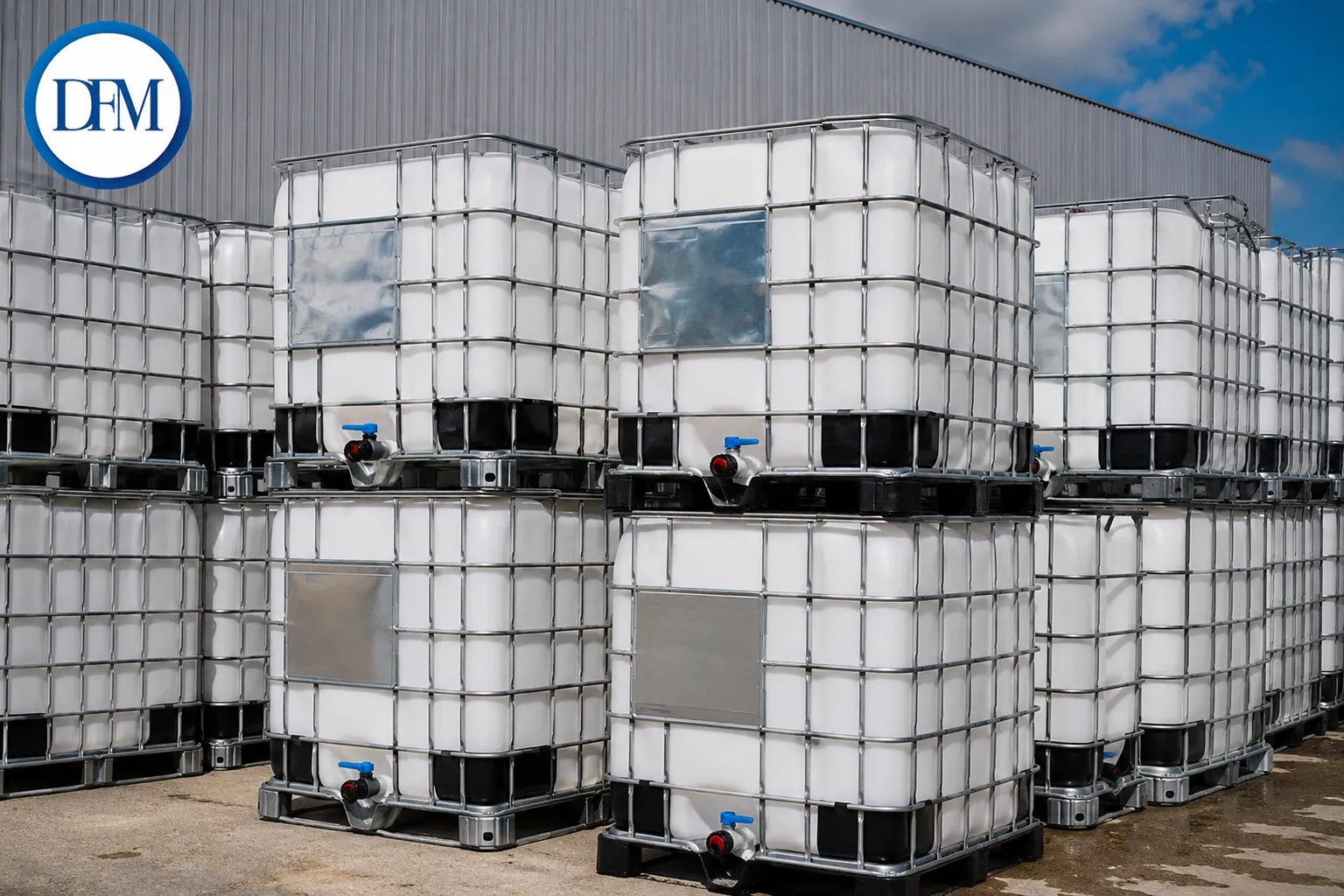
Steel and stainless steel molds are generally more suitable for the production of general-purpose tanks and standard applications, including water storage tanks, agricultural tanks, septic tanks, and similar products where extreme dimensional precision is not a primary requirement.
These molds offer good mechanical strength, durability, and a lower initial investment cost, making them a practical solution for many conventional rotomolding applications.
Davaran Fydar Maham’s Experience in Mold Material Selection
At Davaran Fydar Maham, mold material selection is never based solely on initial manufacturing cost. Instead, a comprehensive engineering evaluation is conducted that considers all critical technical factors, including:
- Heat transfer performance
- Product specifications
- Production volume requirements
- Part dimensions
- Long-term manufacturing costs
- Expected service life of the mold
The company’s extensive experience in rotomolding mold design and manufacturing has demonstrated that, in many industrial applications, investing in aluminum molds results in significant long-term savings through reduced cycle times, lower energy consumption, and improved production efficiency.
Conclusion
The comparison of heat transfer performance among aluminum, stainless steel, and steel molds in rotational molding clearly demonstrates that mold thermal characteristics directly influence product quality, energy consumption, and manufacturing productivity.
When product quality, operational efficiency, and production cost optimization are the primary objectives, aluminum molds remain the preferred solution for the rotomolding industry. Stainless steel molds are suitable for specialized applications requiring exceptional mechanical strength, while steel molds continue to serve as a cost-effective option for standard and general-purpose products. As a result, a significant portion of the global rotomolding industry has transitioned toward CNC-machined aluminum molds. This same engineering approach is reflected in the specialized projects developed and manufactured by Doran Fidar Maham, where performance, efficiency, and long-term value remain key priorities.