What Liquids Can Be Stored in Polyethylene Tanks?
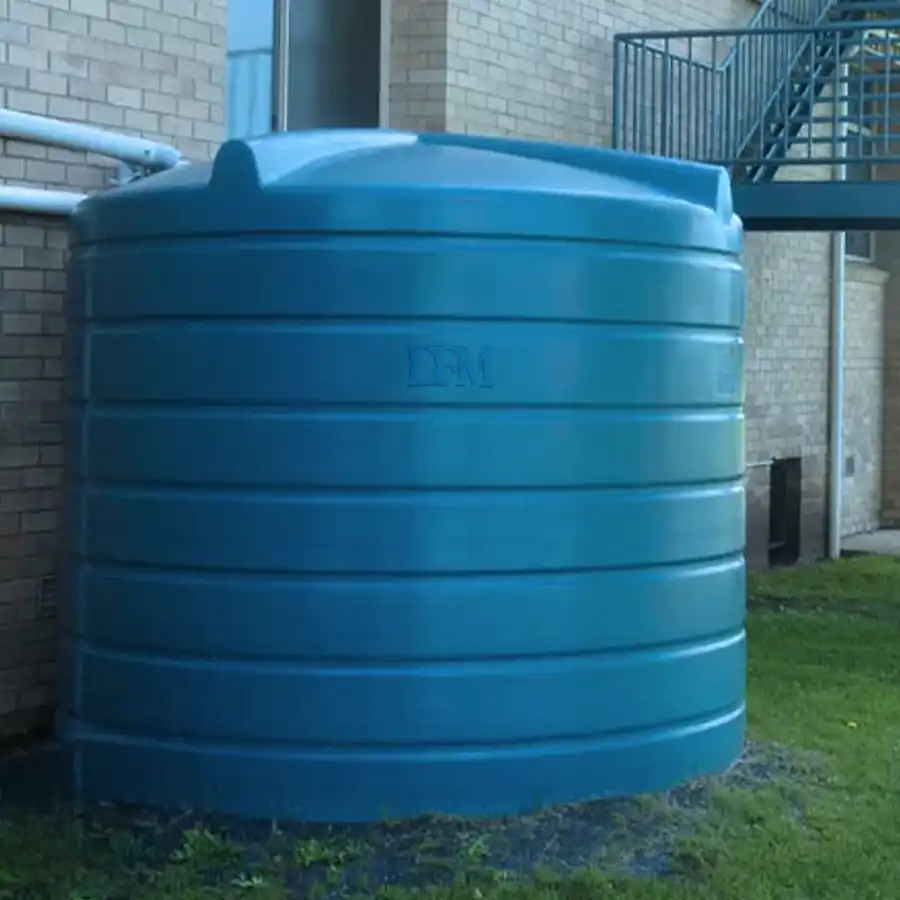
Polyethylene tanks are primarily known for storing water, but they can be used for a wide variety of liquids depending on their specific gravity and chemical properties. Here’s a detailed guide on the types of liquids suitable for storage in polyethylene tanks.
1. Water and Liquids with Similar Density
Polyethylene tanks are commonly used for storing water because its specific gravity is 1. Any liquid with a specific gravity close to or lower than water can also be stored in these tanks. This includes liquids that are less dense than water, or those whose density is within 20% higher than water.
These types of tanks are ideal for water sources, including drinking water and irrigation purposes. Since polyethylene is resistant to corrosion and most acidic or alkaline liquids, it is a versatile choice for various applications.
2. Storing Acids and Other Chemical Solutions
Polyethylene is known for its excellent resistance to acidity and alkalinity, making it suitable for storing various chemical solutions. Even highly acidic or basic liquids can be safely stored without damaging the tank.
This makes polyethylene tanks a great choice for:
- Acid solutions
- Bases
- Chemical mixtures
For substances with a higher specific gravity, such as concentrated acids, you might need to use tanks with reinforced walls or additional metal supports. It’s crucial to consult the tank manufacturer for guidance on tanks that can handle these conditions.
3. Petroleum Derivatives
Polyethylene tanks are also appropriate for storing petroleum-based products. This includes:
- Diesel
- Gasoline
- Oils
Polyethylene’s non-reactive properties help it safely store these liquids without the risk of corrosion or degradation of the tank material.
4. Storing Food and Edible Liquids
One of the advantages of polyethylene is that it is often food-grade, meaning it’s hygienic and safe for storing consumable liquids. These tanks are widely used to store:
- Drinking water
- Edible liquids (e.g., juices, oils)
The fact that polyethylene doesn’t leach harmful chemicals into food or drink makes it ideal for storage purposes in the food industry.
5. Moving and Transporting Liquids
When it comes to transporting liquids, additional considerations need to be made. In addition to the density of the liquid, you must account for the dynamic pressure created by the movement and shaking during transportation. This pressure could stress the tank’s structure, requiring special tanks that are reinforced with greater weight or metal supports.
Consulting with the manufacturer is critical when ordering a tank for transporting liquids, as they will ensure the tank is designed to withstand these conditions.
Conclusion
Polyethylene tanks are versatile and reliable for storing a wide range of liquids. They are suitable for:
- Water and similar liquids
- Chemical solutions (acids and bases)
- Petroleum derivatives
- Food and drink
For the safe transport of liquids, especially those with a higher density or dynamic pressure, it’s important to choose a specialized tank designed for the purpose.
Creating, repairing and modifying templates