
Introduction
Precise mold design and engineering in the rotational molding process significantly affect product quality, production efficiency, and cost optimization. Below, we explore the impact of proper design in several key aspects:
-
Uniform Material Distribution and Wall Thickness Control
Geometric Mold Design:
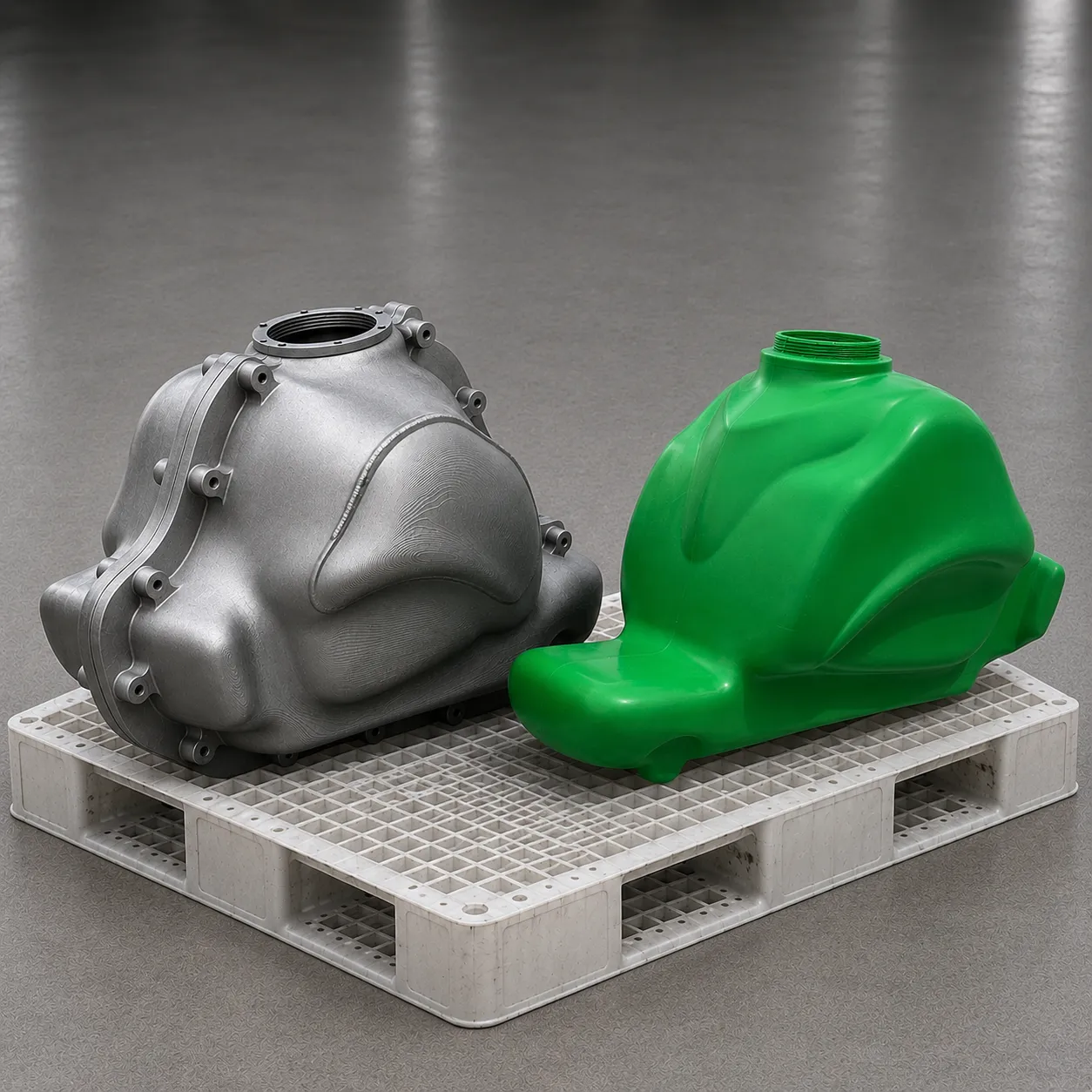
Using molds with smooth surfaces and appropriate radii (no sharp corners) prevents material accumulation in edges and helps ensure uniform wall thickness.
Proper Mold Dimensions:
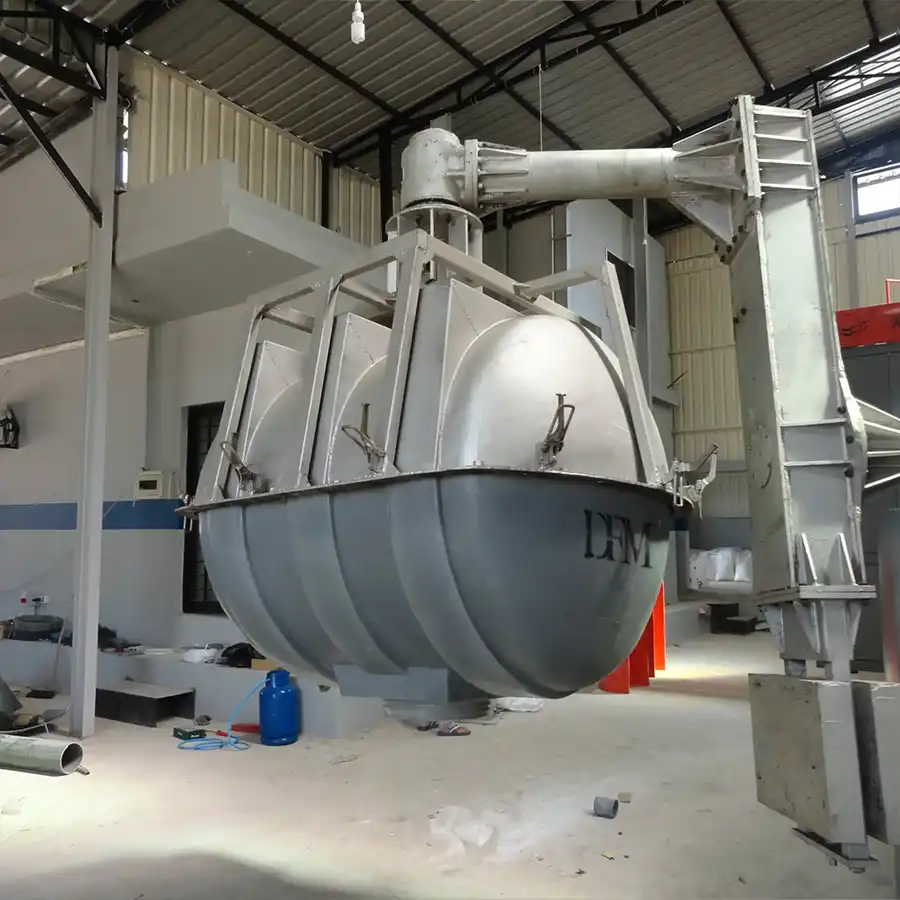
The depth and width of the mold must be matched to the rotation time and speed so that the material can adequately reach all sections of the mold.
-
Surface Quality of the Final Product
Mold Surface Polishing:
A polished inner mold surface reduces flow lines and results in a smoother final product, which is especially important for decorative or medical-grade products.
Surface Texture Design:
Engraved or textured molds allow for desired patterns such as tread or lettering to be transferred onto the surface of the product.
-
Reducing Production Defects (Bubbles, Cracks, Warping)
Mold Venting:
Proper venting valves release gases formed during the melting process and prevent bubbles or porosity in the finished product.
Uniform Cooling:
Well-designed cooling channels in the mold prevent thermal stress and reduce warping after cooling.
-
Easier Product Release and Longer Mold Life
Draft Angles:
Adding a 1–3° draft angle to vertical walls facilitates easier product release and prevents damage to both the mold and product.
Material and Coating:
Using stainless steel or applying non-stick coatings (like PTFE) increases mold lifespan and reduces the need for lubricants.
-
Optimizing Production Time and Costs
Multi-Cavity Molds:
Designing molds with multiple cavities enables simultaneous production of several parts, enhancing efficiency.
Mold Weight and Balance:
Proper mold balance reduces machine energy consumption and prevents mechanical wear.
-
Flexibility in Product Design
Modular Molds:
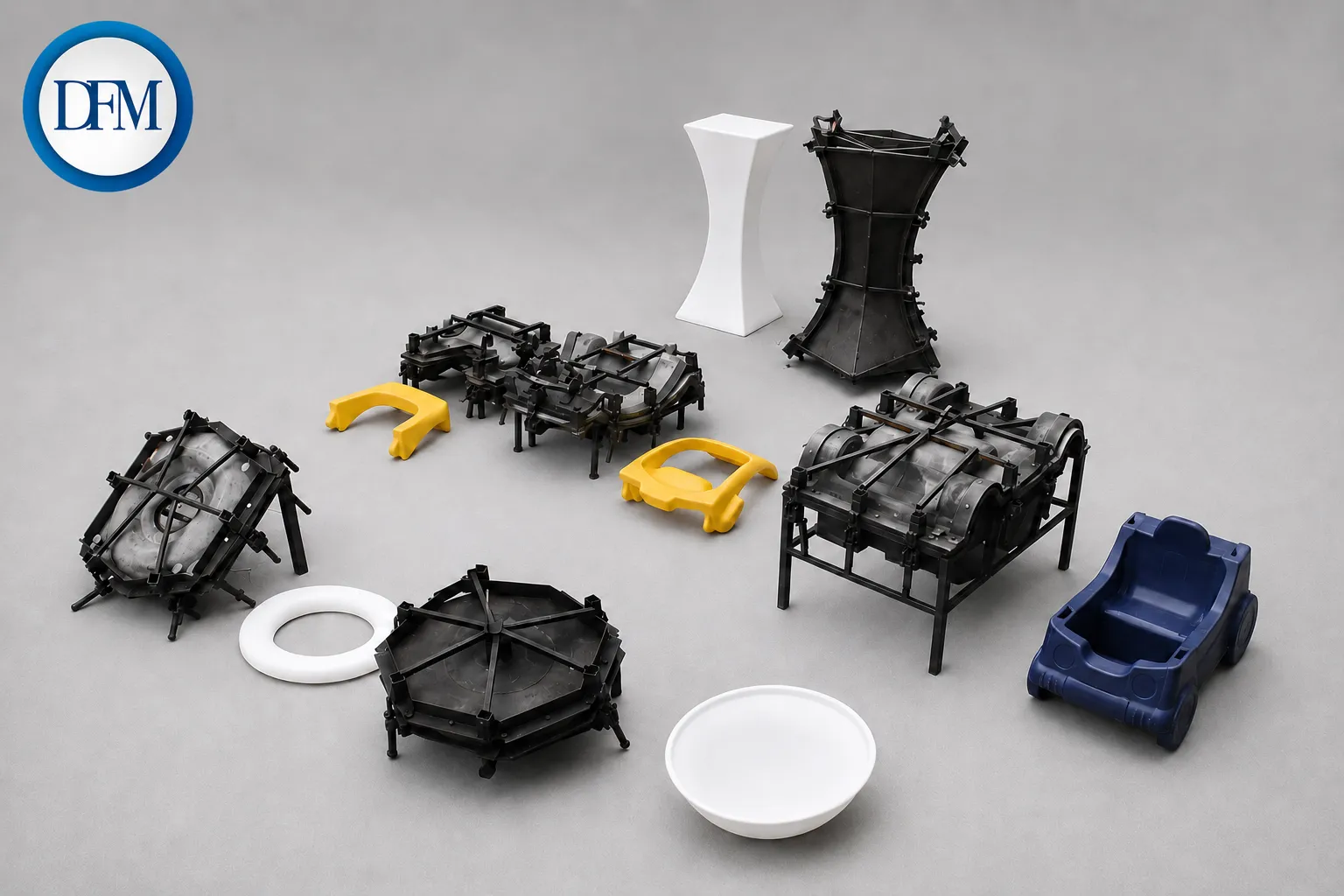
Modular mold designs allow for the creation of complex and hollow products like multilayer tanks or industrial fittings.
Material-Specific Design:
Molds must be optimized according to the type of polymer used (e.g., PE, PP, nylon) to avoid sticking or incomplete melting.
-
Long-Term Cost Efficiency
Although high-quality molds involve higher initial investment, they reduce scrap and extend mold life—leading to significantly lower long-term production costs.
Conclusion
Key Characteristics of an Ideal Mold:
- Geometry suited for rotational motion (no sharp corners)
- Effective venting and cooling system
- Durable material with non-stick coating
- Ability to produce dimensionally accurate parts
- Easy assembly and maintenance
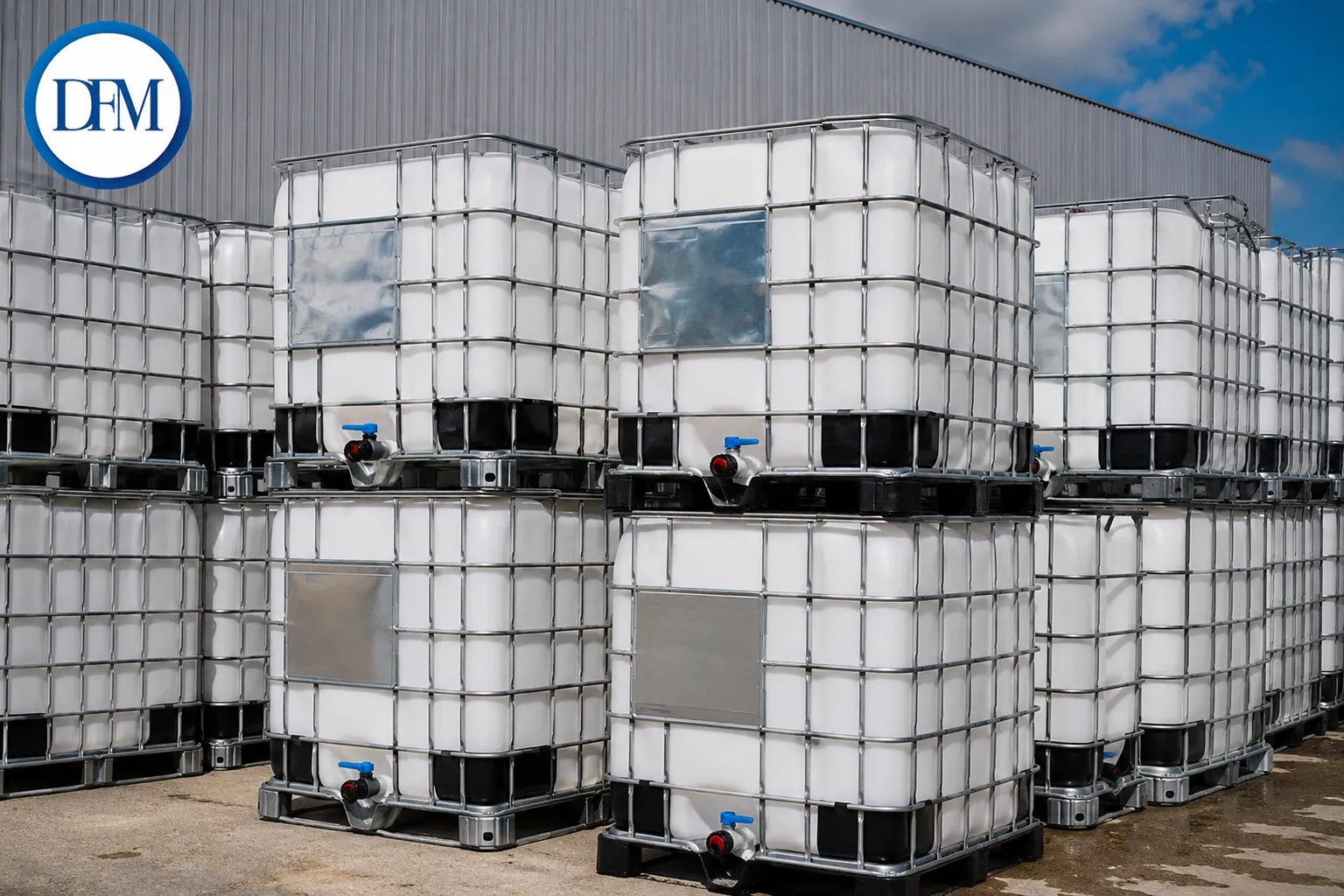
Inadequate mold design can result in product issues like inconsistent wall thickness, bubbles, cracks, or difficulty in demolding. For instance, in polyethylene tank production, proper mold design directly affects leak resistance and product lifespan.