
Introduction
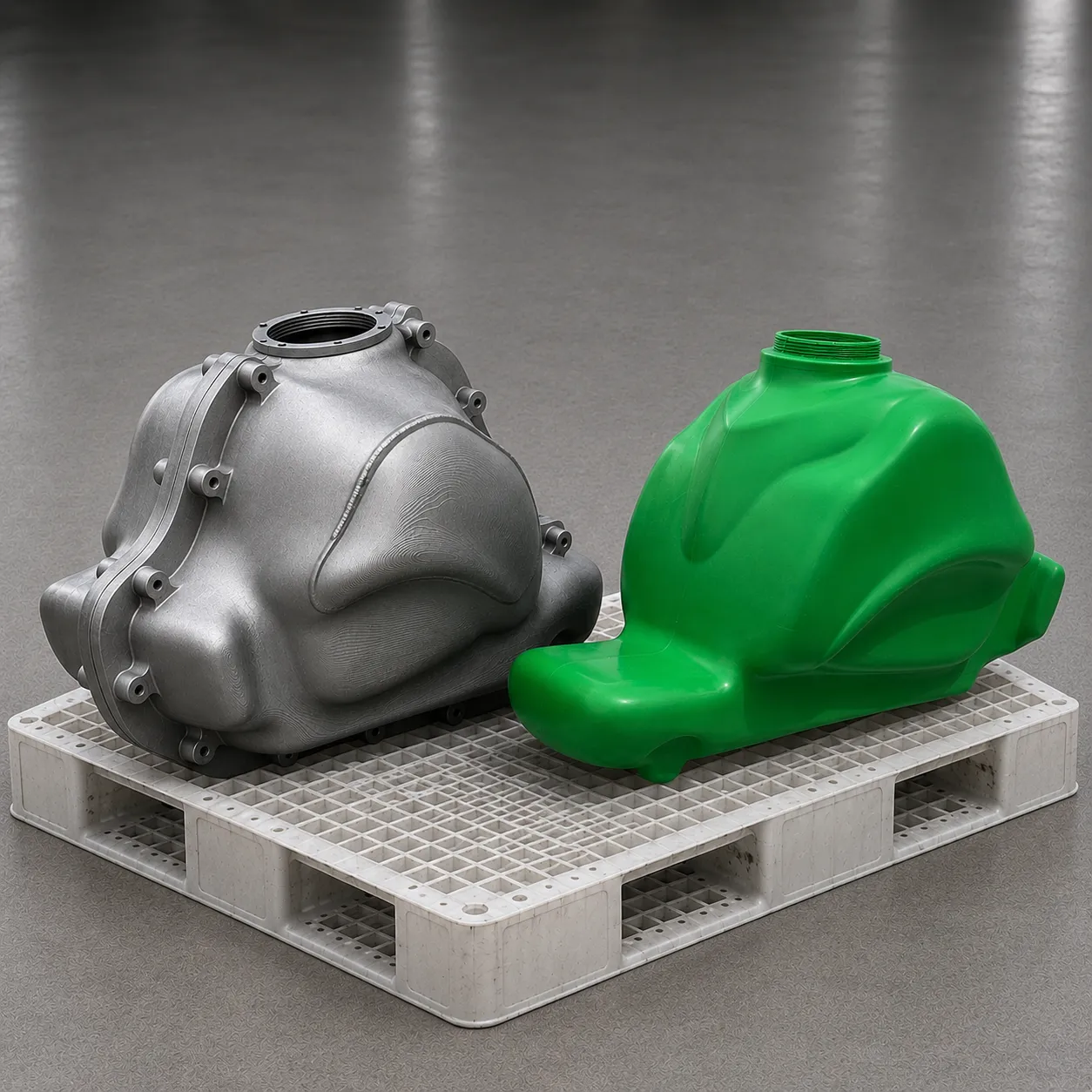
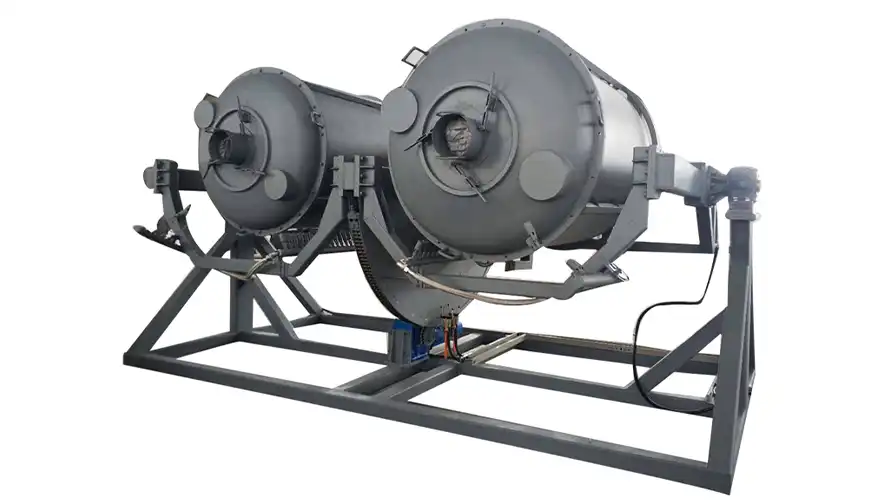
Rotational molding is recognized as one of the most important methods for producing plastic components in various industries, including water tank manufacturing, toys, and industrial enclosures. One of the most common types of machines used in this process is the carousel-type rotational molding machine, which enables continuous and optimized production through the rotation of molds across multiple stations. In this article, we explore strategies to enhance production efficiency using these machines.
1) Optimizing Process Parameters
Precise Temperature Control
Proper adjustment of temperatures in different phases (heating, holding, and cooling) plays a vital role in determining product quality and cycle time. For instance, when producing polyethylene (HDPE) water tanks, the heating phase can be set within the range of 220–240°C. Additionally, using a controlled cooling rate helps minimize surface waves, improve dimensional stability, and reduce the cycle time.
Adjusting Rotational Speeds
The rotational speed of the carousel machine‘s axes should be set based on the size and type of the part. For smaller parts, starting with a low speed (10–15 RPM) and gradually increasing to higher speeds (25–35 RPM) ensures better material distribution. For larger parts, the rotation speed should be more conservative to prevent material imbalance within the mold.
2) Mold Design and Maintenance
Optimized Mold Design
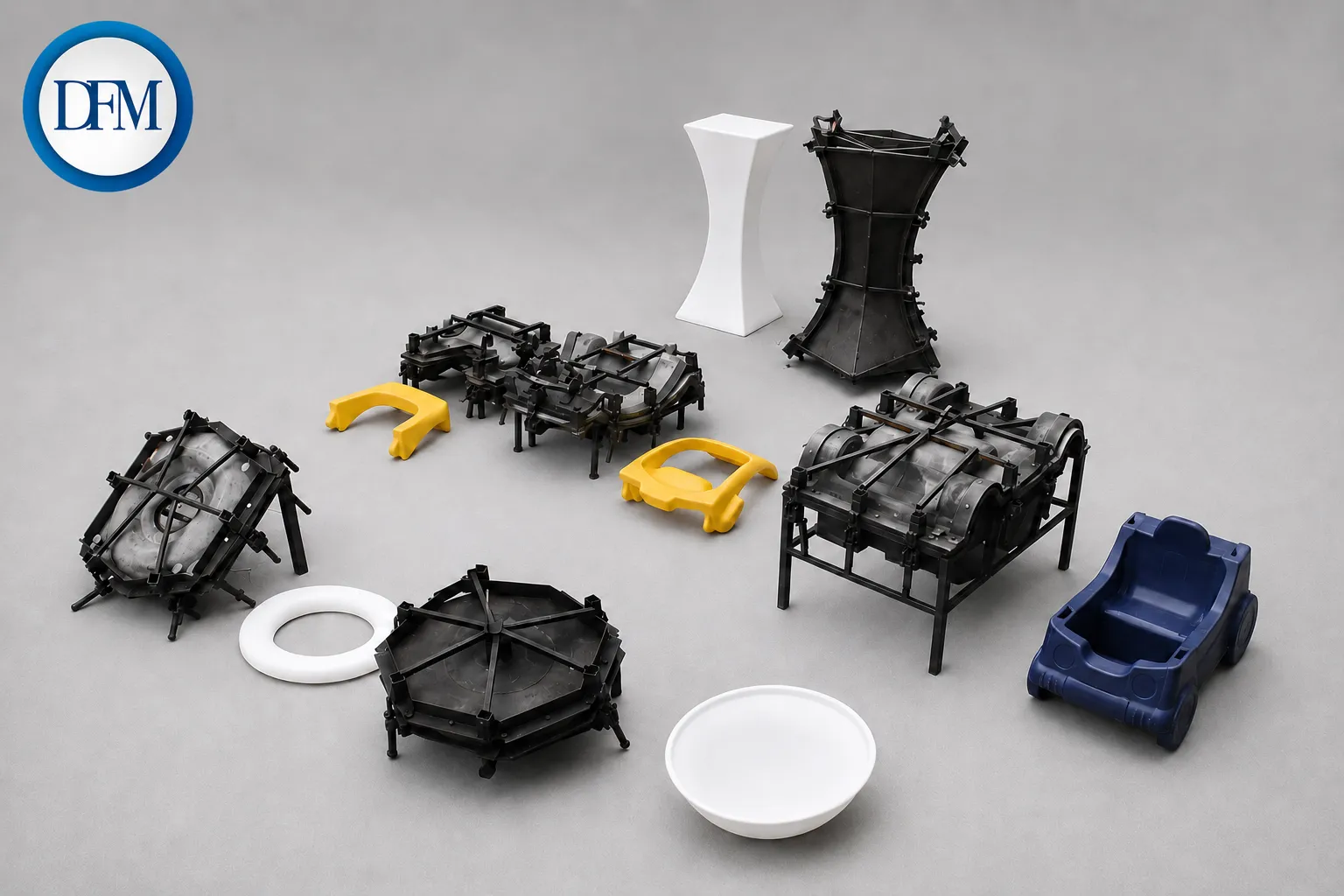
The structure of the mold should match the dimensions and complexity of the product. For larger molds, using multi-part (detachable) structures facilitates cleaning and extends the mold’s service life.
Use of Non-Stick Coatings
Applying high-quality mold release agents on the surface helps with easy part removal and reduces internal surface wear. This not only extends the mold’s life but also minimizes downtime due to maintenance and repair.
Conclusion
By optimizing operational parameters in carousel-type rotational molding machines—such as precise temperature control, proper rotation speed settings, and improved mold design—manufacturers can significantly increase production efficiency. These strategies not only enhance product quality but also play a crucial role in reducing operational costs and improving the competitiveness of manufacturing units.