
Introduction
In the polymer parts manufacturing industry, choosing the right molding method plays a vital role in determining the product’s final quality, production speed, and cost. This article explores the key differences, advantages, and applications of two widely used techniques: Rotational Molding (Rotomolding) and Injection Molding.
-
Production Process
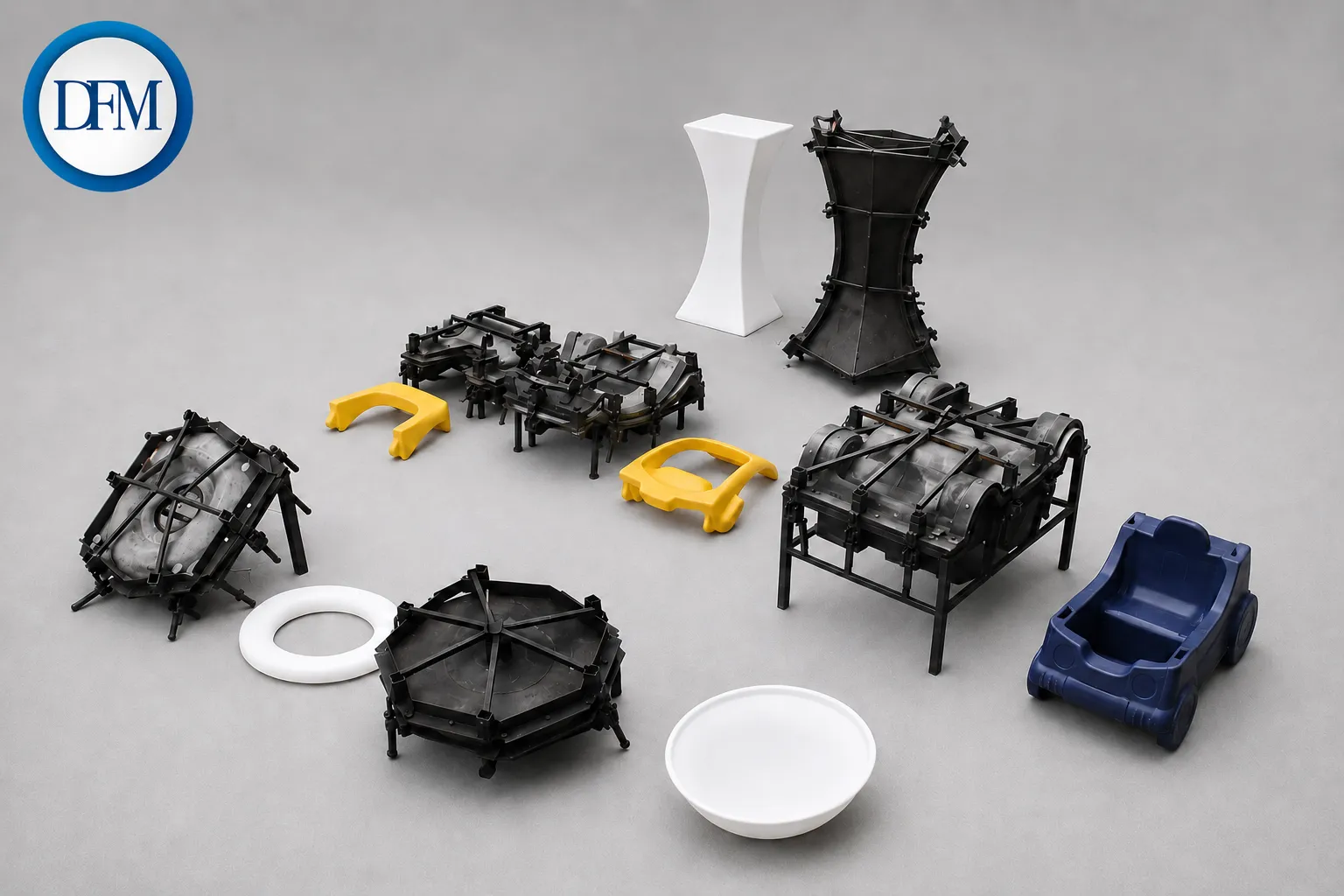
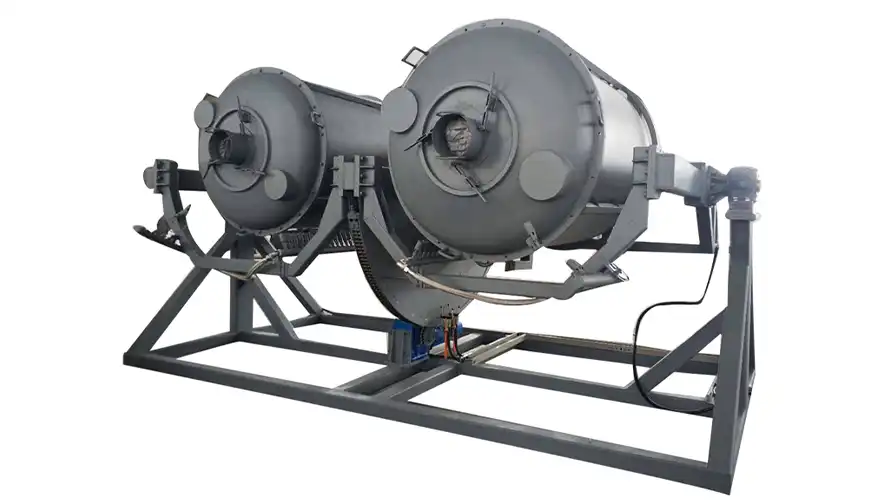
In rotational molding, plastic powder is poured into a mold and then heated while the mold rotates on two axes. The material melts and adheres to the mold walls to form the final shape.
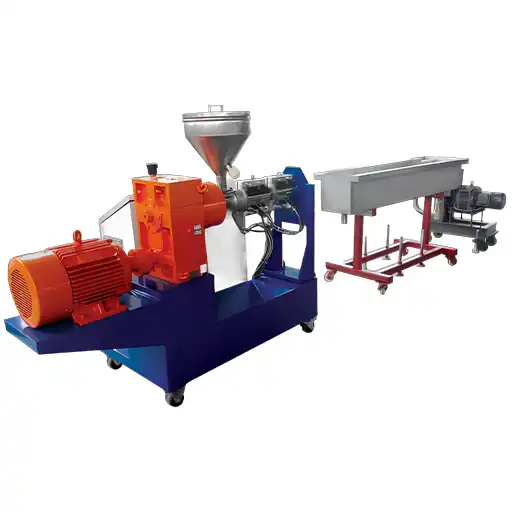
In contrast, injection molding involves injecting molten plastic under high pressure into a mold cavity, making it more suitable for producing high-precision parts.
-
Mold Design and Dimensional Accuracy
Injection molds are typically more complex and expensive, but they enable mass production with excellent dimensional accuracy.
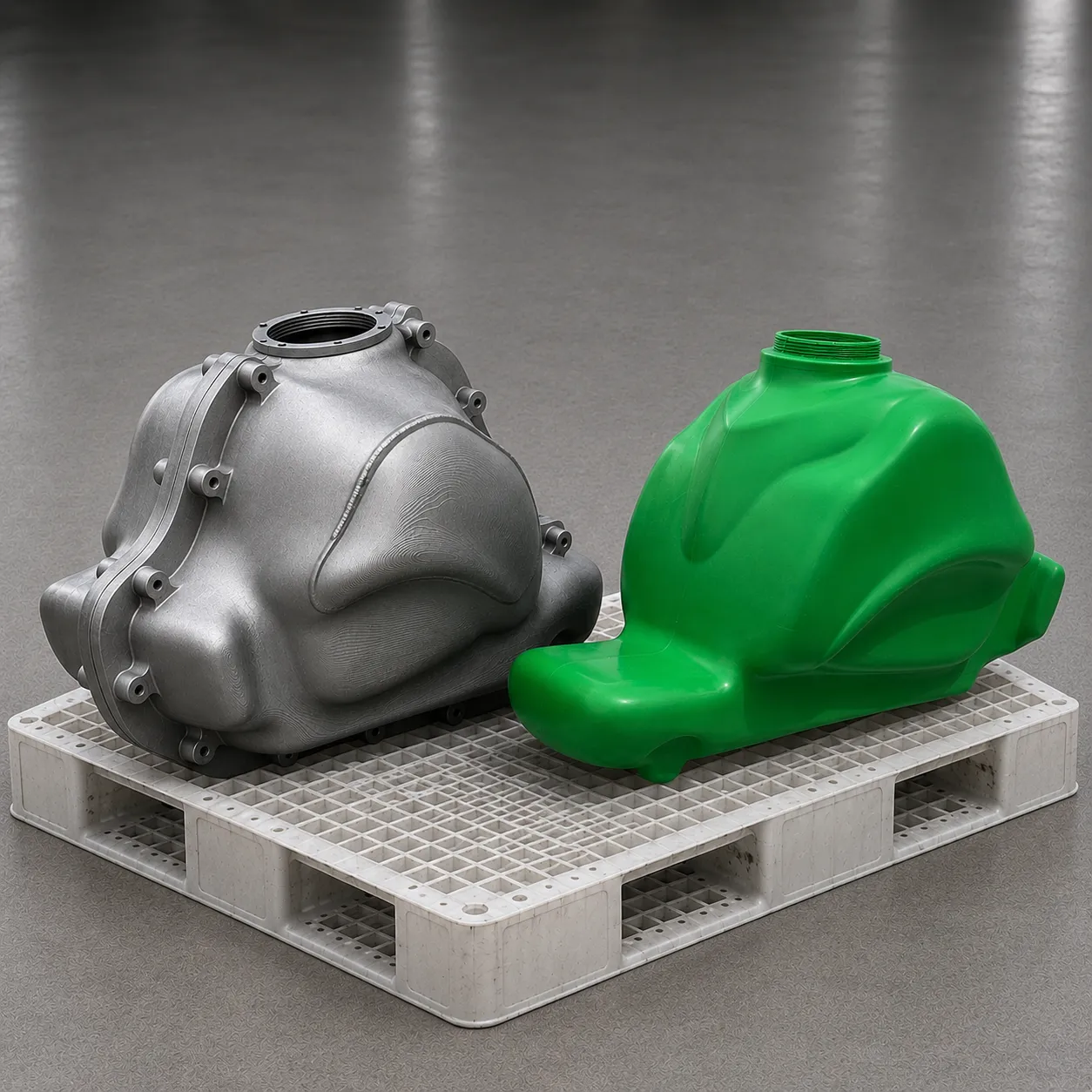
Rotational molding uses simpler and more affordable molds and creates parts with uniform wall thickness, making it ideal for producing large or hollow parts — though with lower dimensional precision.
-
Applications and Advantages
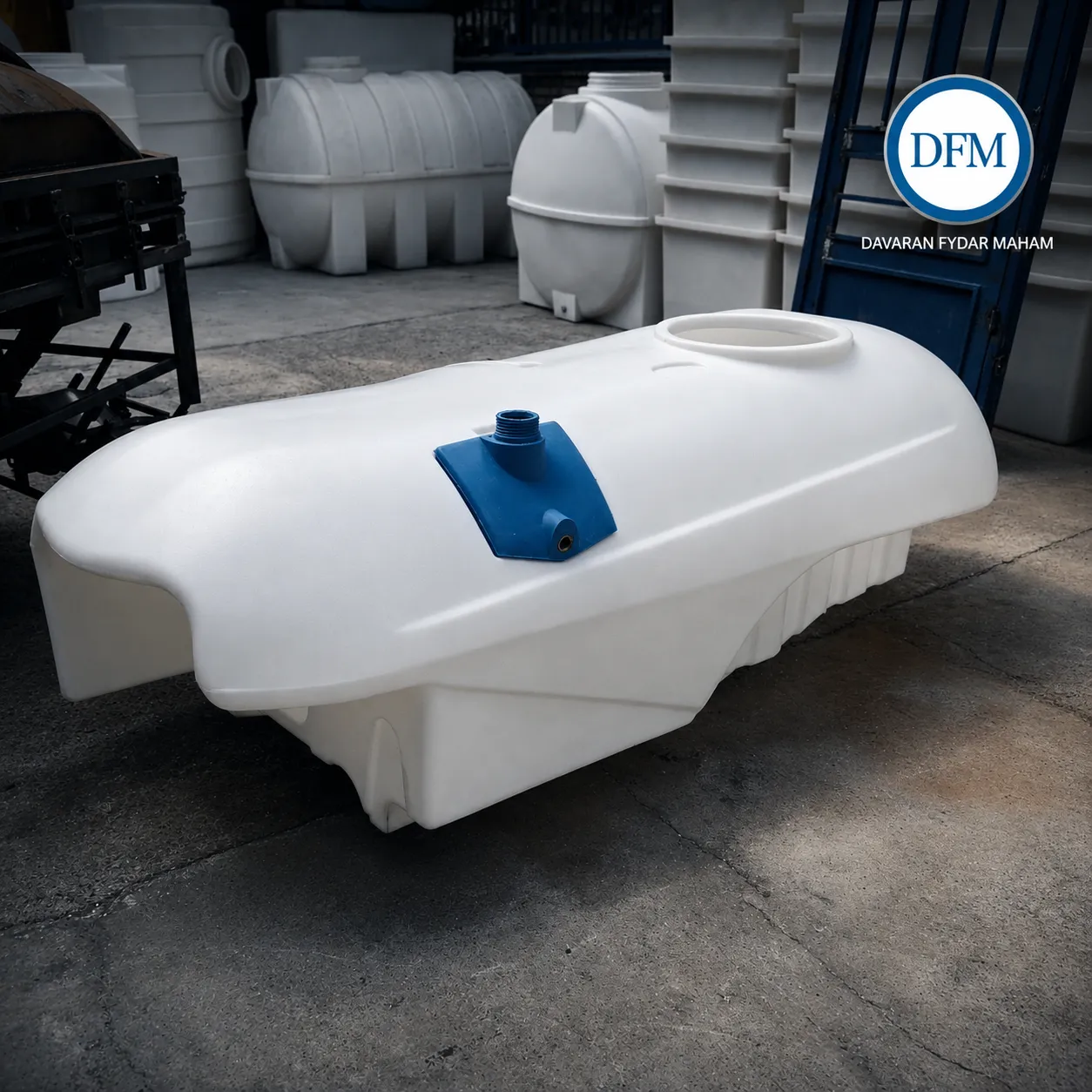
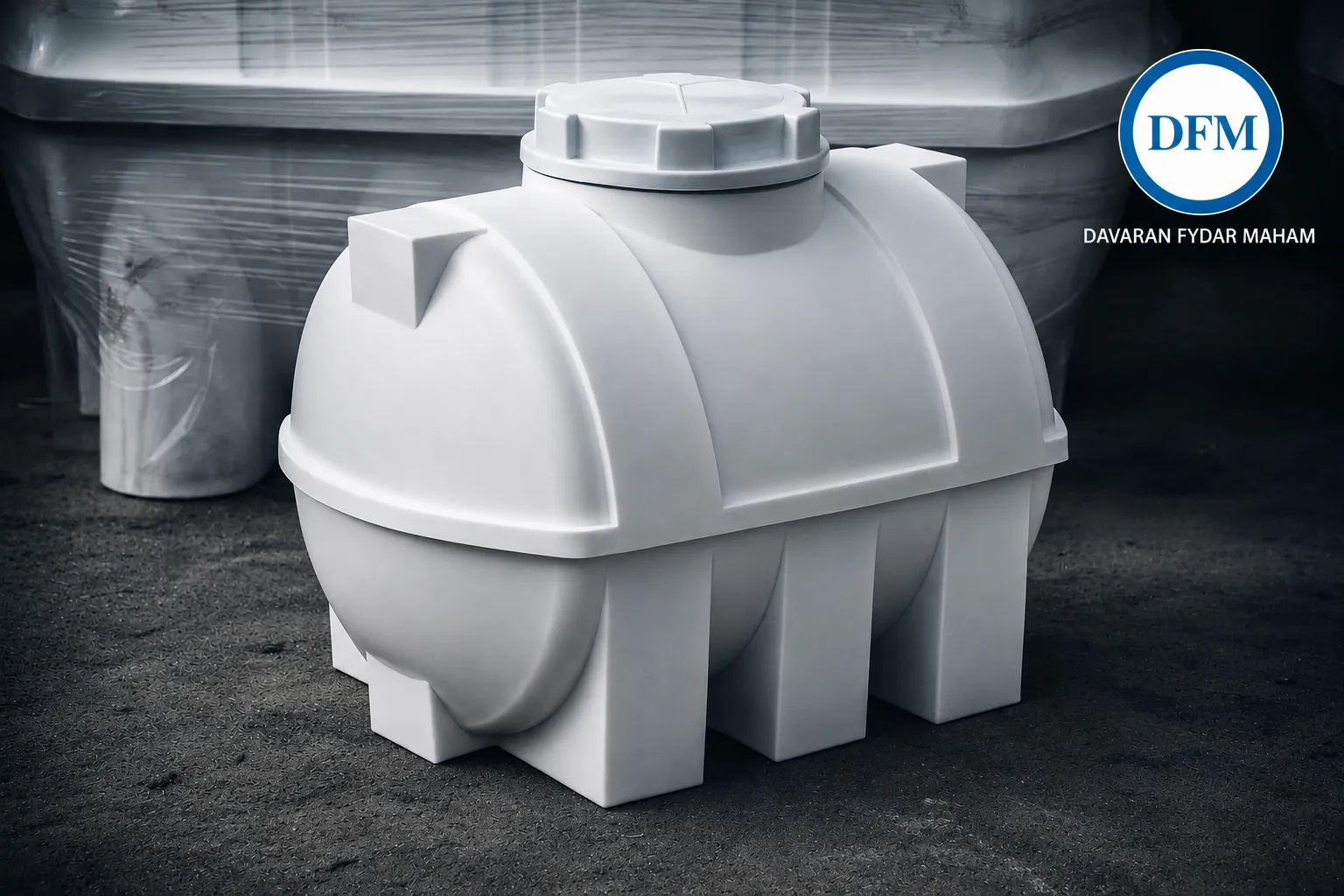
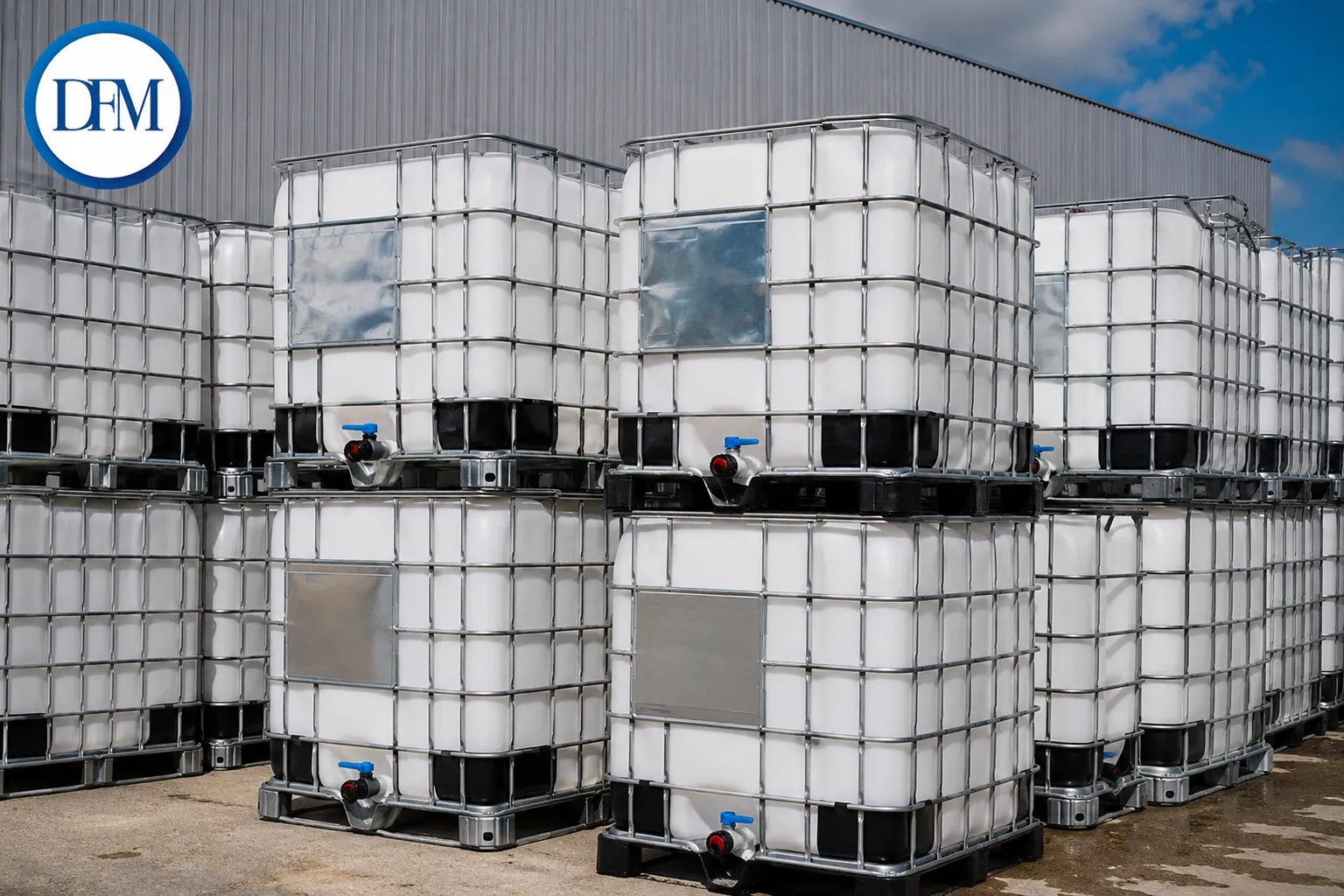
Rotomolding is best suited for manufacturing tanks, industrial equipment, and seamless large parts.
Injection molding is preferred for producing small, detailed, and high-volume items such as automotive components, home appliances, and medical parts.
Conclusion
If your project demands mass production, high dimensional precision, and complex mold design, injection molding is the most efficient choice.
However, for manufacturing large, hollow, or robust parts with simple designs, rotational molding offers a more cost-effective and practical solution.