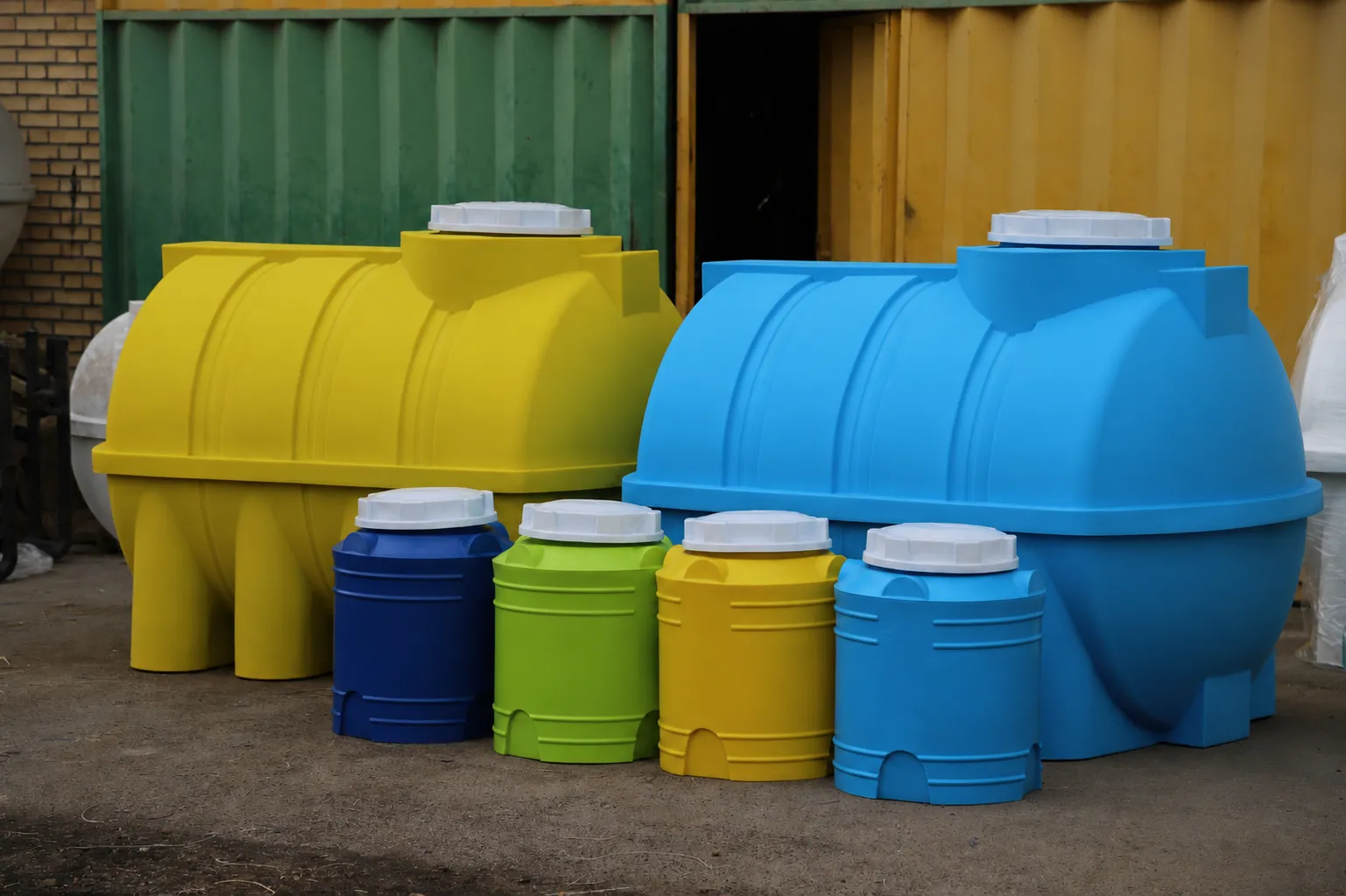
Why Color Choice Determines the Fate of Your Product
Introduction
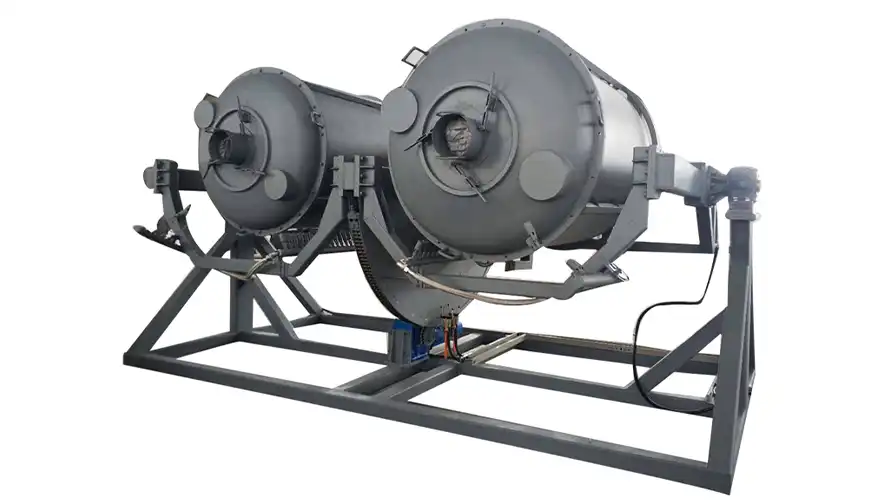
Rotational molding, or rotomolding, is one of the main methods for producing large, hollow plastic products such as polyethylene tanks, fuel tanks, and complex industrial components. This process is highly popular in the industry due to its flexibility and the ability to create diverse shapes. However, the critical role of color compounding with plastic in rotational molding is often overlooked.
Color is not just an aesthetic aspect—it directly impacts the quality, durability, and lifespan of the product. A well-colored product can withstand years of sun exposure and harsh environmental conditions, whereas a poorly colored product may quickly fade or crack.
Why Color Compounding Matters in Rotational Molding
- Enhances the visual appeal and attractiveness of the product to customers.
- Establishes brand identity and allows product customization.
- Improves durability and resistance to UV rays and environmental conditions.
- Provides functional differentiation (e.g., blue color for potable water tanks).
- Increases customer trust in both domestic and export markets.
Methods of Color Compounding in Rotomolding
The table below provides a comprehensive comparison of color application methods in rotational molding:
| Color Compounding Method | Description | Advantages | Disadvantages | Common Applications |
| Dry Blending (Powdered Pigment) | Mixing powdered pigment with polymer before loading into the mold | Cost-effective, fast, suitable for small batches | Color inconsistency, streaking possible | Small custom productions |
| Masterbatch | Plastic pellets containing concentrated colorant | Uniform dispersion, higher quality | Higher cost, requires specific equipment | Parts with stable color |
| Pre-colored Powder | Polymer powder pre-colored by the manufacturer | Highest quality, excellent UV resistance | More expensive, less flexibility for color changes | Water tanks, export products |
| Liquid Colorants | Adding liquid color with stabilizers to polymer powder | Unique colors, high blending capability | Difficult to achieve uniformity, risk of spotting | Specialty products |
| Post-Molding Coloring | Painting or printing on the finished product | Enables logos, patterns, and custom designs | Lower durability, prone to scratches | Logos, branding, product customization |
Key Factors in Choosing a Coloring Method
- Color Durability
Products like polyethylene water tanks are constantly exposed to sunlight. Therefore, UV-stable pigments are essential. - Production Cost
- Mass production: pre-colored powders are optimal.
- Small batches or customized production: masterbatch or powdered pigments are more economical.
- Product Application
- Water storage tanks must use food-grade pigments compliant with FDA standards.
- Industrial or fuel-related parts require pigments resistant to chemical and thermal stress.
- Color Uniformity
Companies like Davaran Fydar Maham prioritize pre-colored powders to ensure no visible differences on the product surface.
Common Challenges in Color Compounding
- Uneven color distribution across the product body.
- Color shift under prolonged sunlight exposure.
- Higher costs for pigments resistant to harsh conditions.
- Adhesion issues in certain methods, such as post-molding coating.
Innovations and New Technologies
- Nano UV-resistant pigments: enhance sunlight resistance.
- Antibacterial pigments: used for hygiene-sensitive and medical products.
- Direct digital printing on plastic: enables custom designs and branding.
- Multi-functional additives: combine color with UV stabilizers and other enhancers in one process.
Global Standards for Color Compounding
Compliance with standards ensures quality and global acceptance:
- FDA Food Grade: safe for direct contact with water and food.
- ASTM D1998: global standard for polyethylene tanks.
- ISO 9001: ensures quality control throughout the production process.
Role of Davaran Fydar Maham in Producing Colored Products
By leveraging modern technology and using standard polymers with high-quality colored powders, Davaran Fydar Maham produces products with:
- High color durability
- Resistance to UV radiation
- Customizable colors for domestic and export markets
The company adheres to international standards, earning the trust of foreign markets as well.
Conclusion
Color compounding with plastic in rotational molding is not just an aesthetic choice—it plays a central role in product quality, durability, and market acceptance. Choosing the right coloring method, following standards, and applying modern technologies can be the difference between a low-quality product and a premium, long-lasting product.