
Maintenance of Rotational Molding Molds | Methods to Extend Lifespan and Proper Repair
Introduction
Maintaining molds in rotational molding is crucial for ensuring the final quality of plastic products and extending the lifespan of production equipment. In this process, molds are subjected to high heat, continuous rotation, and direct contact with materials. Over time, they can wear out, crack, or deform. Without proper maintenance and repair, not only does the quality of the final product decline, but production costs also increase significantly.
Rotational molding is widely used in various industries, including the production of polyethylene tanks, industrial equipment, and large plastic components, due to its flexibility and cost-effectiveness. The key to success in this process lies in regular mold maintenance. A consistent program of cleaning, inspection, and timely repair can extend mold life and maximize production efficiency.
Understanding Rotational Molding and the Role of Molds
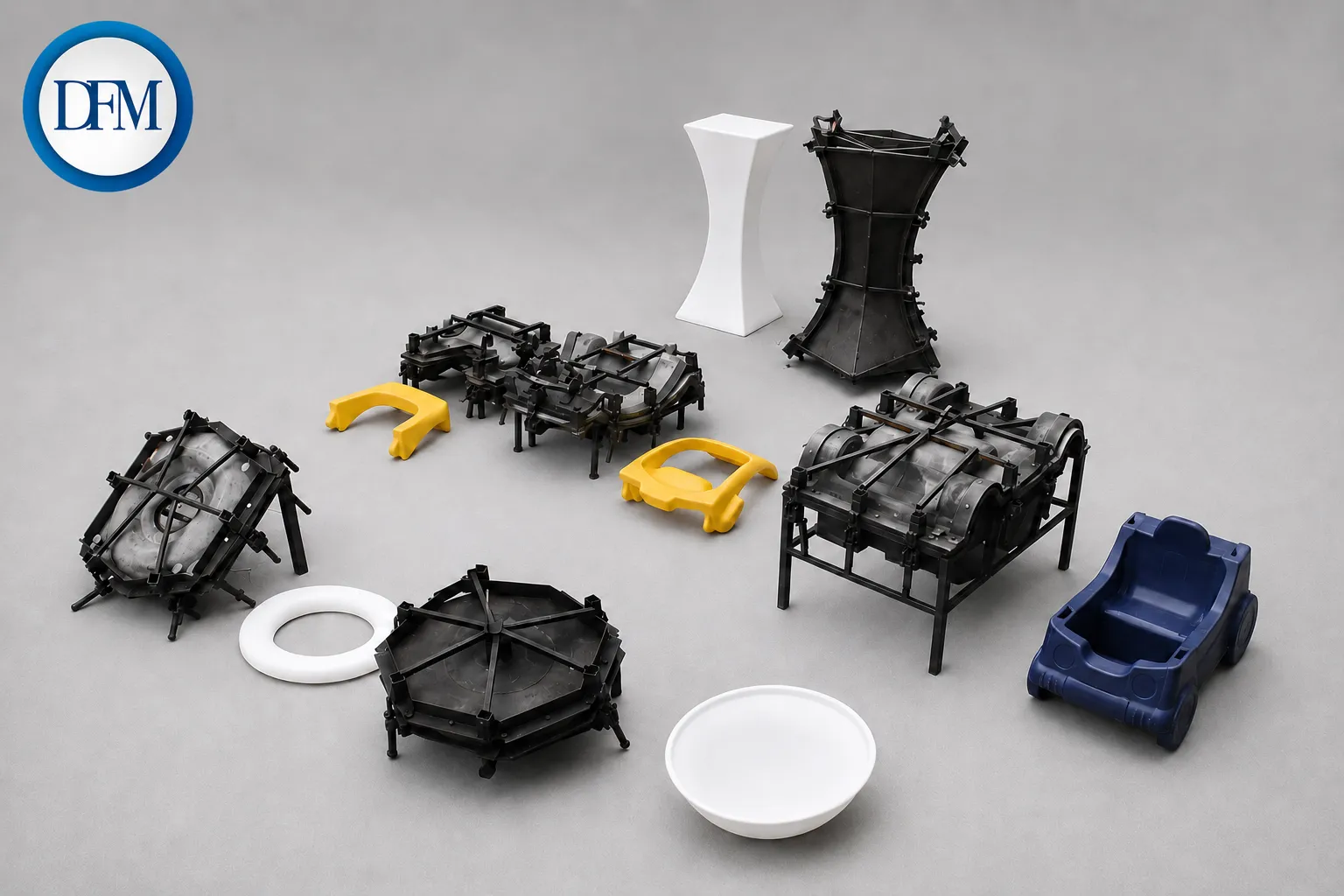
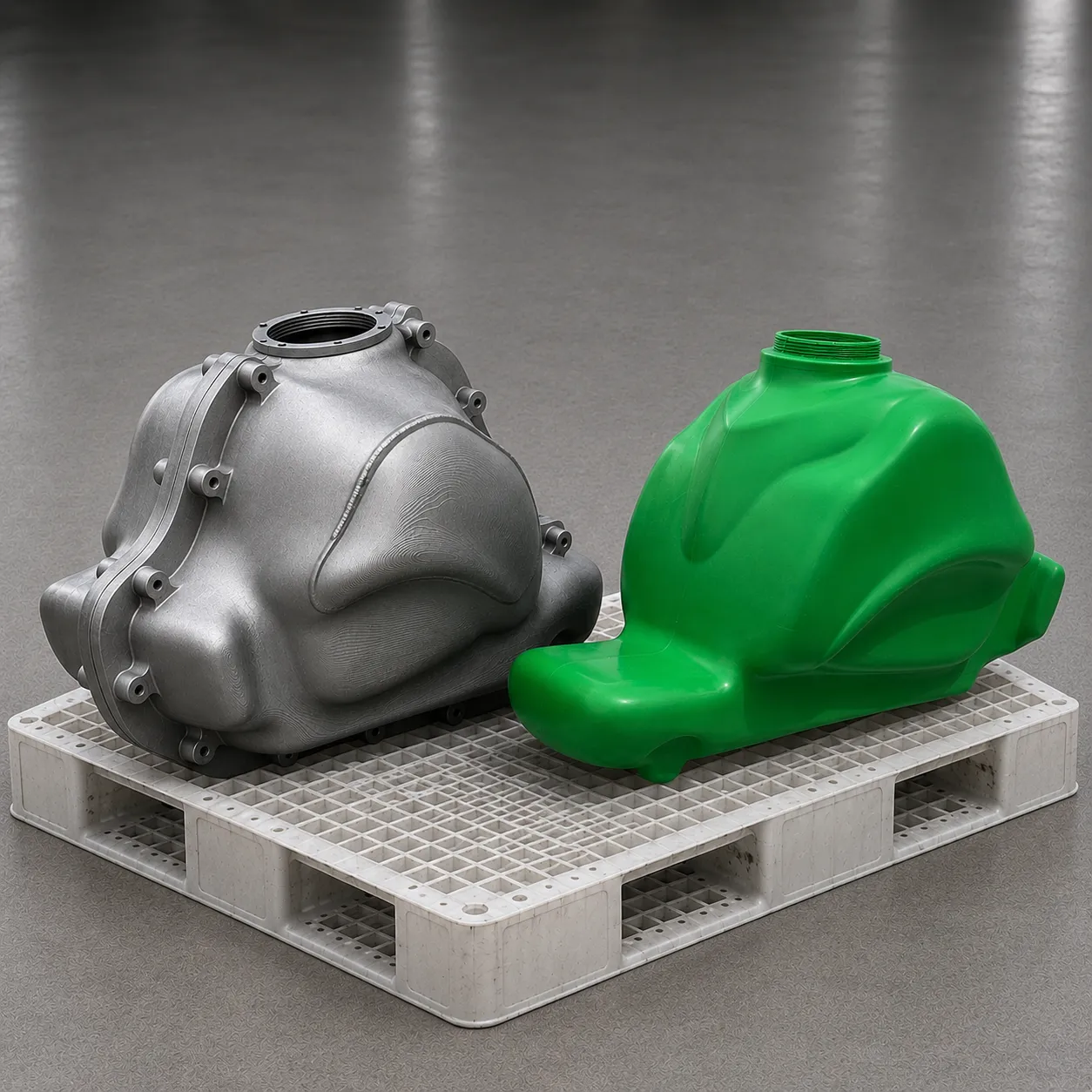
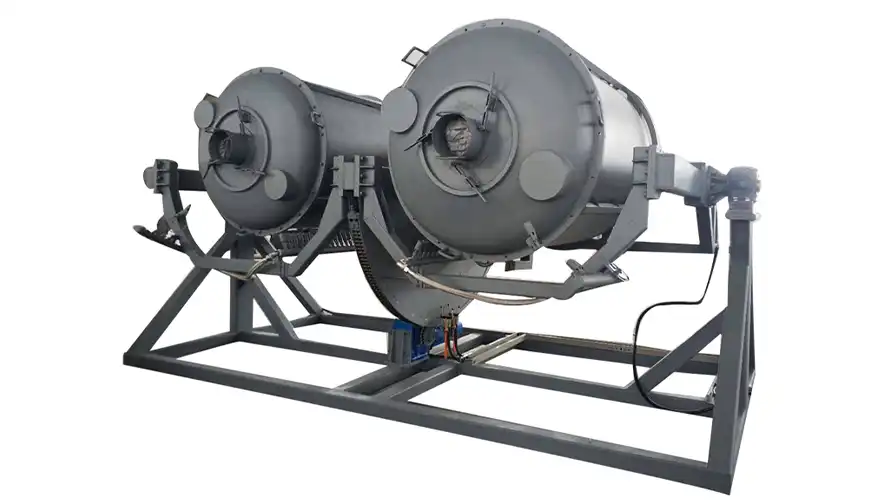
Rotational molding is a major plastic manufacturing technique for producing large, hollow components such as water tanks, industrial parts, agricultural equipment, and certain automotive components. In this process, polyethylene powder or other plastic materials is placed inside a mold, which is then subjected to heat and simultaneous rotation along two axes. This motion ensures the materials melt and distribute evenly on the inner surface of the mold, forming the final product.
Molds play an indispensable role in this process. Their surface quality, material, design, and proper maintenance directly impact the final product’s quality. Scratches, cracks, or wear in molds can lead to defects such as leakage, reduced strength, or poor appearance in the finished product.
Therefore, molds act as the backbone of the production line: the better the mold condition, the higher the production quality and speed.
Common Problems in Rotational Molding Molds
1. Cracks and Mold Breakage
Extreme temperature changes and improper cooling can cause micro-cracks that may eventually lead to mold breakage. These cracks reduce mold lifespan and negatively affect product surface quality.
2. Internal Surface Wear
Continuous contact of plastic particles with the mold surface leads to wear over time. This wear affects wall thickness, uniformity, and creates visual defects in the product.
3. Material Adhesion to the Mold
Polymer residues sticking to the mold surface are a common issue, often caused by improper use of release agents or damaged mold surfaces. This results in difficulty removing the product and reduces production speed.
4. Rust and Corrosion
Environmental moisture or improper storage can cause metal molds to rust, gradually reducing surface quality and potentially requiring repair or replacement.
5. Deformation and Warping
Extended use or excessive pressure may deform molds, affecting dimensional accuracy and increasing product waste.
Benefits of Regular Mold Maintenance
1. Increased Mold Lifespan
Regular care such as cleaning, lubrication, and surface protection enhances resistance to wear and extends mold life.
2. Improved Product Quality
A healthy mold produces uniform, precise, and defect-free components, reducing waste and increasing customer satisfaction.
3. Reduced Production Costs
Preventing sudden mold failures decreases costly repairs or replacements and reduces downtime and scrap material.
4. Increased Production Efficiency
Regular maintenance minimizes unexpected production stoppages, boosting speed and output.
5. Prevention of Major Failures
Early inspections and minor repairs prevent more severe damage, making preventive maintenance more economical than major overhauls.
Fundamental Mold Maintenance Methods
1. Regular Cleaning
After each production cycle, the mold’s inner and outer surfaces should be thoroughly cleaned to remove polymer residues and prevent defects.
2. Periodic Visual Inspection
Regular visual checks help detect cracks, corrosion, or discoloration early, preventing more serious damage.

3. Lubrication and Anti-Adhesion
Using high-quality release agents prevents plastics from sticking, prolonging mold life and improving product quality.
4. Prompt Repair of Minor Damage
Small scratches or cracks should be immediately repaired via welding or metal finishing to prevent further damage.
5. Proper Storage and Handling
Molds should be stored in dry environments, protected from moisture, and handled carefully to avoid deformation or breakage.
Advanced Mold Maintenance Techniques
1. Surface Coating
Hard coatings such as chrome or nickel increase resistance to wear, corrosion, and material adhesion, enhancing mold lifespan and product surface quality.
2. Heat Treatment
Processes like hardening or stress-relief increase mold resistance to deformation under high temperatures.
3. CAD/CAE Simulation
Simulating the molding process before production identifies weak points in mold design and prevents issues such as uneven heat or material flow.
4. CNC Precision Repair
CNC machining can restore worn or damaged mold surfaces accurately, offering a cost-effective alternative to building a new mold.
5. Smart Condition Monitoring
Sensors for temperature, pressure, and vibration allow real-time mold monitoring, enabling predictive maintenance and precise scheduling.
Signs of Mold Wear and Failure
-
Surface cracks due to extreme heat or pressure.
-
Internal surface wear reducing product quality.
-
Mold deformation affecting dimensional accuracy.
-
Difficulty in opening or closing molds.
-
Rust or corrosion from poor storage or environmental conditions.
Preventive Measures to Extend Mold Life
-
Regular cleaning to prevent residue buildup and early wear.
-
Use of high-quality release agents and protective coatings.
-
Proper temperature control and uniform cooling to avoid thermal stress.
-
Periodic inspection and timely repair of minor issues.
-
Correct handling and storage in dry, controlled environments.
Role of Surface Coating and Finishing in Mold Longevity
1. Hard Coatings
Chrome or chemical nickel coatings enhance resistance to scratches and wear, essential for high-volume production molds.
2. Anti-Adhesion Coatings
Teflon or polymer coatings prevent plastic from sticking, facilitating easier demolding.
3. Surface Polishing and Sandblasting
Polishing improves product surface quality and prevents particle buildup, while sandblasting can create specific textures on mold surfaces.
4. Corrosion Resistance
Anti-corrosion coatings are vital for molds exposed to moisture or corrosive materials to prevent rust and extend mold life.
Conclusion
Proper maintenance of rotational molding molds directly affects product quality, production costs, and equipment lifespan. Regular cleaning, lubrication, timely repair, surface coating, and proper handling prevent costly failures.
Well-maintained molds not only improve final product quality but also enhance production efficiency. Advanced techniques such as wear-resistant and anti-adhesion coatings can significantly extend mold lifespan.
Ultimately, proper mold maintenance is not optional—it is a smart investment. A structured and scientific maintenance program allows manufacturers to reduce costs, ensure quality, and strengthen their competitive position in the market.