Why Color Selection Determines Product Success
Introduction
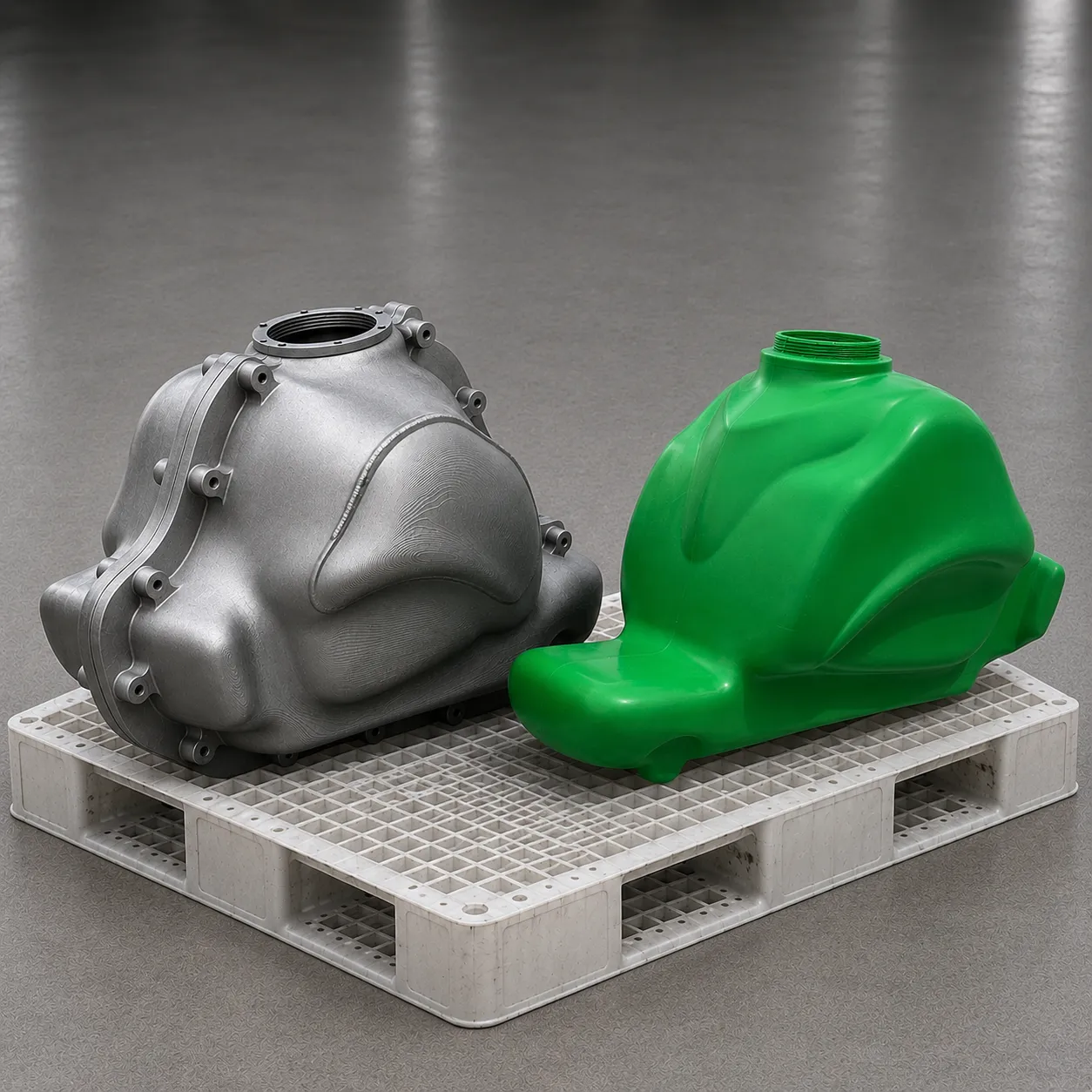
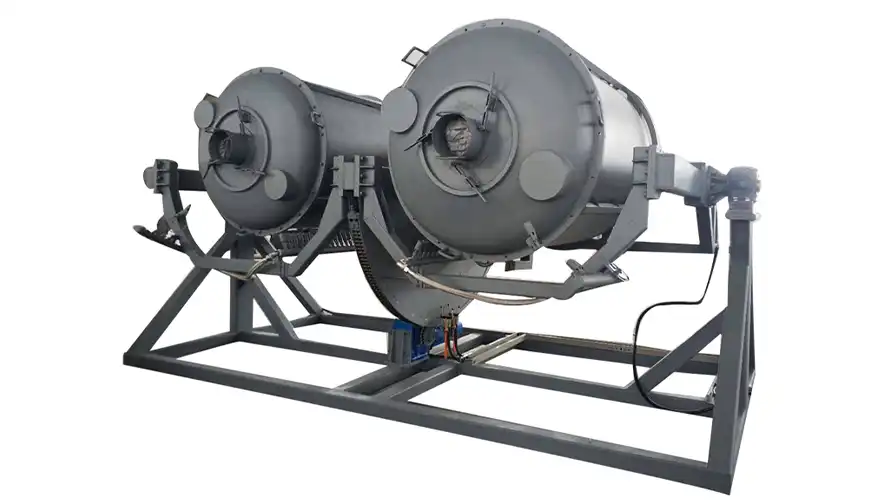
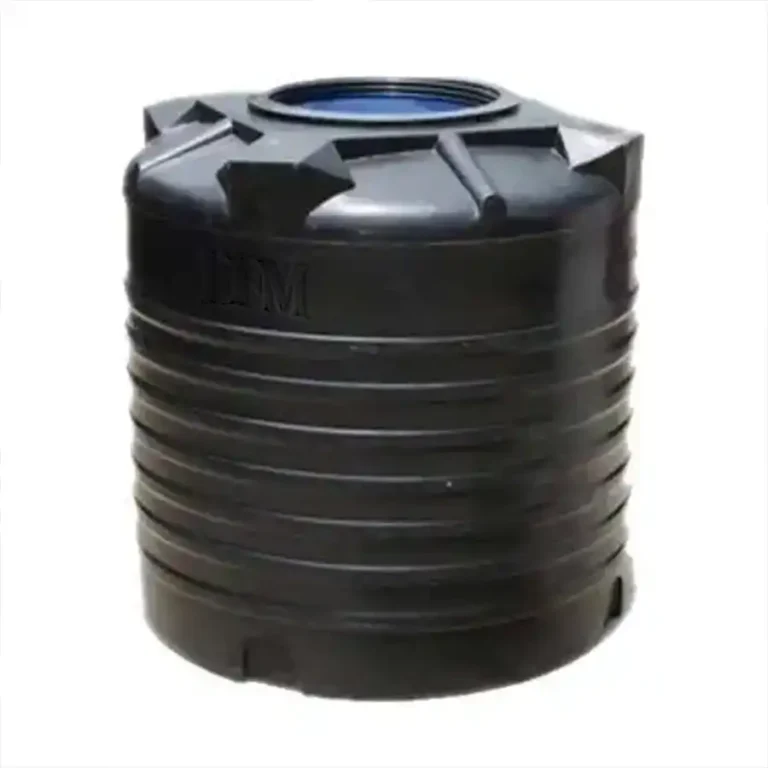
Rotational Molding (Rotomolding) is one of the primary methods for producing large, hollow plastic products such as polyethylene tanks, fuel tanks, and complex industrial components. This process is highly flexible and capable of creating diverse shapes, making it popular in the plastics industry. However, the critical role of incorporating color into the plastic during rotational molding is often overlooked.
Color is not just an aesthetic element—it directly influences product quality, durability, and lifespan. A properly colored product can withstand years of sun exposure and harsh environmental conditions, whereas a poorly colored product may fade or crack quickly.
Why Color Mixing Matters in Rotomolding
- Enhances product attractiveness for customers.
- Establishes brand identity and allows product customization.
- Improves durability and resistance to UV radiation and environmental conditions.
- Provides functional differentiation (e.g., blue for drinking water tanks).
- Increases customer confidence in both domestic and international markets.
Methods of Color Compounding in Rotomolding
| Color Compounding Method | Description | Advantages | Disadvantages | Common Applications |
| Dry Blending | Mixing powdered pigments with polymer before loading into the mold | Low cost, fast, suitable for small volumes | Color inconsistency, streaks possible | Small custom productions |
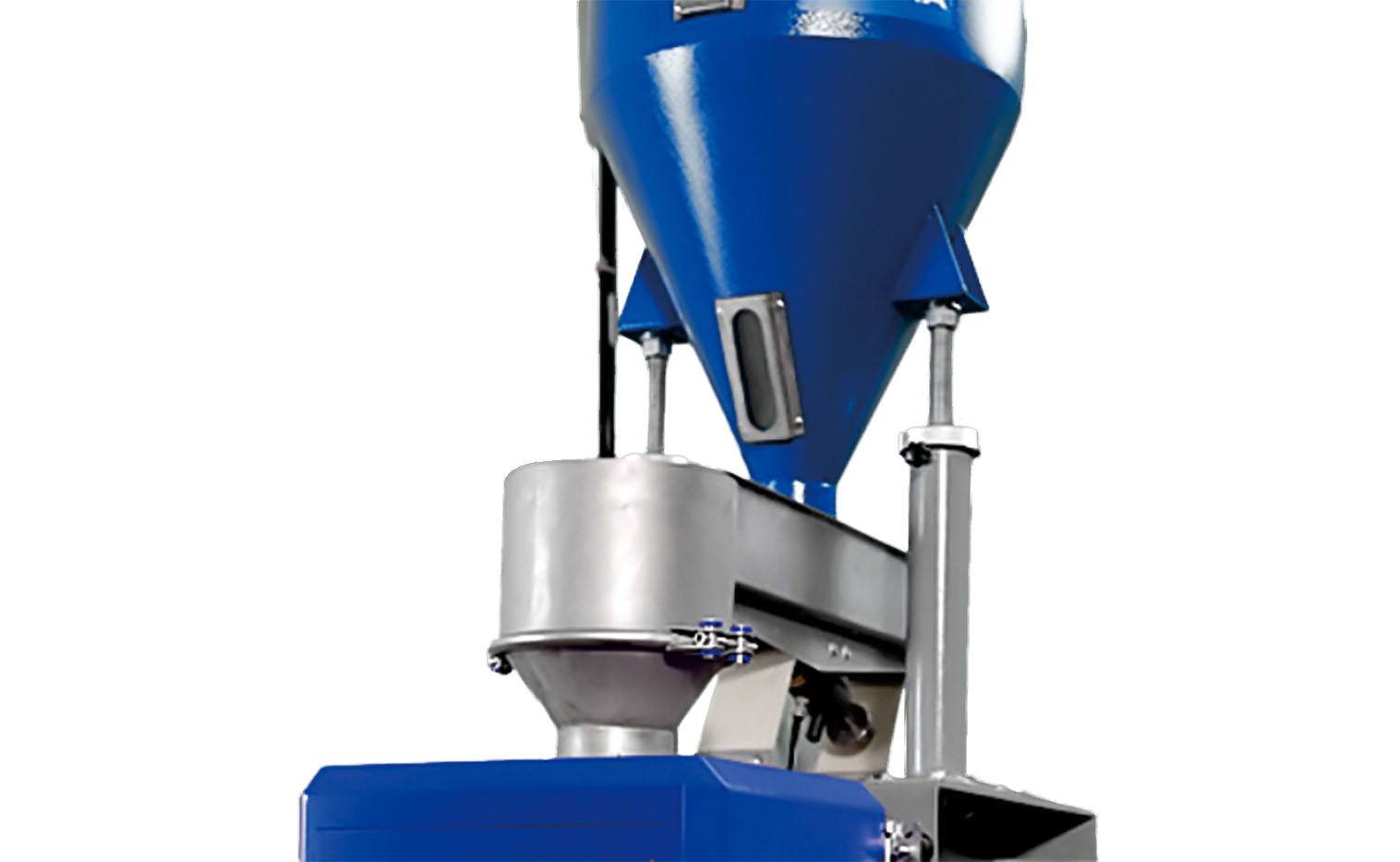
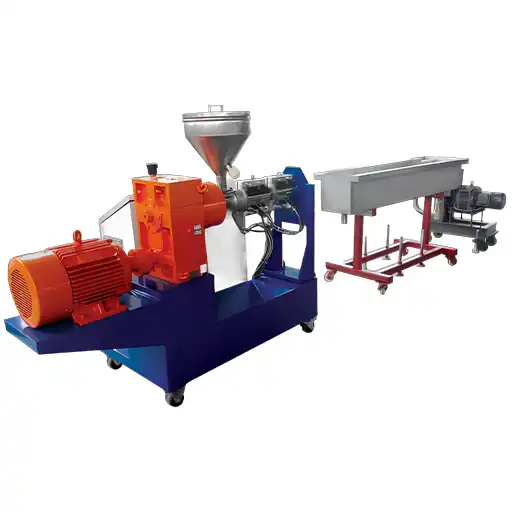
| Masterbatch | Plastic pellets with high pigment concentration | Uniform distribution, higher quality | Higher cost, requires special equipment | Stable color parts production |
| Pre-colored Powder | Pre-colored polymer powder from the manufacturer | Highest quality, excellent UV resistance | More expensive, less flexibility for color changes | Water tanks, export products |
| Liquid Colorants | Adding liquid colorants with stabilizers to polymer powder | Special colors, high mixability | Hard to achieve uniformity, potential spotting | Specialty products |
| Post-Molding Coloring | Painting or printing on the finished product | Allows custom designs, logos, patterns | Lower durability, risk of scratching | Logos, product customization |
Key Factors in Choosing a Coloring Method
- Color Durability
Products like polyethylene water tanks are constantly exposed to sunlight, making UV-stable and durable pigments essential. - Production Cost
- Mass production: Pre-colored powders are ideal.
- Small batch/custom production: Masterbatch or dry blending is more economical.
- Product Application
- Water tanks require Food Grade pigments according to FDA standards.
- Industrial or fuel components need chemically and thermally resistant colors.
- Color Uniformity
Companies focused on visual quality, such as Davaran Fydar Maham, often use pre-colored powders to ensure a consistent surface appearance.
Common Challenges in Color Mixing
- Uneven color distribution throughout the product.
- Color shifts under prolonged sunlight exposure.
- High cost of UV-resistant pigments.
- Adhesion issues in post-molding coloring techniques.
Innovations and New Technologies
- Nano UV-resistant colors: Increased sunlight resistance.
- Antibacterial pigments: For hygienic and medical products.
- Direct digital printing on plastics: Custom patterns and branding.
- Multi-functional additives: Combining color with anti-UV and stabilizers in a single process.
Global Standards for Color Compounding
To ensure quality and global acceptance, compliance with standards is crucial:
- FDA Food Grade: For direct contact with water or food.
- ASTM D1998: Global standard for polyethylene tanks.
- ISO 9001: Ensures quality in the production process.

Davaran Fydar Maham’s Role in Colored Products
Davaran Fydar Maham leverages modern technology, standard polymers, and high-quality colored powders to produce products with:
- High color durability
- UV resistance
- Customizable color options for domestic and international customers
By adhering to international standards, Davaran Fydar Maham has gained the trust of overseas markets.
Conclusion
Color compounding in rotational molding is more than an aesthetic choice—it is a critical factor for product quality, durability, and market acceptance. Selecting the right method, following standards, and using advanced technologies can make the difference between a low-quality product and a premium one.