
Introduction
In recent years, the comprehensive guide to designing and launching a polyethylene tank production plant has emerged as a key reference for entrepreneurs and industrial engineers. The growing demand for storage tanks for water and chemicals across industries—from agriculture to sectors like oil and gas—emphasizes the need for an advanced and cost-effective production line. This guide covers all stages from planning and factory layout to equipment installation and operator training, enabling you to enter the production process with full confidence.
Definition and Importance of the Topic
The comprehensive guide to designing and launching a polyethylene tank production plant includes a series of actions that help you:
- Choose suitable land with the necessary infrastructure.
- Design an optimized material flow and station layout.
- Correctly procure and install key equipment such as rotational molding machines, powder mills, and extruders.
- Standardize operational processes and train operators.
- Monitor production precisely and implement continuous improvement.
The importance of this guide lies in familiarizing you with critical challenges and preventing costly mistakes before any action is taken.
Key Stages of Design and Launch
-
Preliminary Analysis and Site Selection
The first step is to define the target market and desired production volume. Then, select land that:
- Has easy access to polyethylene powder and additive suppliers (UV stabilizer, pigment).
- Is near road or rail transport routes to reduce logistics costs.
- Has essential infrastructure (three-phase power, industrial water, gas, and high-speed internet).
- Meets climate conditions (annual temperature, humidity, natural drainage) suitable for a strong foundation.
This stage forms the foundation of the comprehensive guide to designing and launching a polyethylene tank production plant.
-
Factory Layout Design
The optimal layout should facilitate material flow:
- The raw material receiving and storage station should be near the entrance.
- The milling and shredding area should be adjacent to storage and the rotational molding unit.
- Continuous conveyors or automated carts should minimize powder transfer distance.
- The rotational molding station should be centralized for easy access to all areas.
- The final finishing and packaging section should be at the end of the line for smooth product flow.
-
Equipment Procurement and Installation
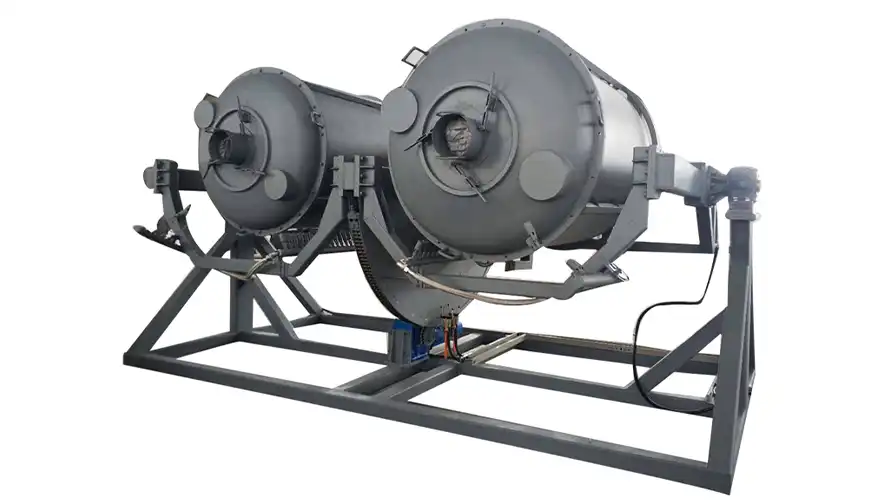
3.1 Rotational Molding
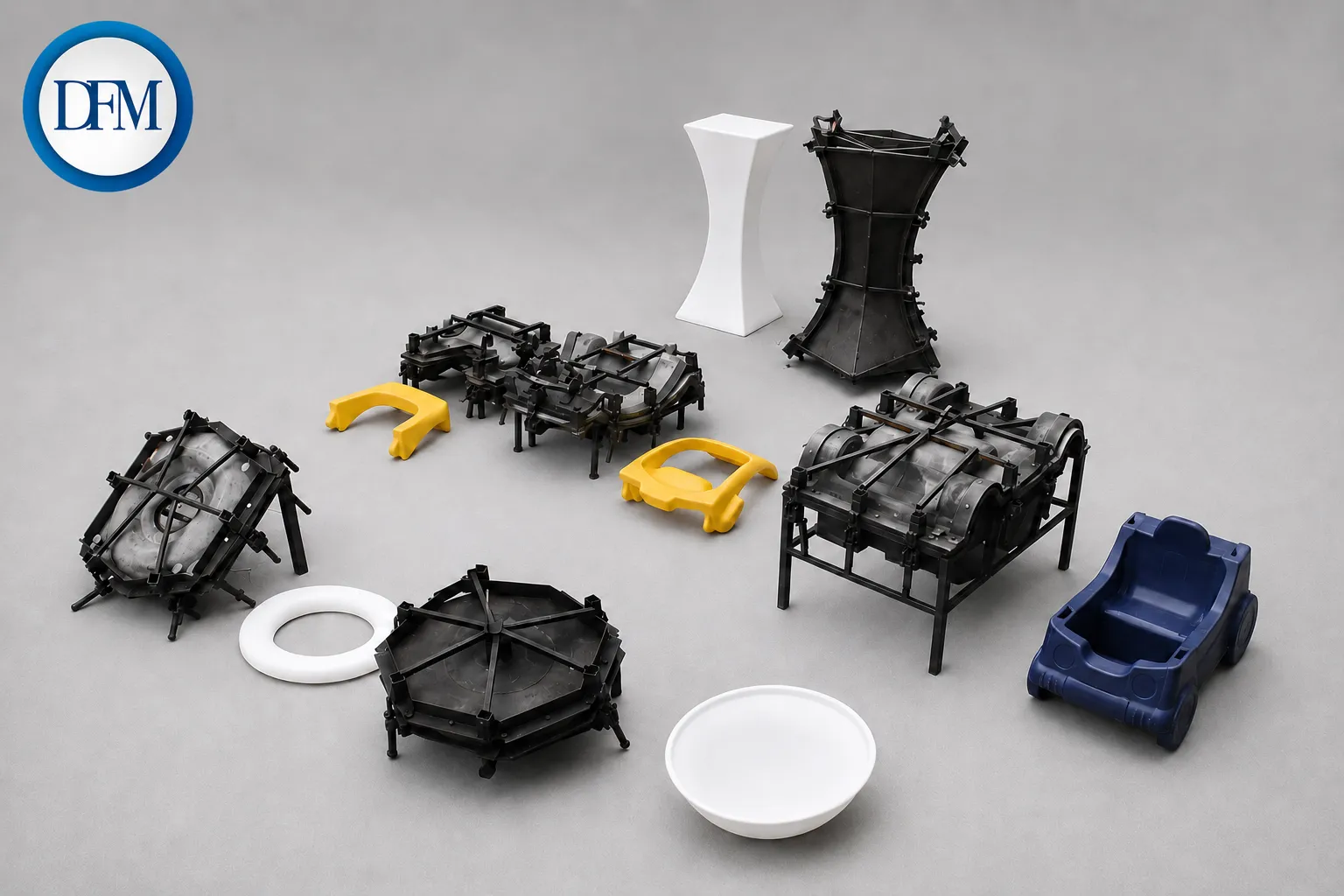
- Select molds with suitable capacity (1,000 to 10,000 liters)
- Ensure precise CNC machining and anti-stick internal coating
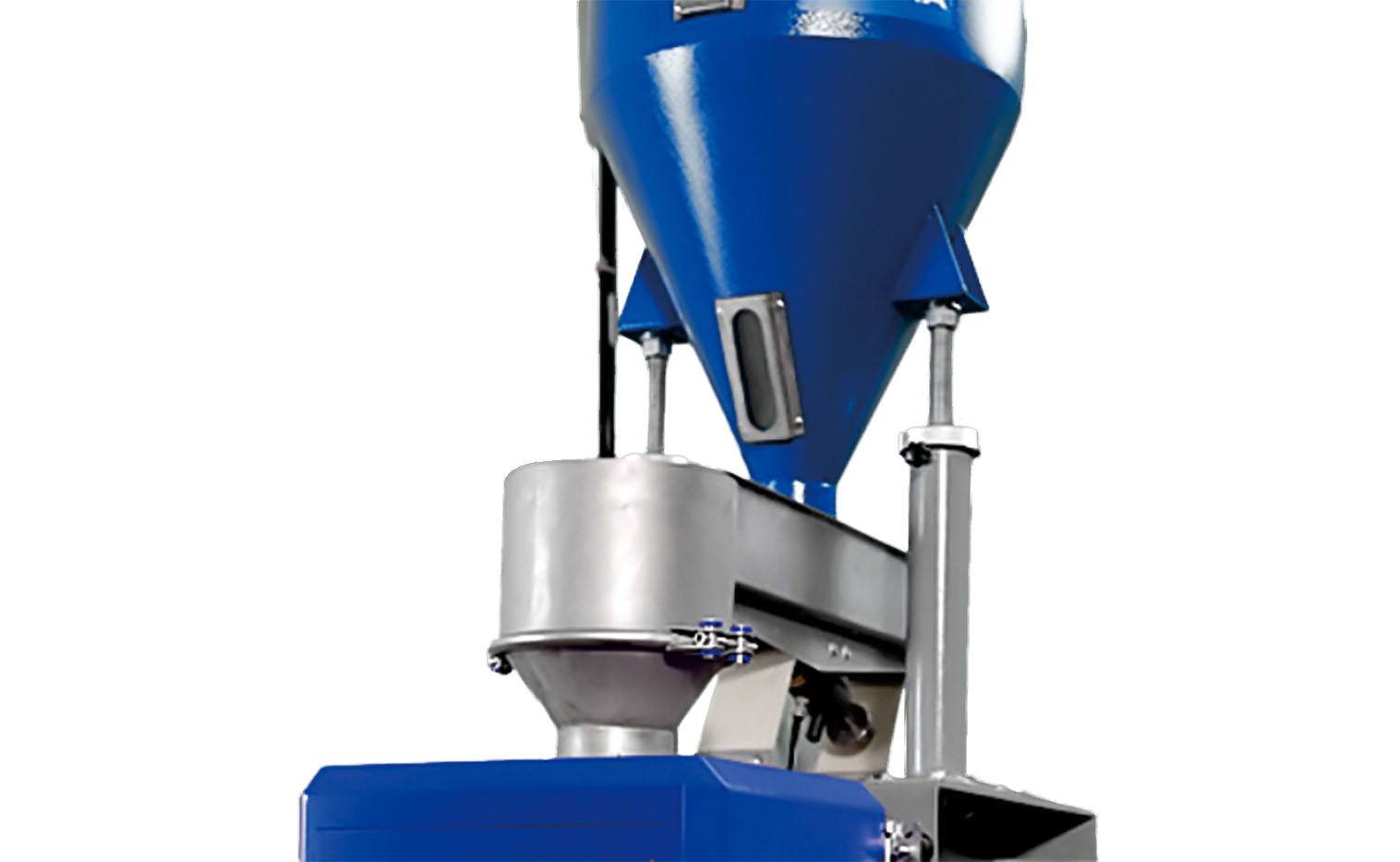
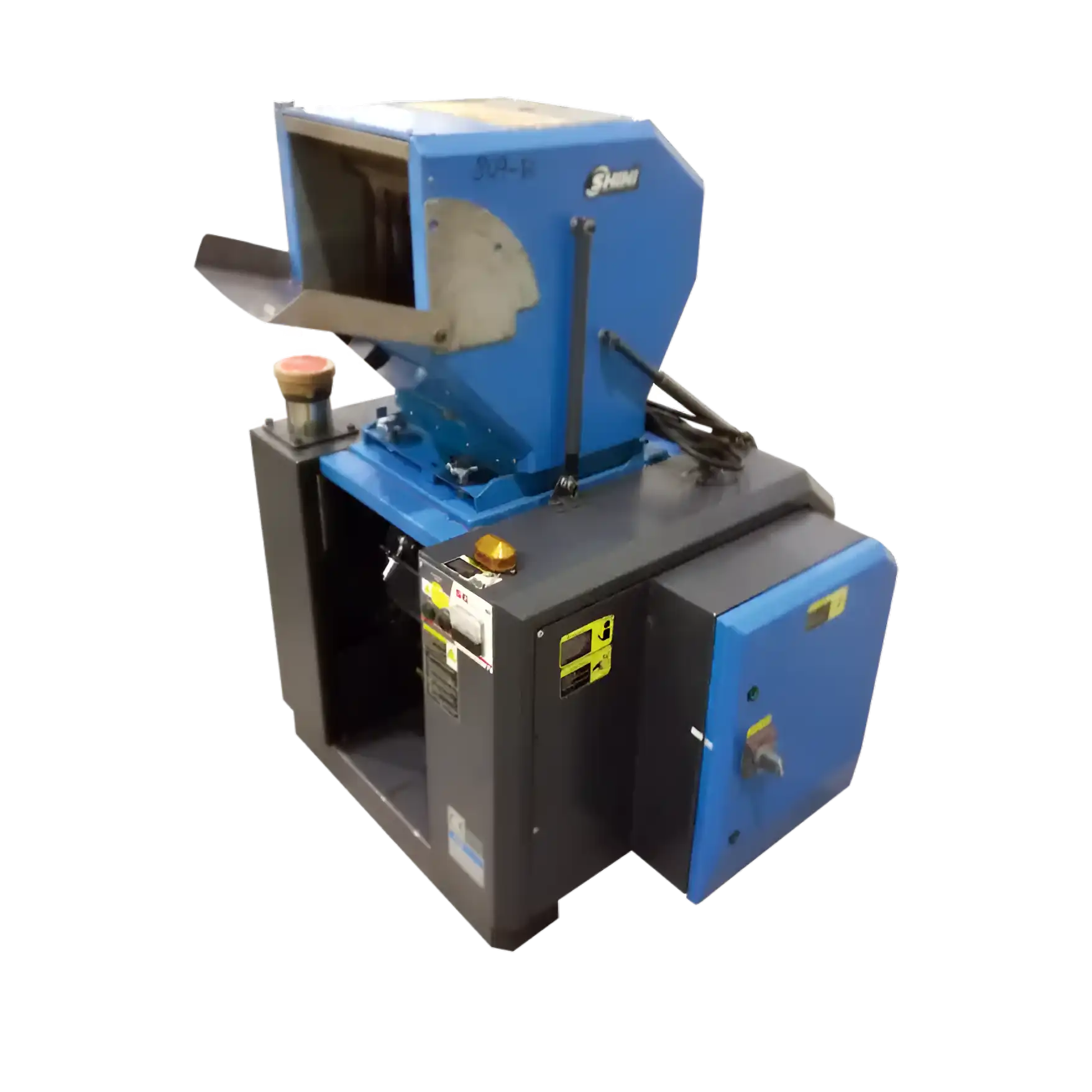
3.2 Powder Mill and Shredder
- Shredder for recycling scrap and returning it to the process
- Mill with uniform granulation for consistent product quality
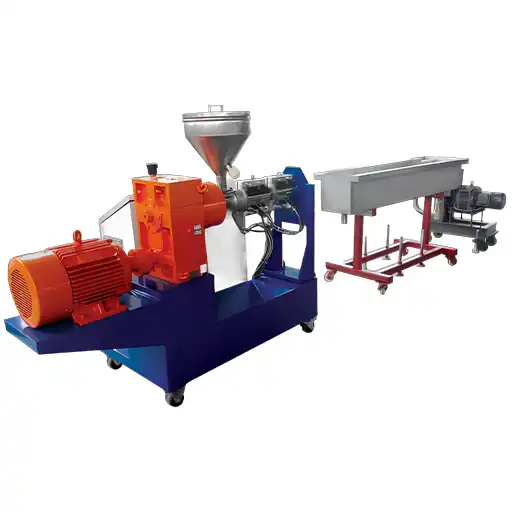
3.3 Extruder
- Twin-screw extruder for granule production and additive integration
- Precise control of temperature and pressure to preserve mechanical properties
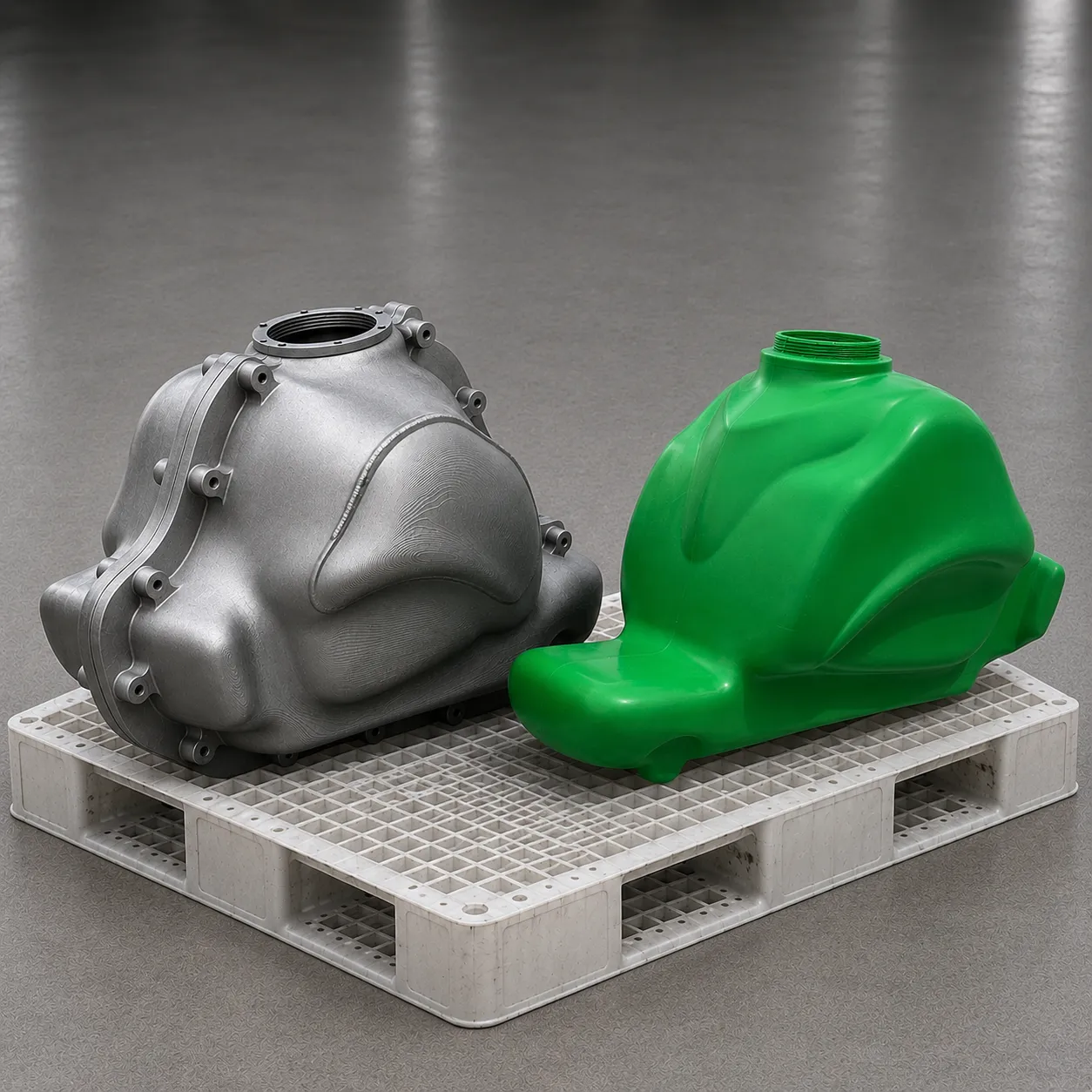
Rotational Molding Process
- Powder Charging: A measured amount of polyethylene powder and additives is poured into the mold.
- Heating and Rotation: The mold rotates simultaneously on two axes inside the oven so the powder melts and adheres to the mold walls.
- Cooling: The mold is cooled with air and water to solidify the tank.
- Mold Opening: Using hydraulic or robotic systems, the tank is removed and prepared for post-processing.
This process is the core of the comprehensive guide to designing and launching a polyethylene tank production plant.
Standards and Safety Considerations
- Implementing ISO 9001 for quality control
- Following occupational safety guidelines (PPE for operators)
- Installing fire detection and suppression systems in the oven hall
- Regularly monitoring temperature and pressure in the extruder
Training and Documentation
-
Developing Standard Operating Procedures (SOPs)
- Shift start checklists
- Rotational molding operation instructions
- Maintenance protocol for mill and extruder
-
Operator Training
- Theoretical and hands-on training in the workshop
- Working with safety gear and production line monitoring
- Surface defect detection and thickness measurement methods
Performance Monitoring and Continuous Improvement
- Maintaining key performance indicators (KPIs) like scrap rate, production cycle time, and energy consumption
- Preventive Maintenance based on manufacturer recommendations
- Applying 5S and Kaizen for workplace organization and improvement culture
- Predictive repairs using vibration and temperature sensors
Space and Infrastructure Requirements
The fixed area required depends on production capacity and ranges from 1,000 to 3,000 square meters. Oil and gas infrastructure must be planned for the oven and extruder. Industrial ventilation systems in the oven hall are essential for managing heat and emissions.
Key Advantages of the Production Line
- High Flexibility: Ability to change tank volume and dimensions without altering the main structure
- Waste Reduction: Recycling excess powder using in-house milling
- Energy Efficiency: Heat recovery and optimized gas and electricity consumption
- Uniform Quality: Precisely controlled wall thickness
Conclusion
The comprehensive guide to designing and launching a polyethylene tank production plant offers a clear roadmap for turning ideas into reality. By meticulously following these steps, you can build an efficient, powerful, and internationally compliant production line.