
Introduction
In the plastics industry, choosing the right manufacturing process depends on several factors such as product design, production volume, raw materials, and desired properties. In this article, we compare two widely used molding methods: Rotational Molding (Rotomolding) and Blow Molding.
-
Difference in Production Process
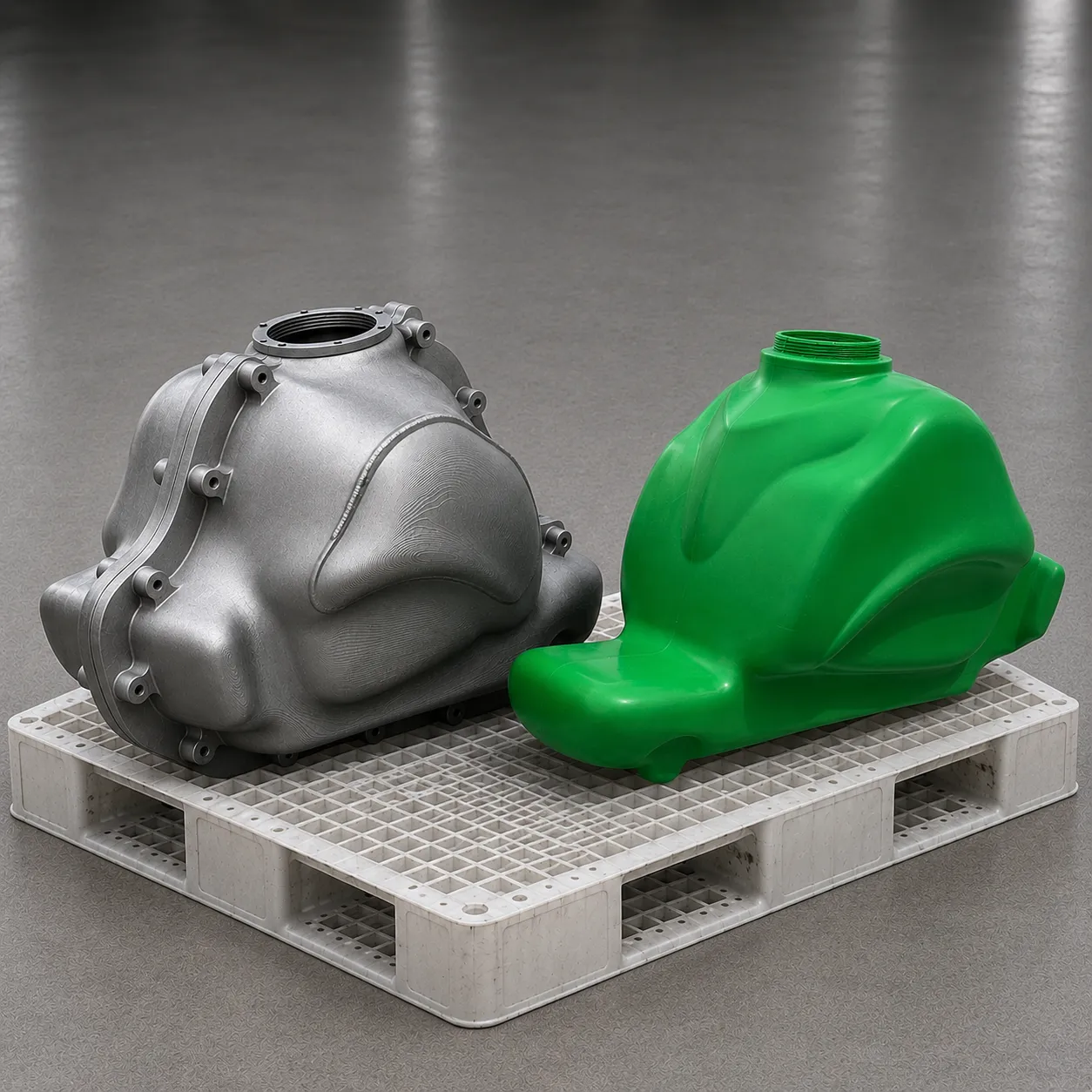
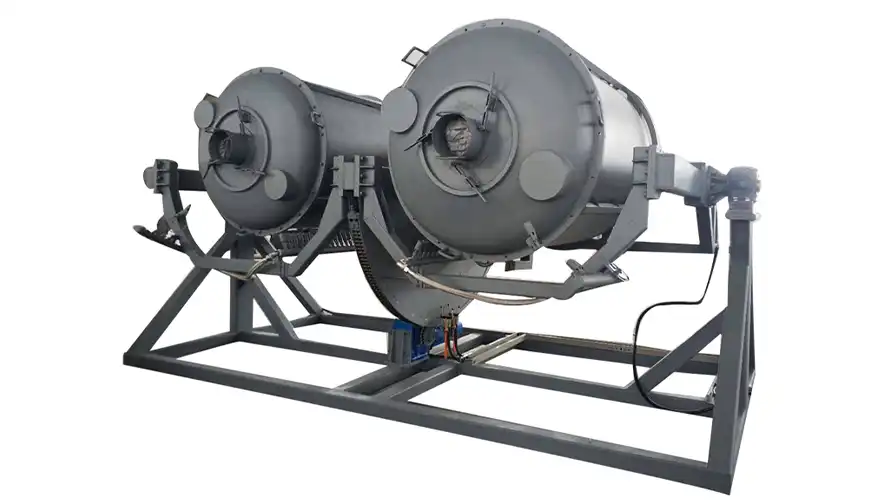
In rotational molding, powdered plastic is poured into a mold and melted through simultaneous bi-axial rotation and heating, allowing the material to adhere to the inner surface of the mold.
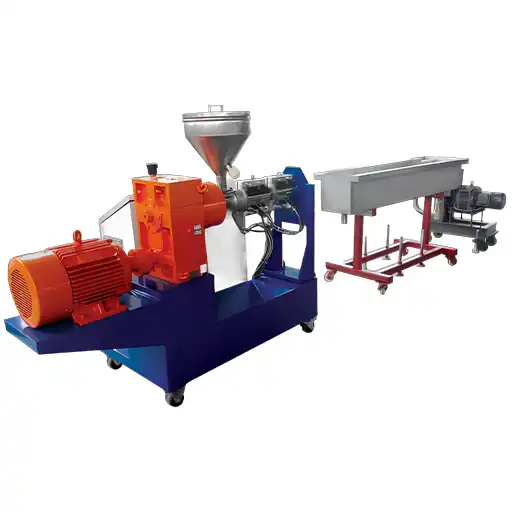
In contrast, blow molding involves injecting molten plastic into a mold, then inflating it with air to form the shape of the mold cavity.
-
Mold Design and Production Cost
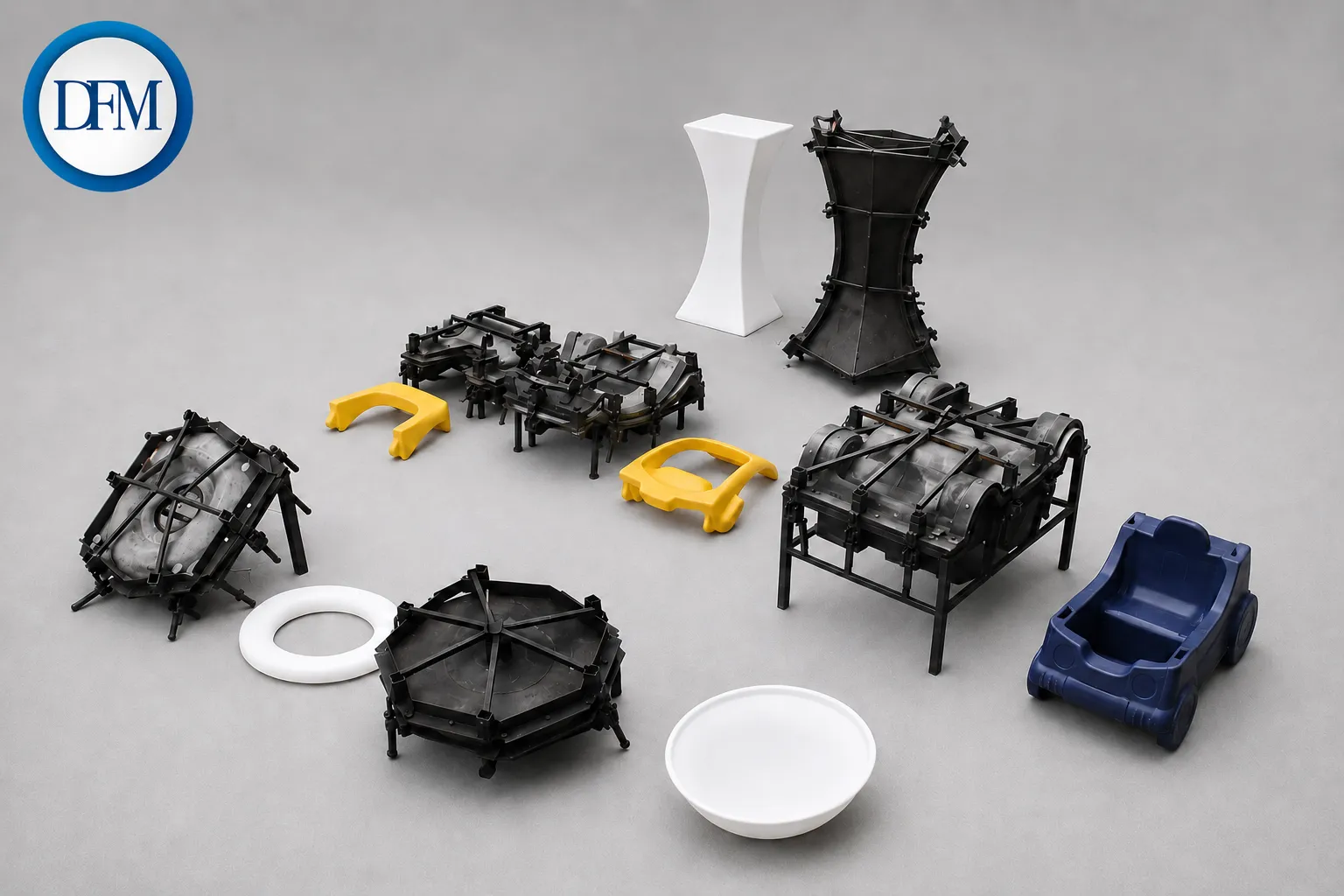
Rotomolding molds are simpler in structure and have lower initial costs, although the cycle time is typically longer.
Blow molding molds, on the other hand, are more complex and expensive but offer higher efficiency for mass production.
-
Quality of the Final Product
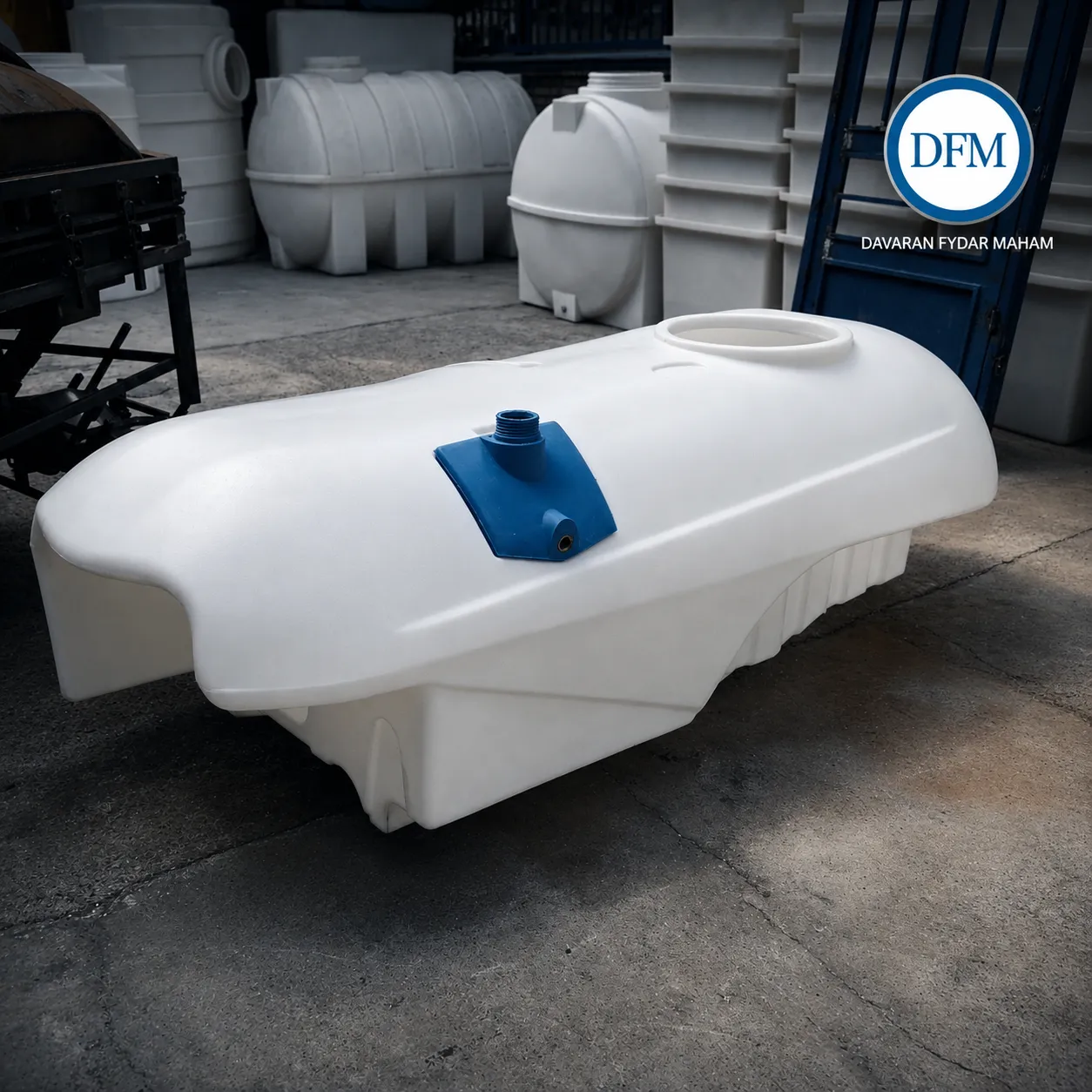
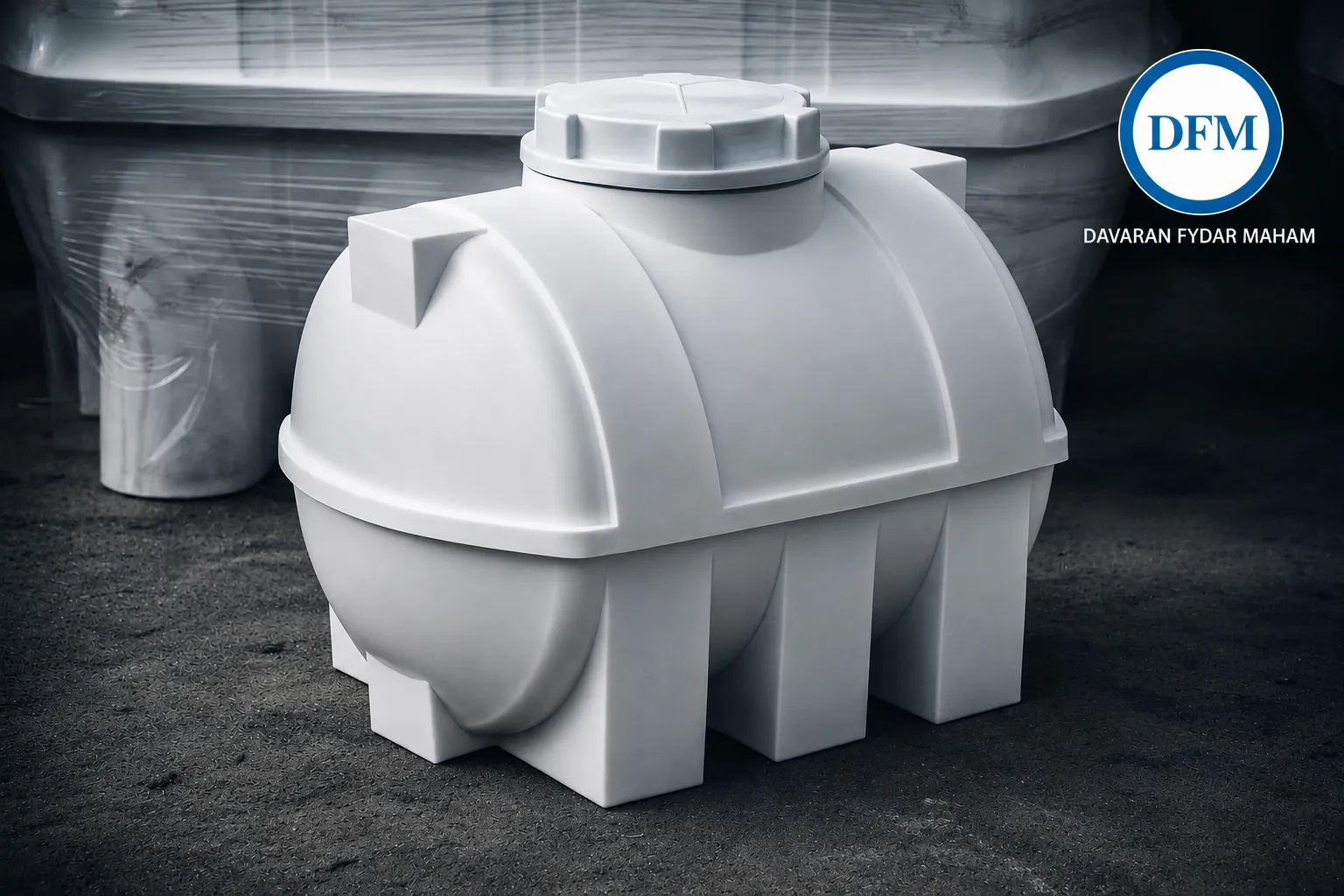
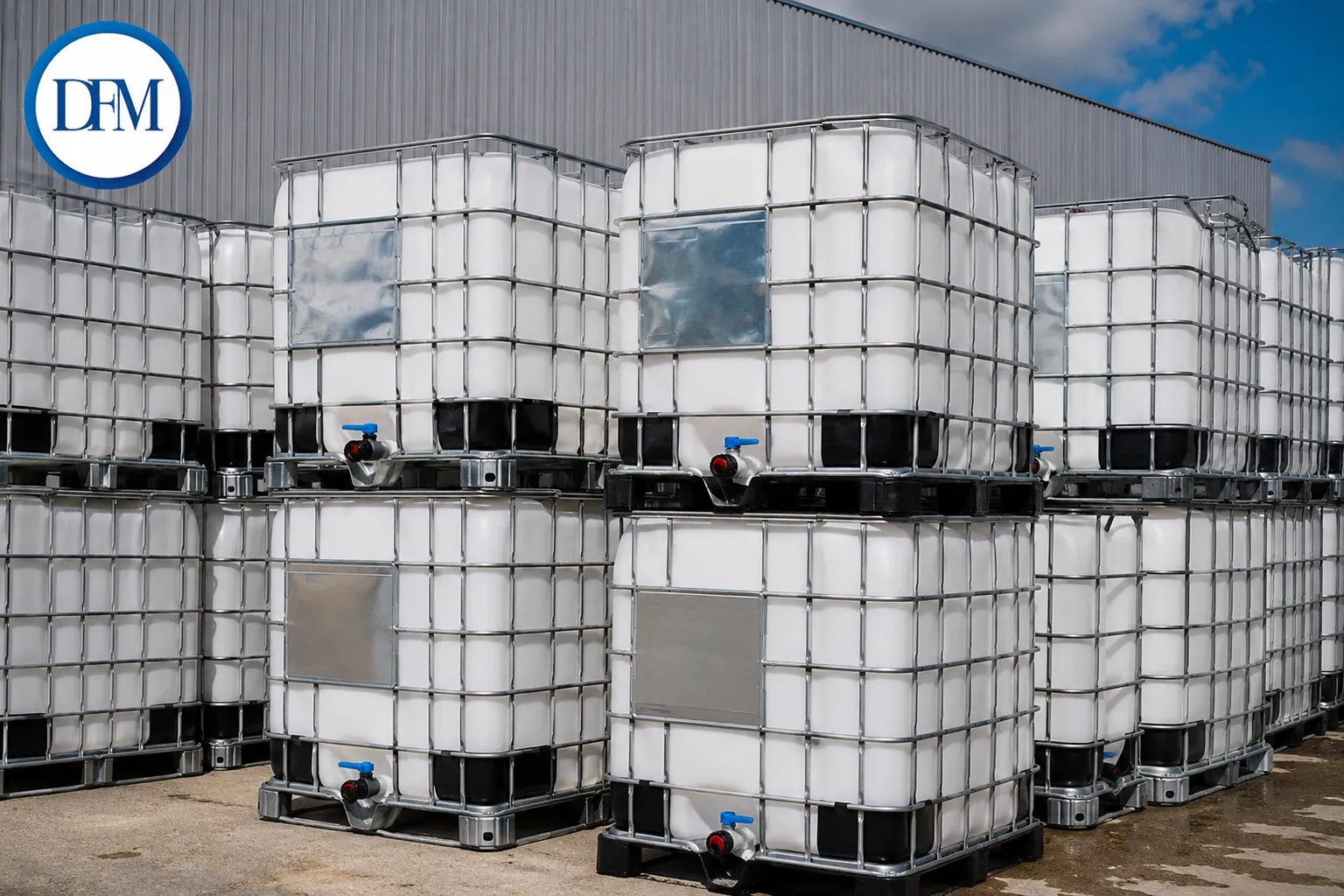
Rotational molding ensures uniform wall thickness and a high-quality surface finish, making it ideal for large, heavy-duty items such as industrial tanks and containers.
In comparison, blow molding is more suitable for producing lightweight, thin-walled items such as beverage bottles and packaging.
Conclusion
The choice between these two molding techniques depends entirely on the project’s requirements.
For large-scale parts requiring high wall thickness and mechanical strength, rotational molding is the better option.
However, for high-volume production with a need for precision molds, blow molding delivers greater efficiency and cost-effectiveness.