
Introduction
Launching a factory production line requires careful planning and a full understanding of infrastructural needs, energy resources, specialized machinery, raw materials, and human resources. Many industrial entrepreneurs face countless questions in the early stages of launching their production — questions about space, electricity, gas, equipment types, and production capacity. This article thoroughly explores each element to provide a clear picture of how to set up a manufacturing plant.
What Are the Requirements to Start a Factory Production Line?
The first step is to define the final product and fully understand its production process. This choice significantly affects infrastructure design and selection. For example, manufacturing polymer products like tanks requires different conditions than metal parts or food products.
In general, core requirements include:
- Industrial land with production permits
- A closed shed resistant to humidity, dust, and heat
- High-capacity three-phase electricity
- Water and gas infrastructure
- Ventilation and safety systems (fire alarms/extinguishers)
- Production line machinery
- Storage for raw materials and finished goods
- Trained human resources
Without careful planning of these components, a production line cannot achieve optimal productivity.
What Product Is Being Manufactured? (And What Are the Raw Materials?)
The end product determines the raw materials. It’s essential to know exactly what enters the production line and what it becomes.
For instance:
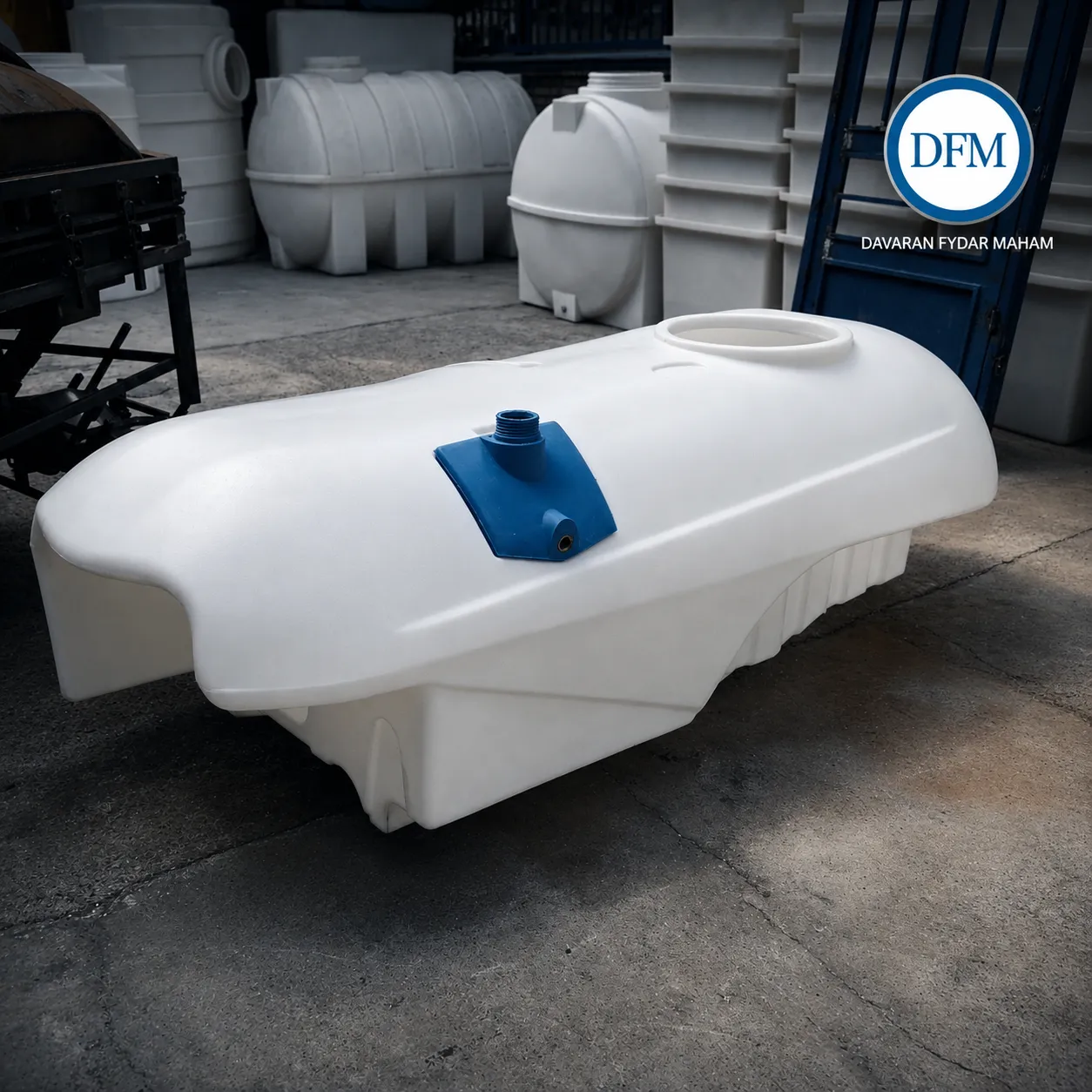
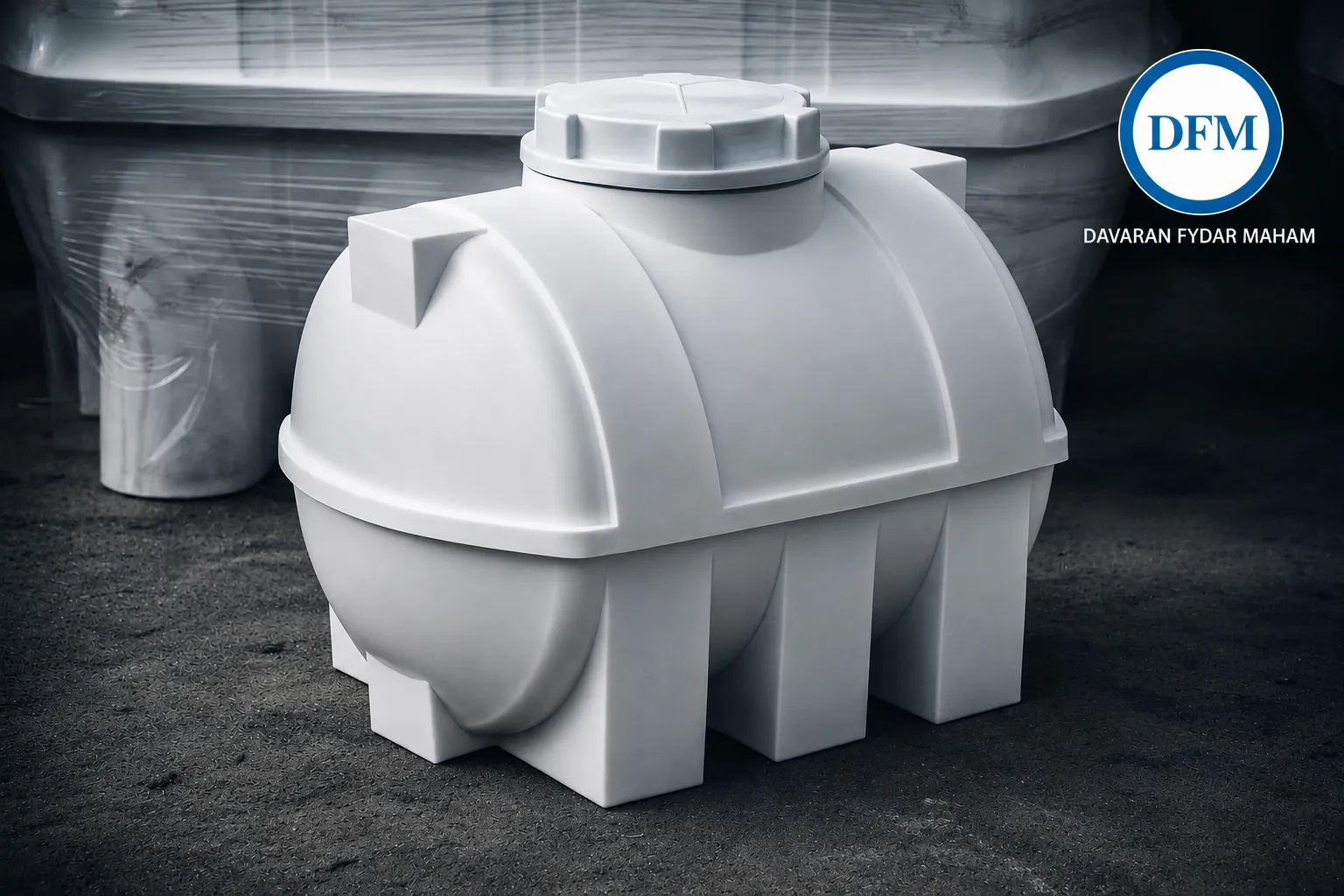
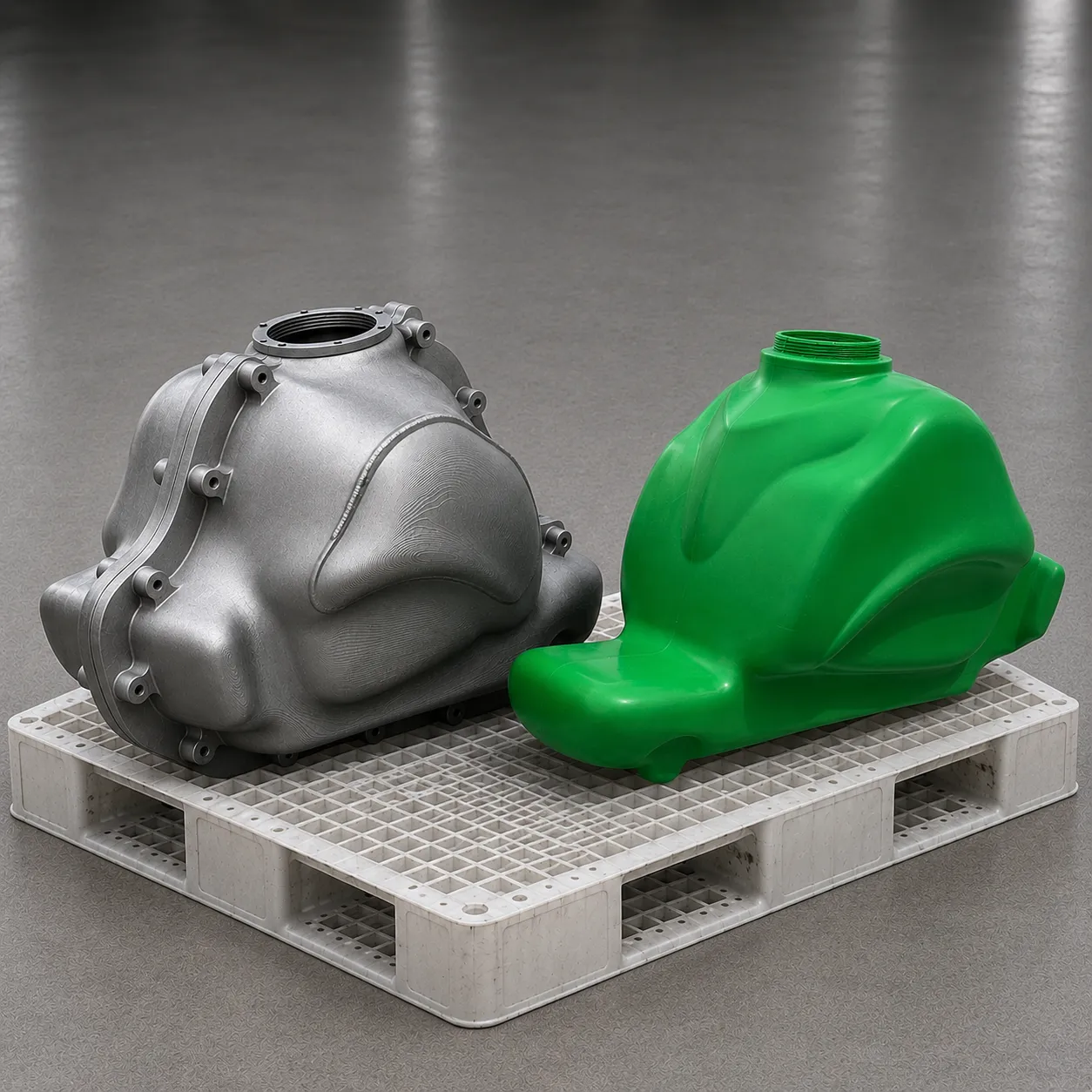
- Polyethylene tank production uses rotomolding-grade polyethylene powder, colored masterbatches, and UV-resistant additives.
- Metal part manufacturing requires steel, aluminum, or iron sheets.
- Food production needs certified hygienic raw materials with specific storage requirements.
Raw materials also affect equipment selection, sourcing strategies (import vs. domestic), and final product quality.
Production Capacity: Number and Weight per Shift
Production capacity depends on several variables — product type, machine efficiency, automation level, and worker skills.
Examples:
- A rotomolding line may produce 5–10 units of 1000-liter tanks in one 8-hour shift.
- A metal parts line might yield 200–500 pieces per shift.
- Light assembly lines may produce up to 1000 parts per shift.
In terms of weight, small lines yield about 500 kg to 1 ton, while heavy lines may produce 2 to 5 tons per shift. Increasing capacity typically involves parallel stations, automated systems, and optimized management.
How Much Space and Land Are Needed?
Space requirements vary by production volume and process type.
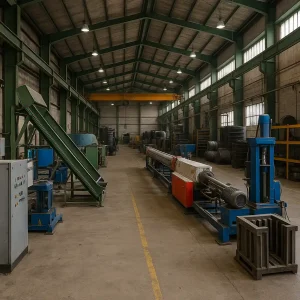
- Small/medium lines need at least 500 m² covered space, and ideally 1000 m² land to allow room for warehouse, loading zone, offices, and parking.
- Heavy industrial lines require over 2000 m² sheds with ceilings over 6 meters.
If a crane or large furnace is installed, ceiling height may reach 10 meters.
Architectural layout should follow the material flow from input to output to minimize waste in time, energy, and movement.
How Much Electrical Power Does a Factory Production Line Need?
Production lines need three-phase electricity. Required amperage depends on motor power, number of machines, and operational hours.
Typical ranges:
- Light lines: 32–63 A
- Semi-industrial: 100–200 A
- Heavy/advanced lines: up to 400 A
Install a proper control panel, voltage regulators, and dedicated transformers to avoid equipment damage during surges or outages.
What Type of Gas Meter Is Needed?
The gas meter must handle the heating demand of the factory. Options include industrial diaphragm or turbine meters.
Examples:
- Small lines with heaters may use G6 or G10 meters.
- High-heat operations require G25 or G40 meters.
Check regional gas network capacity and obtain usage approval. Install emergency shutoff valves and leak detection systems.
How Much Water and Gas Is Required?
It depends on the process type.
- Lines needing cooling, steam, or washing use 1–5 m³ of water daily.
- Gas usage (for boilers, furnaces, mold heaters) ranges from 50–500 m³/day.
Install water storage tanks, backup gas sources, and smart monitoring systems to optimize resource use.
Summary of Equipment Used in a Factory Production Line
Each line includes:
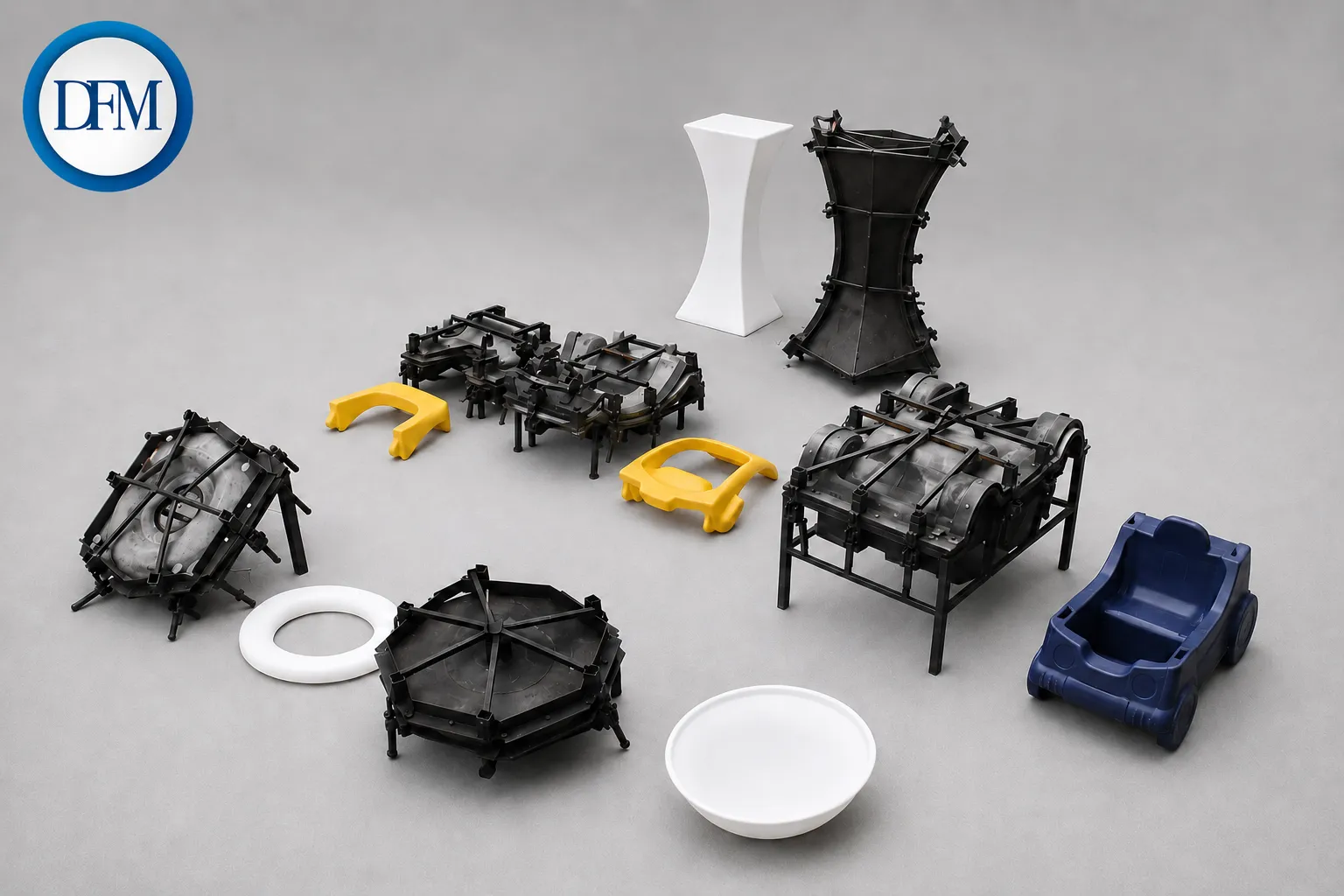
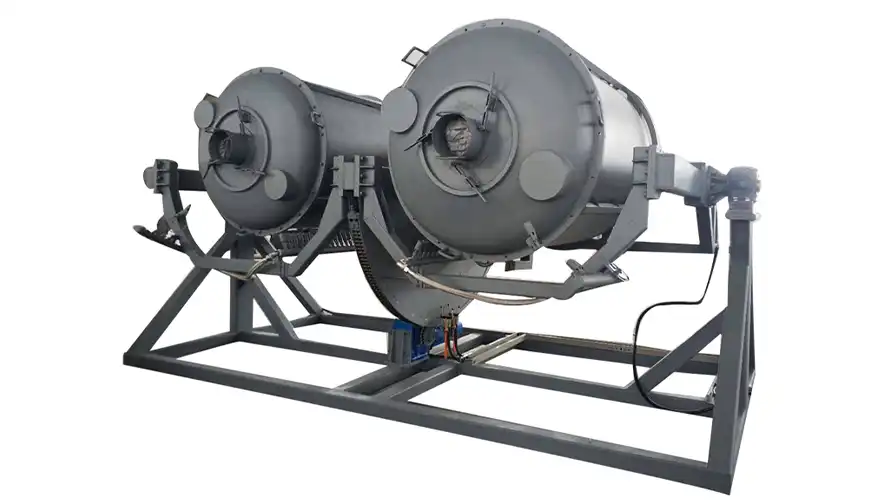
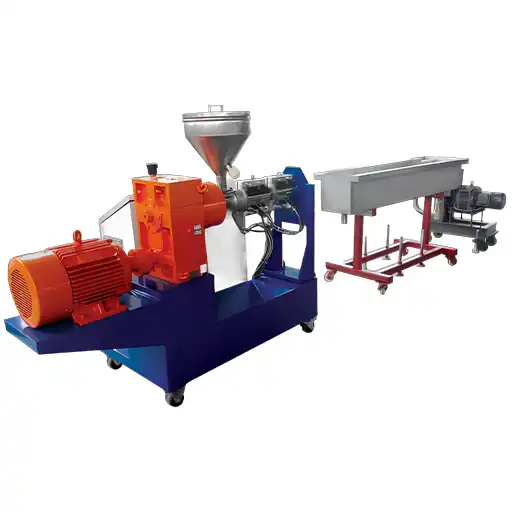
- Main machines (e.g., rotomolding machines, extruders, CNC lathes)
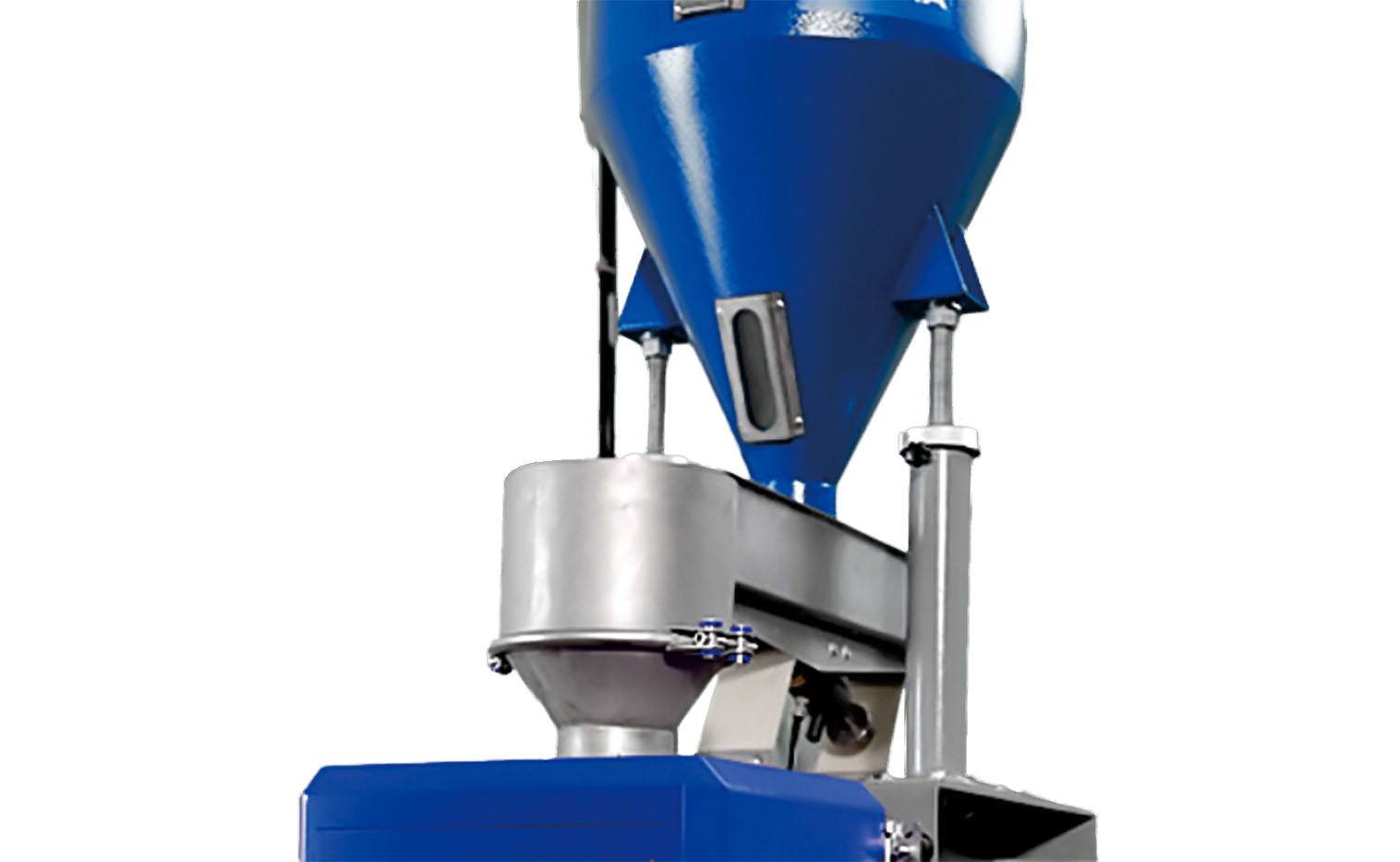
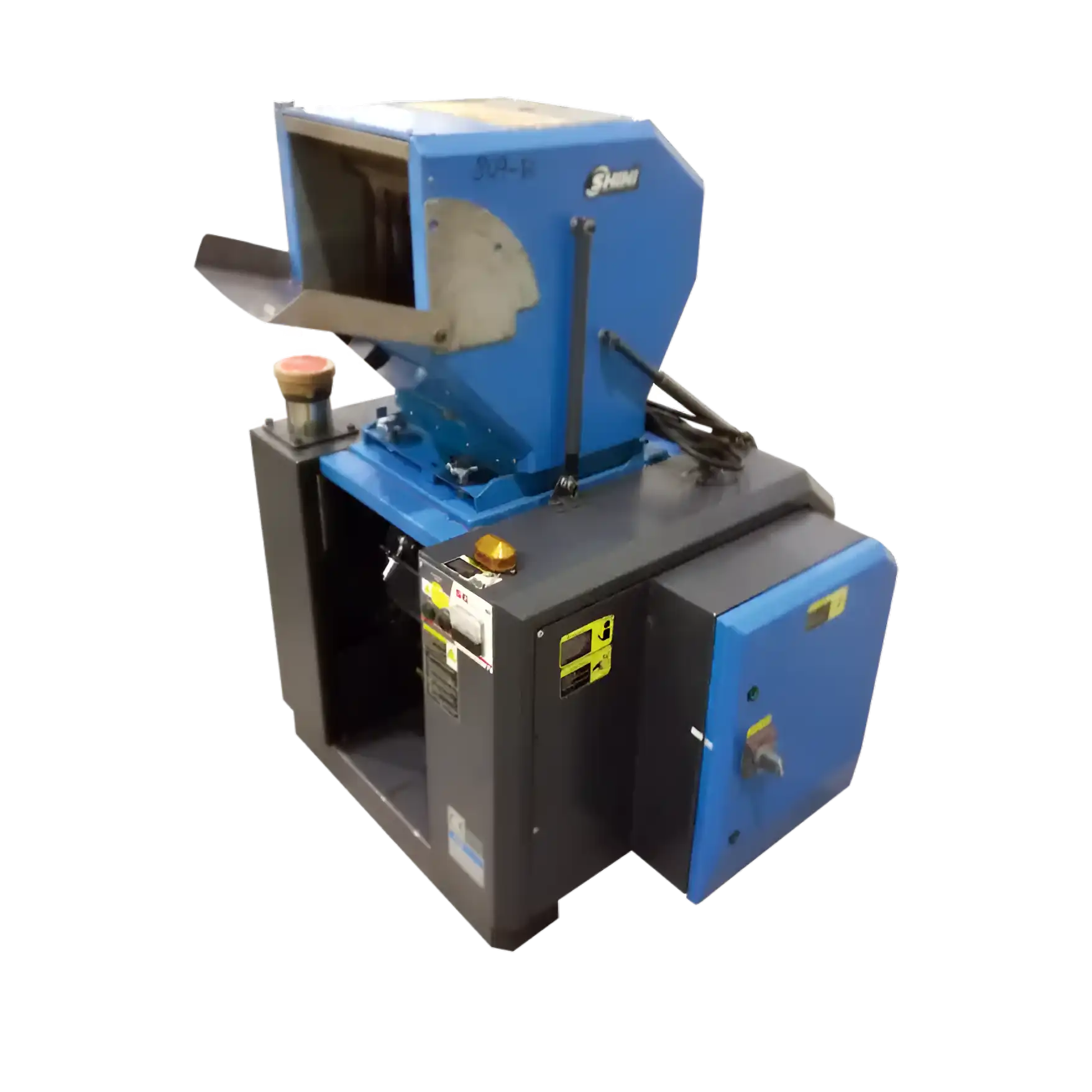
- Auxiliary devices (conveyors, crushers, mixers, material feeders)
- Control & safety equipment (digital calipers, pressure testers, bursting testers, calibration tools, UPS, fire alarms)
Davaran Fydar Maham designs and implements a wide range of production equipment. Contact their technical team for consultation.
How Many Workers Are Required?
Workforce size depends on automation level, production volume, and process complexity.
Typical estimates:
- Manual lines: 6–10 people per shift
- Semi-automated: 4–7 people
- Fully automated: 2–4 people (mostly for monitoring and troubleshooting)
Also plan for:
- Maintenance staff
- Cleaning personnel
- Line managers
- Administrative support
Conclusion
A factory production line is a multi-dimensional project — starting with land and layout planning and continuing with equipment, energy sourcing, and staffing. Success requires expert consultation, accurate budgeting, and step-by-step implementation based on industrial standards.
Davaran Fydar Maham, with years of experience, offers consulting, design, and equipment supply for various industries.