Introduction
In today’s industrial world, choosing the right production line is one of the most crucial decisions that can shape the future of an investment. Many investors aim to establish the most profitable production line in Iran. However, before stepping into this field, one must understand the technical requirements, space needs, equipment, energy consumption, workforce, and production capacity. This article introduces a practical model of a high-income and industrial production line that can serve as a successful entry point into the manufacturing world.
Why is This Production Line Profitable?
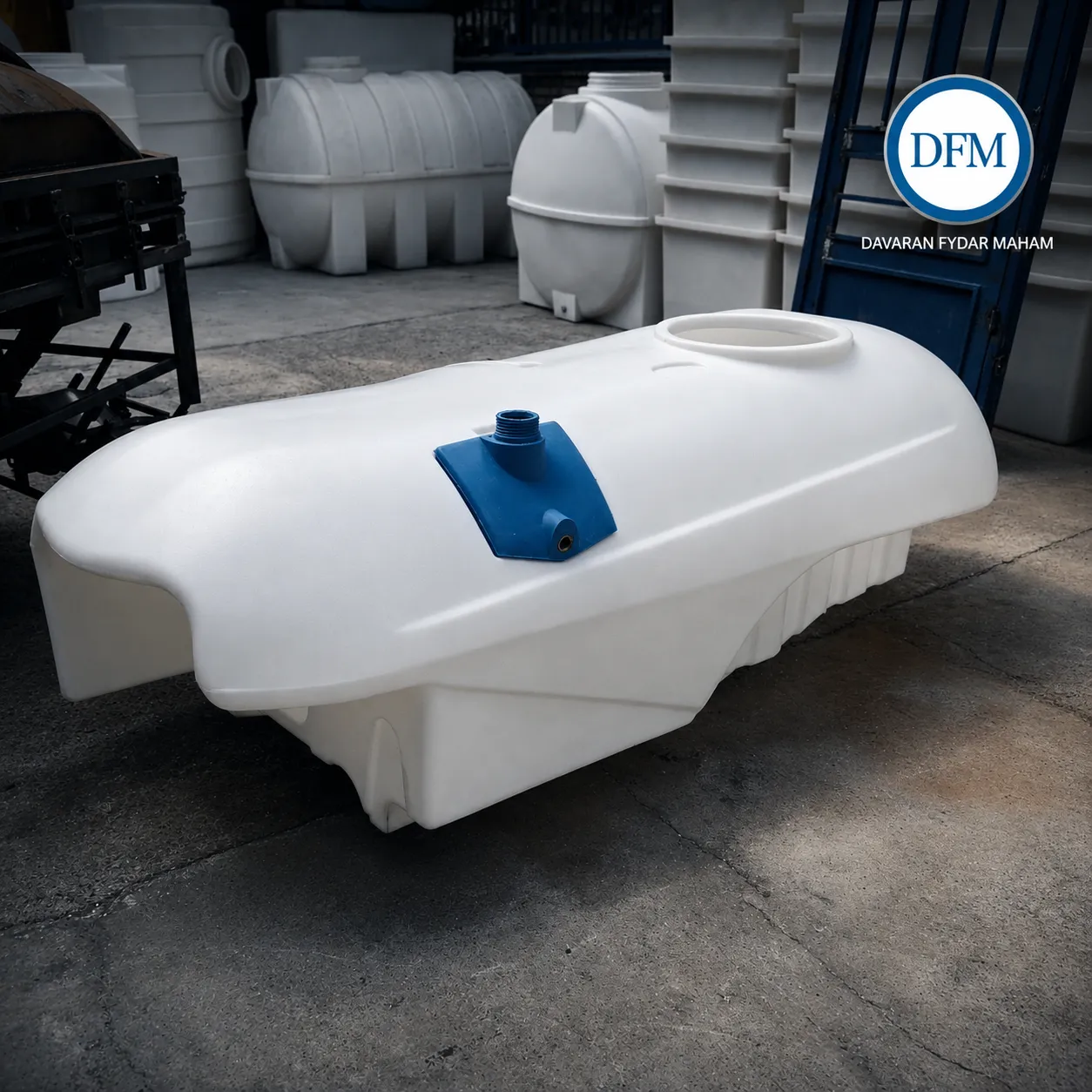
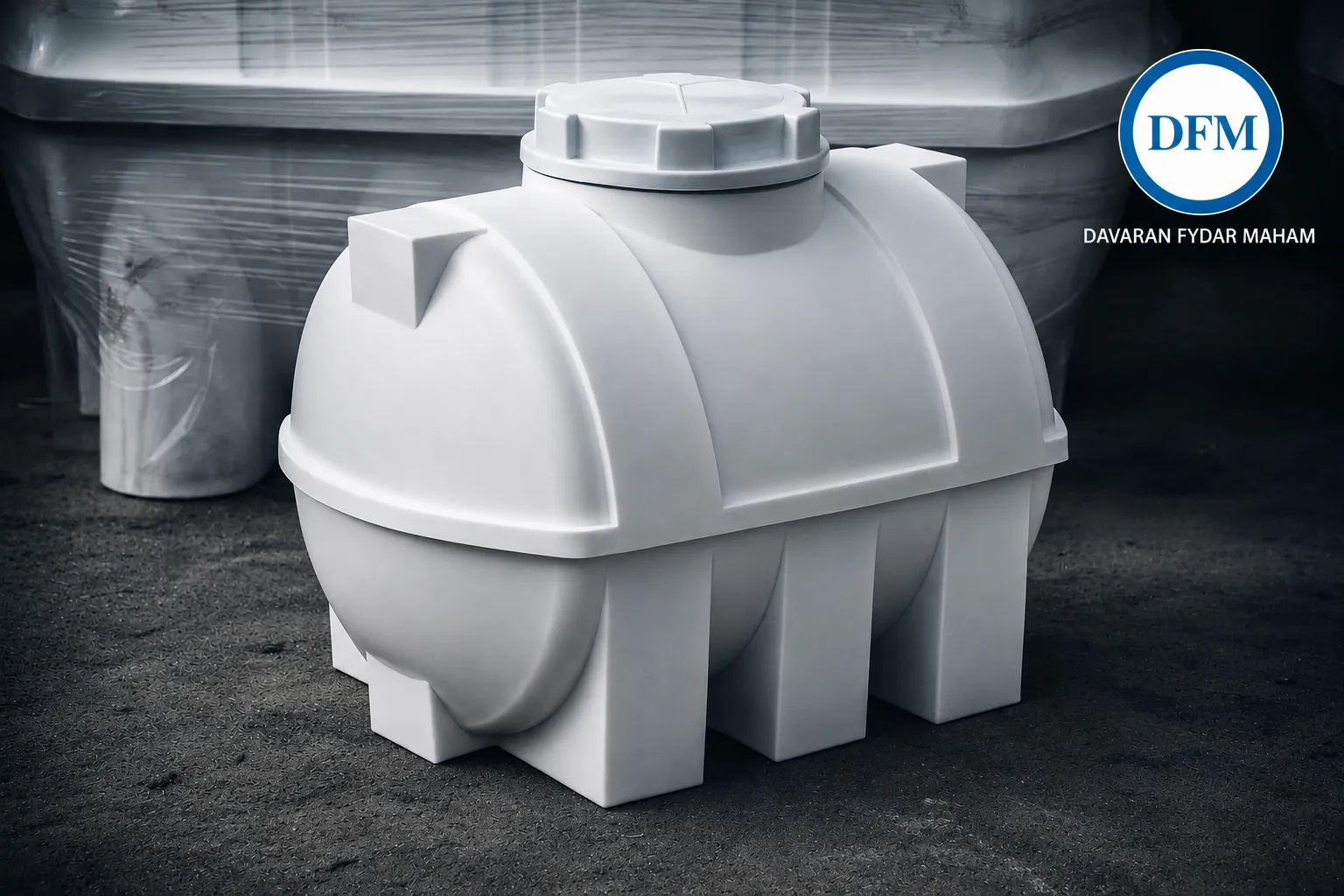
- Large and constant domestic market: Due to the water crisis and urbanization growth, demand for three-layer water tanks is rising. From construction to agriculture, many sectors require these tanks.
- Export capability to neighboring countries: Nations like Iraq, Afghanistan, Armenia, and Central Asia are consistent buyers. Thanks to easy transportation, exporting to these regions is cost-effective.
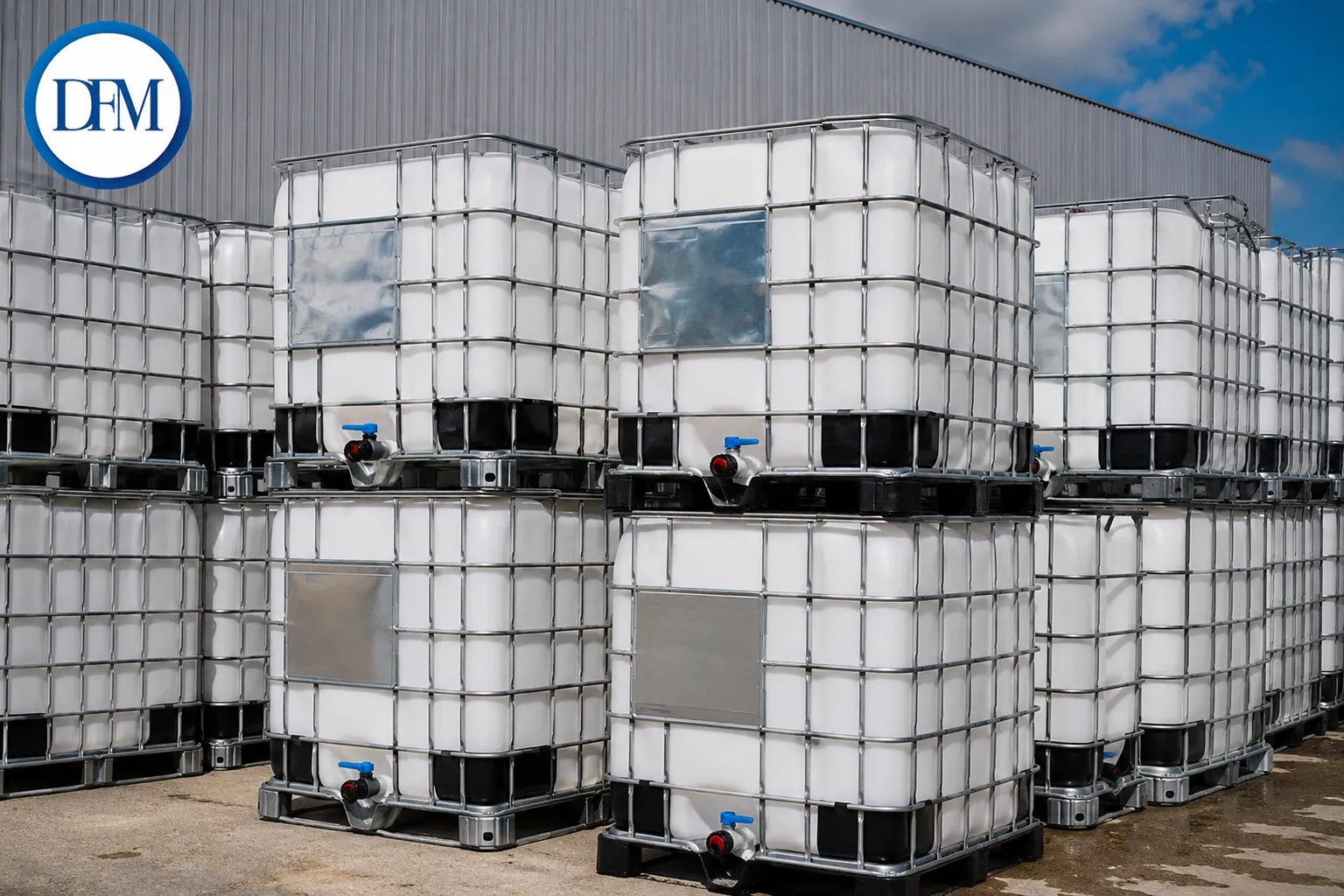
- Production variety in sizes and uses: Tanks can range from 100 to 20,000 liters in vertical, horizontal, cubical, industrial, and underground formats.
- Flexible production capacity: From small workshops to fully automated factories, this production line is adaptable.
- Fast return on investment: Due to high-profit margins and constant market demand, ROI is estimated between 6 to 12 months.
What Is Needed to Start This Line?
- Industrial land or legal rental space (preferably in industrial zones)
- Workshop (minimum 5m ceiling height, proper ventilation)
- Three-phase electricity (minimum 100 amps)
- City gas line or industrial LPG cylinders
- Sufficient water pressure and flow for product cooling
- Licenses from Ministry of Industry, Environment, Veterinary (if for drinking water tanks)
For more details, you can read the article on “Factory Site Requirements.”
Required Raw Materials
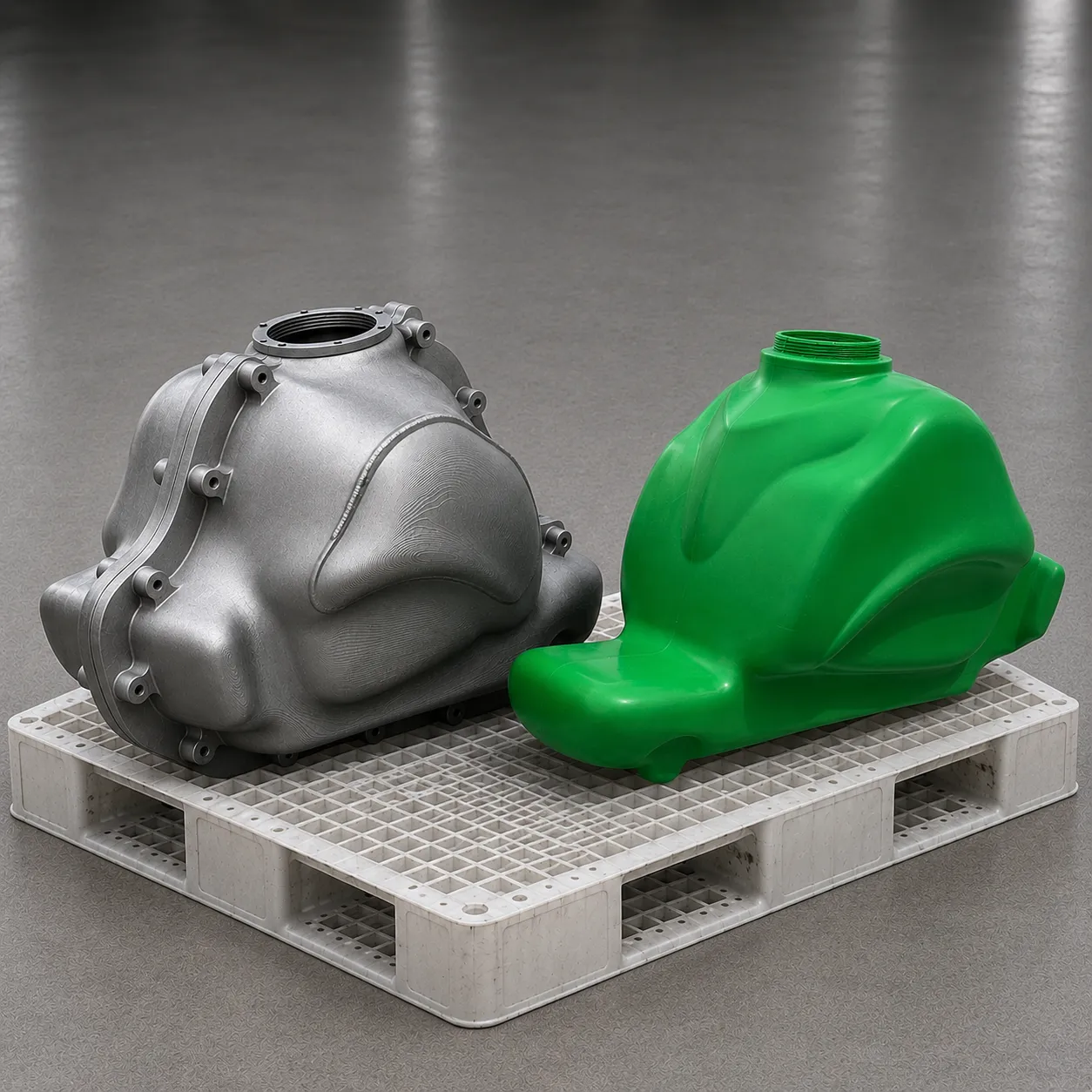
- Rotomold-grade polyethylene (LLDPE or MDPE) – typically in powder form
- Masterbatches/pigments – for white, black, green, blue, gray tanks
- UV stabilizers – to prevent sunlight damage for outdoor use
- Mold cleaners and lubricants – to ease product removal
- Adhesives and accessories – valves, floaters, caps, brass nuts, etc.
Essential Equipment for a Profitable Line
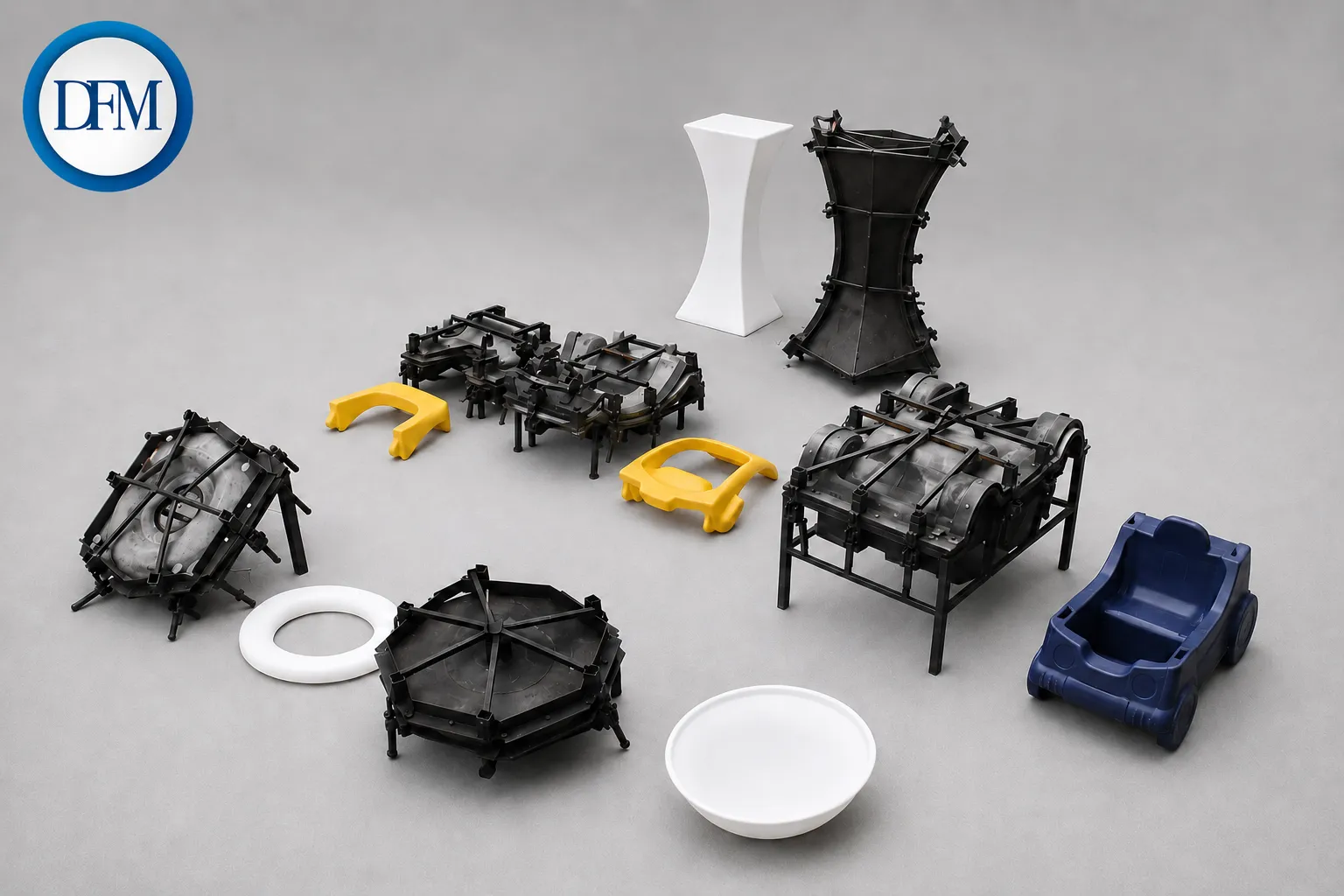
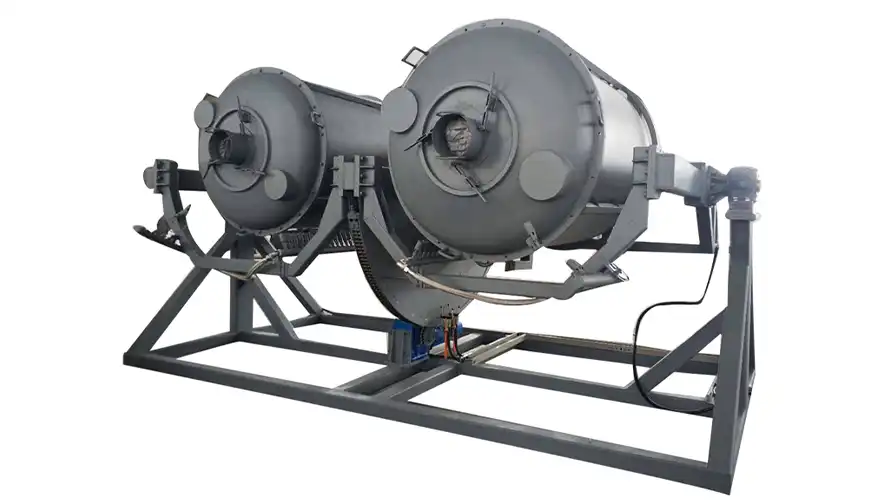
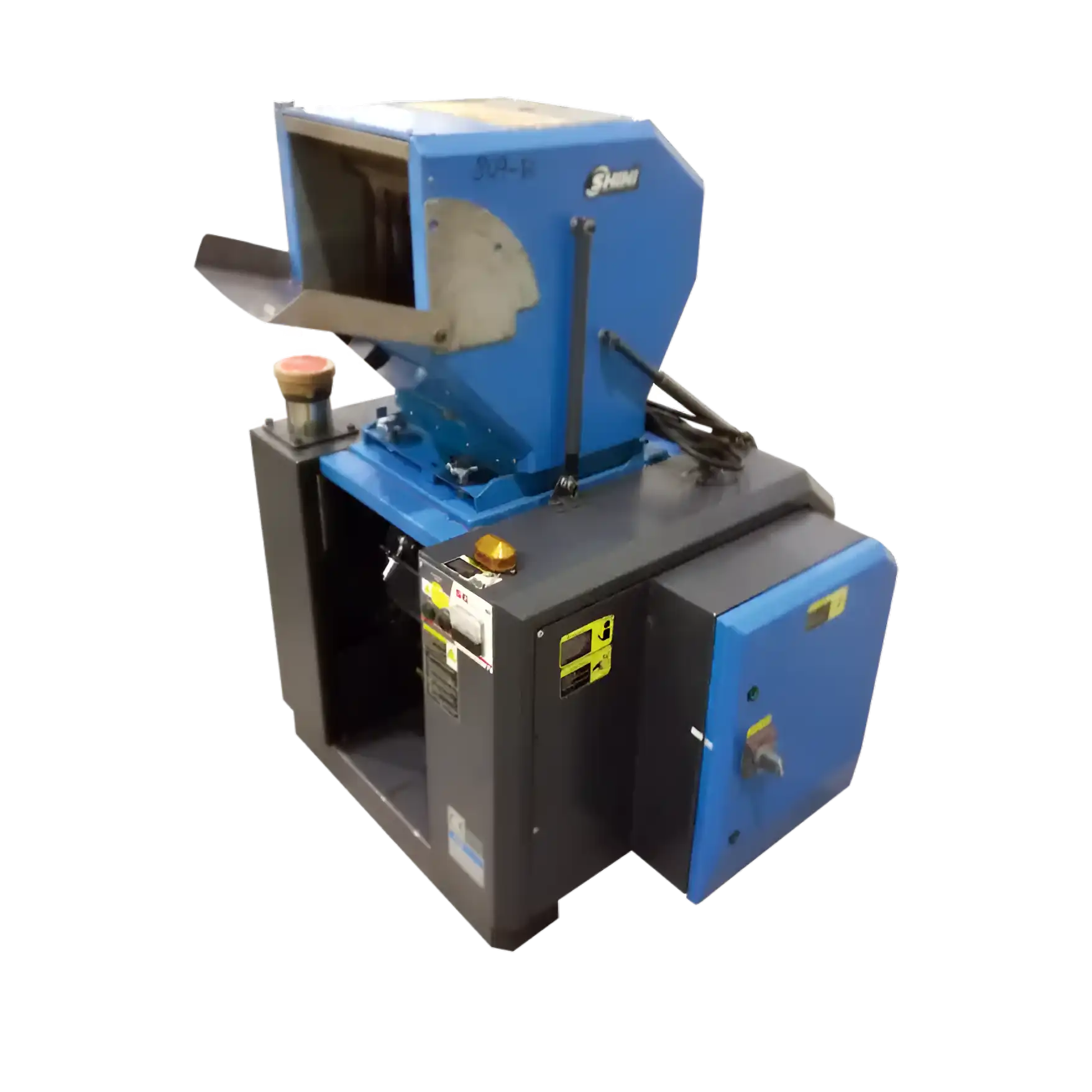
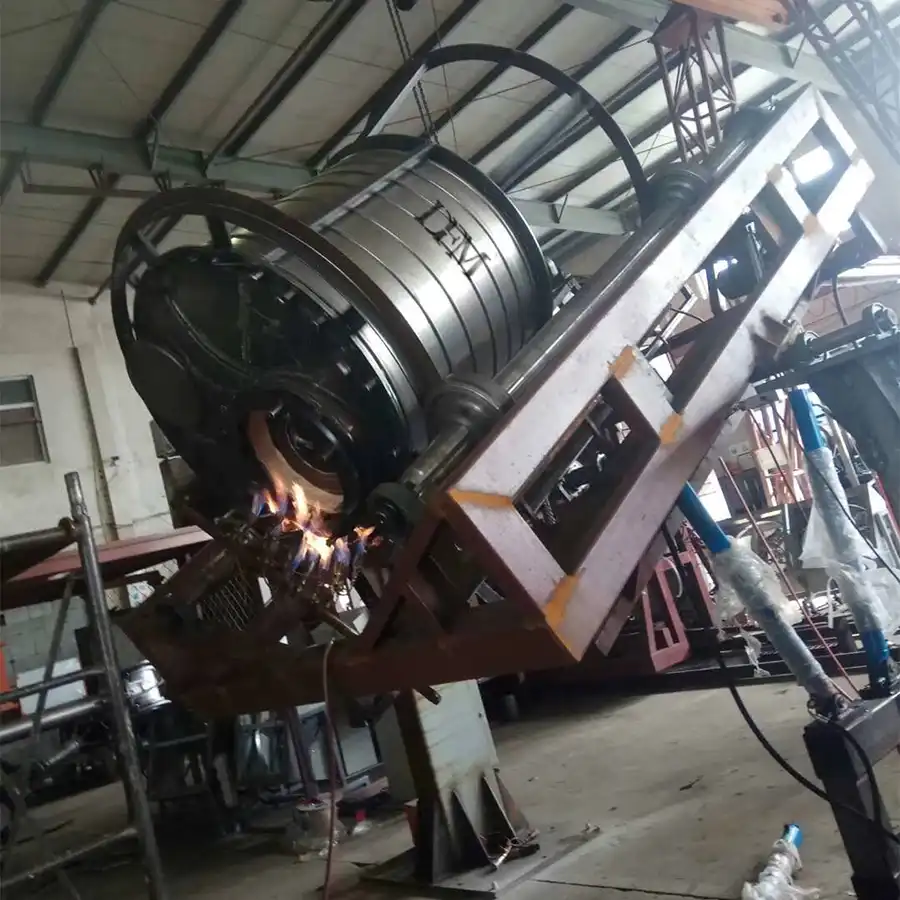
- Rotational molding machine (manual or automatic)
- 3-arm or 4-arm simultaneous rotation
- Digital electric control panel
- Industrial gas or diesel oven
- Heat-resistant insulation
- Up to 300°C temperature control
- Gas usage: 40–60 m³/hour
- CNC aluminum molds for various tank sizes (500L, 1000L, 1500L, 2000L)
- Loading and cooling arms – for powder feeding and mold spinning
- Other workshop tools – assembly table, welding unit, air compressor, vacuum, safety gear
Production Capacity & Efficiency
| Product Type | Mold Capacity | Cycle Time (min) | Units per 8h Shift |
| 500-liter tank | 50 kg | 18–22 | 70–80 |
| 1000-liter tank | 80 kg | 25–30 | 40–50 |
| 2000-liter tank | 130 kg | 35–45 | 25–30 |
- Material waste: <2% with proper loading
- Efficiency: Over 85% in automated systems
Required Space
| Production Scale | Workshop Area | Storage Yard | Total Land |
| Small | 300 m² | 300 m² | 600 m² |
| Medium | 500 m² | 500 m² | 1000 m² |
| Large | 1000 m² | 1000 m² | 2000 m² |
- Concrete flooring, heat-proof ceilings, mechanical ventilation required
- Separate storage for raw materials and finished tanks
Energy & Infrastructure
- Electricity: Min. 100A three-phase
- Wiring: Industrial with smart control panels
- Gas meter: G40 or above
- Gas consumption: 40–60 m³/hour
- Water use: 500–1500 liters/day (less with closed-loop systems)
Workforce Requirements
| Role | Number/Shift | Responsibility |
| Machine Operators | 2 | Setup, temperature, and mold rotation |
| Assembly & QC | 2 | Leak test, fitting installation |
| Warehouse Staff | 1 | Stocking and final product loading |
| Technician (Elec/Mech) | 1 | Maintenance and repairs |
| Shift Manager | 1 | Production supervision, reporting |
Total: 6–7 personnel for medium-scale capacity
Profit Estimation
- Initial investment: ~8–12 billion IRR for machines and molds
- Monthly raw material cost: ~500–1200 million IRR
- Monthly revenue: ~1–2.5 billion IRR
- Net profit/month: ~300–700 million IRR
- ROI: 6–12 months with proper marketing
Conclusion: Is This the Most Profitable Production Line?
Considering:
- Constant demand for hygienic and industrial tanks in Iran
- Easy, high-margin export potential
- Simple setup without complex mechanization
- Manageable costs for energy and staffing
We can confidently say: The polyethylene tank production line is one of the most profitable and low-risk industrial lines in Iran.