
Introduction
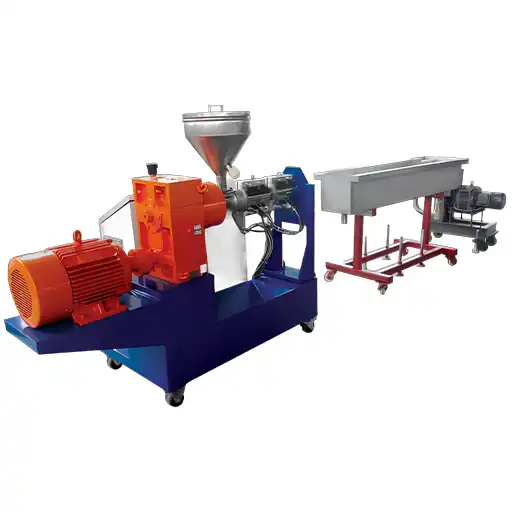
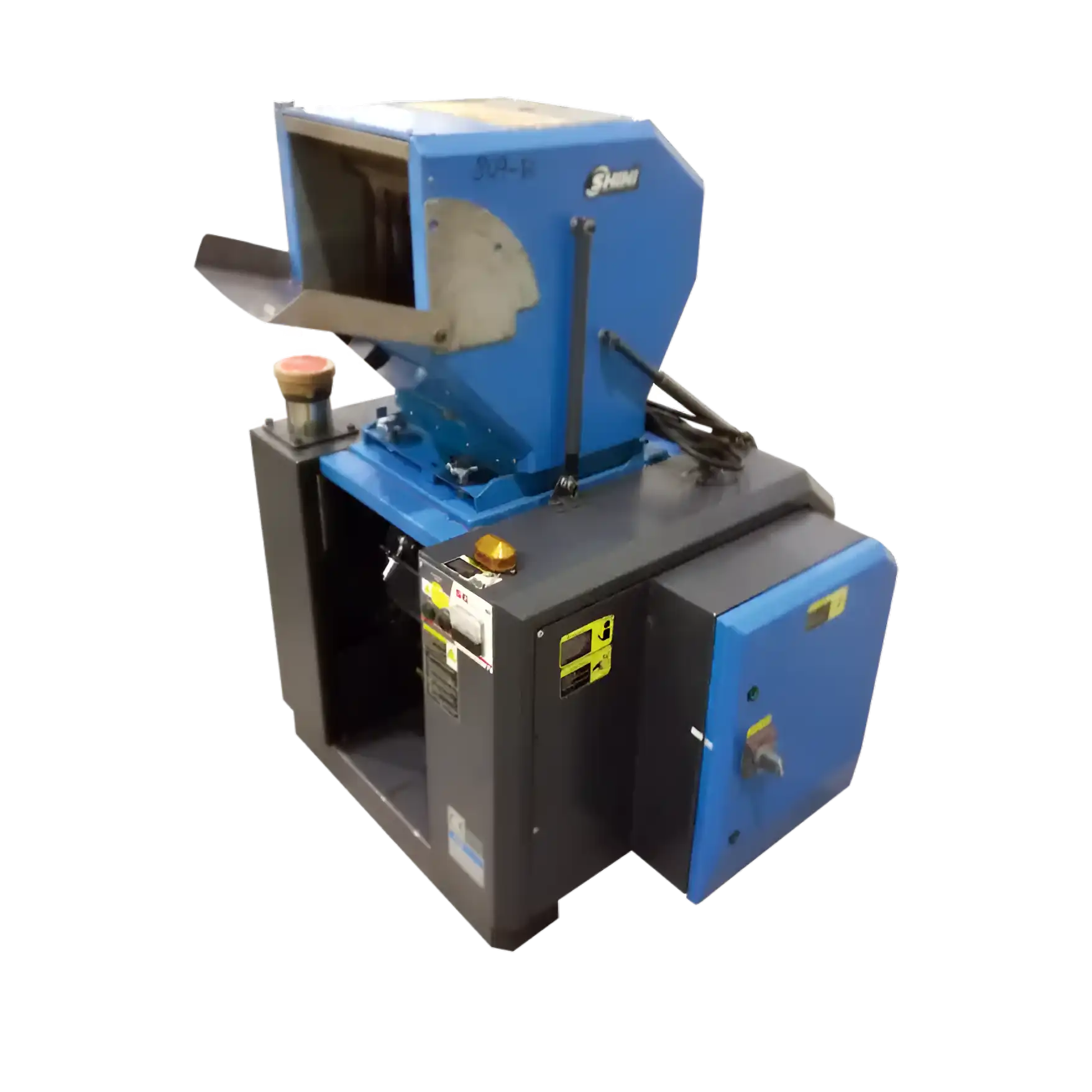
The polymer industry relies heavily on complex machines like extruders, injection molding machines, and forming systems. These machines require regular maintenance to maintain high efficiency and avoid production downtime. Proper maintenance not only extends the service life of equipment but also reduces emergency repair costs.
This article outlines the key practices for maintaining polymer machinery effectively.
-
Periodic and Preventive Inspections
The first step in machine maintenance is implementing a scheduled inspection program, which should include key components such as:
- Hydraulic and pneumatic systems (oil leakage, air pressure)
- Rotating parts like extruder screws and barrels (wear, alignment)
- Heating and cooling systems (precise temperature, heater performance)
Davaran Fidar provides smart monitoring sensors and data analytics software to help operators monitor machinery in real-time and predict failures before they occur.
-
Regular Lubrication and Cleaning
Improper lubrication is a leading cause of machinery failure in polymer processing. For example, poor lubrication of screws in extruders can lead to seizing or melting issues.
Execution tips:
- Use high-temperature-compatible greases and oils in moving parts
- Clean molds and nozzles daily to prevent polymer buildup
- Utilize automatic lubrication systems to minimize human error
Davaran Fidar’s smart oil injectors and anti-wear components help standardize lubrication and reduce repair costs by up to 40%.
-
Temperature Control
Polymer machinery, especially extruders and injection molding machines, depends on accurate temperatures for melting and shaping materials. Temperature fluctuations can degrade raw materials or damage internal parts.
Practical solutions:
- Perform monthly calibration of thermocouples and temperature sensors
- Use high-efficiency cooling systems to prevent overheating
- Replace thermal insulation in heating zones as needed
Davaran Fidar offers industrial cooling systems and advanced PID controllers to ensure precise temperature management.
-
Operator Training and Instructions
Skilled operators are key to minimizing operational errors. Operators should be familiar with startup instructions, technical settings, and troubleshooting methods for each machine.
Recommendations:
- Hold training courses tailored to each production unit’s equipment
- Place visual maintenance guides on machines for easy reference
- Timely Replacement of Worn Components
Parts like guide rollers, sealing gaskets, and bearings wear over time. Delayed replacement can cause serious damage to the entire system.
Management strategies:
- Record installation dates and service life in maintenance software
- Purchase original, warranty-backed spare parts for reliability
As a trusted supplier of polymer machinery parts, we offer extruder screws, ceramic heaters, and anti-wear bearings with authenticity guarantees.
Conclusion
Preventive maintenance and proper repairs not only cut production costs but also improve final product quality. With modern equipment and specialized services from Davaran Fidar, manufacturers can extend the lifespan of their machines and ensure long-term profitability.