Rotational Molding Machines: A Complete Guide to Choosing the Right Machine by Davaran Fydar Maham
Introduction: The Importance of Selecting a Rotational Molding Machine in Modern Plastics Industry
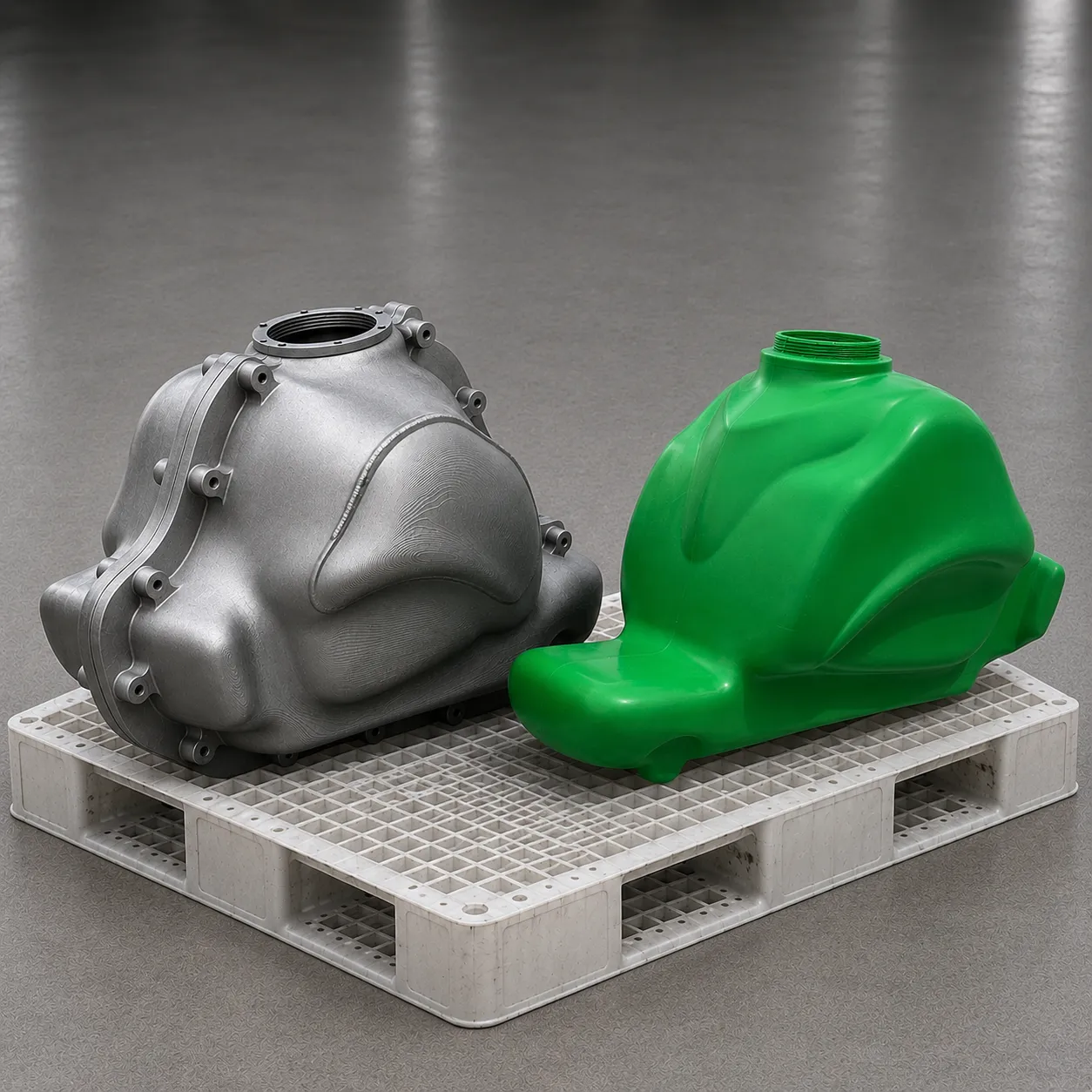
In today’s competitive plastics industry, where demand for hollow, durable, and intricately designed products is constantly rising, selecting the right rotational molding machine can be the key to business success or failure. Rotational molding, or rotomolding, is an innovative process that combines heat and rotation to produce seamless, hollow plastic parts. This method is widely used for manufacturing polyethylene water tanks, industrial components, agricultural equipment, recreational products, and even automotive parts. Its advantages include low tooling costs, high design flexibility, and the ability to produce large, bulky items, making it a standard across various industries.
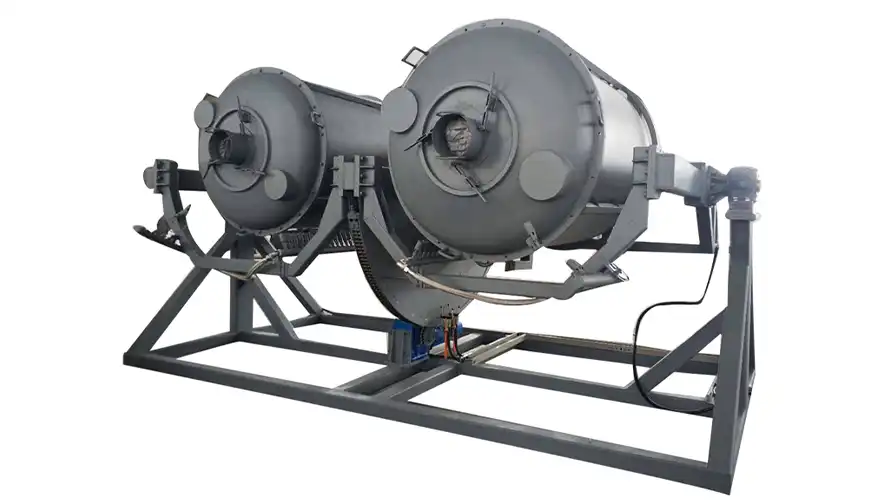
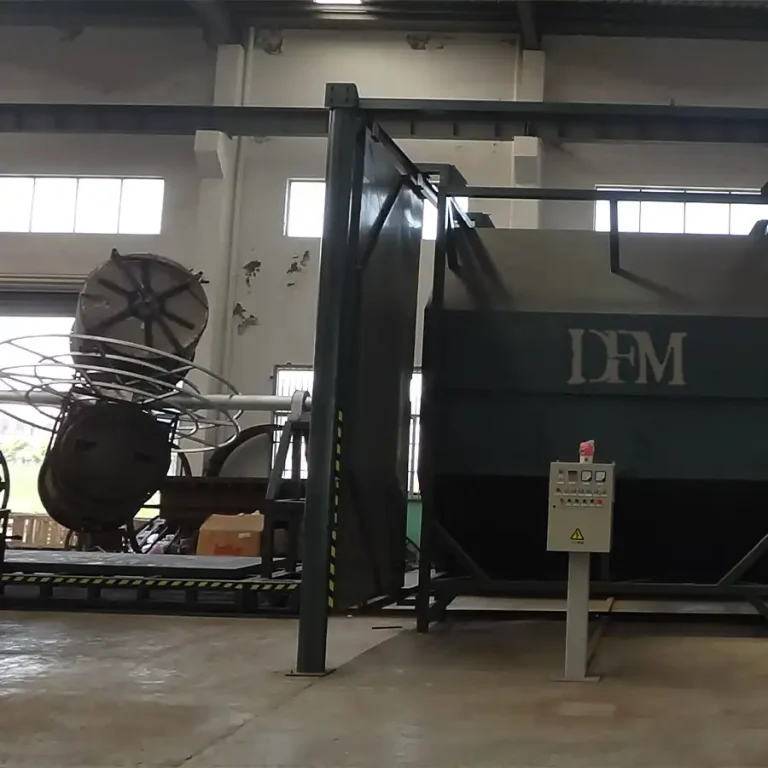
Davaran Fydar Maham, with over 15 years of experience in rotational molding, is a pioneer in designing and manufacturing rotational molding machines in Iran. They offer comprehensive solutions for both domestic and export markets, producing machines like shuttle, carousel, open flame, and rock-and-roll systems. These machines also meet the demands of neighboring countries such as Tajikistan, Iraq, and Afghanistan. But with so many options, how can manufacturers choose the best machine for their specific production needs? This article provides a detailed analysis of the types of rotational molding machines offered by Davaran Fydar Maham, including their advantages, disadvantages, applications, historical evolution, comparisons, and key selection criteria. Case studies, technical insights, ancillary services like mold repair, and economic evaluations are also included to guide informed decision-making. Industry reports suggest that selecting the right machine can increase efficiency by up to 40% and reduce production costs by up to 30%.
History and Evolution of Rotational Molding: From Early Ideas to Advanced Machines by Davaran Fydar Maham
The roots of rotational molding go back to the 19th century. In 1855, R. Peters in the UK used biaxial rotation and heat to produce metallic cannon shells. Its application in plastics began in the 1950s for doll heads. By the 1960s, indirect hot air systems replaced direct flames, allowing the production of large low-density polyethylene tanks.
The 1980s introduced materials like polycarbonate, polyester, and nylon, expanding applications to fuel tanks, industrial parts, and medical equipment. In Iran, rotational molding grew significantly with companies like Davaran Fydar Maham in the early 2000s. The company integrated modern technology like precise temperature control and automation into shuttle and carousel machines. Today, according to sources like ScienceDirect, rotational molding can produce items up to 65,000 liters, and Davaran Fydar Maham’s open flame and rock-and-roll machines have contributed to this technological evolution in the region. Their machines enable multilayer, durable, and recyclable products.
The Rotational Molding Process: Step-by-Step with Technical Details
Before exploring the machines, understanding the process is crucial. Davaran Fydar Maham machines optimize four main stages:
- Material Loading: Polyethylene powder (LLDPE, HDPE) or other plastics is loaded into the mold, which is then closed. Shuttle machines by Davaran Fydar Maham feature automatic loading systems to speed up production.
- Heating and Rotation: The mold rotates biaxially inside an oven to melt the material and coat the mold walls evenly. Temperatures range from 200–300°C. Carousel machines ensure precise heat control to prevent material burning, while rock-and-roll systems distribute materials uniformly for tall components.
- Cooling: The mold is cooled with air, water, or both while rotating to finalize the part’s shape. Open flame machines allow faster cooling due to direct heat.
- Demolding and Post-Processing: Finished parts are removed from molds and may require trimming, polishing, or inserting metal inserts. Davaran Fydar Maham offers mold repair services to optimize reuse.
This low-pressure process avoids internal stresses common in injection or blow molding. Modern technologies like IoT sensors integrated by Davaran Fydar Maham enhance process accuracy.
Key Advantages of Rotational Molding: Why Choose Davaran Fydar Maham?
- Unlimited design freedom: Complex angles, recesses, and protrusions are achievable.
- Multilayer production: Ideal for chemical-resistant or anti-algae tanks.
- Cost-effective for small batches: Efficient even below 50 units.
- Multi-color capability: Small batches can still include several colors.
- Metal insert integration: For custom designs.
- Durability and recyclability: Resistant to chemicals and environment.
- Large parts production: Up to 4 meters and 65,000 liters with weights up to 1,500 kg.
Davaran Fydar Maham combines these advantages with cost-efficient production and economic consulting using NPV, ROI, cost-benefit analysis, and payback period evaluations.
Types of Rotational Molding Machines by Davaran Fydar Maham
-
Shuttle Machine: Economic Choice for Medium Production
- Advantages: Low initial cost, compact footprint, flexible for different sizes, optimized workflow for tanks up to 1,000 liters.
- Disadvantages: Lower capacity for mass production, manual adjustments needed for complex parts.
- Applications: Water tanks, industrial parts, agricultural equipment.
- Technical Details: PLC control and indirect heat for precise molding.
-
Carousel Machine: High-Volume Champion
- Advantages: High efficiency for mass production, simultaneous multi-mold processing, reduces cycle time by 40%.
- Disadvantages: Higher cost and space, complex maintenance.
- Applications: Large tanks for agriculture or industrial use (e.g., 10,000 liters).
- Technical Details: IoT monitoring, optimized for exports to Iraq and Afghanistan.
-
Open Flame Machine: Simple and Efficient for Specialized Parts
- Advantages: Simple, low cost, fast cycles.
- Disadvantages: Risk of burning material, limited to medium production.
- Applications: Industrial parts or tanks with special thickness.
- Technical Details: Integrated advanced safety systems.
-
Rock-and-Roll Machine: Specialist for Tall Parts
- Advantages: Uniform distribution for large cylindrical parts, energy-efficient.
- Disadvantages: Limited to specific parts, longer cycle times.
- Applications: Cylindrical tanks for transport or agriculture.
- Technical Details: High-capacity design focused on durability.
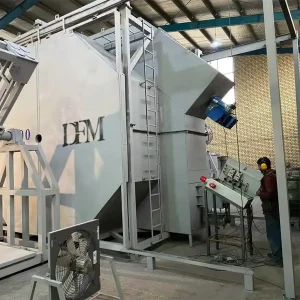
Machine Comparison by Davaran Fydar Maham
| Machine Type | Advantages | Disadvantages | Main Use | Approx. Cost | Production Capacity |
| Shuttle | Low cost, flexible | Medium capacity | Medium production | Low | Medium |
| Carousel | High efficiency | Large footprint | Mass production | High | High |
| Open Flame | Simple, fast | Risk of burning | Specialized parts | Low | Medium |
| Rock-and-Roll | Uniform distribution | Limited use | Tall parts | Medium | Medium–High |
Criteria for Choosing a Rotational Molding Machine
- Production volume and type: Shuttle for small, carousel for large.
- Product type: Rock-and-roll for tall parts, open flame for specialized parts.
- Budget and workshop space: Shuttle for limited budgets.
- Automation: Davaran Fydar Maham models with PLC control.
- After-sales support: Excellent support from Davaran Fydar Maham.
- Economic guidance: Consultations with NPV and ROI analysis.
Ancillary Services by Davaran Fydar Maham
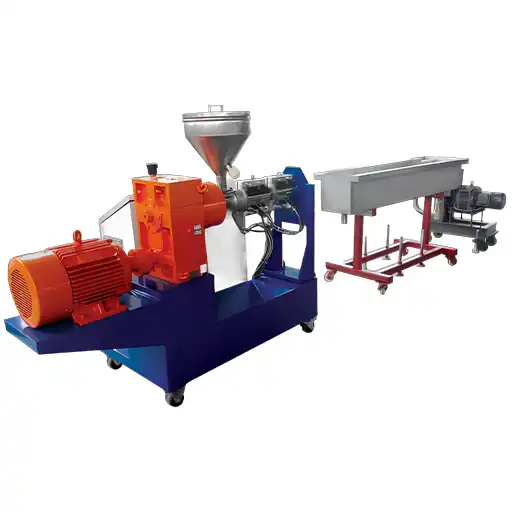
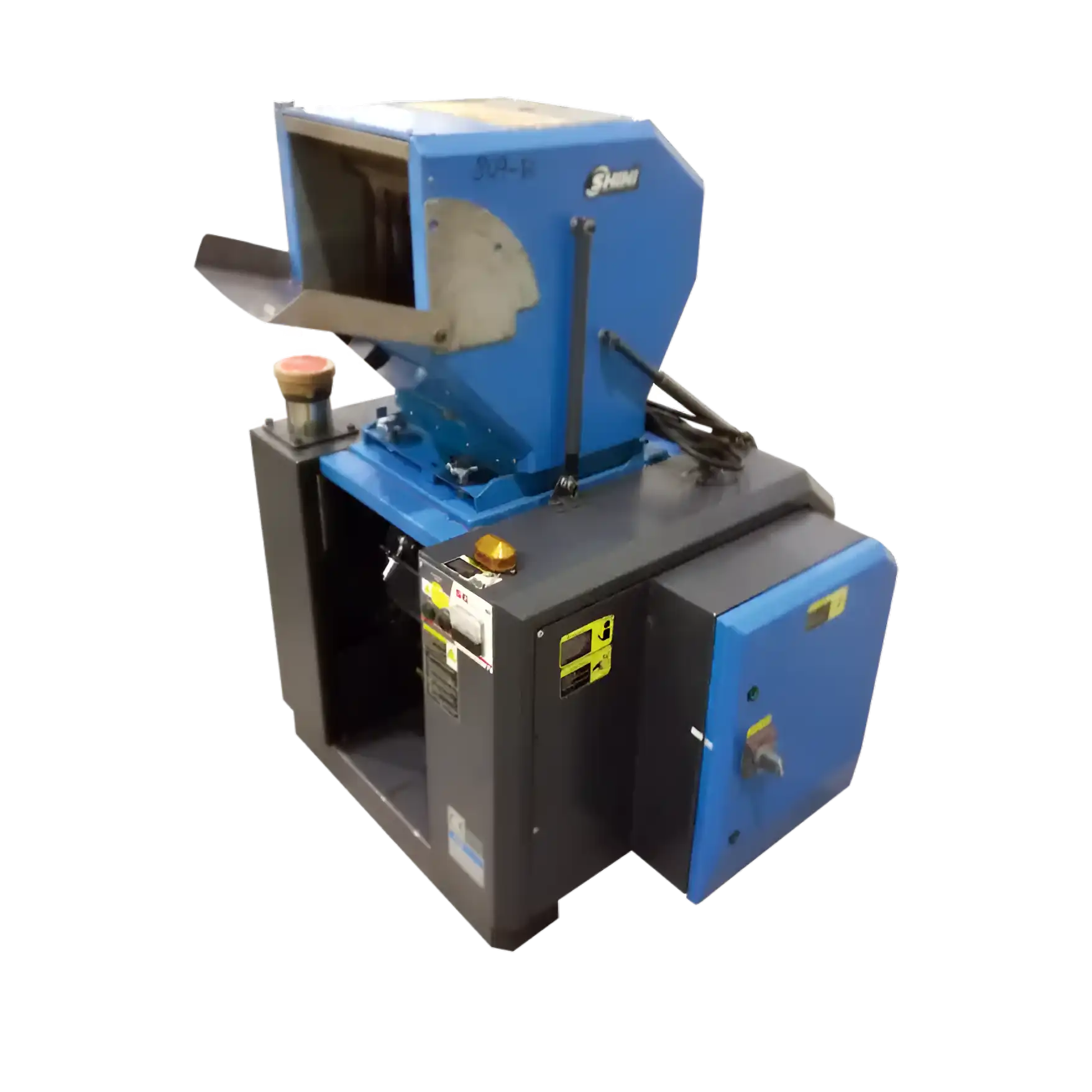
- Mold design, pulverizer, repair, grinding, crusher machine, and extruder.
- Economic consulting for smart investments.
Case Studies and Customer Feedback
- Customers in Iraq report that Davaran Fydar Maham shuttle machines increased efficiency by 25%.
- General feedback emphasizes satisfaction with product quality.
Technical Tips for Optimization
- Material selection: HDPE for durability.
- Temperature control: Prevent defects.
- Maintenance: Monthly checks.
- Safety: Use protective equipment.
Conclusion: Investing in Rotational Molding Machines with Davaran Fydar Maham
Choosing a rotational molding machine from Davaran Fydar Maham is a smart investment. With shuttle, carousel, open flame, and rock-and-roll machines, manufacturers can optimize production. For consultation, visit the Davaran Fydar Maham website.