Rotational Molding: A Comprehensive Guide
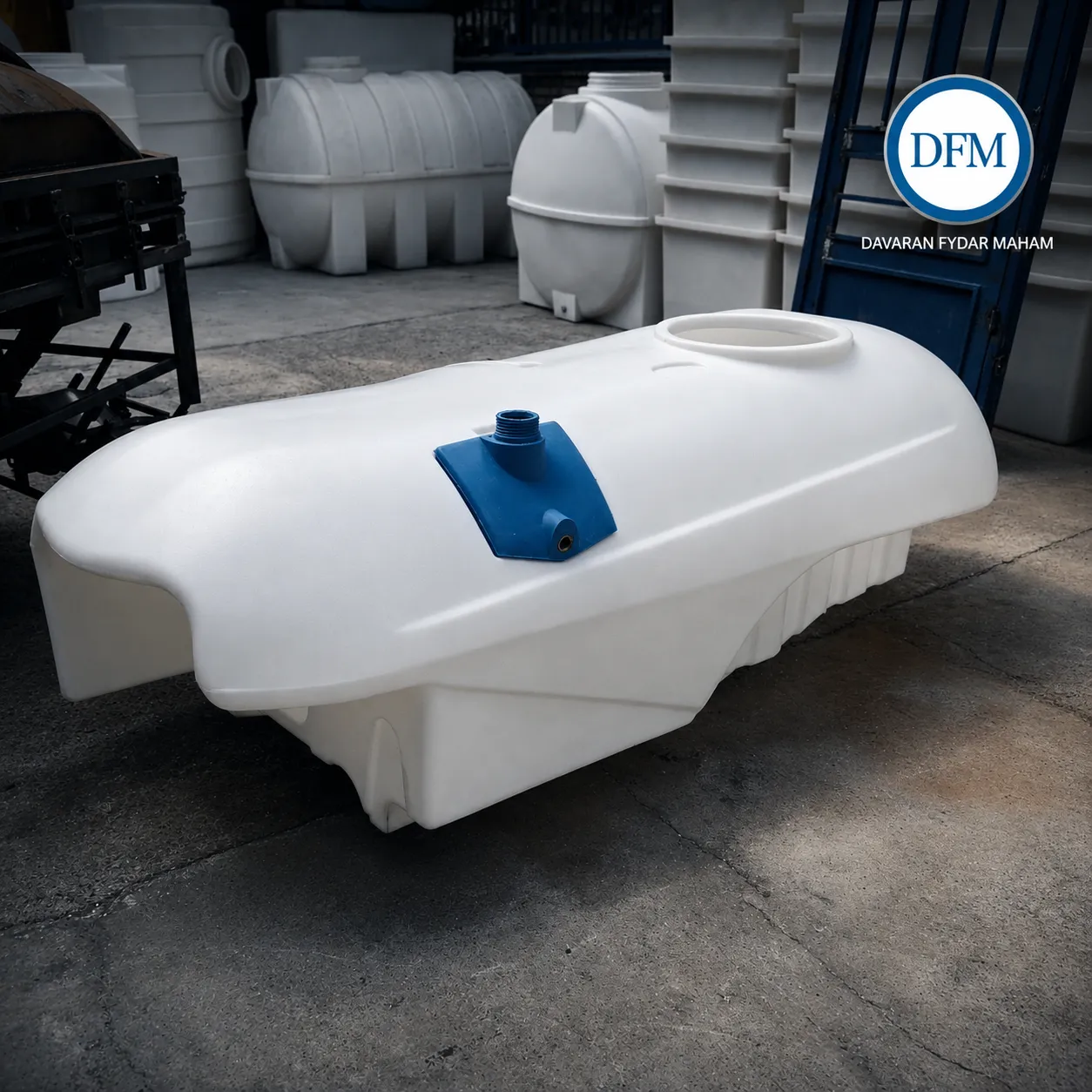
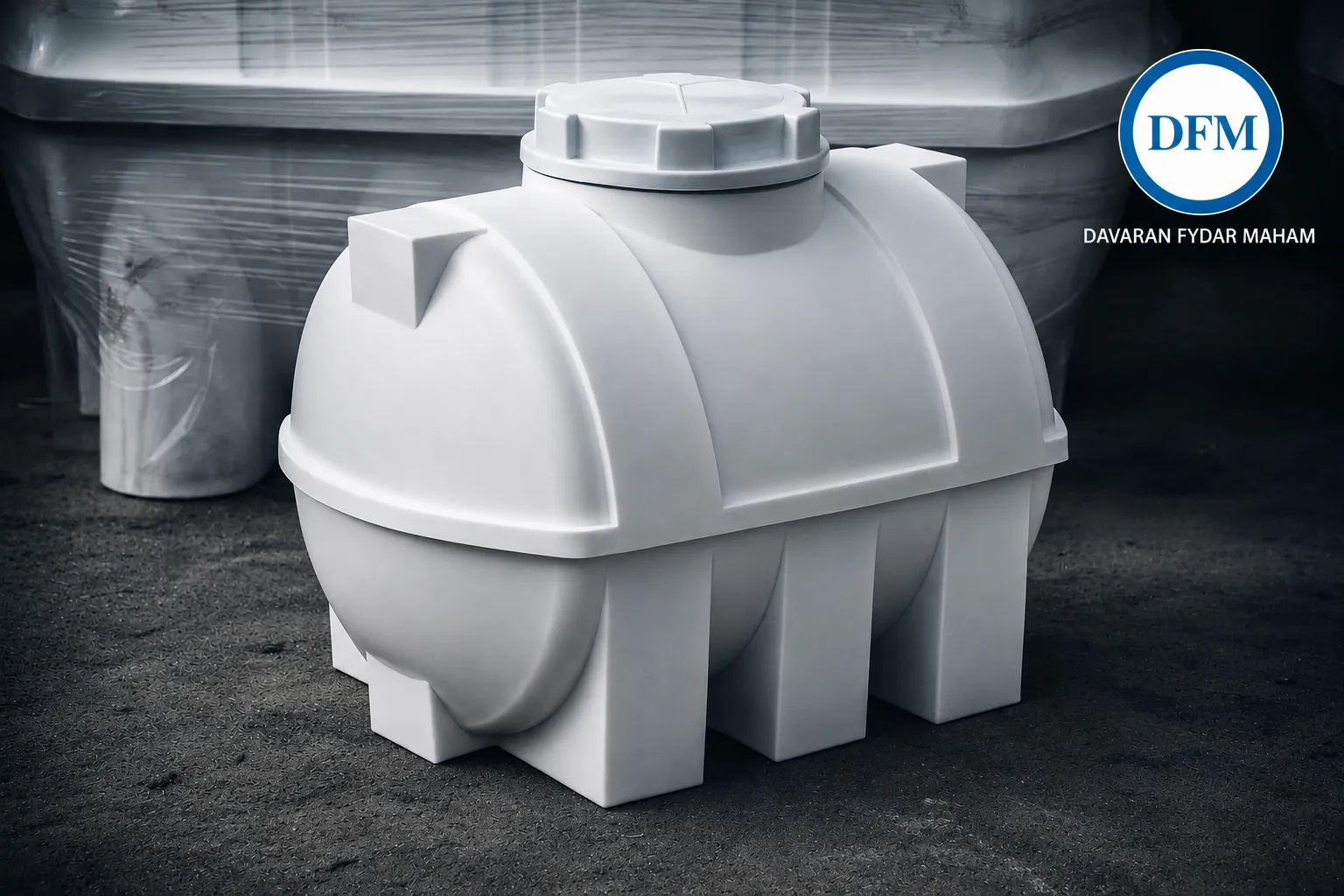
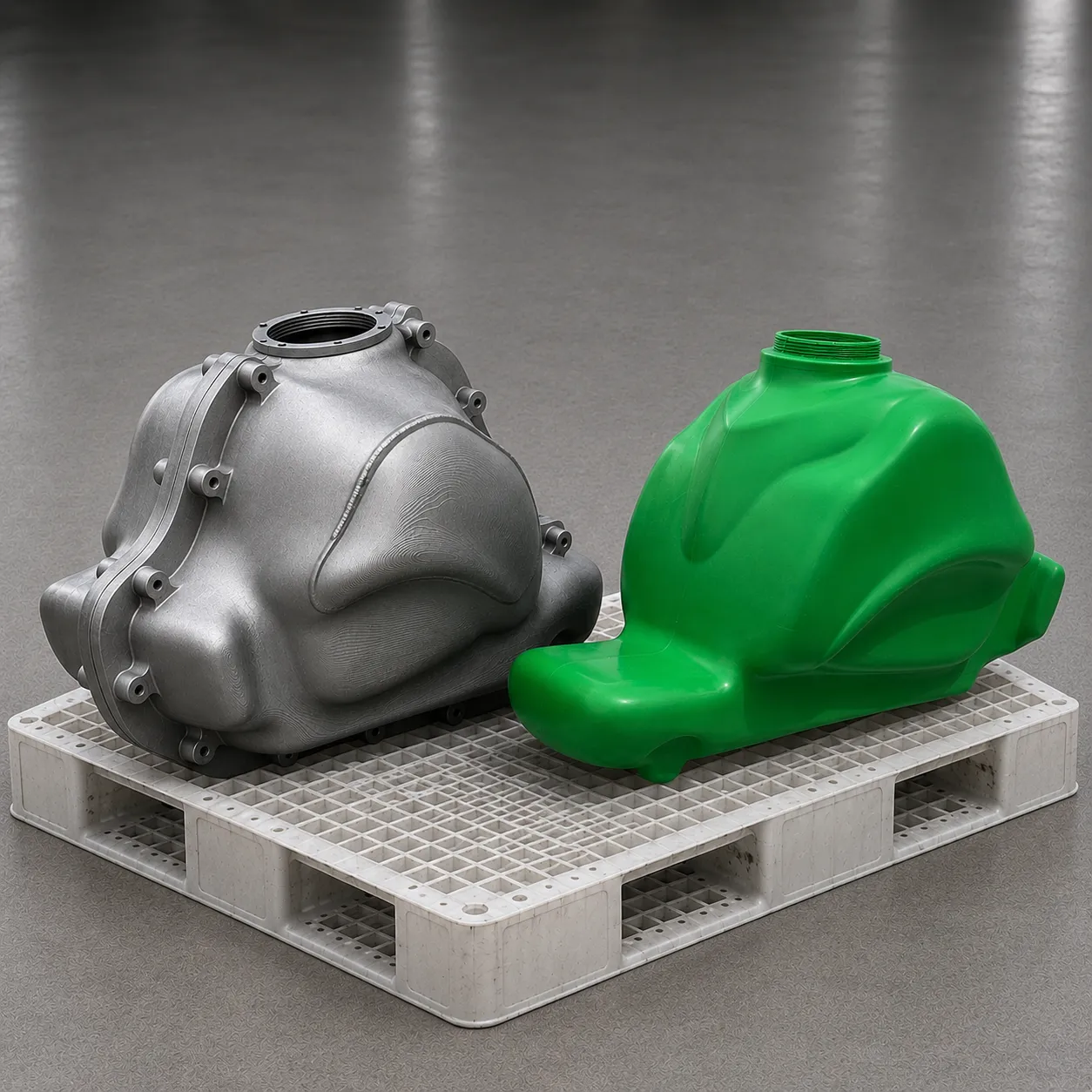
Rotational molding, also known as rotomolding, is a versatile and cost-effective production method in the polymer industry. It is widely used to create hollow plastic products, such as water tanks, containers, and large-scale parts. This article explores the rotational molding process, its advantages, and its applications.
What is Rotational Molding?
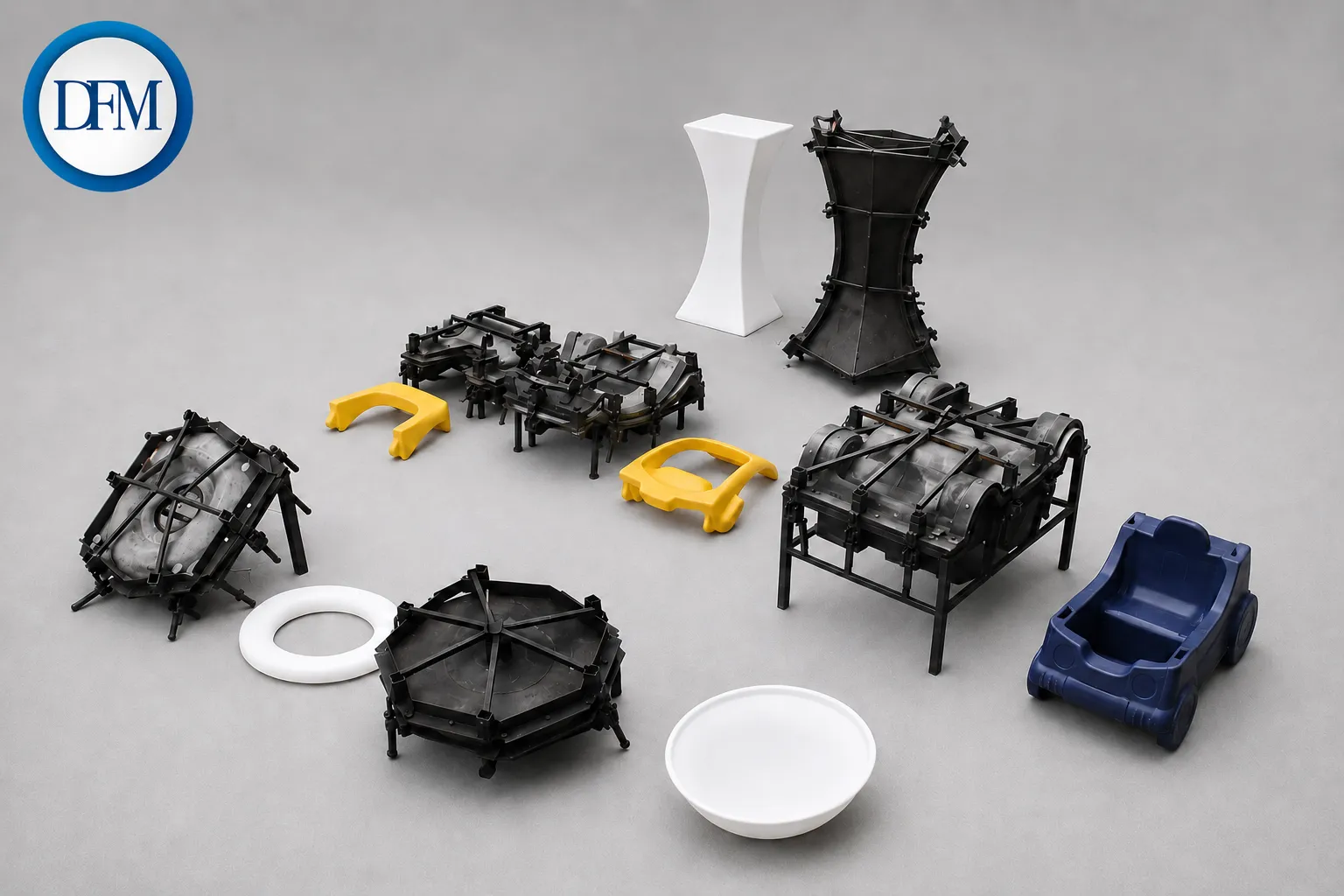
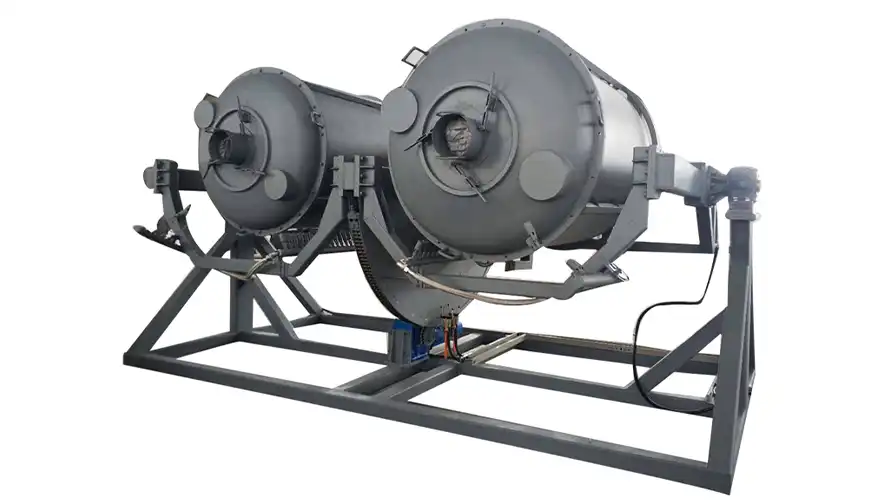
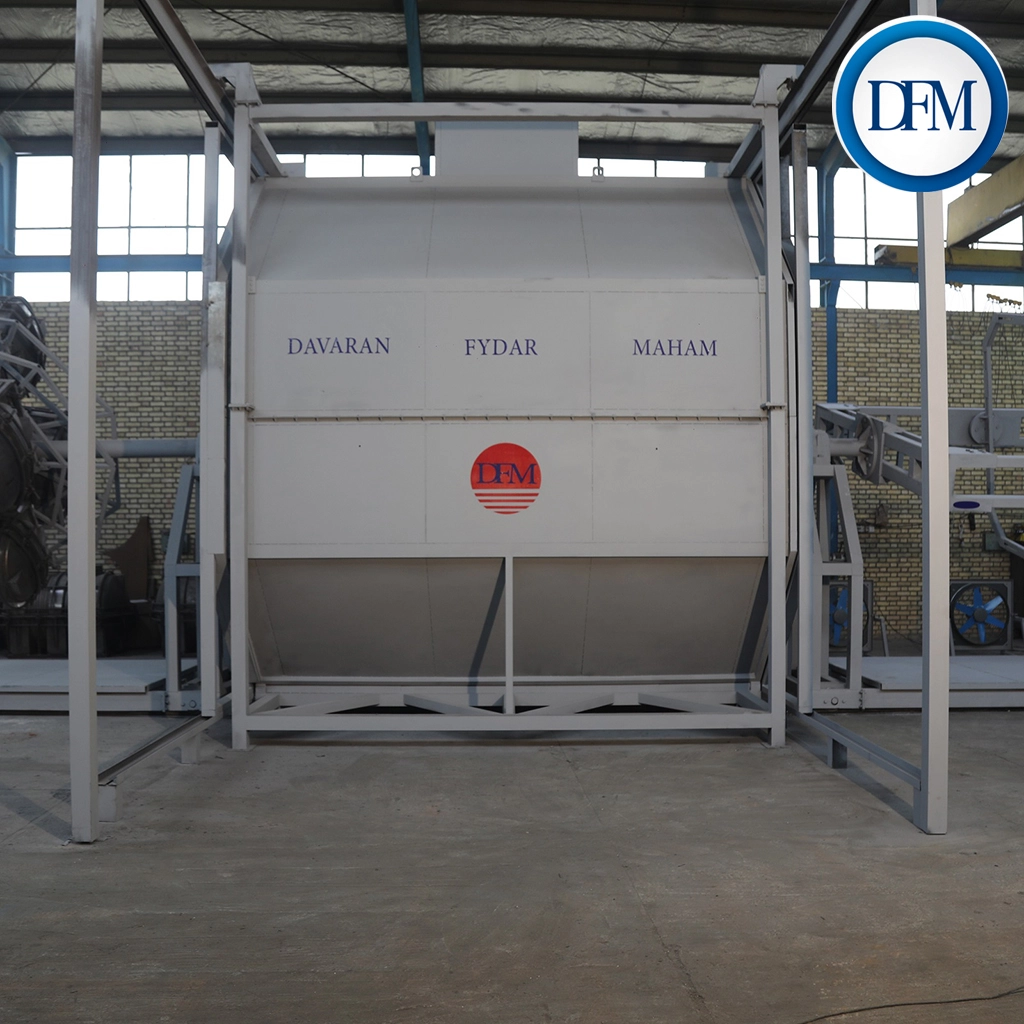
Rotational molding is a manufacturing process where polyethylene powder is placed inside a mold, which is then heated and rotated simultaneously in vertical and horizontal directions. The mold is heated to temperatures between 200°C and 270°C, allowing the powder to melt and coat the interior of the mold evenly. After baking, the mold is cooled, and the final product is removed.
Key Steps in the Rotational Molding Process
- Loading the Mold:
- Polyethylene powder is poured into the mold.
- Heating and Rotating:
- The mold is placed in an oven and rotated 360 degrees in both vertical and horizontal directions.
- The heat melts the powder, creating a uniform layer inside the mold.
- Cooling:
- The mold is moved to a cooling chamber, where fans and water spray systems cool it down.
- Unloading the Product:
- Once cooled, the product is removed from the mold, deburred, and prepared for delivery.
Advantages of Rotational Molding
1. Design Freedom
- Allows for complex shapes, angles, recesses, and protrusions.
- Wall thickness can be adjusted as needed.
2. Multi-Layer Production
- Easily produces two-layer, three-layer, and multi-layer products without requiring special molds.
3. Customizable Molds
- Molds can be made from various materials (e.g., aluminum, steel) based on customer requirements.
4. Cost-Effective and Fast Production
- Low tooling costs and fast mold production.
- Ideal for small production runs (even under 50 pieces).
5. Durable and Recyclable Products
- Products are highly durable and resistant to chemicals and UV rays.
- Made from recyclable polyethylene materials.
6. Color Variety
- Products can be produced in different colors, even for small production runs.
7. Large-Scale Production
- Capable of producing large parts with dimensions up to 4 meters x 4 meters x 4 meters and capacities up to 65,000 liters.
Applications of Rotational Molding
- Water Tanks:
- Storage tanks for domestic, industrial, and agricultural use.
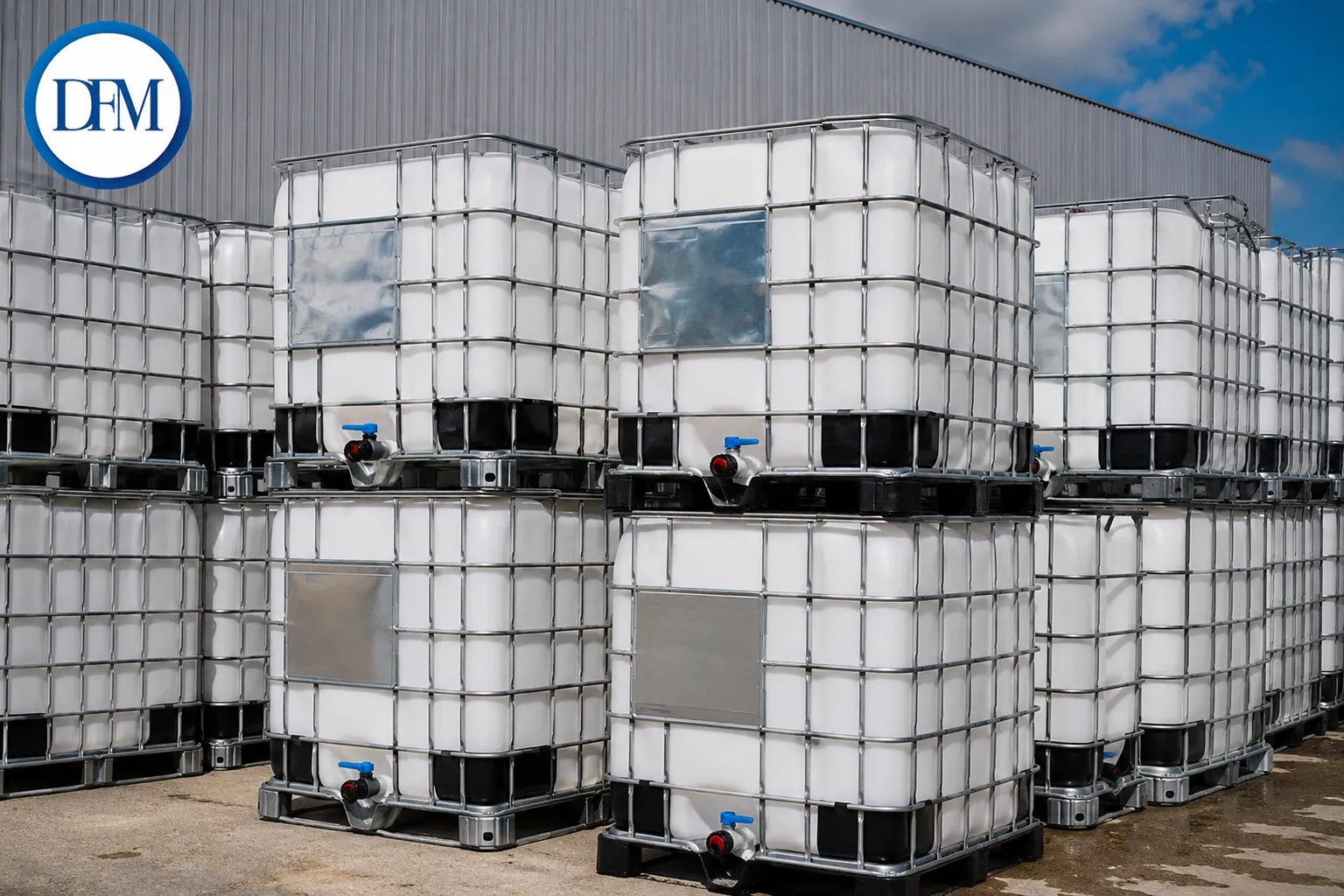
- Containers:
- Chemical storage, fuel tanks, and bulk containers.
- Automotive Parts:
- Ducts, panels, and fluid reservoirs.
- Toys and Recreational Equipment:
- Playground equipment, kayaks, and floats.
- Medical Equipment:
- Storage containers and equipment housings.
Why Choose Rotational Molding?
- Versatility: Suitable for a wide range of products and industries.
- Cost-Effective: Low initial investment and production costs.
- High-Quality Products: Durable, seamless, and resistant to environmental factors.
- Customization: Easy to produce parts in different colors, sizes, and designs.
Conclusion
Rotational molding is a highly efficient and flexible manufacturing process for producing durable, high-quality plastic products. Its ability to create complex shapes, multi-layer designs, and large-scale parts makes it a preferred choice for industries ranging from water storage to automotive and recreational equipment. By leveraging the advantages of rotational moldings, manufacturers can achieve cost-effective and innovative solutions for their production needs.