
What is warping in rotational molding, and how can it be prevented?
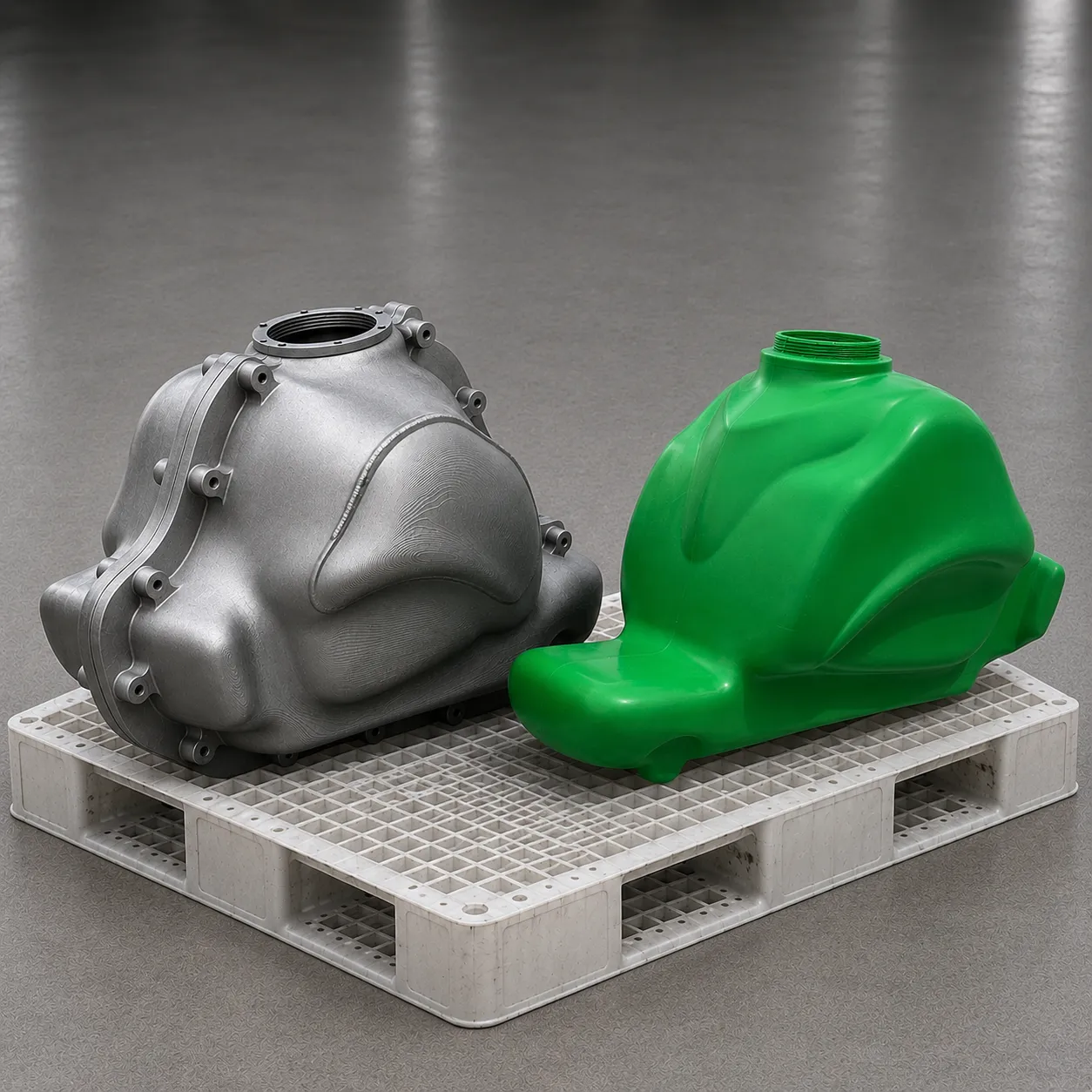
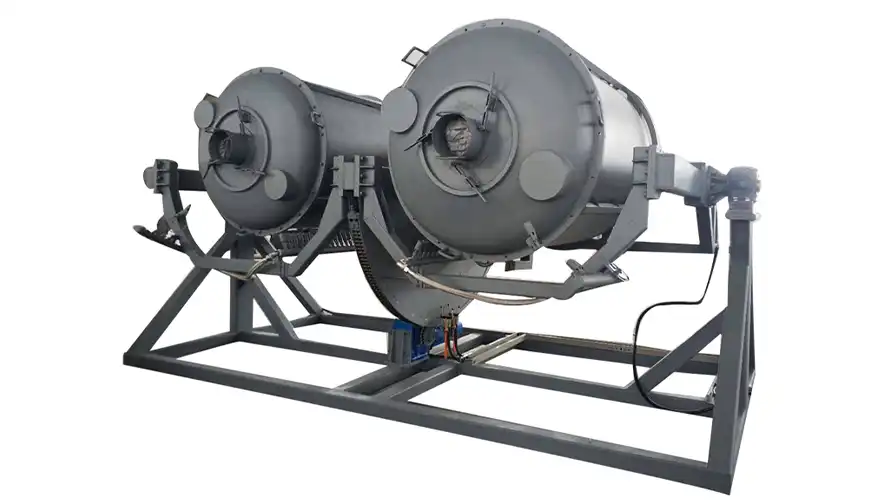
Rotational molding is one of the most popular techniques for manufacturing plastic parts due to its simplicity, low cost, and high efficiency. However, the process comes with challenges. One of the most common issues in rotational molding is warping — deformation of the final part. This article explores the causes of warping and practical methods to prevent it.
What is warping?
Warping occurs when the final part loses its designed shape due to uneven cooling, shrinkage, or other factors. The deformation may range from subtle and minor to severe, making the product unusable.
Causes of warping in rotational molding:
- Geometry and metal inserts:
Inserts inside the mold can hinder natural shrinkage, causing residual stress and potential cracks. Design should allow ~3–3.5% shrinkage around inserts. - Wall thickness:
Uneven wall thickness, especially in asymmetric parts, leads to uneven shrinkage. Thicker walls shrink more, causing warping. Flat surfaces are more prone to distortion. - Temperature differences:
Uneven cooling between inner and outer surfaces causes warping. Balancing cooling rates helps reduce deformation. - Other factors:
- Poor air ventilation retains heat and causes uneven cooling.
- Incorrect oven temperature leads to overbaking or undercooking.
- Moisture in powder disrupts the forming process.
How to prevent warping:
- Optimize mold and part design:
- Use flexible inserts.
- Avoid flat surfaces; prefer curves.
- Design uniform wall thickness.
- Use molds with even heat distribution.
- Control heating and cooling:
- Rotate molds during cooling for even temperature distribution.
- Use thermally conductive materials (aluminum, steel, copper).
- Precisely control oven temperature and heating time.
- Ensure proper ventilation:
- Use exhaust vents (13 mm diameter per m³ of mold volume).
- Ensure ducts remain unobstructed during the process.
- Check raw materials:
- Use fully dried powder.
- Use pre-mixed or non-disruptive colorants.
Summary Table: Prevention Methods
| Warping Cause | Prevention Method |
| Geometry and inserts | Flexible design and allowance for shrinkage |
| Uneven wall thickness | Uniform thickness and even heat distribution |
| Uneven cooling | Mold rotation during cooling, use conductive molds |
| Poor ventilation | Adequate venting and clear air paths |
| Incorrect heating | Accurate oven temperature and duration |
| Moisture in powder | Use dry powder and store in low-humidity conditions |
Conclusion
Warping in rotational molding is common but preventable. By addressing factors like uneven cooling, poor mold design, and non-uniform wall thickness, high-quality and durable products can be achieved.