
Sustainable Growth Driven by Innovation and Durability
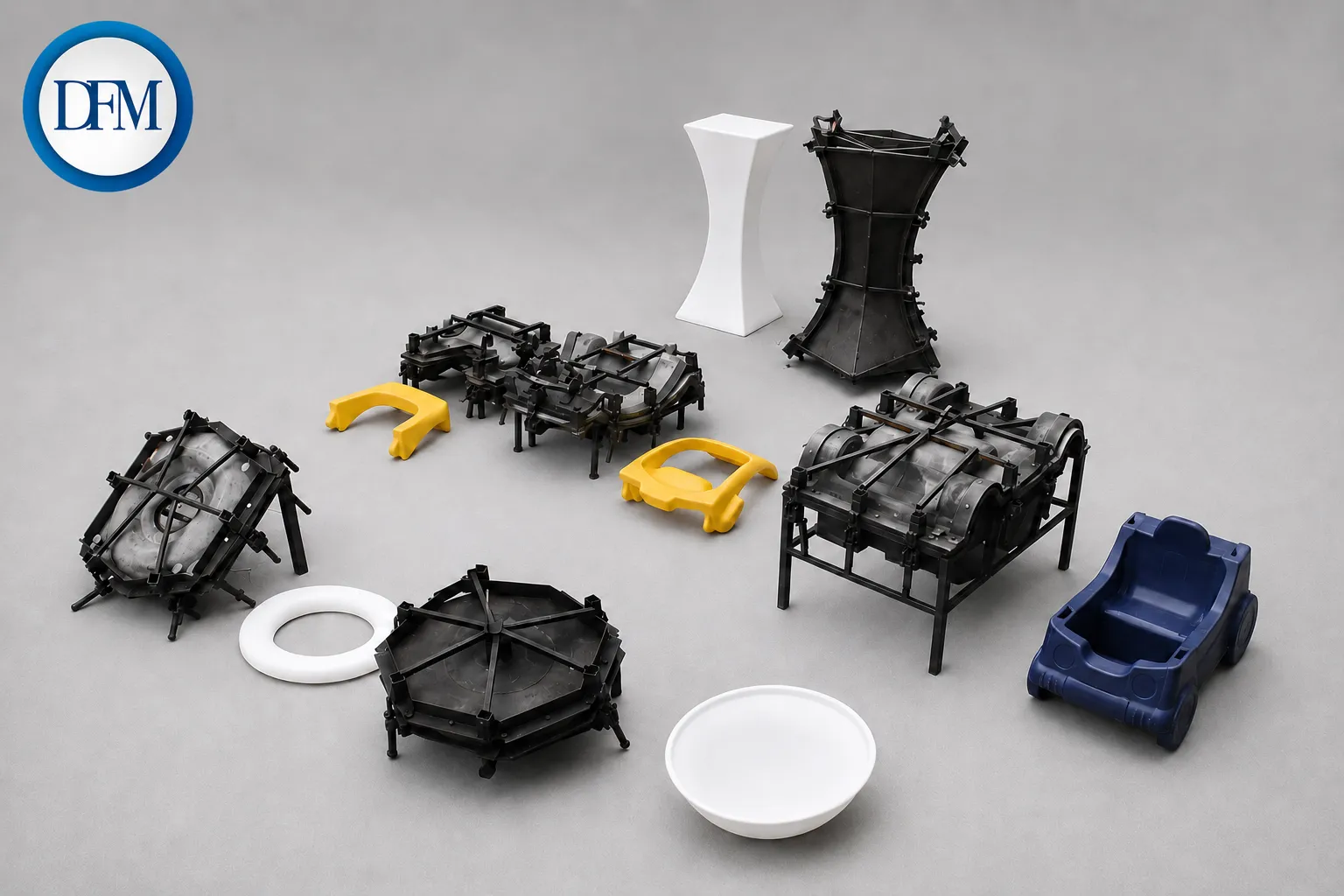
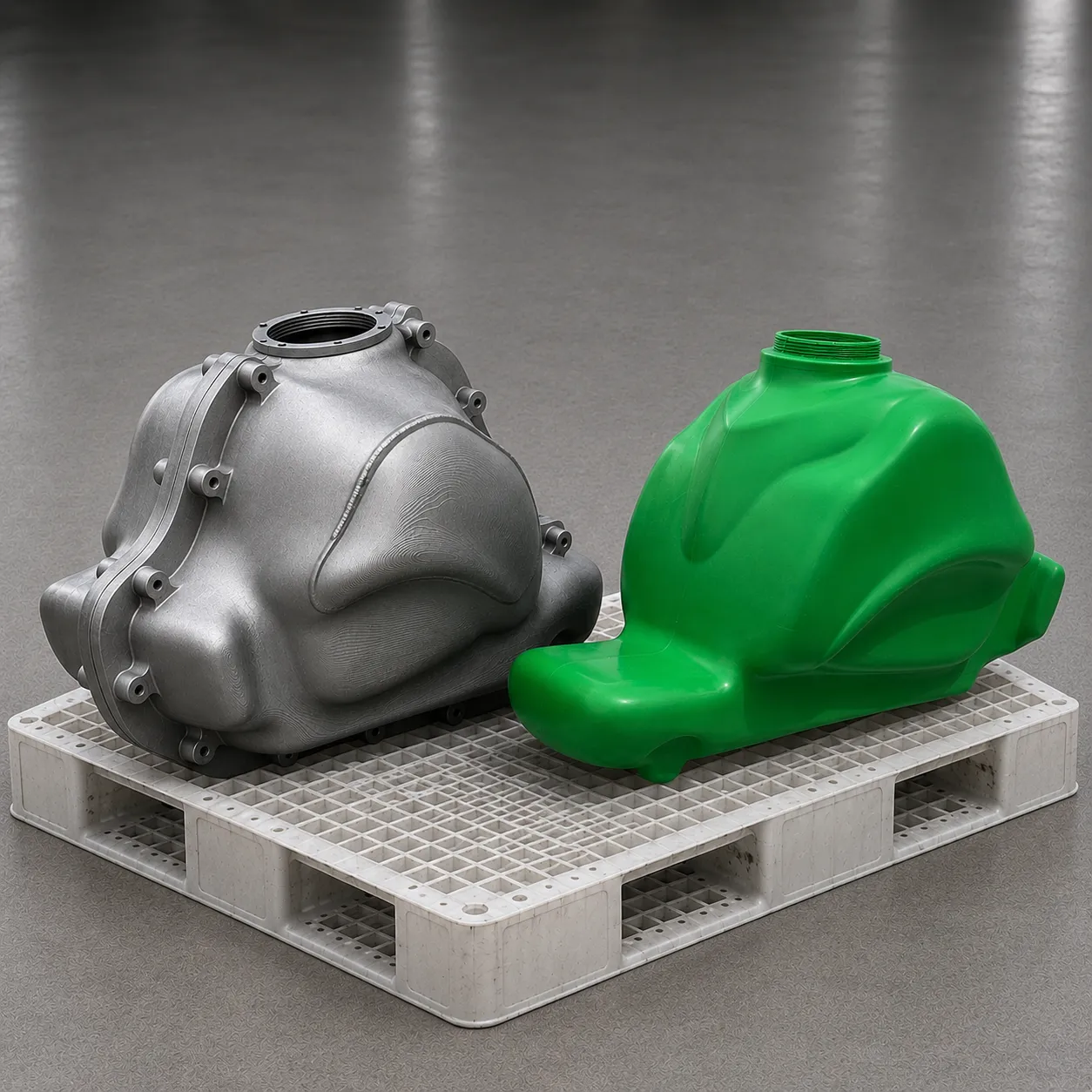
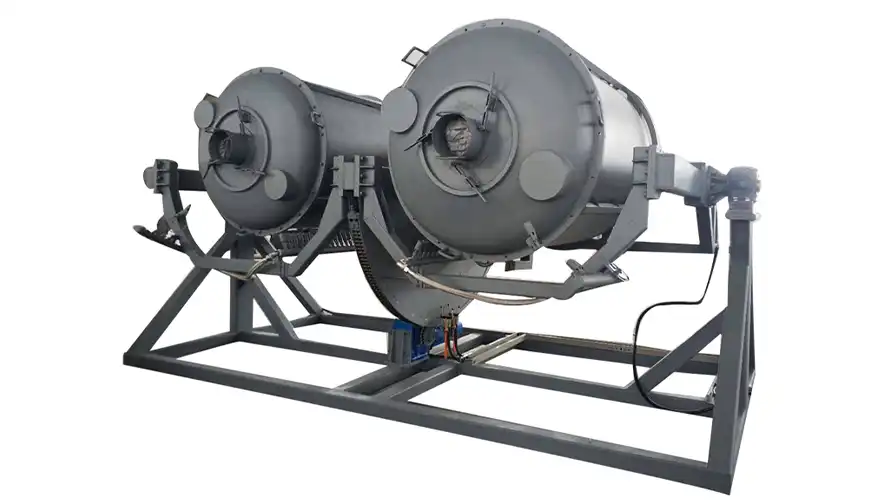
Rotational molding, commonly known as rotomolding, is a manufacturing process used to create hollow plastic products. This technique is widely employed across various industries, including automotive, packaging, consumer goods, and construction. The process offers several advantages, such as cost-effectiveness, design flexibility, and enhanced durability of the final product. The increasing demand for lightweight and durable plastic products has significantly contributed to the expansion of the rotomolding market.
Market Value and Growth Forecast
The global rotomolding industry was valued at US$ 5.0 billion in 2022 and is projected to grow at a CAGR of 5.9% from 2023 to 2031, reaching approximately US$ 5.9 billion by the end of 2031. This growth is driven by increasing demand for durable, lightweight, and cost-effective plastic products across industries such as automotive, construction, and packaging. Technological advancements in rotomolding processes and rising applications in sustainable manufacturing are further fueling market expansion.
Main Applications of Rotomolding
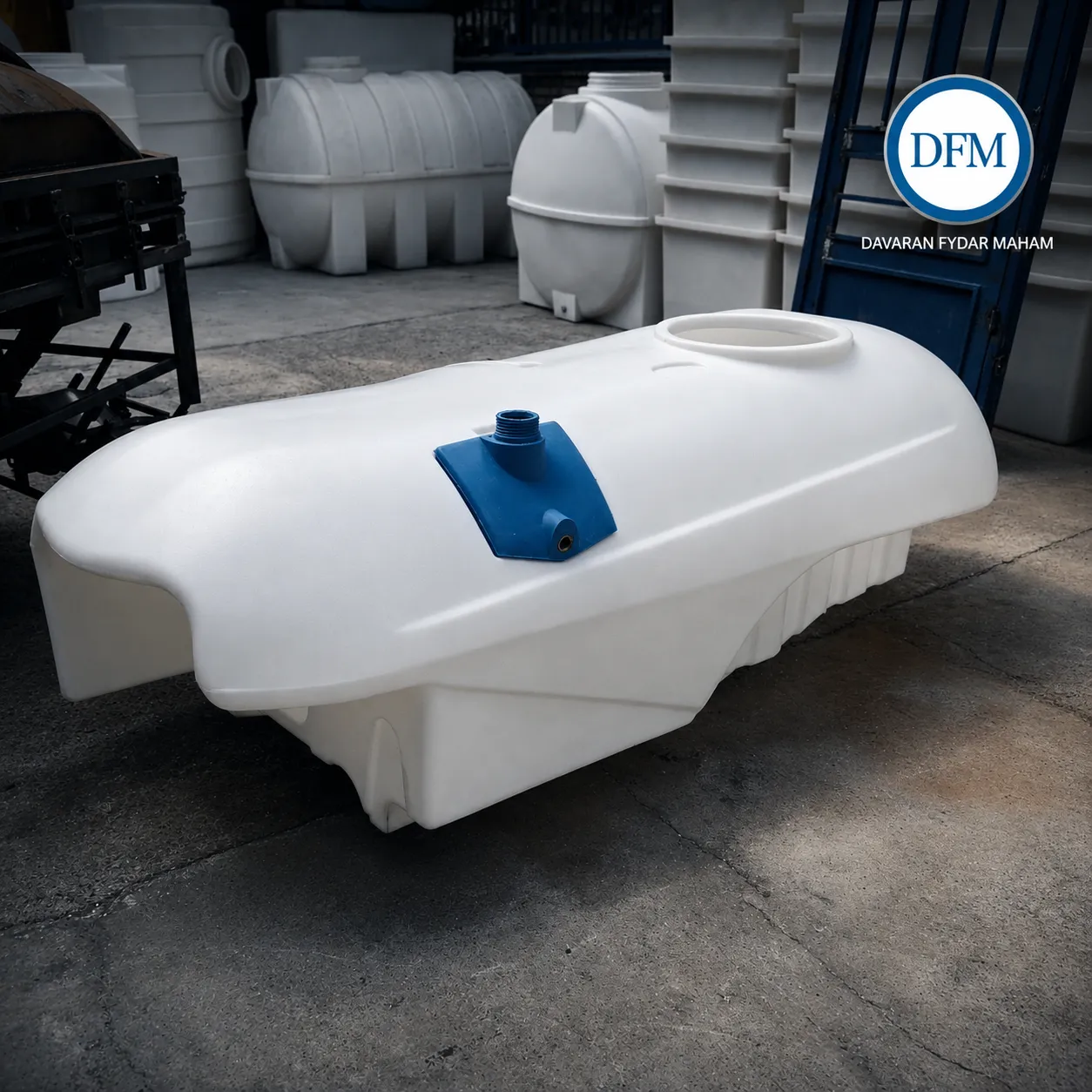
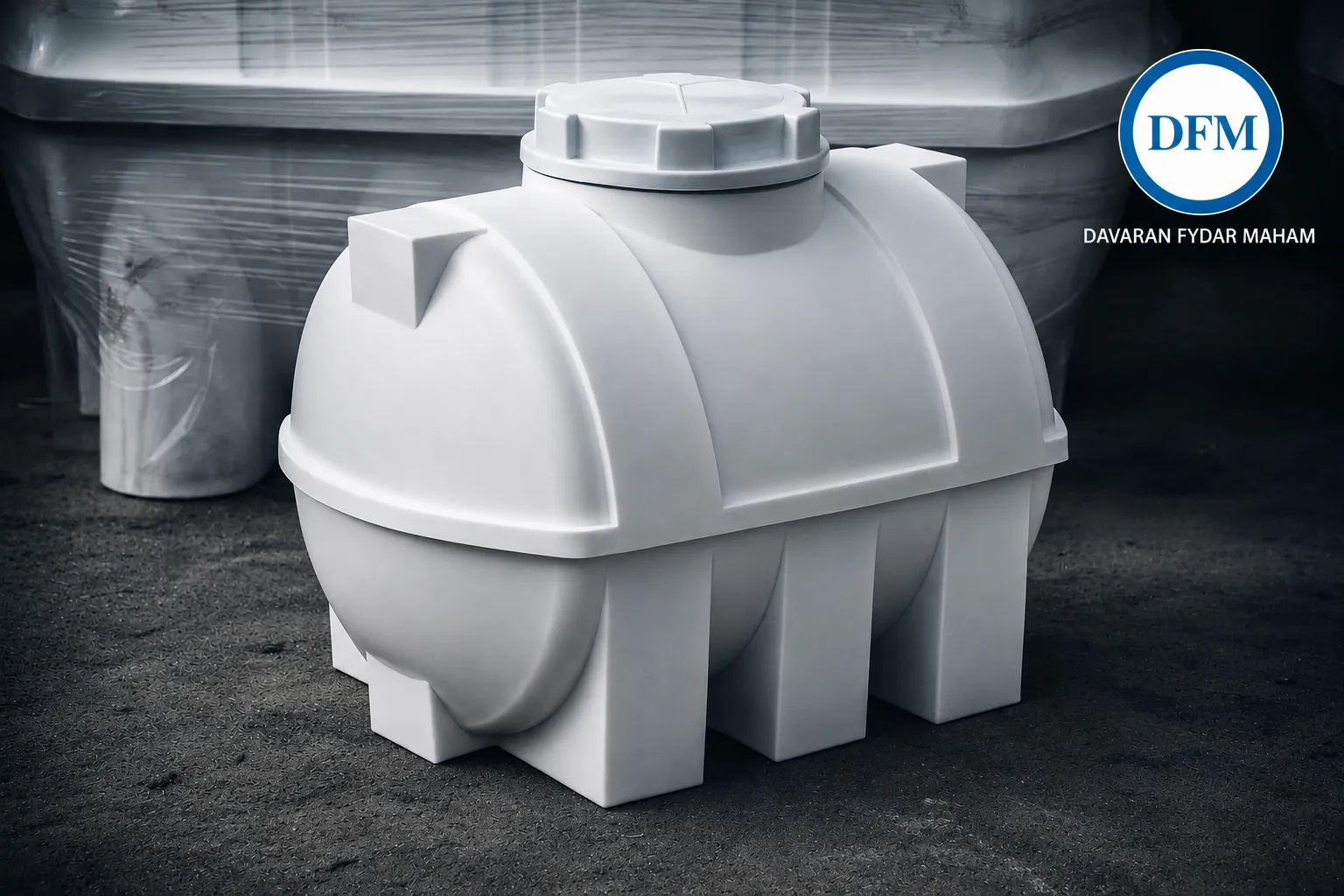
Rotomolded plastic is primarily used in the manufacture of electric vehicles. Governments and construction companies are promoting the usage of rotomolding plastics for the manufacture of rotomolded furniture, outdoor playground equipment, industrial hoppers, and tanks & containers. Vendors in the global rotomolding industry are investing significantly in R&D of new products to broaden their revenue streams.
Market Segmentation
- Material:
- Polyethylene (PE)
- Cross-linked Polyethylene (XLPE)
- Low-density Polyethylene (LDPE)
- Linear Low-density Polyethylene (LLDPE)
- High-density Polyethylene (HDPE)
- Others (Polycarbonate, Nylon, PVC, Polypropylene, etc.)
- Form:
- Compound
- Resin
- End-use:
- Building & Construction (Water Tanks, Pipes, etc.)
- Automotive & Transportation (Automotive Parts, Transportation)
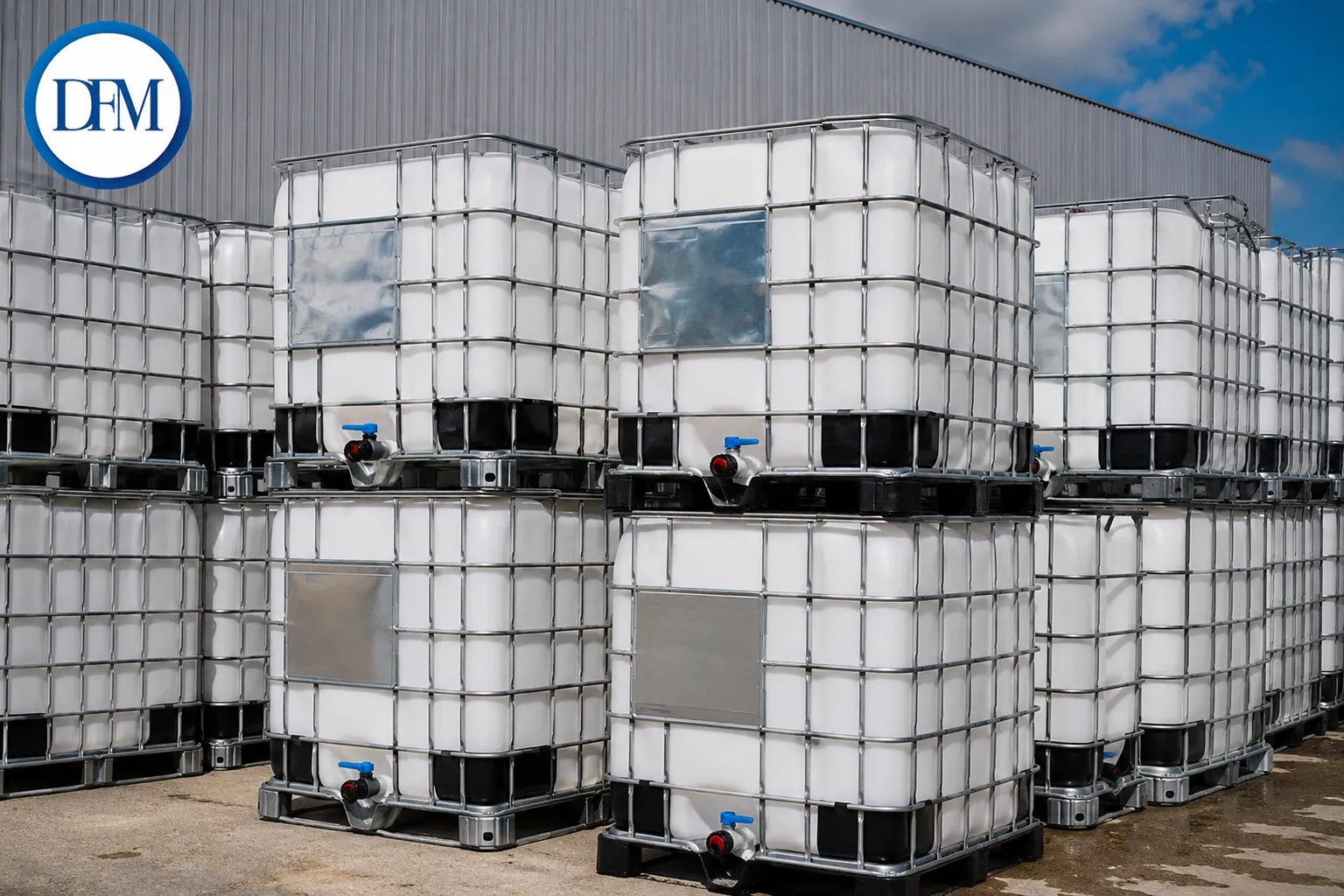
- Packaging (Ice Boxes, Containers, Chemical Tanks)
- Agriculture
- Sports & Leisure (Toys & Playgrounds)
- Region:
- North America
- Europe
- Asia-Pacific
- Latin America
- Middle East & Africa
Regional Analysis
North America remains a dominant player in the rotomolding market due to its robust manufacturing sector and high demand for durable plastic products. The Asia-Pacific region is expected to witness the highest growth, driven by increasing industrialization, expanding construction activities, and rising automotive production in countries like China and India. Europe is focusing on sustainability and stringent regulations for plastic use, influencing market trends. Meanwhile, Latin America and the Middle East & Africa present growth opportunities, supported by emerging industries and infrastructural development.
Market Drivers and Challenges
- Market Drivers:
- Rising demand for lightweight and cost-effective plastic products
- Growth in the automotive, construction, and packaging sectors
- Increasing investment in eco-friendly and recyclable plastics
- Advancements in rotomolding technology
- Market Challenges:
- Fluctuations in raw material prices
- Environmental concerns regarding plastic waste
- High initial investment costs for machinery and molds
Market Trends
- Adoption of biodegradable and recycled materials in rotomolding
- Integration of automation and Industry 4.0 in manufacturing processes
- Expansion of application areas, including medical and aerospace industries
- Growing preference for customized rotomolded products
Future Outlook
The rotomolding market is poised for significant growth, driven by increasing demand across multiple industries. Sustainable practices and technological advancements are expected to reshape the market landscape. Companies investing in research and development to improve product quality, reduce environmental impact, and enhance efficiency will likely gain a competitive edge.
Key Market Study Points
- Market size analysis and projected growth from 2023 to 2031
- Regional trends and market dynamics
- Key drivers and challenges influencing the industry
- Competitive landscape and recent developments
- Emerging trends and future growth opportunities
Competitive Landscape
The rotomolding market is highly competitive, with key players focusing on innovation, product diversification, and strategic partnerships. Major market participants include:
- Rotoplas S.A.
- Myers Industries Inc.
- Grupo Rotoplas
- Ningbo Pengxu Rotational Moulding Co. Ltd.
- The Dutch Group
- Others
Recent Developments
- Introduction of eco-friendly rotomolded products using recycled materials
- Expansion of manufacturing facilities to cater to growing regional demand
- Partnerships and collaborations to enhance product innovation and reach new markets
- Adoption of advanced automation techniques to improve production efficiency
This article aims to provide comprehensive and practical information about the rotomolding market and can help decision-makers in various industries to become aware of market trends and adopt appropriate strategies for the growth and development of their business.