
Why Is the Rotational Molding Market Growing Rapidly?
The global rotational molding compounds market is experiencing steady growth due to increasing demand in various industries such as automotive, packaging, construction, and consumer goods. The key materials in this market include polyethylene, polypropylene, and PVC, known for their high durability, chemical resistance, and flexible design applications.
This report analyzes the main trends, challenges, technological innovations, and future market outlook.
Market Growth Forecast Until 2031
According to Persistence Market Research, the global sales of rotational molding compounds are expected to reach $3.67 billion by the end of 2024 and surpass $5.94 billion by 2031, growing at a CAGR of 7.1% between 2024 and 2031.
Key Growth Drivers of the Rotational Molding Market:
- Increased use of lightweight and durable materials in the automotive industry
- High demand in the packaging sector for recyclable containers and storage tanks
- Technological advancements in UVresistant and more recyclable compounds
- Infrastructure and industrial investments in emerging markets
Main Market Growth Factors
1. Automotive Industry Advancements and the Need for Lightweight, Durable Materials
Automakers are striving to reduce fuel consumption and enhance vehicle performance by using lighter and stronger materials. Rotational molding compounds offer high strength, lightweight properties, and seamless manufacturing, making them an ideal alternative to metals and traditional plastics.
2. Packaging Industry Transformation and the Use of Sustainable Materials
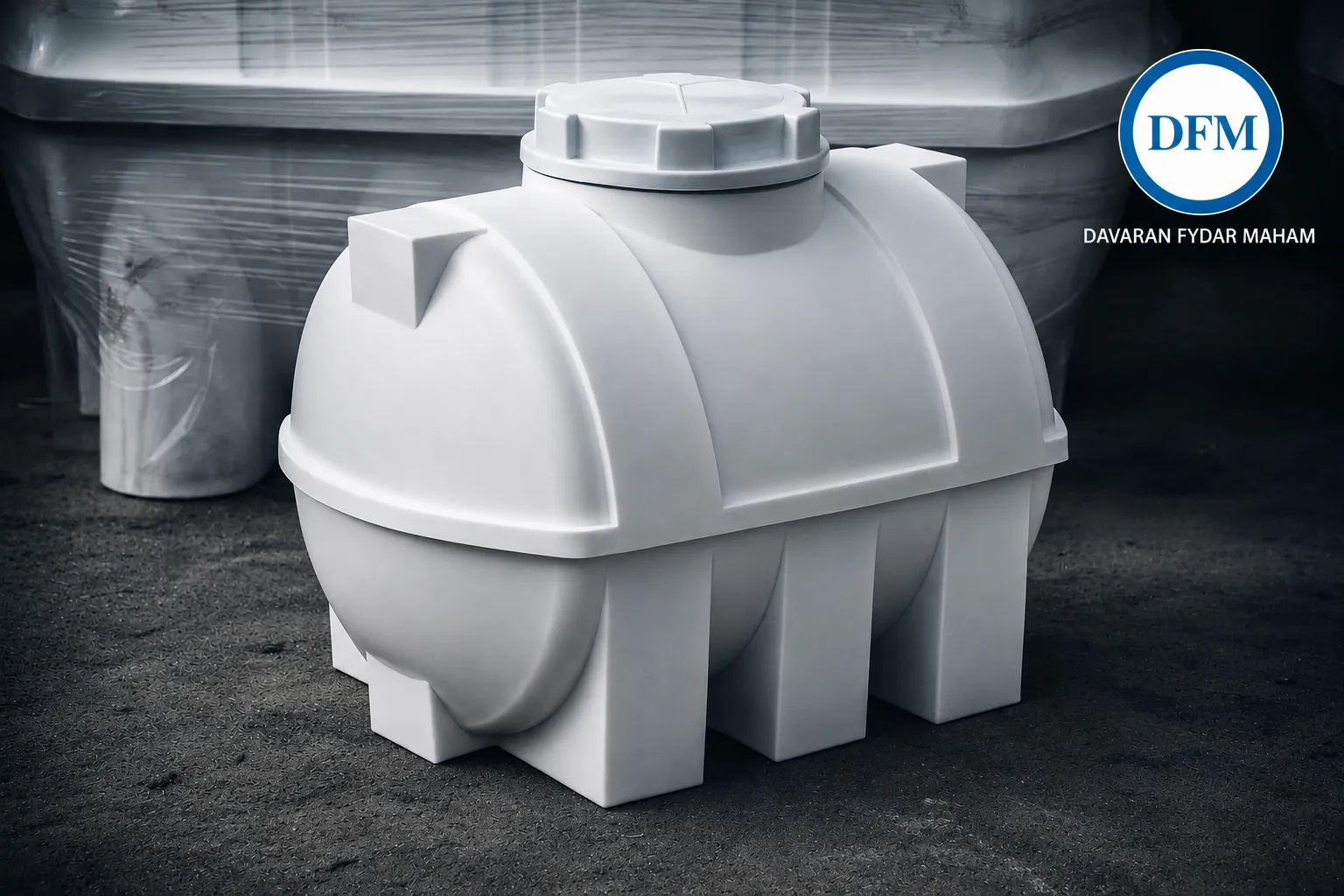
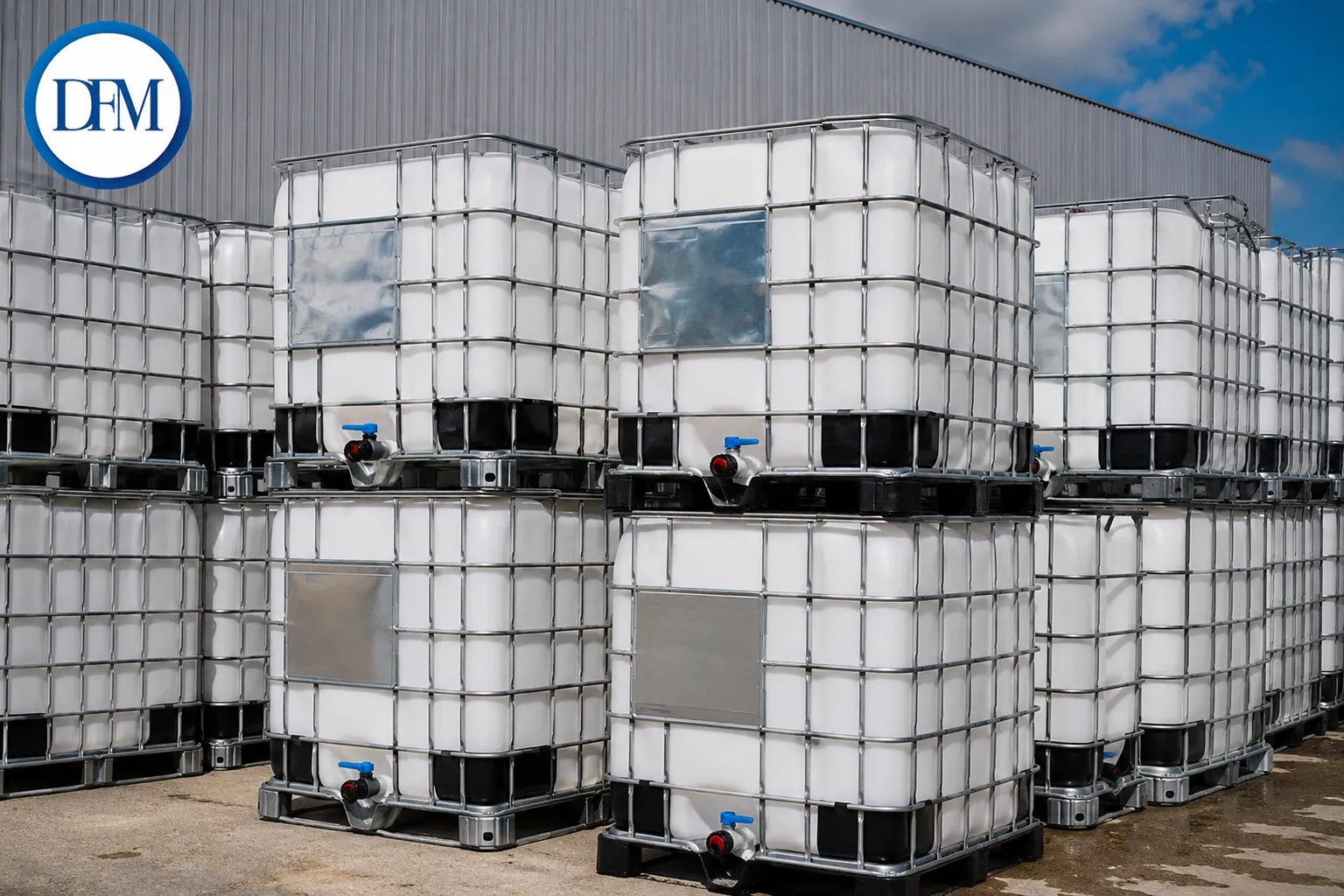
The packaging industry seeks durable, recyclable, and flexible materials for manufacturing storage tanks, industrial transport containers, and integrated products. Rotational molding compounds are highly impactresistant and weatherresistant, making them an ideal choice for this sector.
3. Expansion of Construction and Infrastructure Projects
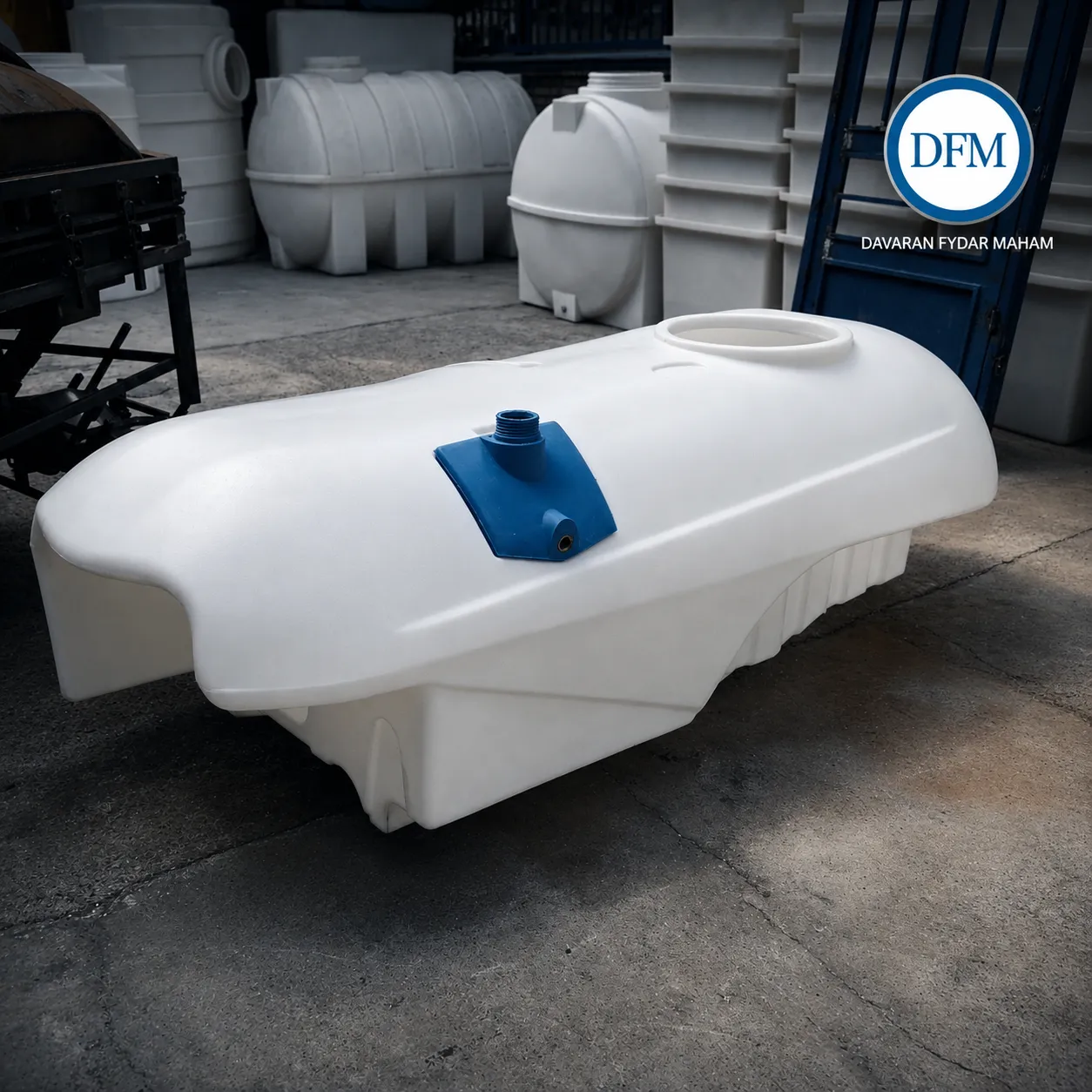
With the growth of urban development projects, the demand for rotationally molded products such as water storage tanks, road barriers, and corrosionresistant pipes has increased. Emerging economies like China and India are among the largest consumers of these products.
Challenges Facing the Rotational Molding Market
1. Fluctuations in Raw Material Prices
Raw materials such as polyethylene and polypropylene are dependent on oil prices, leading to price volatility, which can impact profit margins for manufacturers.
2. Competition with Other Molding Technologies
Technologies such as injection molding and blow molding offer lower production costs for mass production, making them competitors to rotational molding.
3. Environmental Challenges and Strict Regulations
With growing environmental concerns, stringent regulations are being enforced to reduce plastic waste and develop biodegradable materials, affecting the market’s growth.
Innovative Trends in the Rotational Molding Industry
1. BioBased and Recyclable Compounds
Manufacturers are shifting towards biobased and recyclable materials to align with environmental regulations.
2. Development of UVResistant and FireResistant Compounds
Advancements in UVresistant and fireresistant materials have made these compounds more suitable for outdoor and industrial applications.
3. Customized Manufacturing and Digital Technology Integration
The demand for customized products with specific properties, such as antibacterial coatings, diverse colors, and unique textures, has driven the development of digital manufacturing and automation in this industry.
Rotational Molding Compounds Market Segmentation
By Material Type
- Polyethylene (LLDPE, HDPE, MDPE)
- Polypropylene
- PVC
- Nylon
- Other Compounds (Polycarbonate, ABS, etc.)
By Application
- Automotive
- Packaging
- Construction
- Industrial Tanks
- Consumer Goods
By EndUse Industry
- Automotive & Transportation
- Construction
- Agriculture
- Marine Industry
- Medical Equipment
By Geographic Region
- North America: Strong growth in the construction and industrial sectors
- Europe: Focus on sustainable materials and strict environmental regulations
- AsiaPacific: Fastestgrowing market due to extensive industrialization
- Latin America & Middle East: Increased investment in industrial and transportation sectors
Future Outlook for the Global Rotational Molding Market
The future of the rotational molding market is bright and full of opportunities. The rising demand for lightweight, durable, and recyclable materials is pushing manufacturers toward innovation and investment in new technologies.
With rapid growth in emerging markets, advancements in ecofriendly materials, and the integration of artificial intelligence in manufacturing processes, this industry is expected to undergo significant transformation in the coming years.
The rotational molding compounds market is expanding significantly, with widespread applications across multiple industries. The increasing demand for sustainable materials, technological advancements, and broad industry applications makes this sector one of the most attractive markets in plastic manufacturing.
With a 7.1% annual growth rate until 2031, manufacturers and investors have vast opportunities to explore in this sector.