Introduction
Rotational Molding (Rotomolding) is a widely used manufacturing process in the plastics industry for producing hollow, seamless, and one-piece parts. Due to its relatively simple equipment requirements, design flexibility, ability to create stress-free molded products, and cost efficiency, this process is extensively applied in industries such as toys, automotive components, packaging, decorative products, and sports equipment.
One of the key considerations in rotomolding is mold material selection. Alongside steel and iron molds, aluminum molds are commonly used in specific applications where flexibility, surface detail, and lower tooling costs are priorities.
In this article, we provide a comprehensive technical overview of aluminum molds in rotational molding, examining their structure, advantages, limitations, and practical applications—including plastic balls, decorative components, lightweight industrial models, and doll heads.
What Is an Aluminum Mold in Rotational Molding?
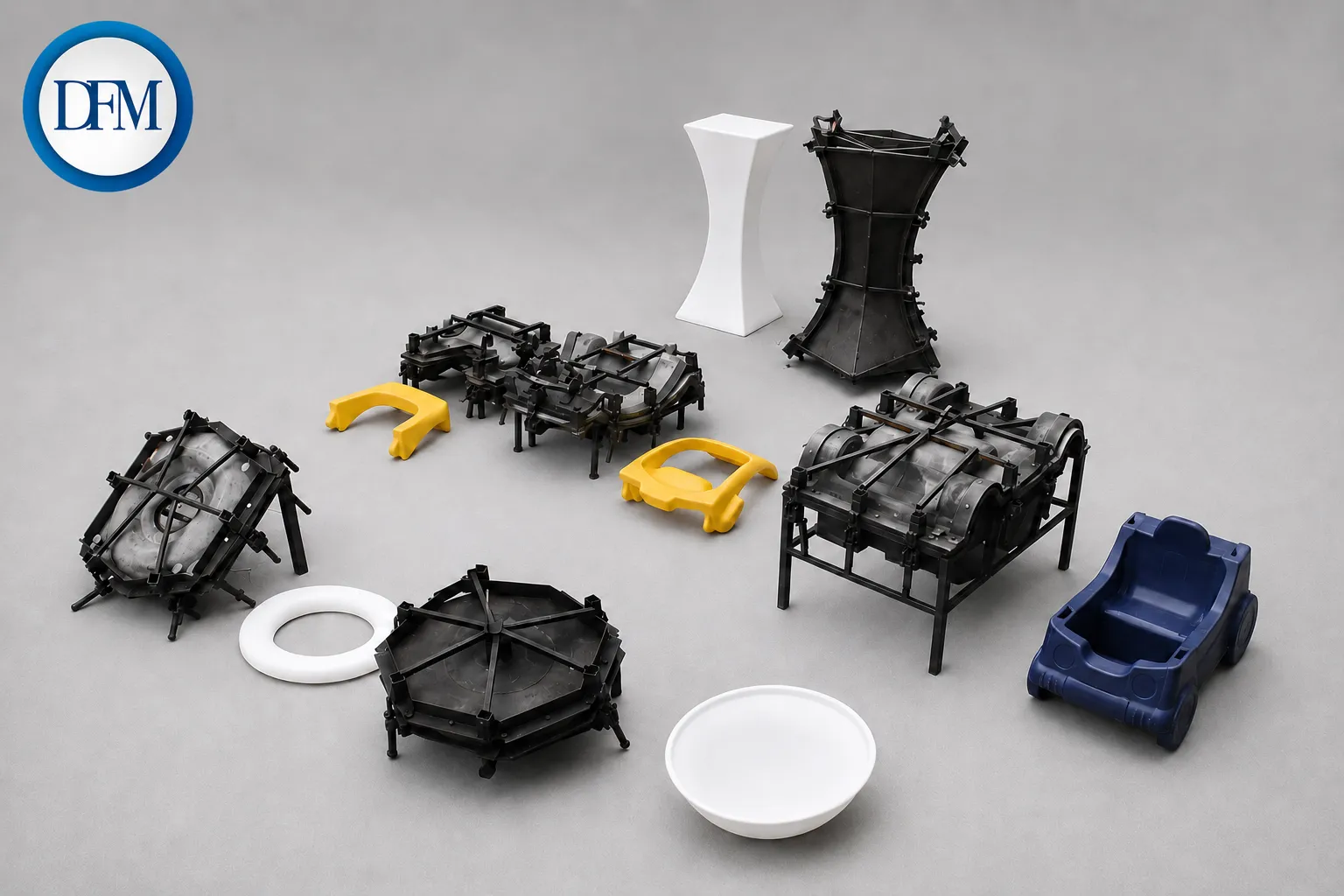
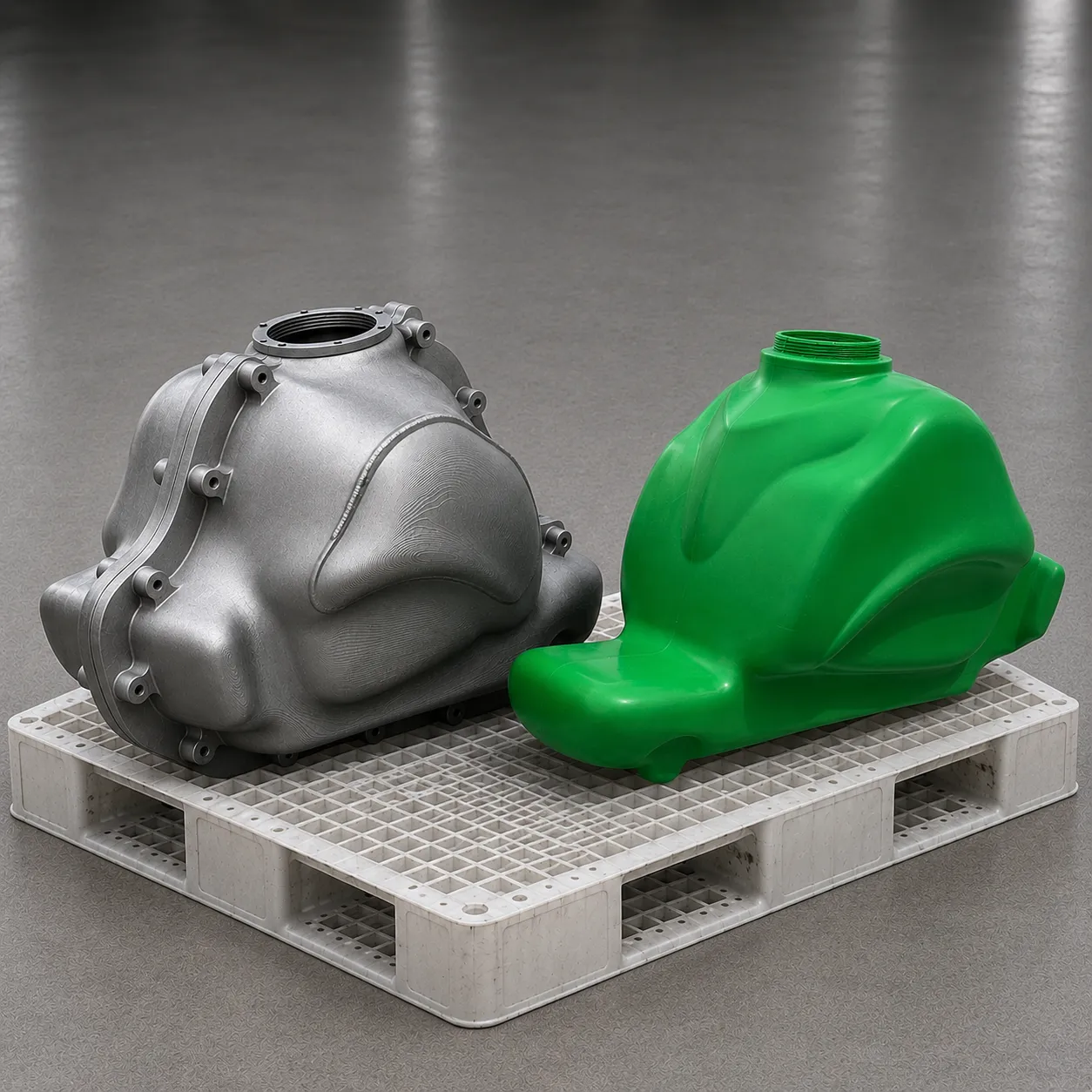
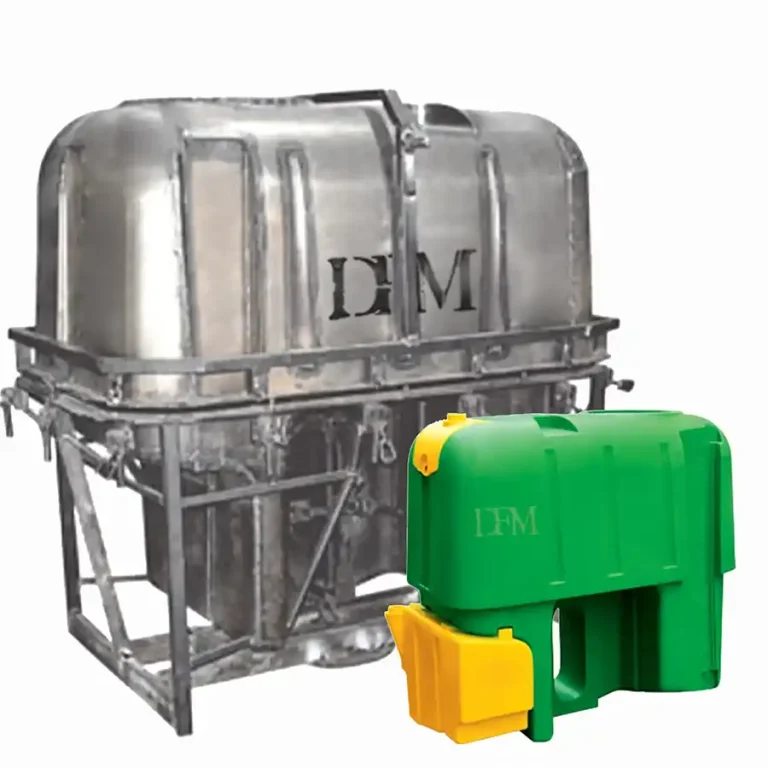
An aluminum mold is a type of tooling used in the rotomolding process for manufacturing hollow plastic parts. Due to aluminum’s excellent machinability and formability, these molds are particularly suitable for products requiring fine surface details, such as embossed textures on toys, decorative surface patterns, logos, and complex contour lines.
Unlike steel molds, which offer higher durability and longer service life for high-volume production, aluminum molds are generally preferred for low-volume production runs, pilot batches, and prototype development.
Rotational Molding Process Using Aluminum Molds
-
Mold Design and Preparation
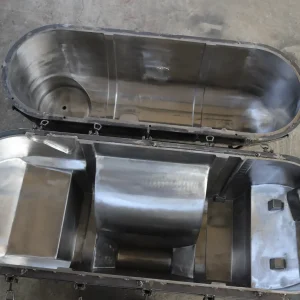
- Aluminum molds are typically manufactured in two or more sections to allow easy demolding.
- The internal cavity surface must be polished or coated with a suitable release agent to ensure smooth part removal.
- The mold cavity can incorporate fine surface textures, engraved logos, and intricate design features.
-
Polymer Charging
- Raw materials are introduced into the mold cavity, typically in the form of polyethylene (PE) powder or plasticized PVC powder.
- Additives may also be incorporated at this stage, including:
- Color masterbatch or pigments (for through-color molding without post-painting)
- UV stabilizers (to enhance outdoor durability)
- Thermal stabilizers
-
Heating and Biaxial Rotation
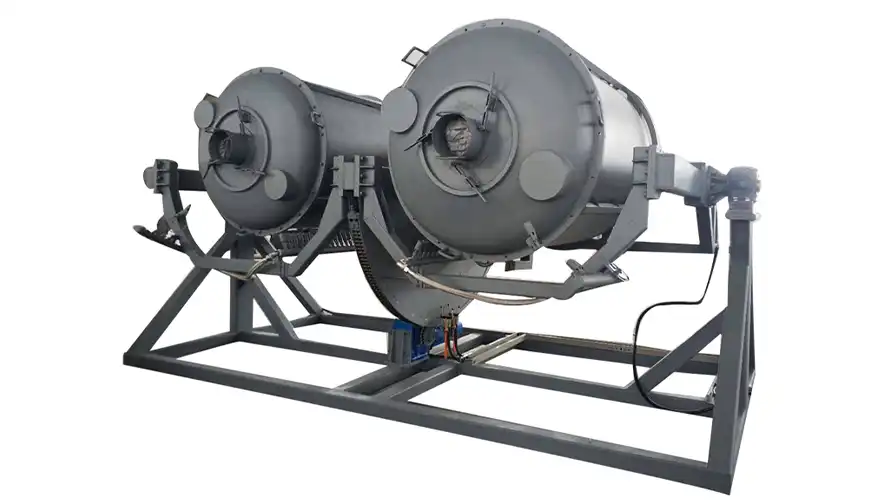
- The mold is transferred into an oven and simultaneously rotated around two perpendicular axes (major and minor axes).
- As the temperature increases, the polymer powder melts and gradually coats the internal cavity walls.
- Continuous rotation ensures uniform material distribution, resulting in consistent wall thickness.
-
Cooling and Solidification
- The mold is gradually cooled to prevent warpage, internal stresses, or cracking.
- Cooling may be achieved using forced air systems or water mist cooling, depending on process requirements.
-
Demolding and Finishing
- Once sufficiently cooled, the mold sections are opened and the molded part is removed.
- Secondary finishing operations may be required, such as trimming excess flash, drilling, or surface refinement.
Advantages and Disadvantages of Aluminum Molds in Rotomolding
| Feature | Advantages | Limitations |
| Cost | Lower tooling cost compared to steel molds | Reduced durability in high-volume production |
| Weight | Lightweight and easy to handle | Lower resistance to mechanical stress and extreme temperatures |
| Design Flexibility | Excellent for fine details, textures, and facial contours | Limited suitability for very large-scale molds |
| Application | Ideal for prototypes and short production runs | Not optimal for heavy-duty industrial mass production |
Applications of Aluminum Molds in Hollow Product Manufacturing
-
Toys
One of the primary applications of aluminum molds is in the production of lightweight plastic toys, such as:
- Plastic balls
- Small decorative toy components
- Doll heads requiring fine facial details
The ability of aluminum molds to capture intricate surface features makes them particularly suitable for these applications.
-
Decorative and Promotional Products
- Lightweight decorative models for interior or event decoration
- Display components for exhibitions and mockups
- Custom promotional items
-
Sports Products
- Lightweight training balls
- Protective equipment components such as children’s helmets
-
Industrial Modeling and Prototyping
- Functional prototypes for design validation
- Pre-production samples for aesthetic and performance evaluation
- Concept models prior to investment in permanent steel tooling
Why the Use of Aluminum Tooling Is Important
- Reduced Prototype Development Costs: Manufacturers can test product design and functionality before investing in expensive steel molds.
- High Design Adaptability: Fine textures and intricate surface details can be implemented more easily.
- Shorter Lead Time: Aluminum molds generally require less manufacturing time compared to heavy steel tooling, making them ideal for time-sensitive projects.
Conclusion
Aluminum molds in rotational molding offer a cost-effective and flexible solution for producing lightweight, hollow plastic components with fine surface details. Although they present limitations in durability and thermal resistance compared to steel molds, they play a critical role in prototype production, toy manufacturing, decorative components, and lightweight sports products.
Applications such as plastic balls, promotional display items, and detailed doll heads demonstrate that aluminum molds continue to maintain a significant position within the rotational molding industry.