
Introduction
In today’s fast-paced industrial world, production alone is not enough—it must be optimized, fast, and economical. Designing and constructing a production line is one of the most vital elements for achieving this goal. Without proper production line design, wasted time, inefficient space, and unnecessary resource consumption can quickly drive a business out of competition. This article explores the principles of efficient production line design, helping you boost productivity and reduce costs by applying engineering standards and best practices.
Why Is Production Line Design Important?
A smartly designed production line can:
- Minimize production time
- Reduce machinery breakdowns and maintenance costs
- Control energy consumption
- Optimize factory floor space
- Improve final product quality
These benefits are only achievable through careful analysis of material flow, machine placement, and work processes.
Basic Principles of Factory Production Line Design
-
Needs and Capacity Analysis
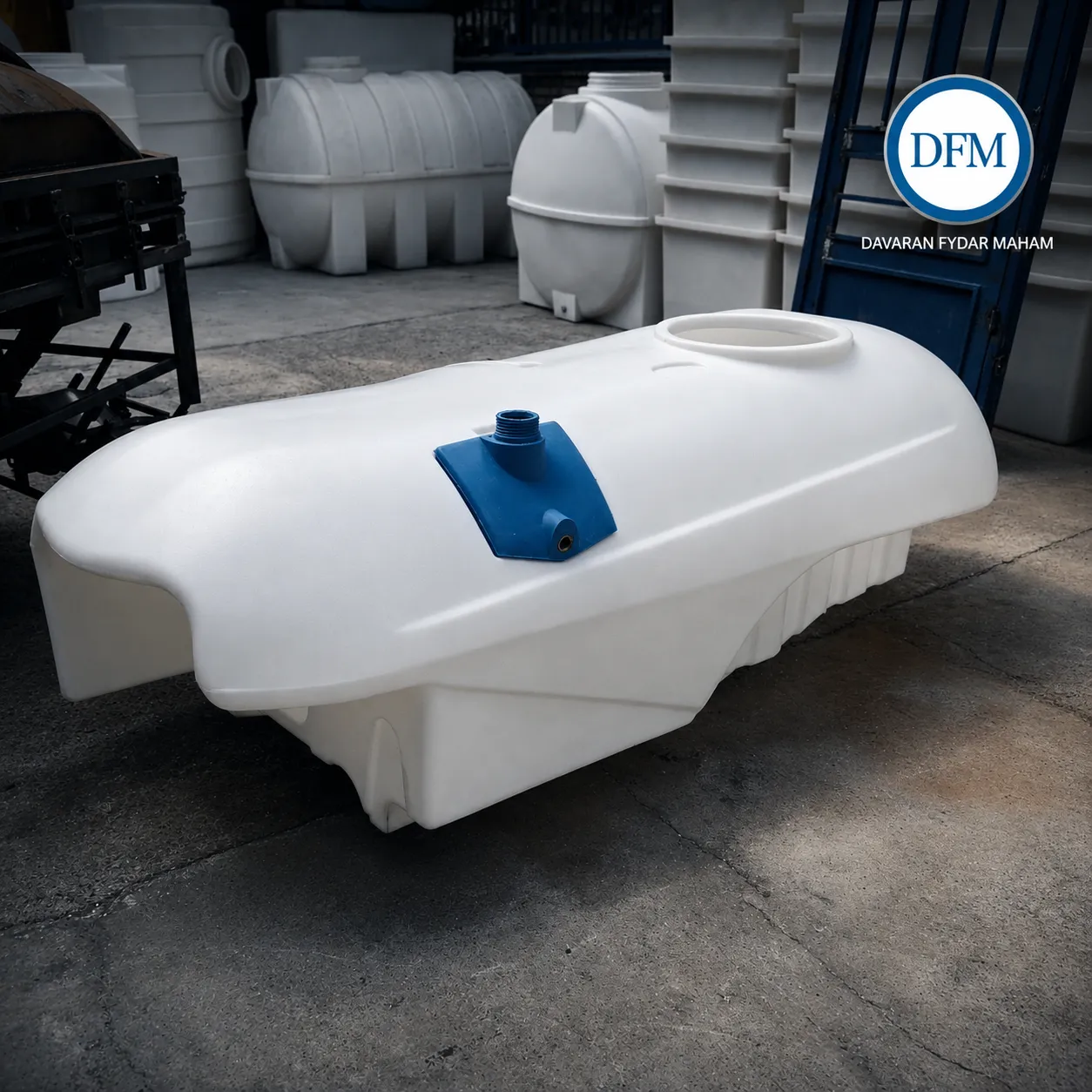
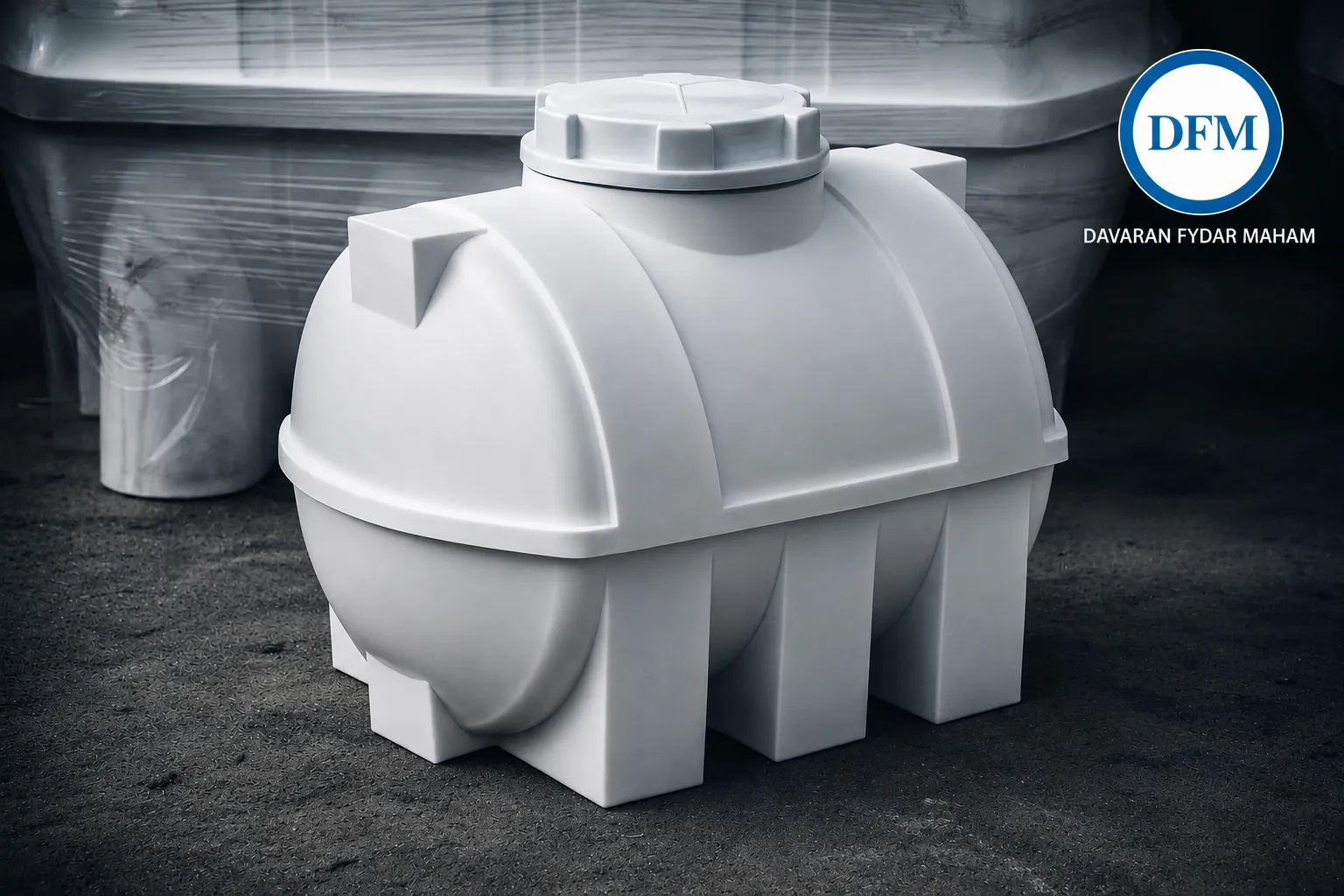
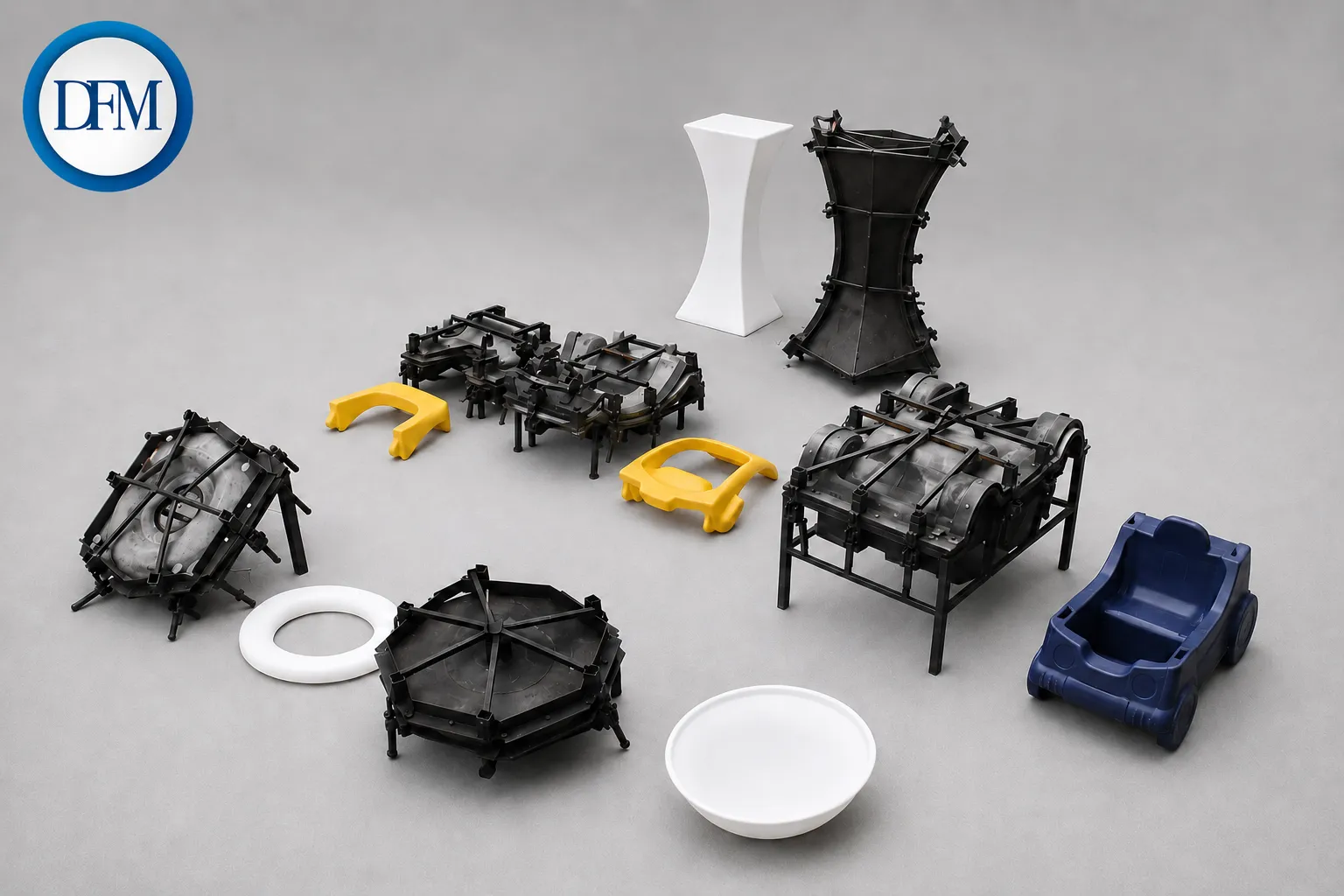
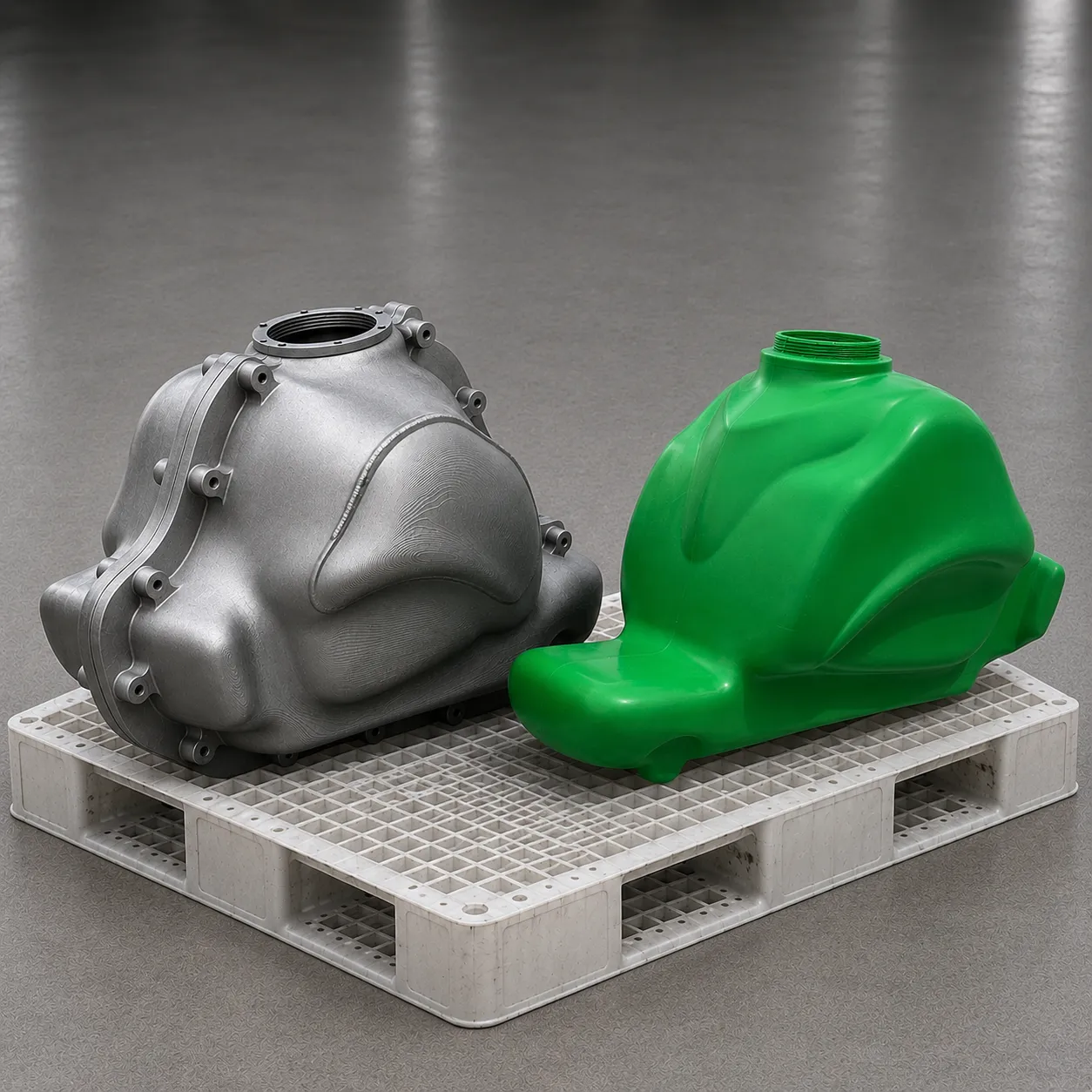
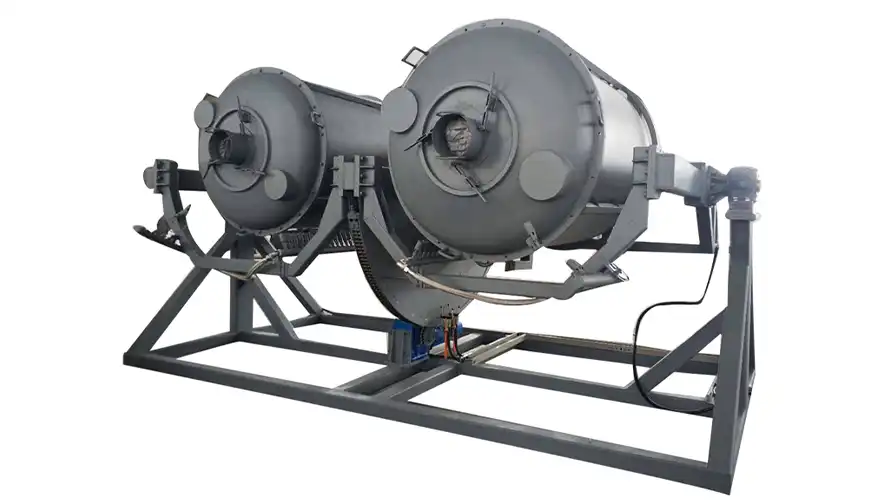
Before doing anything, you need to define what product you’re making, at what capacity, and on what timeline. For instance, polyethylene tank production lines or industrial equipment require more space for molding and material storage.
-
Logical Equipment Layout
Linear or U-shaped layout? Depending on the product type, production volume, and assembly methods, the equipment layout will vary. The goal is to minimize the distance and interruptions from raw material input to final product output.
-
Material Flow Optimization
A common mistake in production line setup is intersecting material flow paths with personnel or equipment traffic. Material flow analysis (MFA) should be used to design paths that minimize collisions and time waste.
-
Eliminating Waste (Lean Manufacturing)
Efficient production line design must incorporate lean manufacturing principles. These principles aim to eliminate all forms of waste in the process, including:
- Unnecessary movements
- Idle time in production lines
- Overproduction
- Redundant transportation
The Role of Automation in Line Design
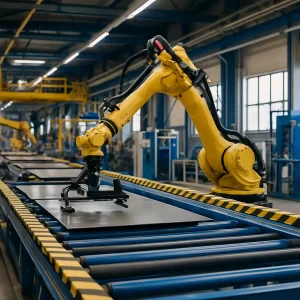
Integrating automation and control systems in production lines reduces human error and enhances speed and accuracy. In advanced setups, equipment is synchronized using sensors and PLCs (Programmable Logic Controllers) to automatically manage tool changes or emergency stops.
Example:
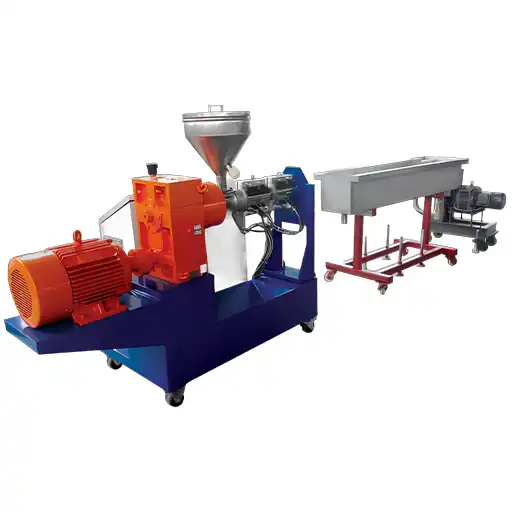
In the plastic recycling line at davaran fydar maham, automation is used in the sorting and washing sections, significantly improving efficiency.
Optimal Use of Factory Space
A production line isn’t just about machines—space management matters too:
- Use shelving systems to store raw materials
- Separate production areas from assembly or packaging zones
- Create dedicated pathways for workers and materials
You can also read our related article: Factory Location Planning: What to Know Before Starting Production
How Design Impacts Operational Efficiency
The more accurate your production line design, the smoother your operations will be. With proper design, you can:
- Simplify quality control
- Streamline maintenance operations
- Reduce logistical movements
- Improve labor efficiency
Practical Example of Efficient Design
In the design and setup guide by davaran fydar maham, the production line is engineered according to industrial engineering principles while meeting all sanitary and industrial standards. This highlights the pivotal role of professional design in the long-term success of a factory.
Conclusion
A production line is not just a sequence of machines—it’s a scientific, analytical, and practical system that requires engineering insight, process knowledge, and a clear understanding of market demands. By applying lean manufacturing principles, automation, and logical layouts, you can take factory productivity to the next level and stay competitive in today’s market.