Low-Investment Production Line: A Realistic Path to Starting with a 2 Billion Toman Budget
In today’s economic climate, many individuals aim to start a production business but believe it requires massive capital and extensive infrastructure. However, with proper planning and wise choices, a low-investment production line can be established and become profitable within a short time. In this article, we explore what types of products can be produced, what infrastructure is required, how much electricity, gas, water, and space are needed, and how many workers are sufficient for launching a small yet efficient production line on a budget of approximately 2 billion tomans.
Choosing the Right Product for a Limited Budget
The first step is determining the type of product. Given the limited budget, the selected product should:
- Have a stable and wide market demand. Producing items without a clear and sustainable market increases the risk of unsold inventory.
- Use affordable and locally available raw materials. Relying on expensive or imported materials exposes the business to market volatility.
- Require low-cost production equipment. Avoid costly machinery or brands that exceed the available budget.
- Be subject to simple health and environmental regulations to avoid hidden and expensive compliance costs.
Examples of Products Suitable for a 2 Billion Toman Investment
- Lightweight plastic containers such as cups, bottles, and caps are widely used in packaging and food industries.
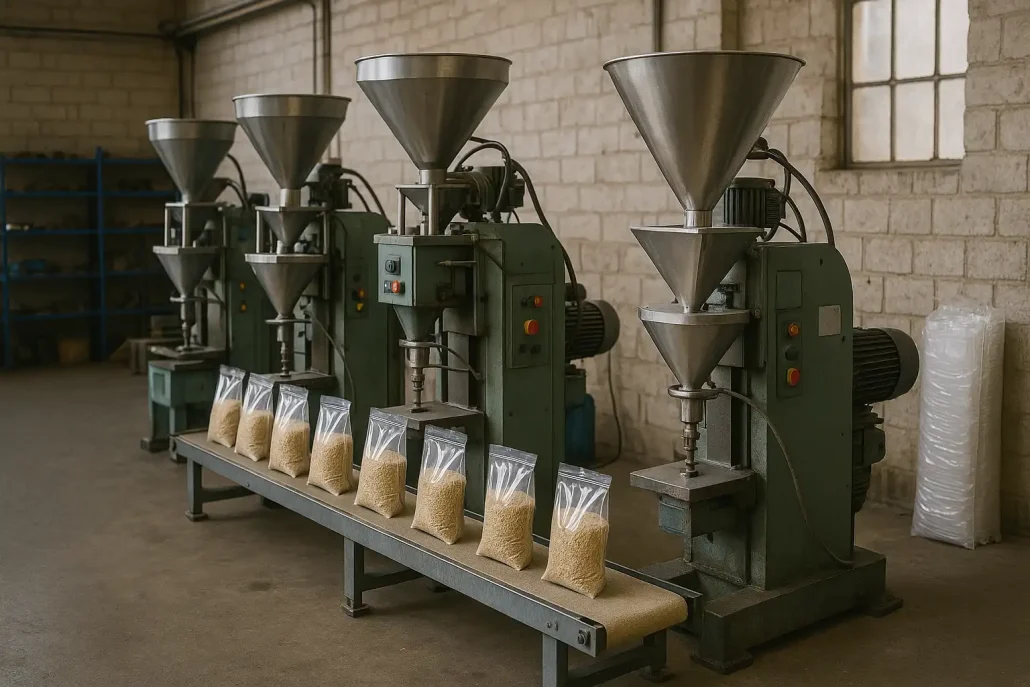
- Packaging of dry food items like beans, rice, spices, and dried fruits is cost-effective with high demand.
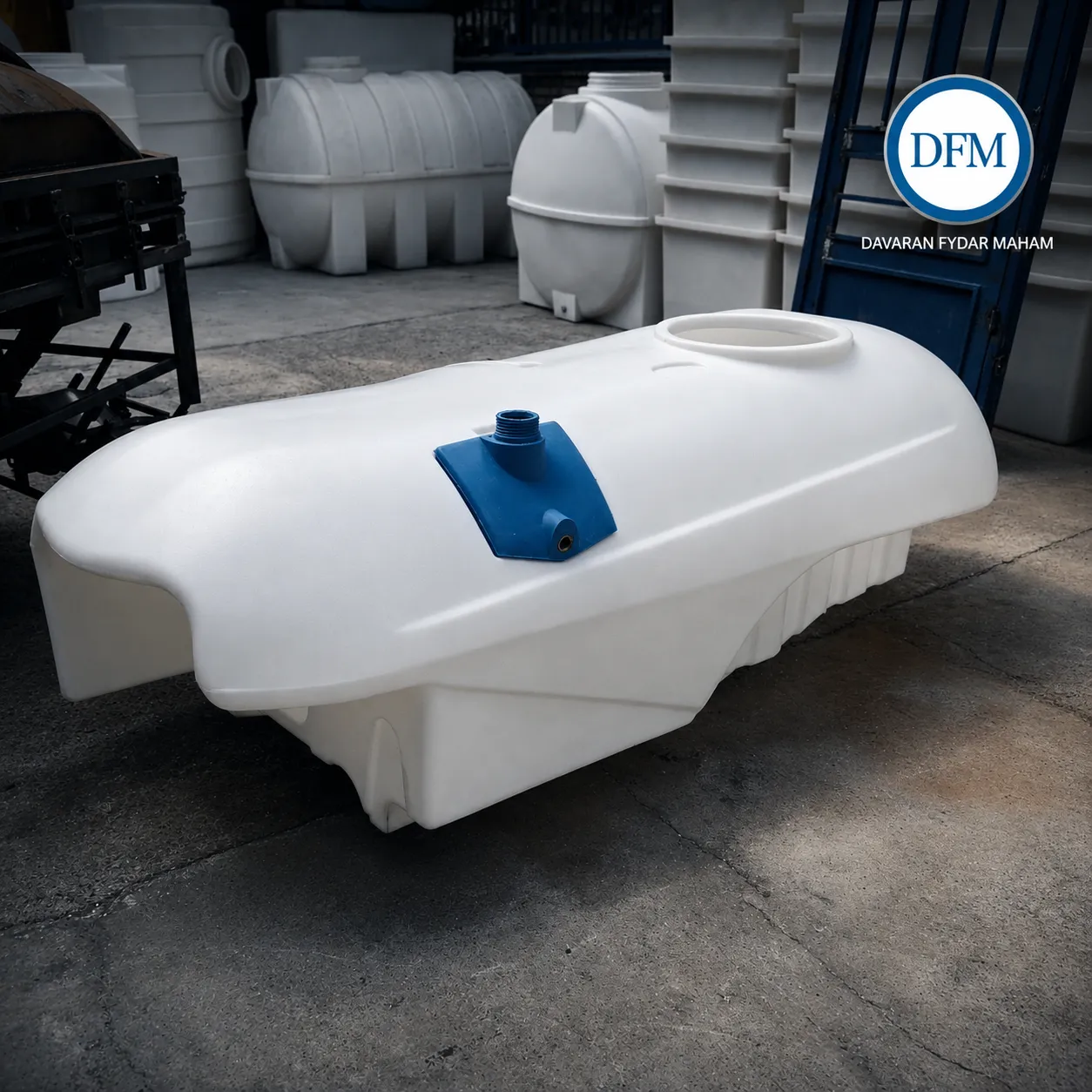
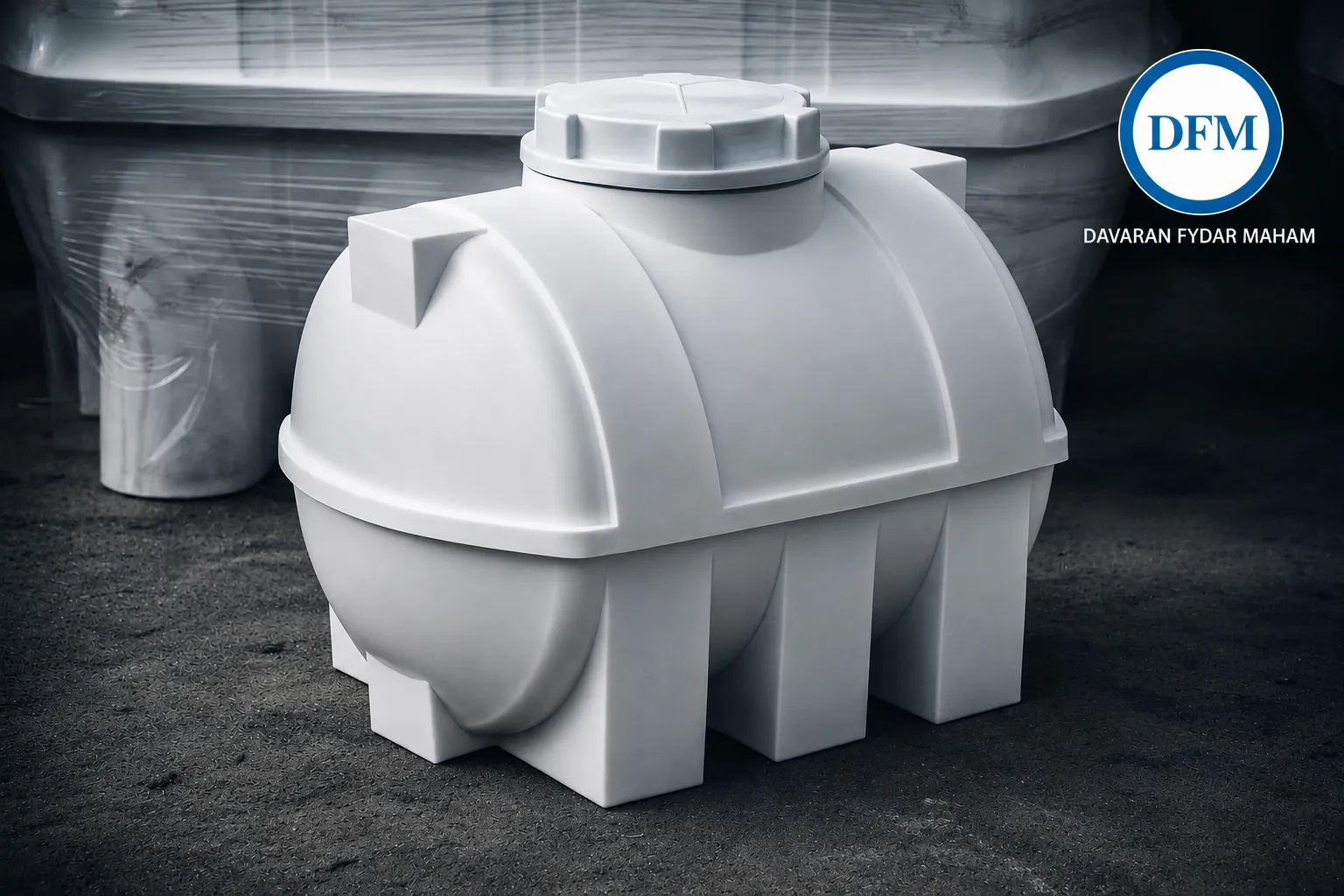
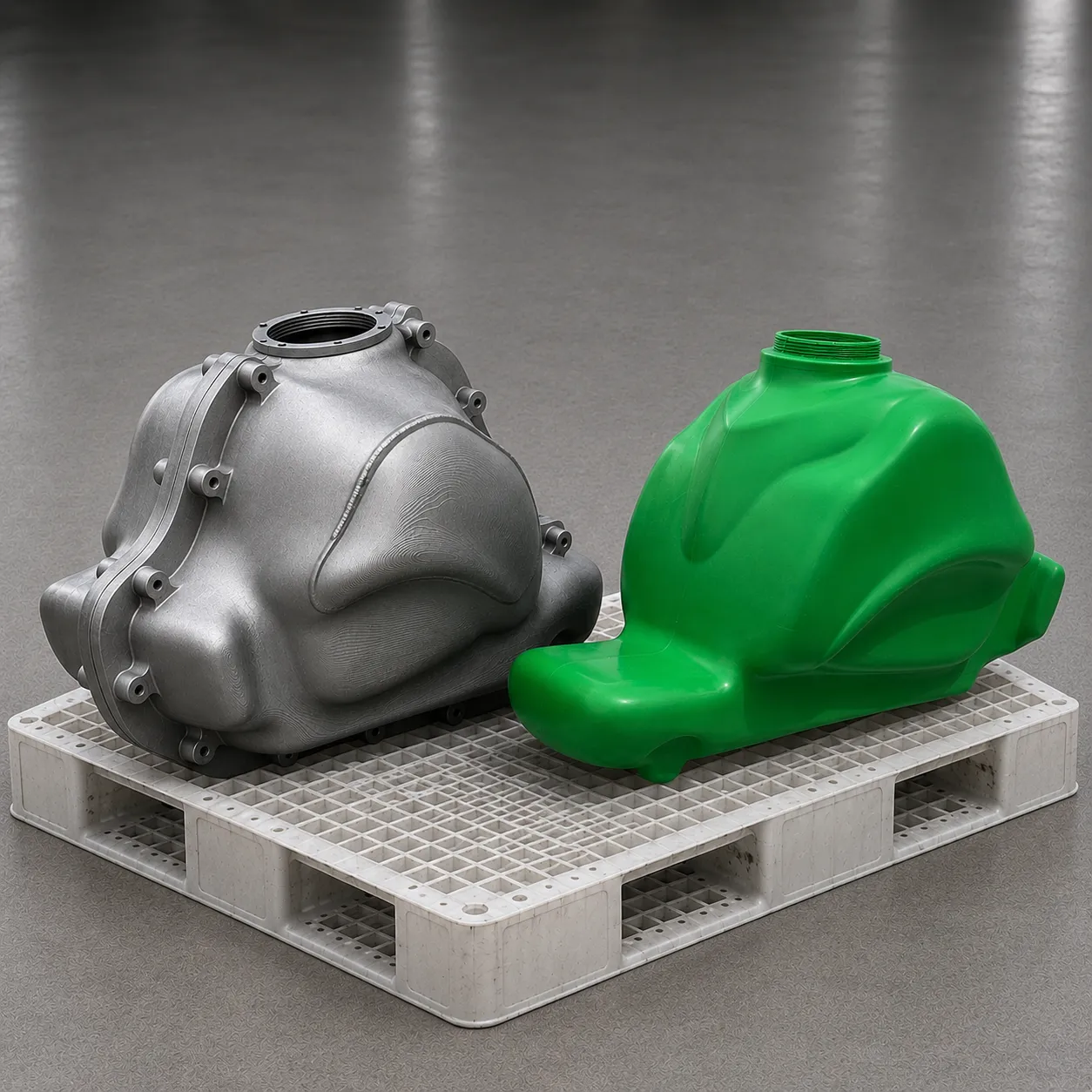
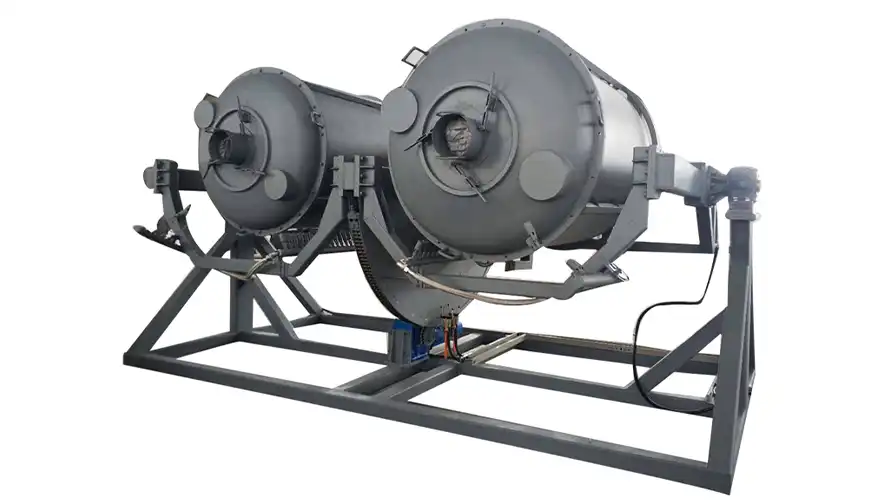
- Polyethylene water tank production using the rotational molding method is a smart and timely idea, considering current water issues.
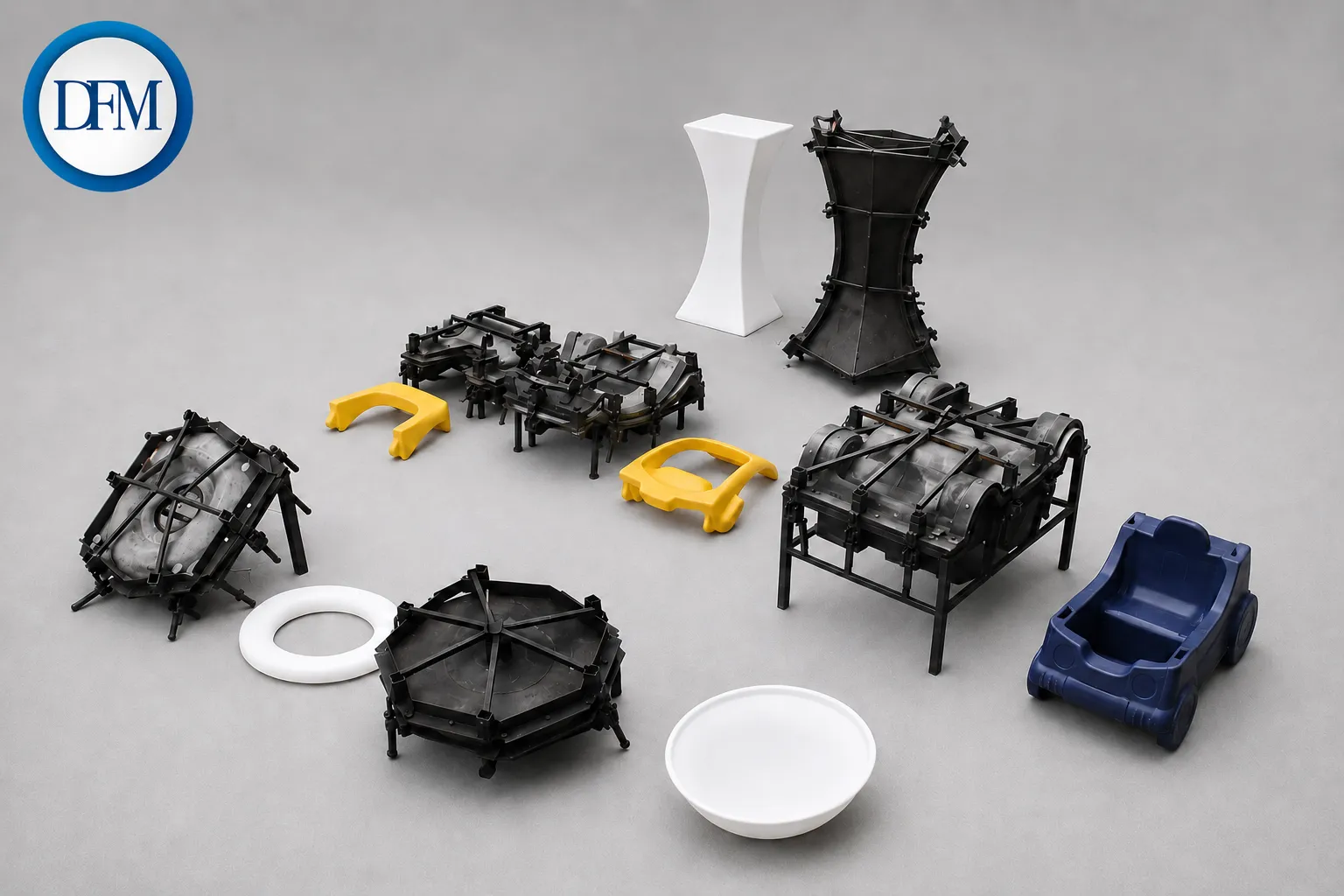
- Small injection molds or foam parts production for other industries with low capital needs.
- Lightweight cement blocks or polyethylene foam for insulation or construction markets.
Infrastructure Needs
Space and Workshop
- A minimum of 200 square meters is needed for small-scale production.
- For mixed or medium lines, up to 500 square meters is needed for production hall, storage, office, and staff facilities.
- Prebuilt steel halls are ideal if land is owned; otherwise, rented spaces must already have three-phase power and gas meters.
Electricity Requirements
- At least 32A three-phase electricity is needed for light machinery.
- For heavier systems, 50A or more is recommended.
- Industrial power panels with safety and surge protection systems are essential.
Gas Requirements
- For heating elements like ovens or mold warmers, industrial gas meters (G4 or G6) are sufficient.
- Urban gas is an affordable alternative where electricity is costly.
Water Needs
- Required for raw material washing, mold cooling, staff use, and sanitation.
- Daily usage ranges from 1 to 3 cubic meters.
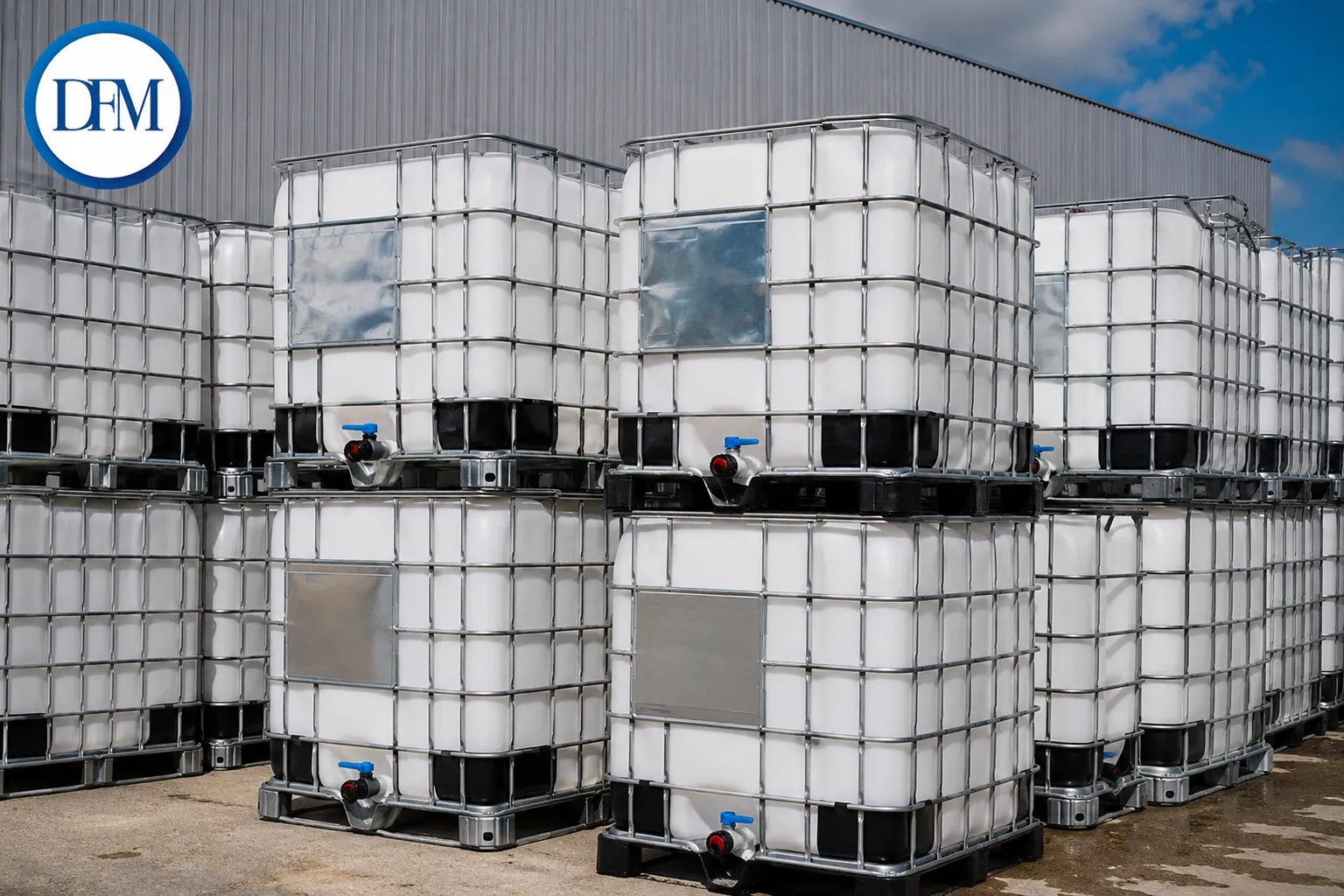
- In absence of plumbing, storage tanks, pumps, and filters are alternatives.
Production Equipment Within Budget
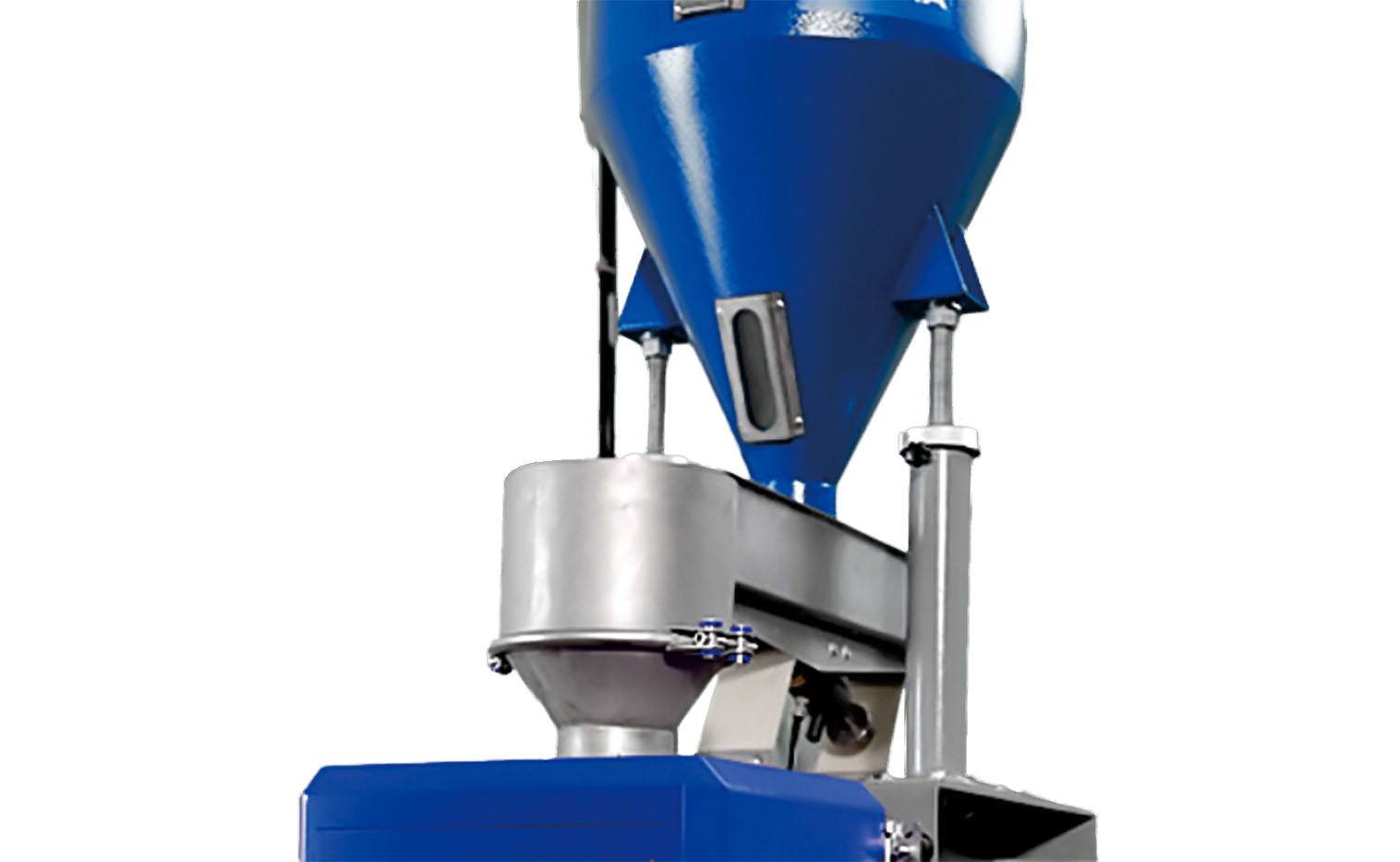
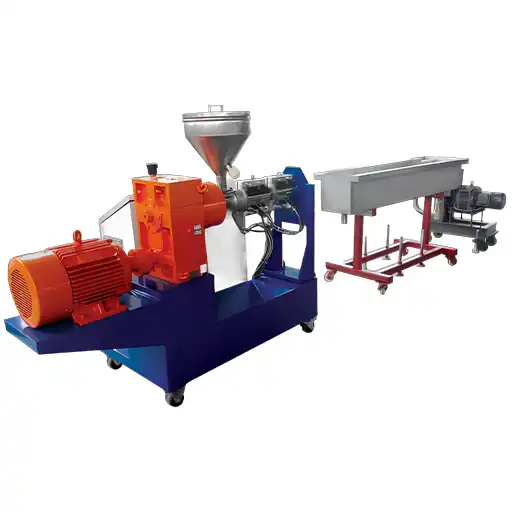
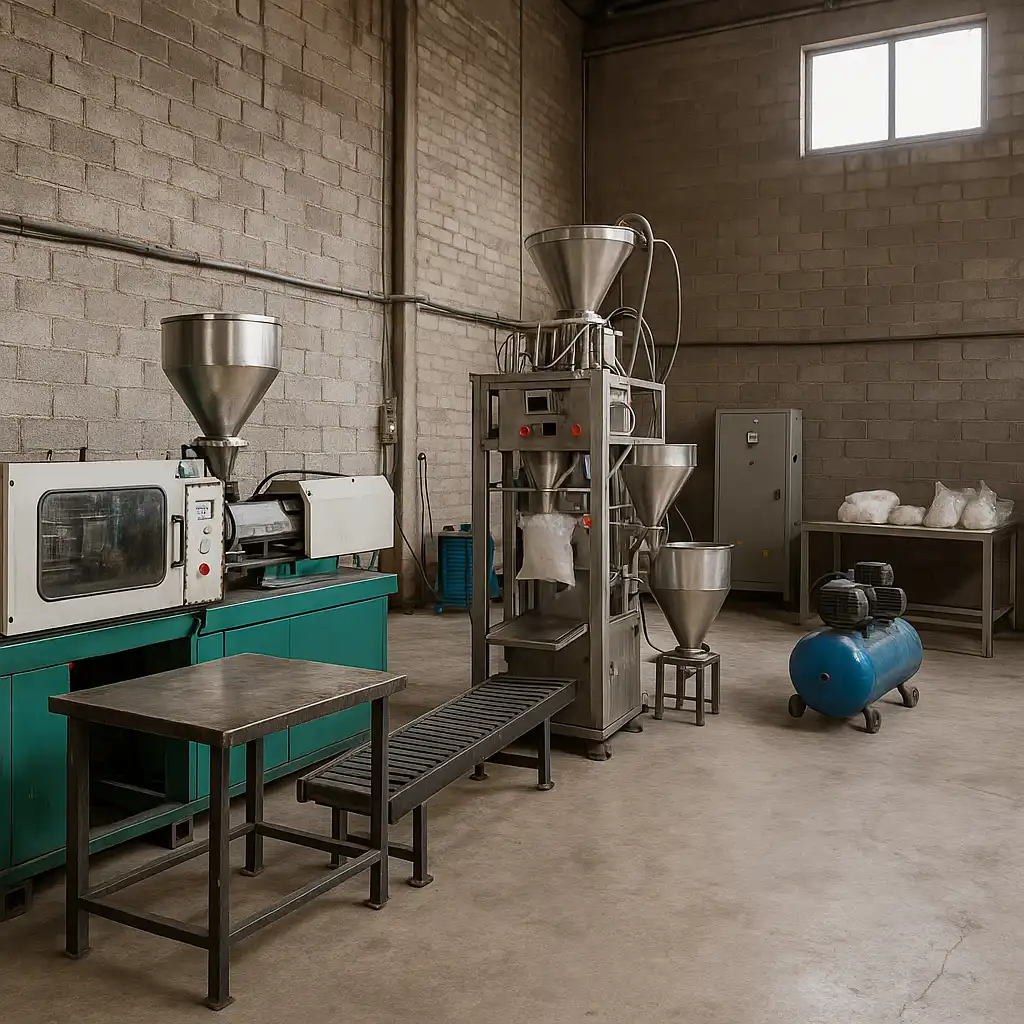
- Main production machine (e.g., plastic injection, packaging, extruder, or mixer).
- Conveyor belts for efficiency between workstations.
- Air compressors for pneumatic systems.
- Power panels for energy distribution and safety.
- Weighing, sealing, labeling, and printing equipment for final product prep.
- Quality control tools like calipers, scales, rulers, and testing kits.
Production Output Per Shift
- 800 to 1500 plastic items in an 8-hour shift.
- 300 to 600 kg of packaged food products.
- 50 to 200 molded parts depending on complexity.
- 40 to 80 polymer parts in rotational molding lines.
Required Workforce
- 3 to 5 multi-skilled personnel for one shift:
- One machine operator.
- One packaging and inventory assistant (also handling quality control).
- One general worker (material prep, cleaning, loading).
- Optional: Sales/admin staff for direct sales or customer support.
Return on Investment and Profitability
- ROI within 6 to 12 months with good management.
- Can be reduced to 4 months with high-demand products and efficient sales.
- Key factors: High-margin products, low material waste, bulk contracts, and customer acquisition.
- Financial spreadsheets showing breakeven point, costs, and ROI help with planning.
- Financial advisors plus technical consultants increase success odds.
Legal Requirements and Licenses
- Establishment License: First step to legally set up and purchase equipment.
- Operation Permit: Required after equipment installation to begin production.
- Health Permit: Mandatory for food, cosmetic, or healthcare-related products.
- Environmental Permit: For units generating smoke, waste, or odors.
- Company and Brand Registration: Legal identity, tax code, and official operations.
- Workshop Code & Insurance: Needed to legally employ and insure workers.
Deadly Mistakes in Starting a Low-Investment Production Line
- Wrong Product Choice: Products without clear demand or with intense competition fail despite good execution.
- Poor-Quality Machines: Lack of service and parts can halt production.
- No Business Plan: Without it, cost management and ROI tracking are impossible.
- Ignoring Warehouse Space: Logistics bottlenecks impact delivery and storage.
- Untrained Workers: Result in damage or low-quality output.
- No Marketing Plan: Without sales, production means idle inventory.
Tip: Machines by davaran fydar maham come with reliable service and optimal efficiency—ideal for building a profitable line.
Final Summary
Starting a low-investment production line is not only feasible but can be one of the best paths to financial independence in today’s Iran. With 2 billion tomans, one can set up a functional, efficient, and profitable line—if smart choices are made in products, setup, equipment, and personnel.