
Introduction
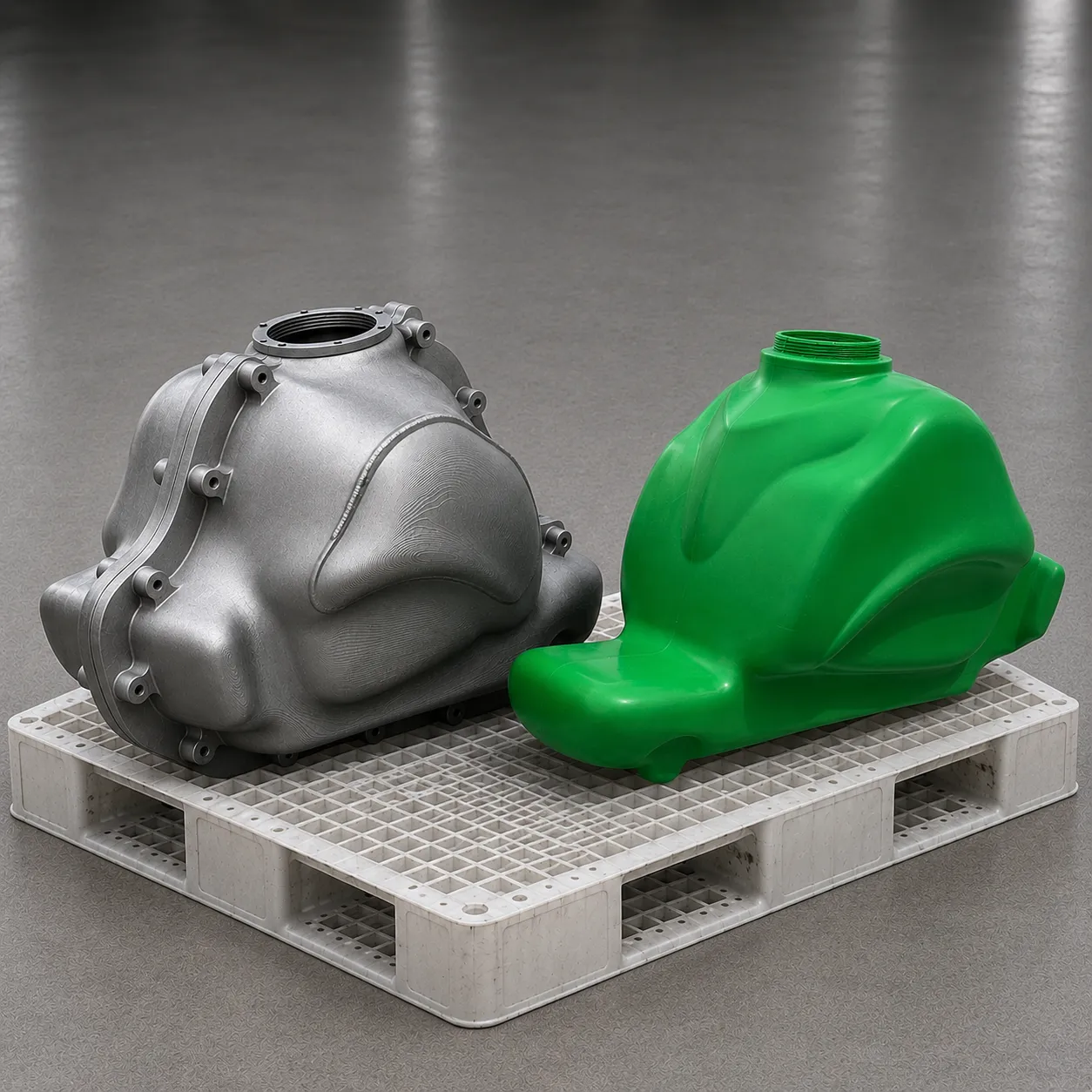
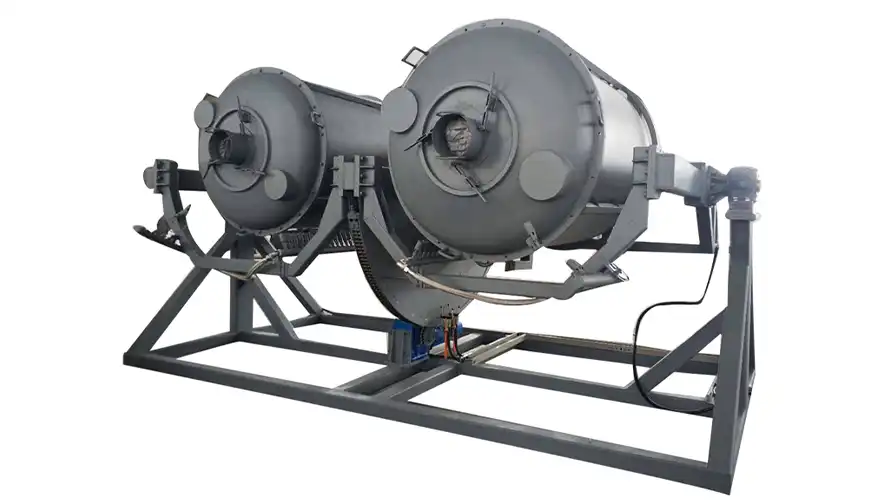
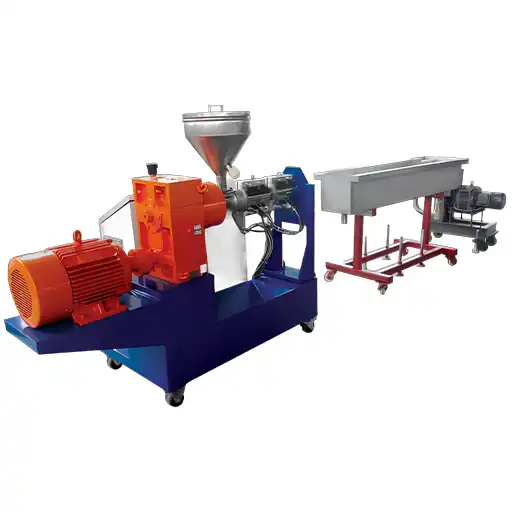
Required licenses and standards for launching a plastic products production line are critical for entrepreneurs aiming to manufacture polyethylene tanks, industrial pipes, injection-molded parts, and plastic packaging. A clear understanding of the legal and technical requirements ensures a smooth setup and operational readiness of the industrial unit.
Why Are Licenses and Standards Important?
- Prevent Production Shutdown: Operating without proper licenses or failing to meet standards may lead to factory closure by regulatory authorities.
- Increase Customer Trust: Valid certifications like ISO and health approvals enhance brand credibility.
- Enable Export Opportunities: Complying with global standards such as ISO 9001 or CE marking is crucial for entering international markets.
Key Licenses Required to Start Operations
Establishment License (Ministry of Industry, Mine and Trade)
The first step is obtaining an establishment license through the Behinyab system. It includes:
- Stated production capacity
- Factory location
- Type of products to be manufactured
Operation License
After installation of machines and setup of production lines, an operation license confirms the unit’s readiness for mass production.
Environmental License
To manufacture plastic products, waste management plans, recycling strategies, and air pollution control are required. The Environmental Protection Organization oversees and issues this license.
Health and Safety License
If products come into contact with drinking water or food, approvals from the Food and Drug Organization or Ministry of Health are mandatory. This involves chemical testing of products.
Standards Required in Plastic Product Manufacturing
National Standard of Iran (ISIRI)
For items like tanks and pipes, adherence to national codes like ISIRI 13361 (for water tanks) is necessary.
ISO Certifications
- ISO 9001: Ensures a quality management system is in place.
- ISO 14001: Reflects environmental responsibility.
- ISO 45001: Relates to occupational health and safety.
CE Mark (for export to Europe)
If you aim to export to Europe, CE certification is essential. It confirms compliance with health, safety, and consumer protection regulations in the EU.
Practical Checklist for Obtaining Licenses
- Establishment license from Behinyab system
- Land verification from industrial parks or natural resources office
- Environmental license
- Health certificate for food-contact products
- Construction and operation license
- ISIRI or ISO certifications
- Brand registration and legal labeling
- CE mark for export (if needed)
How Long Does It Take?
Depending on product type, region, and technical setup, acquiring licenses takes 3 to 9 months. Industrial and legal consultants can speed up the process and minimize risks.
Tips for Legal Compliance
- Keep all technical equipment documentation updated.
- For polyethylene tanks, conduct pressure, UV resistance, and food contact safety tests.
- Store physical copies of all licenses in the technical office.
- If your capacity or product changes, update your licenses immediately.
Trusted Sources for More Information
- National Standards Organization of Iran
- Iran Department of Environment
- Behinyab Licensing Portal
- Wikipedia pages on ISO standards
Conclusion
Required licenses and standards for launching a plastic products production line not only ensure legal operation but also represent your brand’s quality, credibility, and sustainability. If you’re entering the plastic manufacturing sector, follow the checklist and stay informed to proceed with confidence and transparency.