Introduction
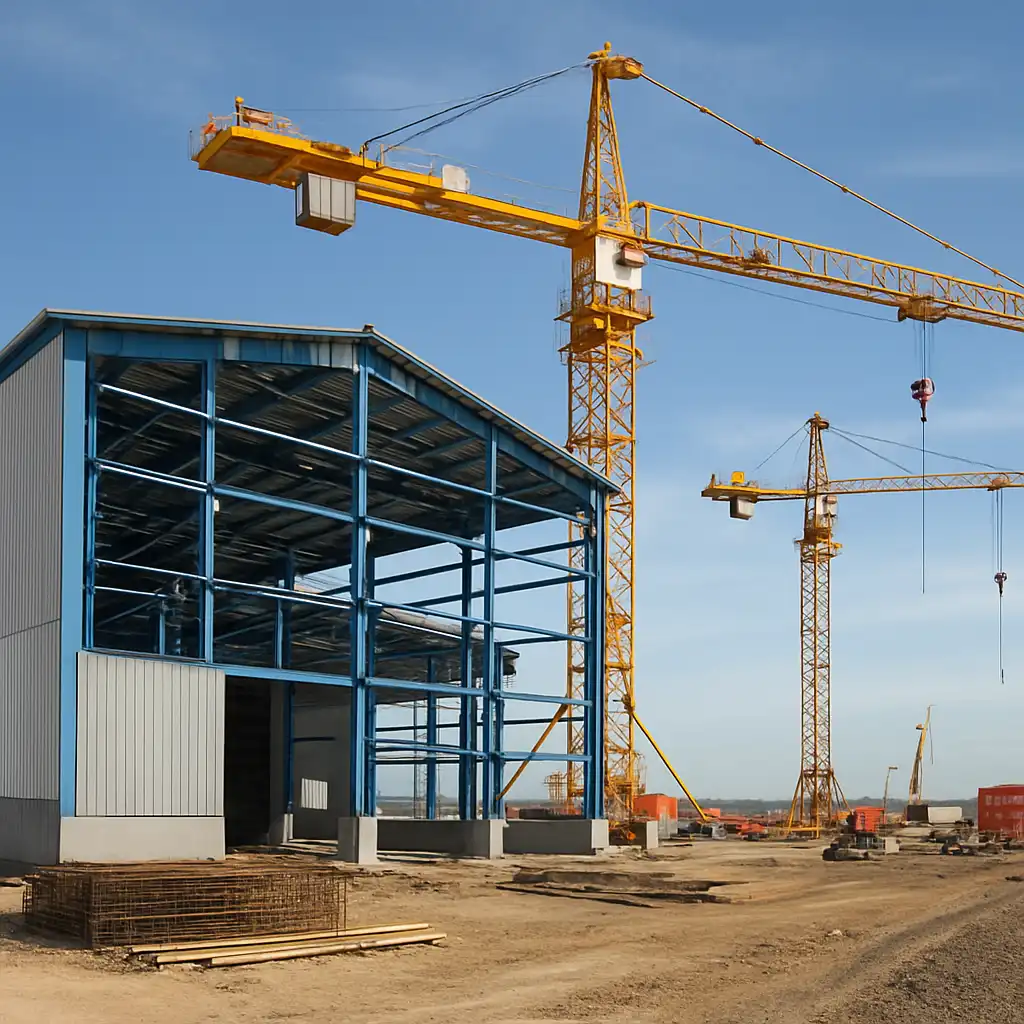
Factory Location is a crucial and irreversible decision for entrepreneurs and investors in the manufacturing industry. This choice not only directly influences the operational performance and implementation costs of the factory, but also significantly affects sales, customer satisfaction, and branding.
The Importance of Choosing the Right Factory Location
The factory location must be selected based on a thorough analysis of geography, access to the target market, human resources, utilities, transportation networks, and more.
- A factory located in a remote area may struggle to access labor or sell products effectively.
- Being near suppliers and end customers helps reduce transportation costs.
For more on factory design and placement, read our article “Factory Production Line: Architecture and Equipment”.
Technical and Geographical Requirements
To select the best factory location, several criteria must be met:
-
Suitable space for current and future needs
A space that is neither too small nor too large helps optimize production layout and safety.
-
Construction codes and zoning rules
Industrial zones have specific height, waste, and health regulations that must be reviewed beforehand.
-
Shape, orientation, and physical condition of the land
Rectangular plots offer better equipment layout; orientation impacts sunlight, wind, and ventilation.
-
Economic evaluation of land purchase or lease
Beyond the land price, hidden costs like transportation and infrastructure must be considered.
-
Legal and environmental restrictions
Factories with high pollution levels cannot be near residential areas. Legal compliance is essential.
-
Access to consumer markets
Proximity to your target market ensures faster delivery and lower distribution costs.
-
Proximity to suppliers and production resources
Nearby material sources reduce delivery times and production delays.
-
Transport infrastructure access
A good factory location must be connected to roads, ports, or railways as per logistics needs.
-
Availability of natural resources
If your factory relies on sun, wind, water, or raw materials, verify availability and legal permissions.
-
Energy capacity and utility networks
Ensure the site supports sufficient gas, electricity, and water infrastructure.
-
Skilled and stable labor force
Nearby urban or residential areas provide better access to human capital and reduce travel costs.
-
Telecommunications and internet
A modern factory location must support digital infrastructure for automation and communications.
-
Social and cultural compatibility
Avoid areas with community opposition to industrial activity due to noise or pollution concerns.
-
Industrial neighbors
Avoid sites near polluting or high-traffic factories that reduce your operational efficiency.
-
Climatic impact
Harsh weather conditions like extreme heat or cold may require costly climate-control solutions.
Legal Requirements for Factory Construction in Iran
According to the Ministry of Industry, Mine, and Trade, the following rules apply:
- Factories must be built outside city residential zones.
- Environmental and water permits are mandatory.
- Legal ownership documents for the land are required.
Steps to Obtain a Factory Construction Permit
- Submit request through the Behinyab system
- Prepare architectural plans
- Receive principle agreement
- Collect approvals from relevant authorities
- Obtain operational license
These steps are also discussed in our article “Plastic Recycling Line: From Collection to Granule Production.”
Role of Industrial Consultants
A professional consultant can:
- Help select the best industrial zone
- Prepare technical blueprints
- Accelerate the legal process
This saves you both time and capital.
Common Mistakes When Choosing Factory Location
- Choosing land without verifying ownership
- Ignoring future expansion needs
- Underestimating infrastructure costs
- Picking locations with no skilled labor or logistics support
Conclusion
Factory Location is a game-changing decision. A well-chosen location guarantees success in production, marketing, and future expansion. Before taking action, consult official sources and experienced industrial advisors.