Polyethylene Water Tank Production Line: Details and Components
Water, a Vital Need for Humanity
A reliable water tank is essential for ensuring clean and safe drinking water, especially as climate change and droughts threaten global water sources. Protecting stored water from chemical and physical pollutants has become increasingly important for human survival.
Water Storage Tanks, a Basic Necessity for Users
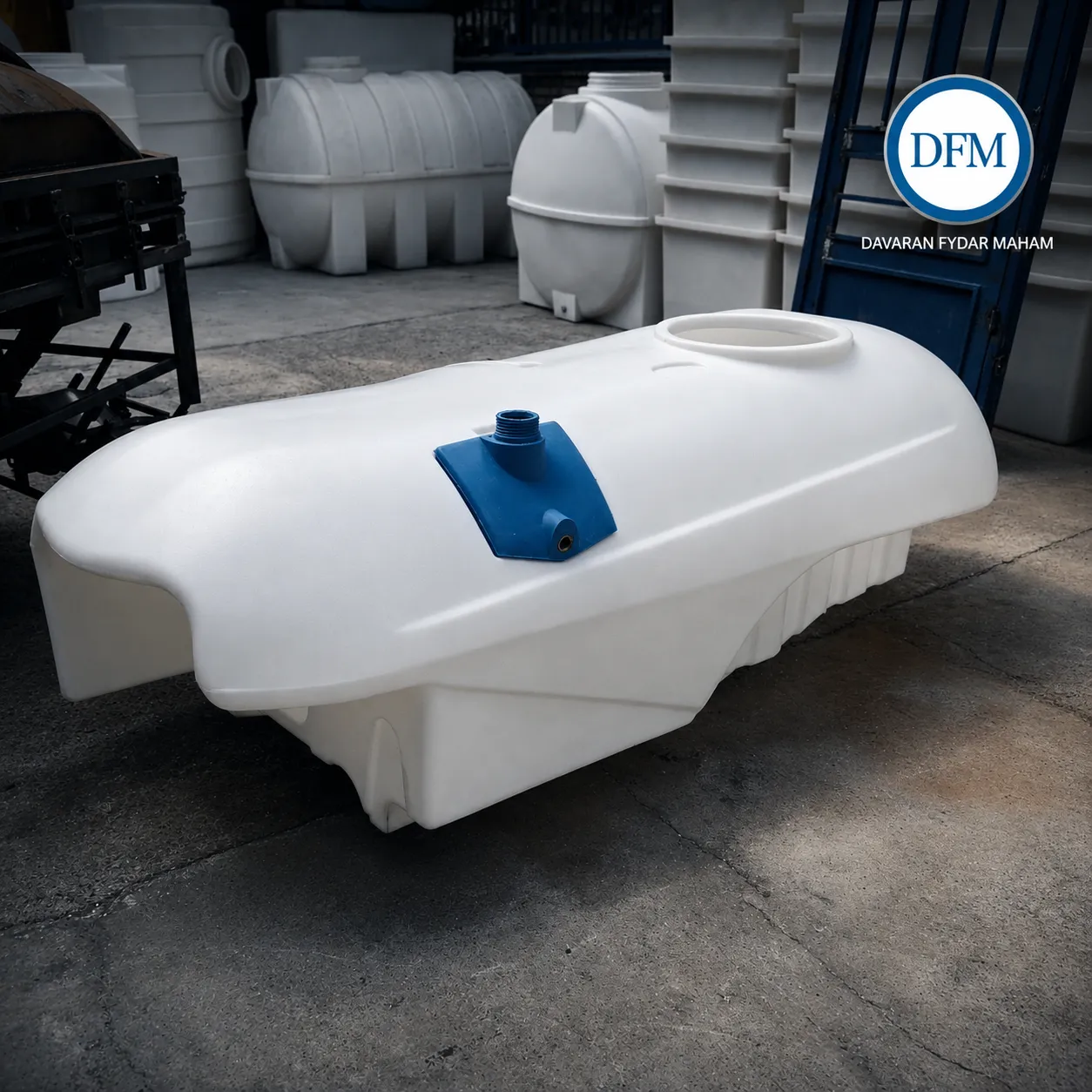
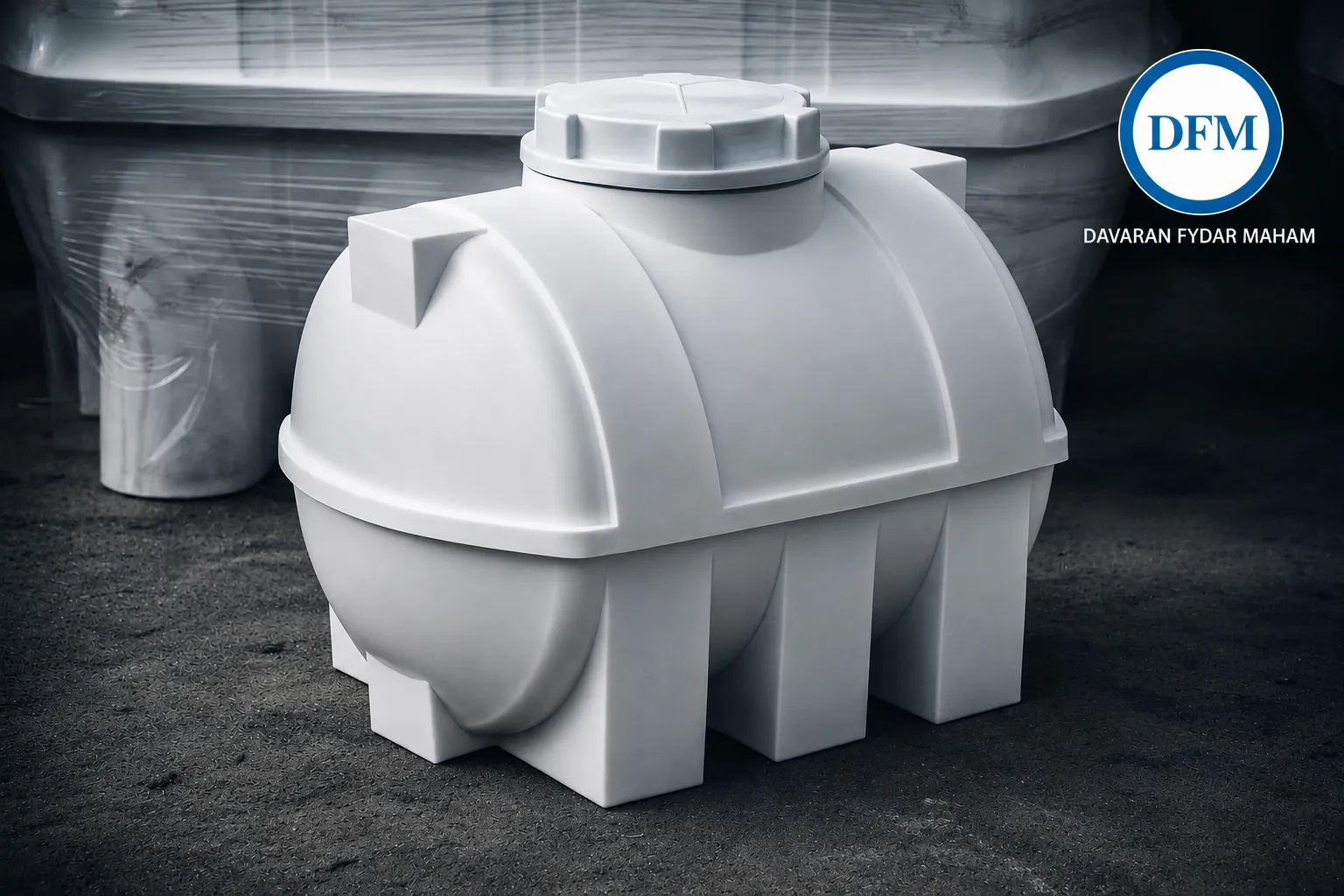
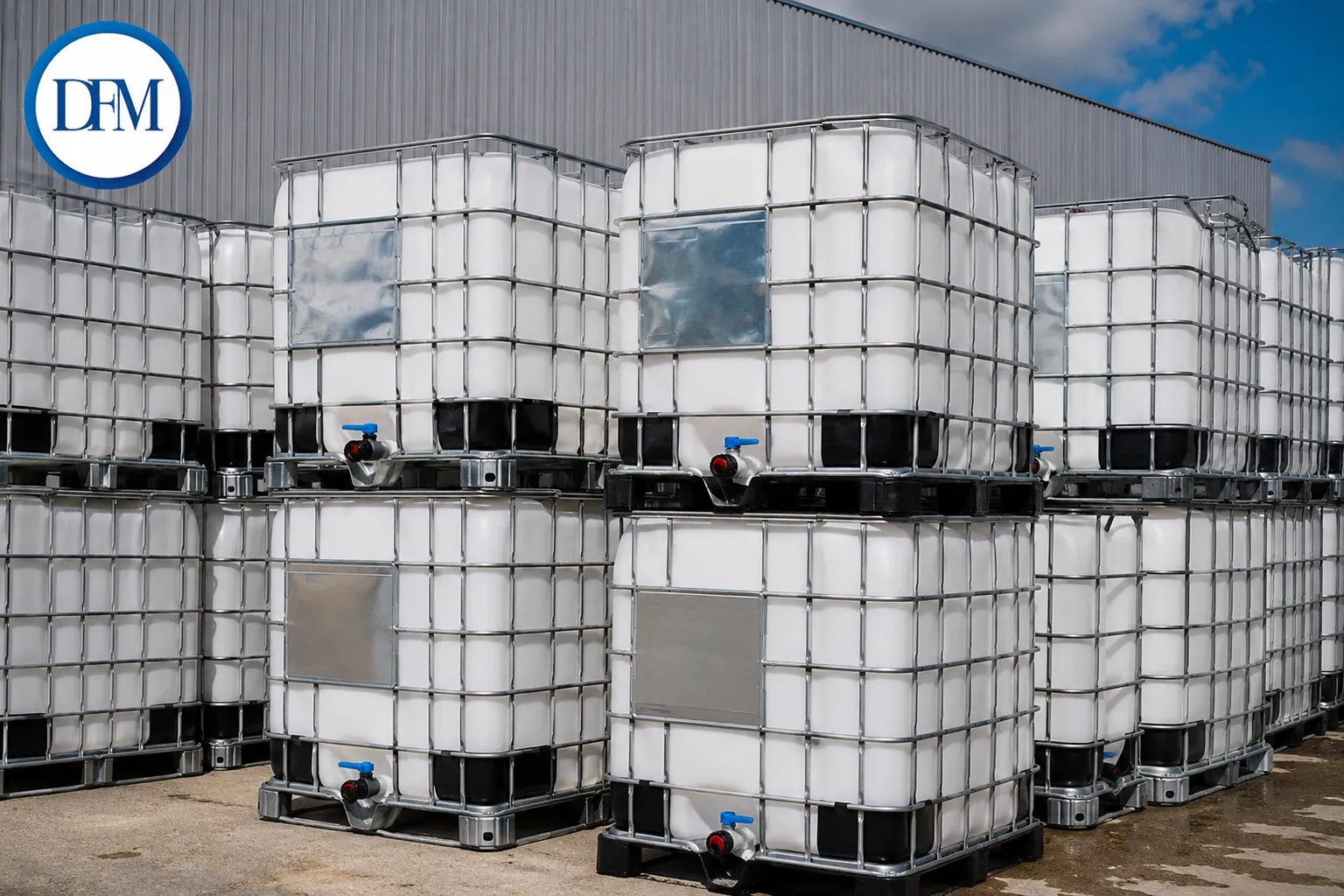
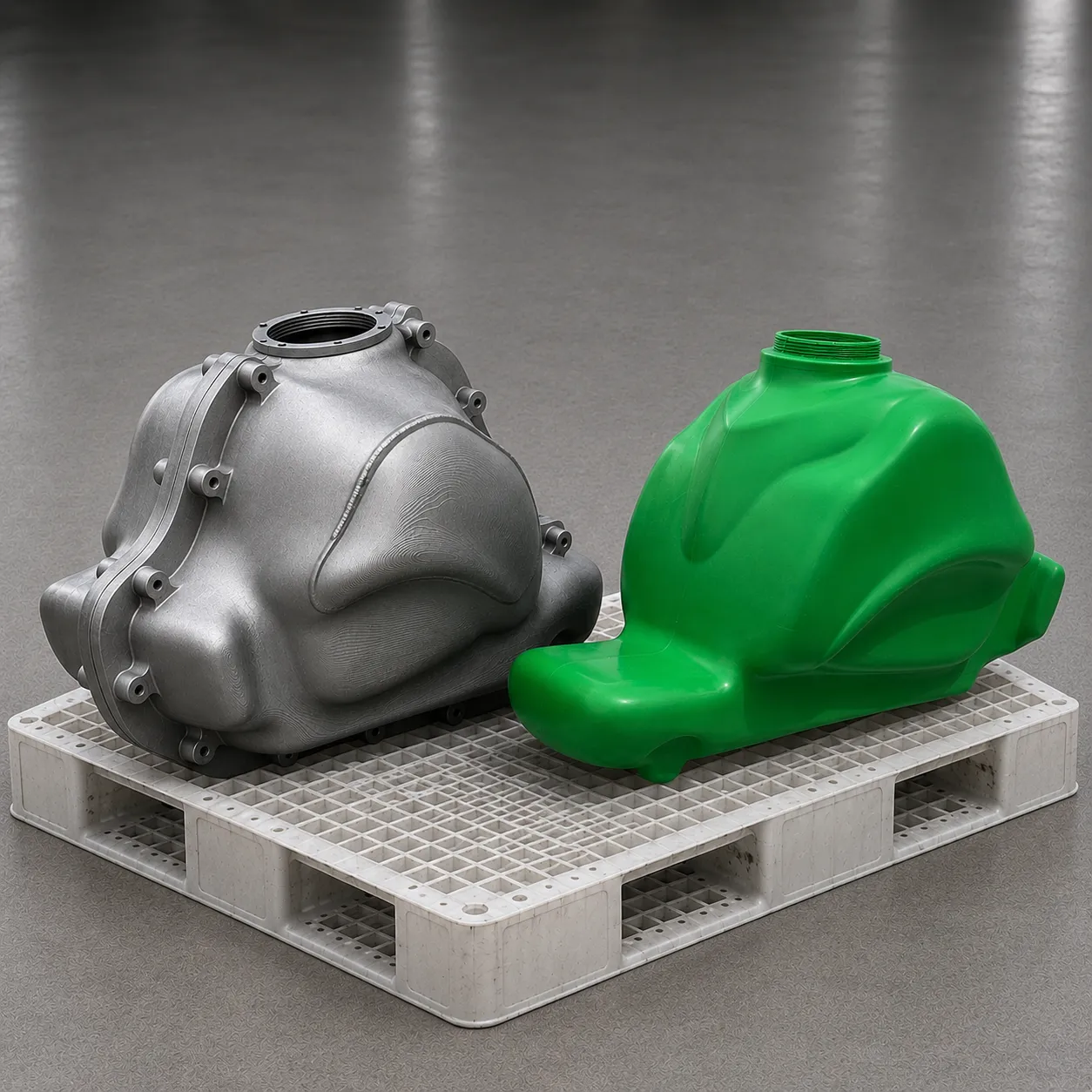
The use of healthy water storage tanks is common in domestic, industrial, agricultural, and service sectors. Currently, these tanks are produced in Iran, with the most cost-effective manufacturing method being rotational molding (ROTOMOLDING).
In this method, centrifugal force and simultaneous heating are used for molding the tanks. Food-grade polyethylene materials, along with advanced standard equipment, are used for producing these tanks.
Main Components of the Polyethylene Water Tank Production Line
A complete production line consists of the following parts:
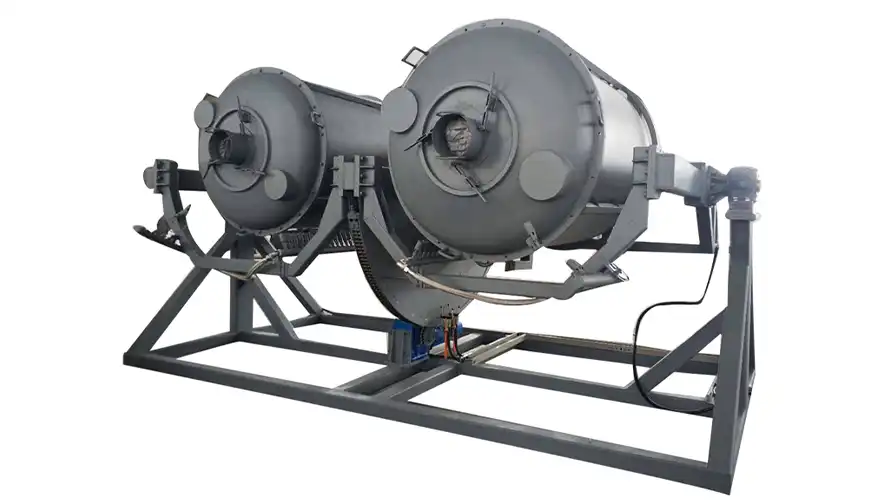
Rotary Kiln (Shuttle, Carousel, or Rock and Roll Types)
Includes chassis, body, insulation, centrifugal fan, burners, sensors, and doors.
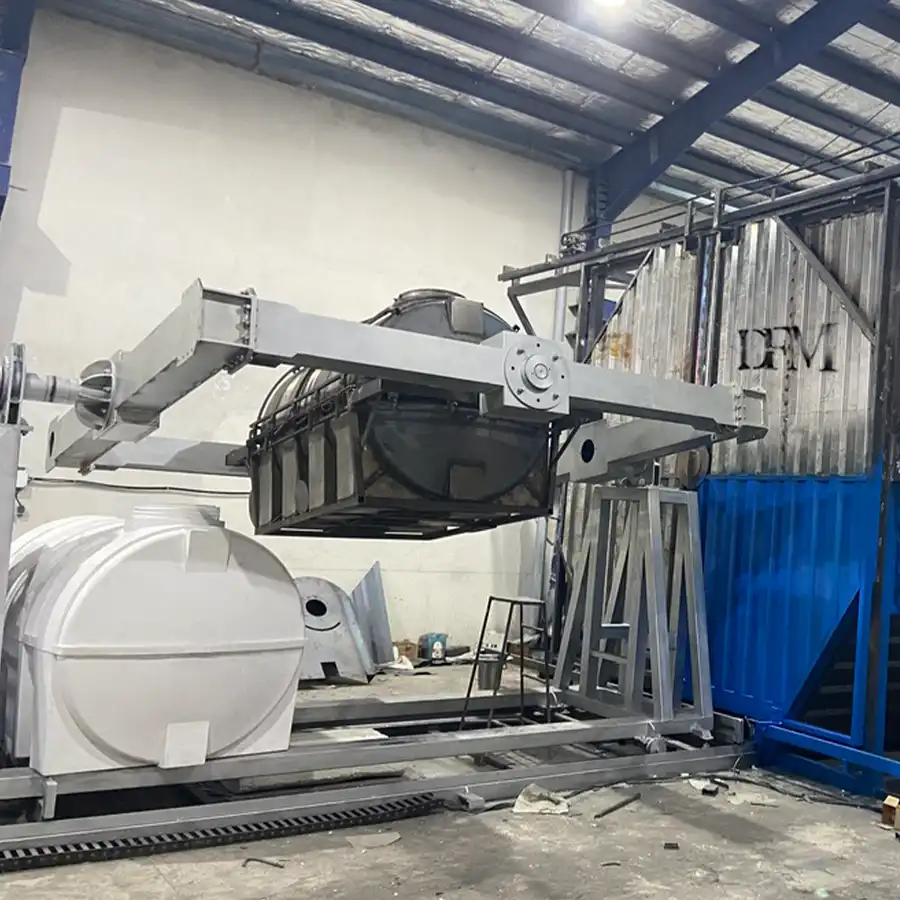
Wagons (Straight or Offset)
Includes chassis, frame, arm, gearbox motor, PLC, and electrical control panel.
Cooling Chamber
Includes chassis, fan, water pump, and spray system.
Molds
Includes frame, body, door, and clamps.
Loading and Unloading Platform
Includes chassis and movable wheels.
Powder Grinder
Includes chassis, grinding stone, vacuum, sieve, motor, electrical panel, and bearings.
Extruder
Includes chassis, screw mechanism, motor, sensors, and electrical panel.
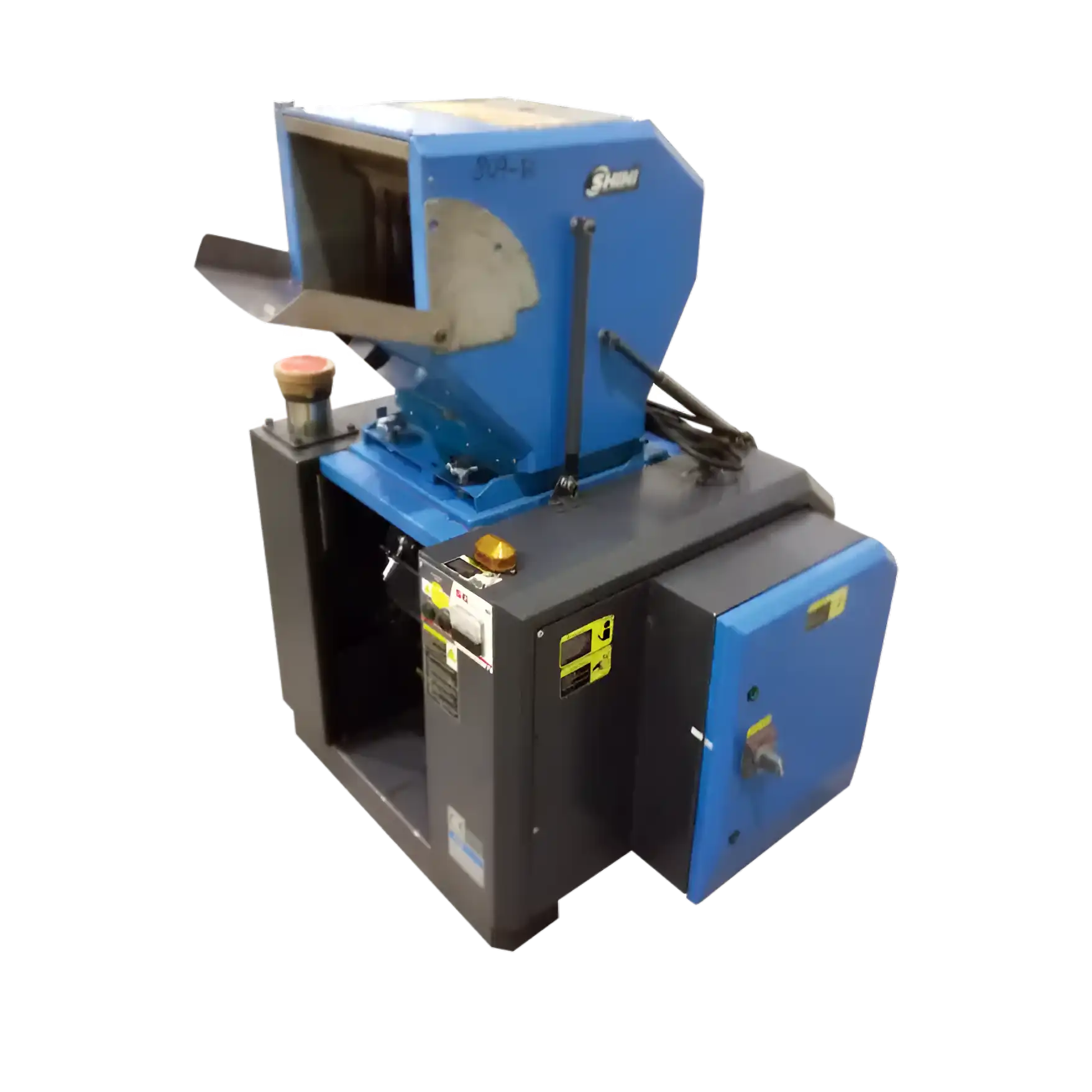
Shredder
Includes chassis, body, blades, sieve, motor, and electrical panel.
Turbo Mixer
Includes chassis, propeller, motor, and electrical panel.
Crane
Includes boom, rail, gearbox motor, electrical panel, and remote control.
Details of the Rotary Kiln in the Production Line
Rotary kilns are designed in various types depending on the production line, but their general structure includes the following components:
Kiln Chassis
The chassis serves as the main base of the kiln, holding all the components of the body. It is typically made from industrial standard steel profiles.
Kiln Body
The body consists of three layers:
Internal and external layers made from 1-2 mm thick iron sheet.
The middle layer consists of high-density rock wool insulation to prevent heat loss.
Kiln Doors
The doors are also three-layered, with the middle layer insulated with rock wool. The number of doors can vary from one to four, depending on the design. In some cases, the doors are mounted on wagons, and the kiln lacks direct doors.
Centrifugal Fan
The centrifugal fan circulates hot air inside the kiln. It draws in cool air from the lower part of the kiln and directs it towards the burner outlets.
Burners
Burners are used to heat the air inside the kiln and can work with natural gas, LPG, or diesel.
Sensors
Industrial sensors are used to monitor the temperature inside the kiln, installed at various points to measure the average temperature.
Kiln Electrical Panel
The electrical panel controls and manages the kiln’s electrical components, wagons, and cooling chamber, providing integrated management of the production line.
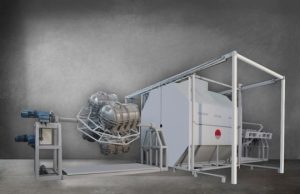
Details and Components of the Polyethylene Water Tank Production Line
Wagons
Wagons are essential components of the water tank production line, responsible for moving the arms inside and outside the kiln. They are generally designed in two types:
Straight
Offset (Cradle)
Each type of wagon serves a specific purpose and is constructed using standard industrial steel materials. Main components include chassis, wheels, bearings, and rails fixed to the floor.
2-1. Wagon Chassis
The chassis is designed to carry the arms securely and precisely, made from standard industrial profiles, providing a stable base for other components.
2-2. Arms
Arms are crucial for transferring rotational force.
Structure: The arms are made from pipes with appropriate thickness and diameter, crafted from durable alloys.
Power Transfer: A gearbox is mounted at one end of the arms, while chain gears at the other end receive the necessary force for rotation from the gearbox motor.
2-3. Gearbox Motors
Gearbox motors provide the rotational force for the arms. They are usually coupled and selected based on the motor power and speed.
2-4. Electrical Panel
The electrical panel of the wagons can be mounted on each arm independently or integrated into the central control panel of the production line.
2-5. Arm Frame
Frames are used to mount molds onto the arms. These are typically made from tubes or industrial profiles, enabling multiple molds to be mounted simultaneously.
Cooling Chamber
The cooling chamber cools the molds after the heating process in the kiln. It may be designed as an independent room or use fans and water spray systems in an open space.
Components of the cooling chamber include:
Fans: Usually axial fans mounted on frames, equipped with wheels for easy movement.
Water Spray System: In some cases, the cooling chamber can be equipped with a water spray system to enhance the cooling process.
Note: The cooling process is as crucial as the heating process, and controlling the speed of the arm rotation, stops, and cooling time is essential.
Molds
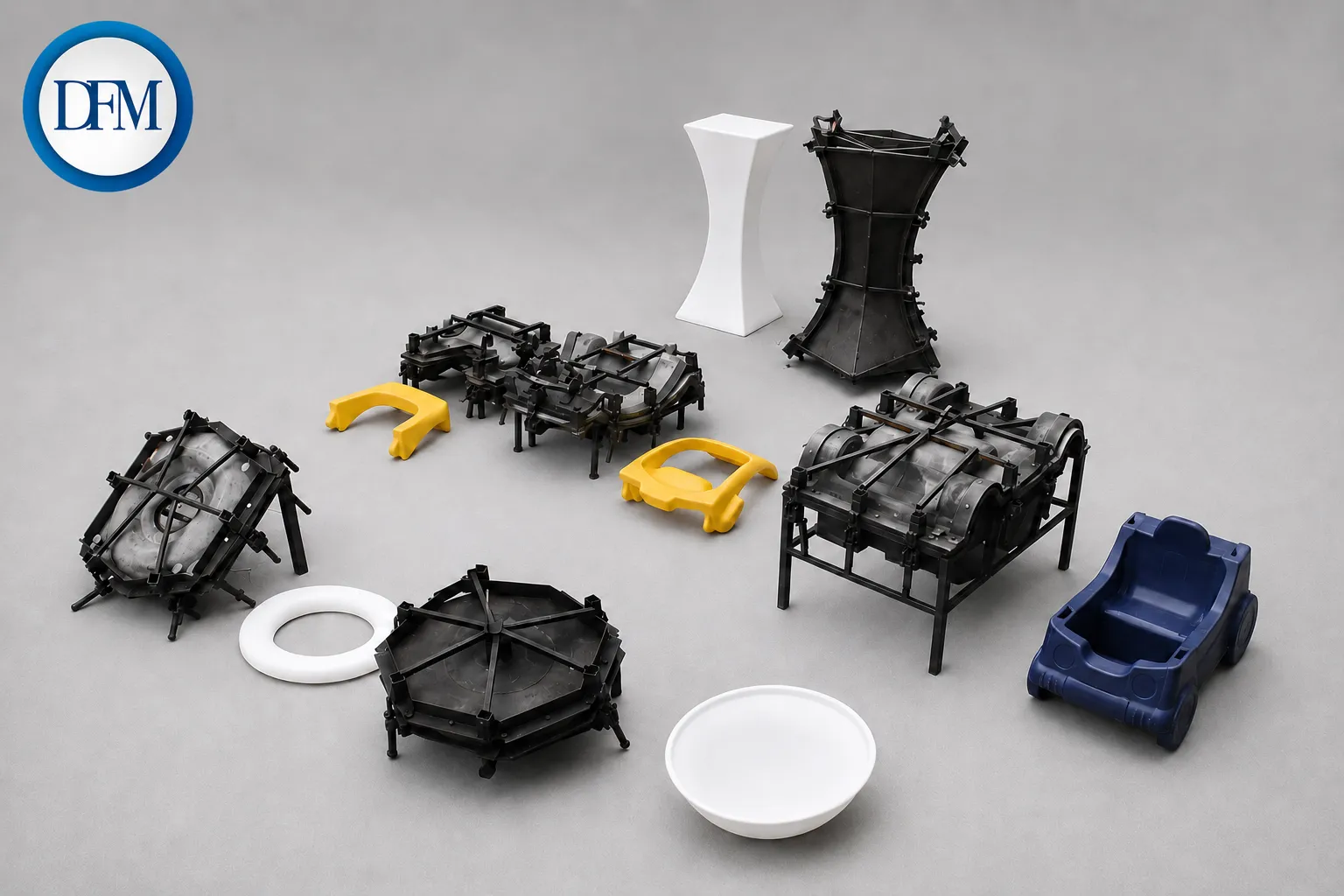
Molds are key components in the production of water tanks and are designed according to the volume, shape, and size of the tanks.
Rotational Molding Process:
In this process, polyethylene powder is placed inside the mold, and by heating the mold in the kiln and rotating it along both vertical and horizontal axes, the powder sticks to the mold body through centrifugal force, forming the final shape of the tank.
Mold Features:
Material: Molds are typically made from 2-3 mm thick iron sheet, though stainless steel or aluminum can also be used.
Design: Molds are usually two-piece and open and close from the middle.
Components:
- Mold door for loading powder.
- Locks to secure mold parts.
- Frame for supporting and installing the molds.
Davaran Fydar Maham
This company has over 20 years of experience in designing and manufacturing water tank molds. It utilizes advanced global methods and specialized analyses to produce high-quality molds. Before construction, each product undergoes thorough analysis and then enters the design and manufacturing process.
List of Molds Manufactured by Davaran Fydar Maham
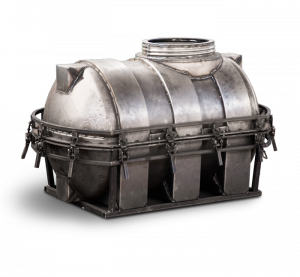
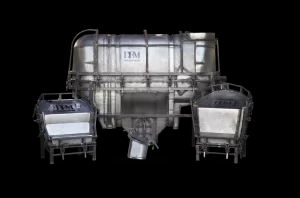
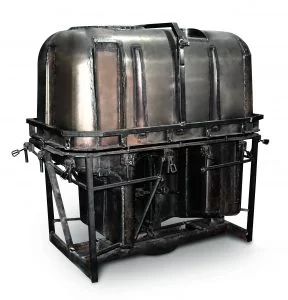
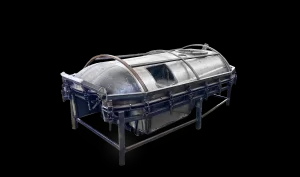
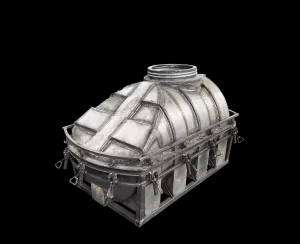
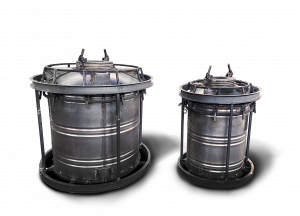
Loading and Unloading Platform
The production line requires platforms for easier and safer loading and unloading of molds. These platforms are made from industrial profiles and steel tubes according to the dimensions of the production line and the production hall. Advanced models may include electric and jack-based versions, but generally, the platforms are made in two types: fixed and movable (on wheels).
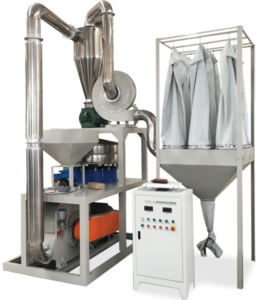
Powder Grinder
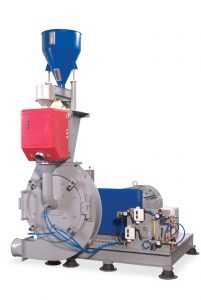
The powder grinder is a device for converting polymer granules into polymer powder. Polyethylene, the primary material for producing water tanks, is produced in granule form by petrochemical companies. In rotational molding, these granules are converted into powder and then poured into molds. The powder size may vary depending on the production type and dimensions.
Components of the powder grinder include:
Grinding Stone: Typically a two-part serrated disc, with one piece being movable and the other fixed. The fixed part is usually equipped with a water-cooling system.
Bearings and Bushings: The movable stone is mounted on bearings and bushings and rotates at high speed to grind the granules.
Electric Motor: Provides power for the grinding stone’s rotation, with varying capacities depending on the grinder’s throughput.
Vacuum: A centrifugal fan directs the powdered granules to the grinder’s sieve.
Sieve: After the granules are powdered, any oversized particles are separated using a sieve, and the finer powder is directed towards storage. Oversized particles are sent back to the grinder.
Electrical Panel: The powerful motor and sieving system require a dedicated electrical panel to control and protect the process.
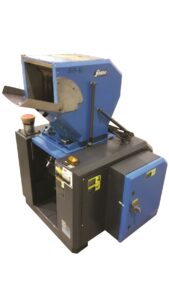
Shredder
The shredder is used to reduce large plastic pieces into smaller granule-sized particles. During the production of water tanks, some parts may be trimmed or discarded. These scraps are shredded and reintroduced into the production cycle.
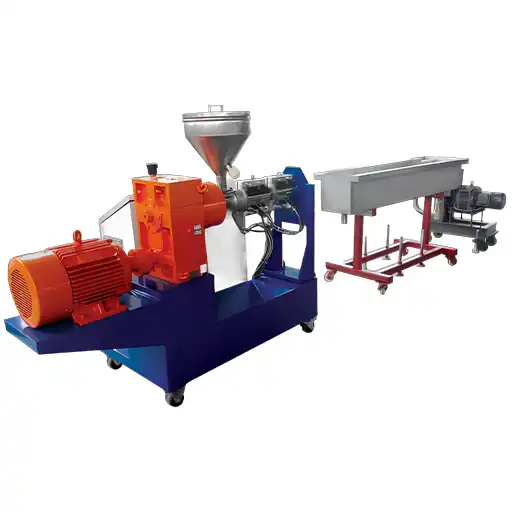
Extruder
The extruder consists of a tube and screw mechanism to uniformly mix raw materials for the production of water tanks. It combines polyethylene and additives such as colorants (masterbatches), UV stabilizers, and antibacterial agents.
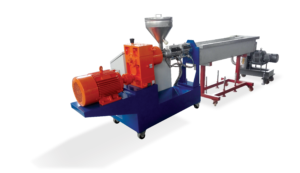
Components include:
Screw Mechanism
Heaters
Gearbox Motor
Cooling Tank
Control Panel
In the extrusion process, controlling the temperature of the molten material and monitoring the mixing process is crucial to maintaining the physical properties of the final product.
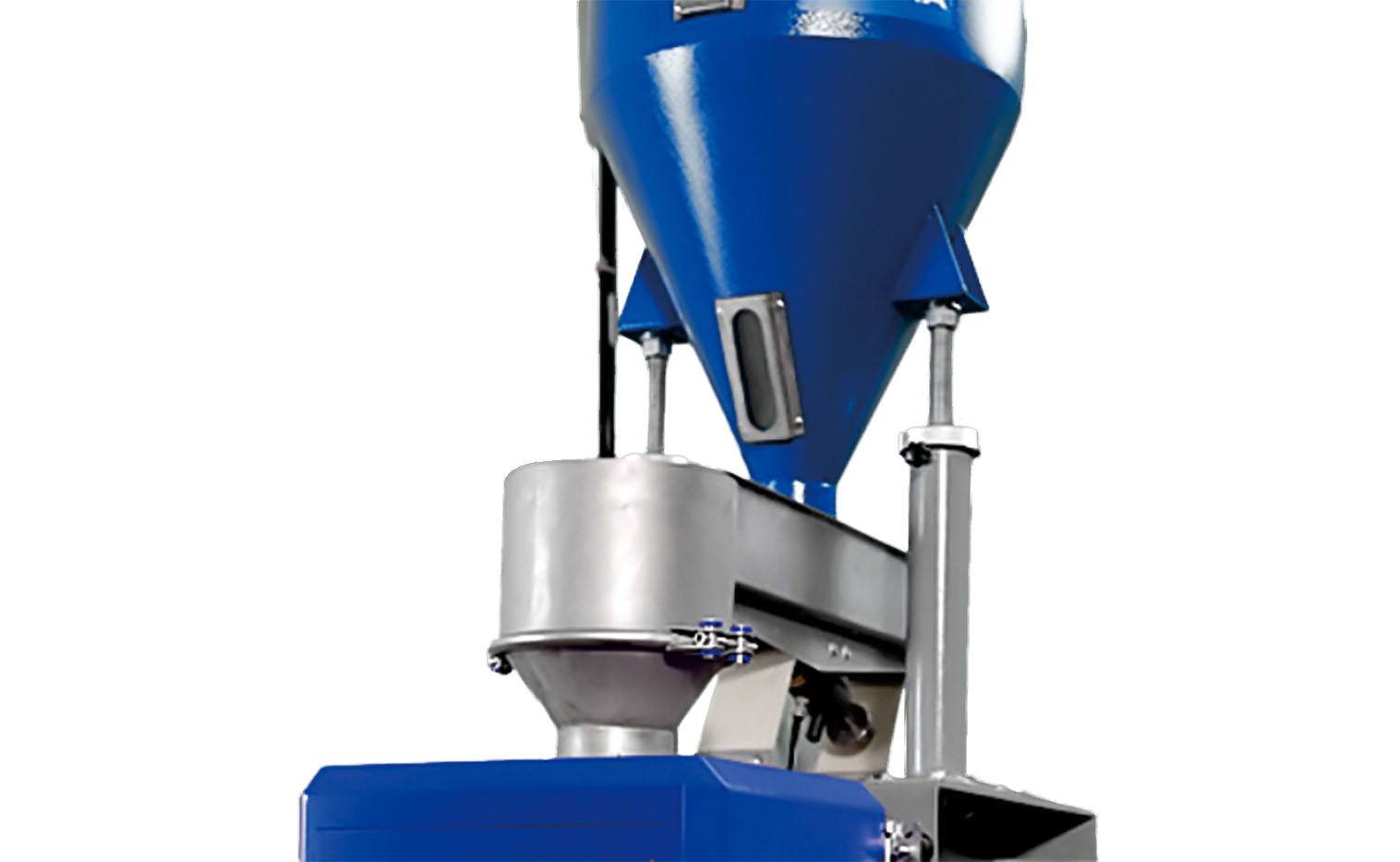
Turbo Mixer
The turbo mixer is used for mixing color and other additives into the raw materials without exposing them to heat and pressure. It consists of:
Chassis
Propeller
Electric Motor
Control Panel
Crane
A crane is essential for the production line, with types chosen based on the production capacity and the size of the production hall. The most common types used in water tank production lines are overhead cranes and articulated cranes.
Components include:
Winch
Rails
Railway
Crane or Bridge
Hook and Rope
Hoist or Chain
Control Panel
Remote Control
Davaran Fydar Maham provides specialized and experienced teams for designing and constructing complete production lines for large polyethylene water tanks. Production lines are available in capacities of 2000, 5000, 10000, 20000, and 30000 liters.