Safety in Rotational Molding: HSE Requirements in the Rotomolding Industry
Introduction
Safety in rotational molding is one of the primary concerns in the plastics industry. The rotomolding process involves high-temperature ovens, moving parts, and polymer fumes, creating a potentially hazardous environment. Adhering to Health, Safety, and Environment (HSE) principles not only prevents injuries but also enhances production efficiency. This article provides a comprehensive overview of potential hazards, safety measures, industrial ventilation, and personal protective equipment (PPE) in rotational molding factories.
Importance of Safety in Rotational Molding
In rotomolding, polymer materials are placed inside molds and heated at high temperatures. This exposes the workshop to hazards such as fire, toxic fume inhalation, burns, and electrical shock.
Safety is not limited to operator protection; proper equipment design, adequate ventilation, and employee training play key roles in risk reduction. According to global HSE standards, rotomolding facilities must have clear safety procedures to ensure operators respond quickly and correctly in emergencies.
Common Hazards in Rotomolding Factories
1. High Temperature and Burn Risk
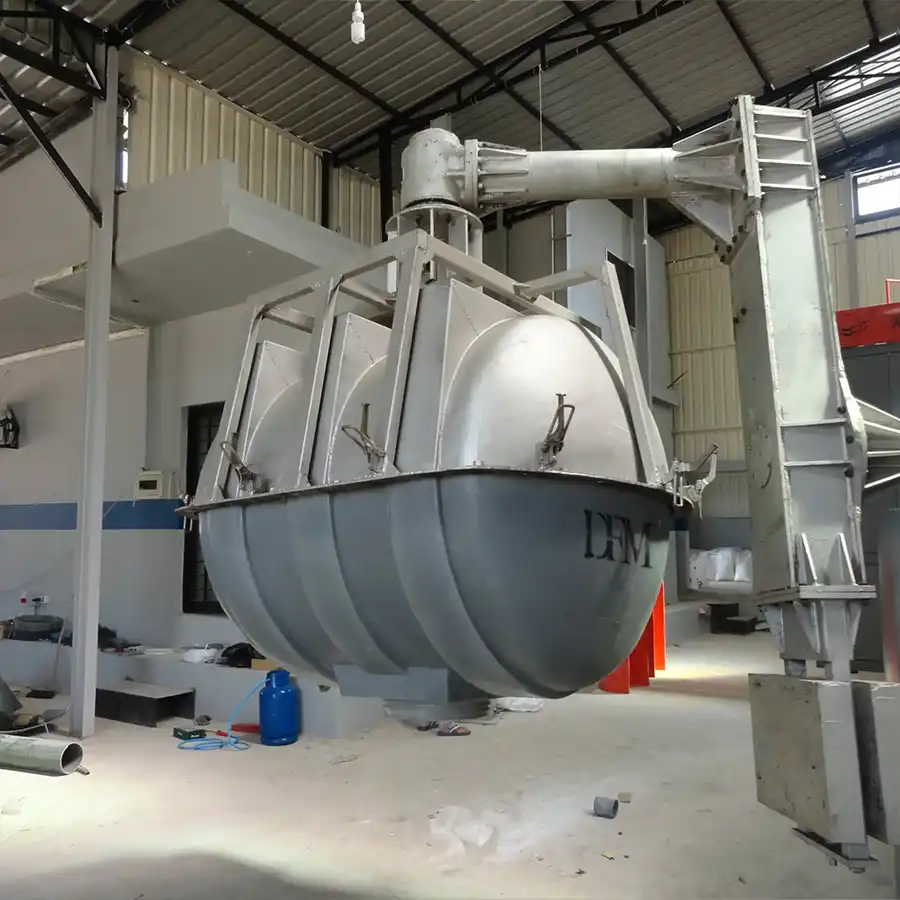
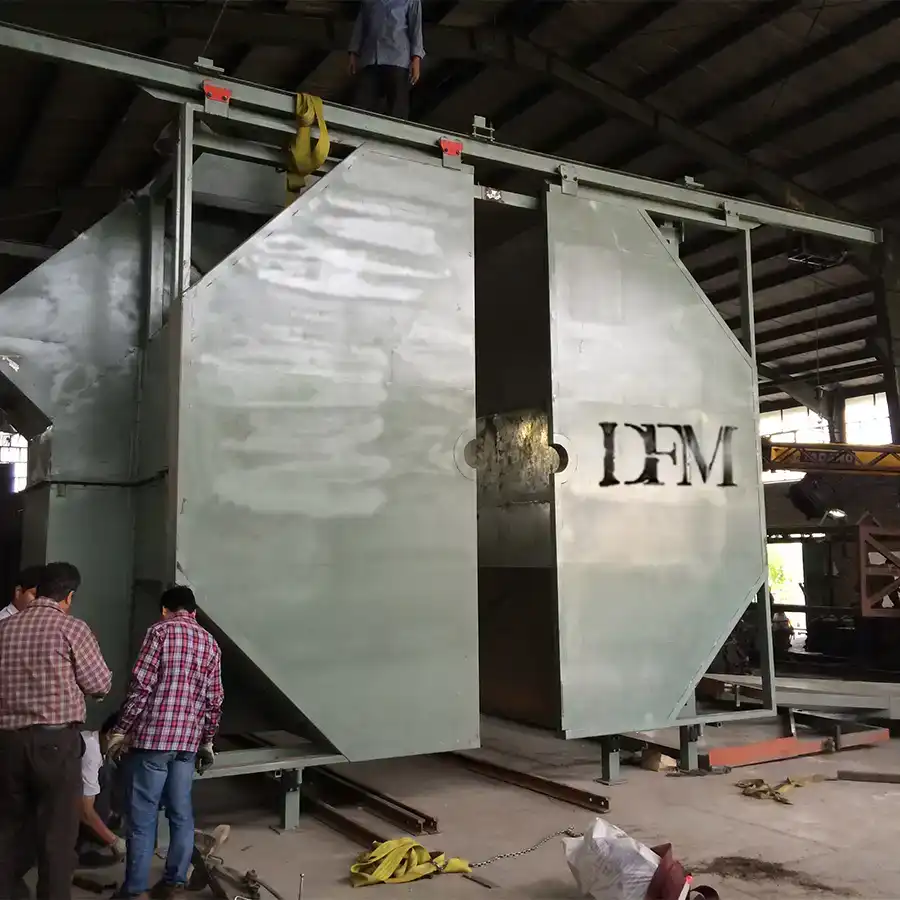
Rotomolding ovens typically operate between 200°C and 300°C. Direct or indirect contact with hot surfaces can cause severe burns.
2. Toxic Fumes and Gases
Polymers release fumes during melting, which can cause respiratory problems or even poisoning if inhaled.
3. Electrical Shock and Equipment Faults
Improperly grounded electrical systems and motors can pose a risk of electrocution to operators.
4. Mechanical Accidents
Rotating arms and moving parts can catch clothing or hands if operators are not careful.
5. Insufficient Ventilation
Poor ventilation can lead to fume accumulation and increased ambient temperature, raising fire risk and negatively affecting product quality.
Safety Measures in Rotational Molding
1. Continuous Employee Training
Operators should receive periodic training on machine operation, fire extinguishing, and first aid. Practical training combined with written guidelines reduces the likelihood of accidents.
2. Use of Standardized Equipment
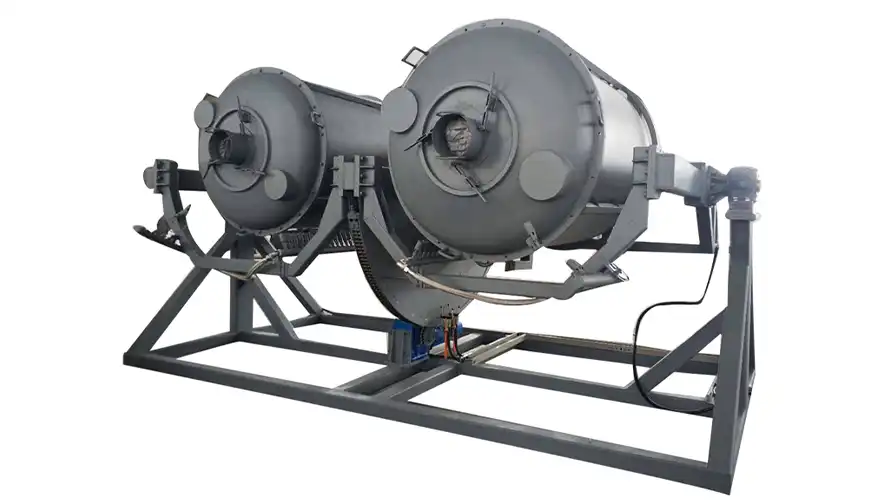
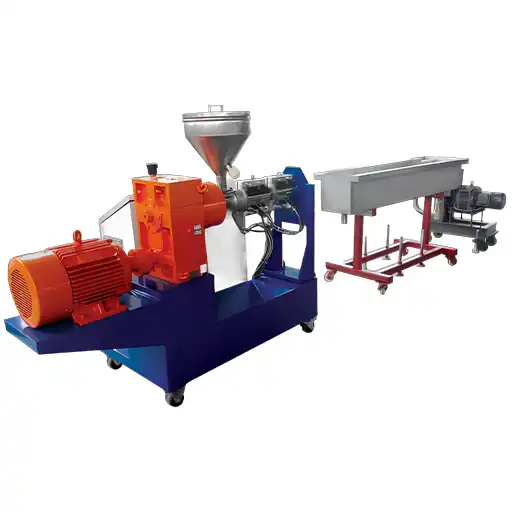
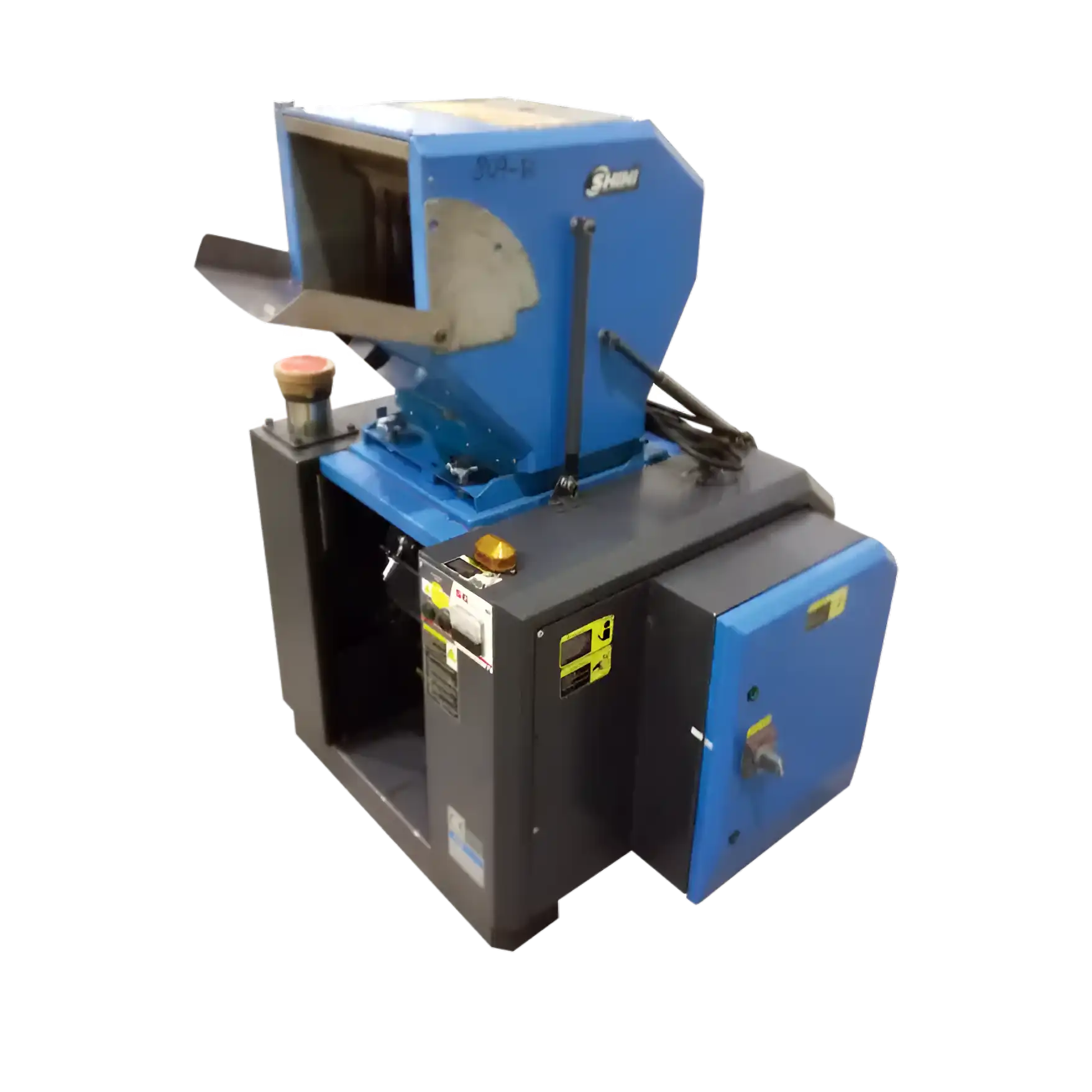
Rotomolding machines should include mechanical guards, emergency stops, and automatic shutdown systems. Companies like Davaran Fidar Maham provide fully equipped production lines to enhance factory safety.
3. Routine Inspection and Maintenance
Daily, weekly, and monthly checklists for ovens, arms, electrical systems, and ventilation are essential. Any defects should be addressed immediately to prevent larger hazards.
4. Maintaining Safe Distances
Operators must avoid getting too close to moving parts. Fencing or marking hazardous zones around machines helps define safe boundaries.
5. Proper Handling of Raw Materials
Polymer materials should be stored in cool, dry environments. During loading, operators must use safe tools and avoid direct contact with hot polymers.
Role of Industrial Ventilation in Rotomolding
Industrial ventilation is critical for safety in rotational molding. Without proper ventilation, toxic fumes from melted polymers accumulate, causing severe respiratory issues.
Features of a Standard Ventilation System:
-
Local exhaust near ovens to capture smoke and fumes
-
Powerful industrial fans for complete air exchange in the workshop
-
Industrial filters to prevent harmful particle dispersion
-
Temperature and humidity control for optimal working conditions
Proper ventilation ensures employee health and directly affects product quality, as airborne particles and high temperatures can compromise hollow part integrity.
Personal Protective Equipment (PPE) for Operators
Rotomolding operators should always wear:
-
Heat-resistant gloves for oven work
-
Industrial respirator masks to prevent fume inhalation
-
Safety goggles to protect eyes from particles or hot splashes
-
Heat-resistant work clothing
-
Steel-toed safety shoes to prevent injury from falling objects
-
Hearing protection in noisy environments
Even minor accidents can cause serious injuries without proper PPE.
Safety and Maintenance Checklists
Daily Checks
-
Verify electrical system and grounding
-
Monitor oven temperatures and alarms
-
Clean ventilation filters
Weekly Checks
-
Lubricate moving parts
-
Test emergency stop buttons
-
Inspect mechanical guards
Monthly Checks
-
Full ventilation system review
-
Service fans and blowers
-
Test safety sensors
Annual Checks
-
Major repairs to ovens and arms
-
Replace worn cables and components
-
Update safety procedures according to production changes
Conclusion
Safety in rotational molding is not just a legal requirement but a guarantee for worker health and continuous production. Implementing HSE principles, installing proper ventilation systems, using PPE, and performing regular inspections protect factories from serious hazards. Companies like Davaran Fidar Maham, by designing and producing safe, fully-equipped rotomolding lines, play a crucial role in improving safety standards in the plastics industry.